
 Save 15% on your 1st Autoship learn more

 Email us
 Live Chat
 FAQs
FAQs





Introduction
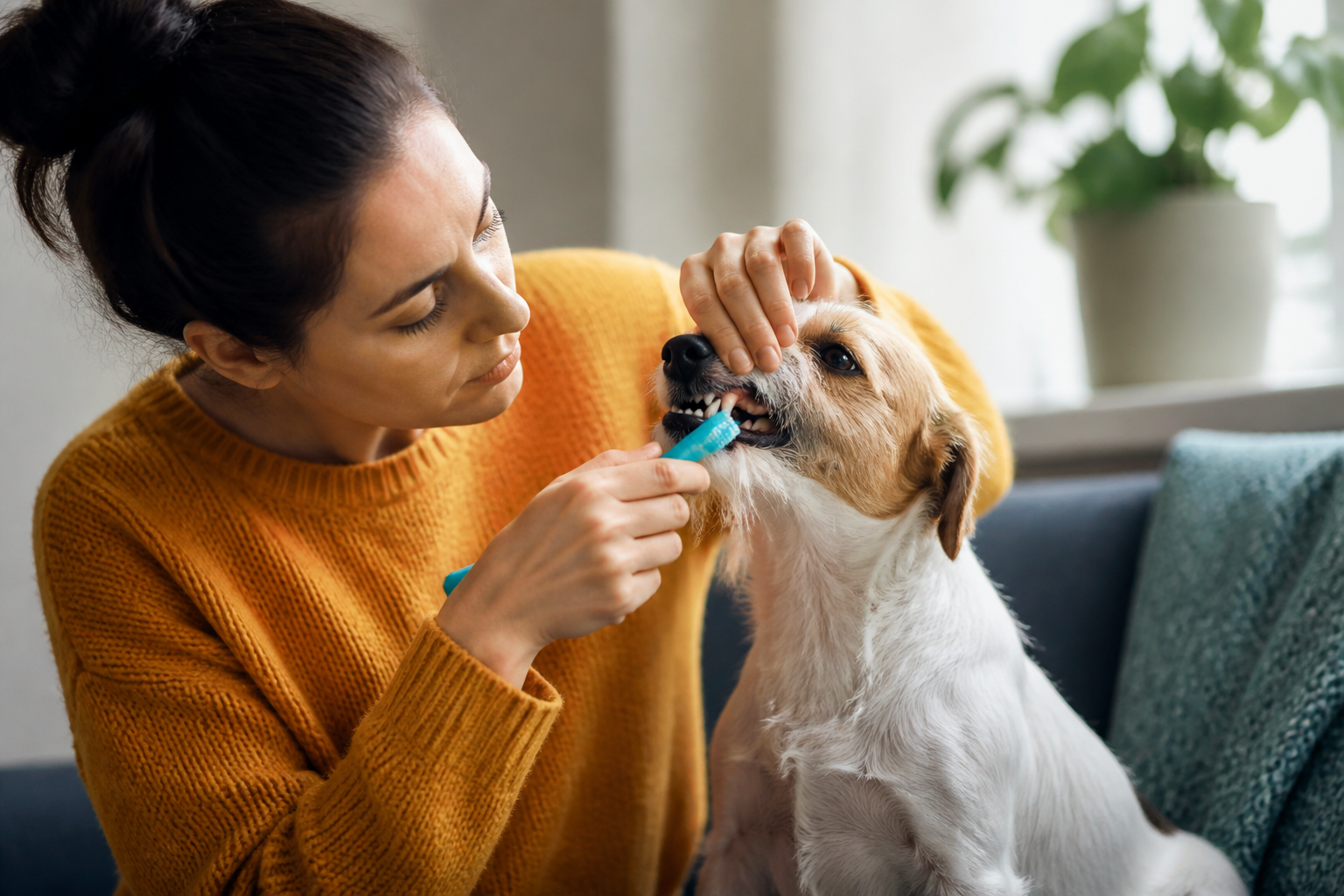
The moment you reach for the toothbrush, your dog disappears under the sofa. Or perhaps they treat the brush like a chew toy, making a real cleaning impossible. We see this often at BaxterBoo, and we know how frustrating it feels to want the best for your pet while they resist your help. You know that dental health is vital, but the daily struggle can feel like a losing battle.
This guide will show you how to clean dogs teeth when they don't like it using gentle training and effective alternatives. We will cover desensitization steps, the best no-brush products, and when it is time to call in the professionals. Our goal is to help you build a routine that protects your dog's health without ruining your bond. You do not have to choose between a clean mouth and a happy dog.
Why Dental Care Matters for Your Dog
Poor oral hygiene is more than just a matter of bad breath. When plaque stays on the teeth, it hardens into tartar within 48 hours. This hard substance cannot be brushed away at home. It traps bacteria against the gumline, leading to inflammation known as gingivitis. If left alone, this progress to periodontal disease, which can cause tooth loss and bone decay.
The danger goes beyond the mouth. The mouth is a gateway to the rest of the body. Bacteria from infected gums can enter the bloodstream. From there, it can travel to the heart, liver, and kidneys. This can lead to serious systemic health issues over time. Maintaining a clean mouth is one of the best ways to extend your dog’s life and keep their vital organs healthy.
Key Takeaway: Oral health is a full-body concern. Bacteria from the mouth can damage the heart and kidneys if dental disease is left untreated.
The Slow and Steady Approach to Brushing
If you want to keep trying the toothbrush, you must change your approach. Most dogs resist because the sensation is foreign and scary. Forcing the brush into their mouth usually makes the problem worse. Instead, we recommend a gradual desensitization process. This helps your dog associate the routine with rewards rather than stress.
Step 1: The Taste Test
Start by letting your dog lick a small amount of poultry or beef-flavored canine toothpaste off your finger. Do not use a brush yet. We carry many appetizing flavors from brands like Virbac that dogs genuinely enjoy. Praise them while they lick the paste. Do this for two or three days until they get excited when they see the tube.
Step 2: Mouth Handling
Once they like the taste, start touching their mouth. Gently lift their lip and rub your finger along their gums for a few seconds. Follow this immediately with a high-value treat. Your dog needs to learn that having their mouth touched leads to something great.
Step 3: Introducing the Brush
Show them the toothbrush. Let them sniff it and lick some toothpaste off the bristles. Do not try to brush yet. If they seem comfortable, gently touch the brush to one of their front canine teeth. Reward them and stop for the day.
Step 4: The First Scrub
When your dog is calm, try a few circular motions on the outside of the front teeth. You do not need to open their mouth wide. Most plaque builds up on the outside of the teeth. If they pull away, stop. Go back to a step they were comfortable with and try again tomorrow.
Vet Tip: Always use toothpaste made specifically for dogs. Human toothpaste often contains xylitol, which is highly toxic to dogs, and foaming agents that can upset their stomachs.
Effective Alternatives to Brushing
Some dogs may never accept a toothbrush. If you have tried the gradual approach and your dog still experiences extreme stress, do not panic. There are several effective ways to manage plaque and tartar without a brush. These methods work well for senior dogs, rescued pets with mouth trauma, or particularly stubborn pups.
Dental Powders
Dental powders are one of the easiest ways to support oral health. These are usually made from a specific type of seaweed called Ascophyllum nodosum. When your dog eats the powder, the active ingredients work systemically through the saliva to soften existing tartar and prevent new plaque from sticking. You simply sprinkle a scoop onto their food once a day. Brands like ProDen PlaqueOff are popular choices for owners who cannot brush. Explore our selection of PlaqueOff dental products for powder and treat options.
Water Additives
If your dog is picky about their food, a water additive might be the better choice. These liquids are usually odorless and tasteless. You add a small amount to their fresh water bowl every day. The additive contains enzymes and minerals that help kill bacteria in the mouth. It is a passive way to freshen breath and reduce the bacterial load throughout the day.
Dental Wipes
Dental wipes are a middle ground between brushing and no-brushing. These are textured pads treated with cleaning solutions. You wrap the wipe around your finger and rub it over the tooth surfaces. Many dogs find the sensation of a finger much less threatening than a plastic brush. It allows you to physically scrub away the sticky film of plaque before it hardens. For more ideas, read these pet dental care tips for introducing toothpaste, wipes, and water additives.
Quick Answer: If your dog hates brushing, use a combination of VOHC-approved dental chews and a daily dental powder. These methods reduce plaque through mechanical action and systemic support without mouth handling.
The Power of Dental Chews and Toys
Dogs have a natural urge to chew. You can use this behavior to your advantage. Not all chews are created equal, so it is important to look for the right features.
- VOHC Seal of Acceptance: Look for the Veterinary Oral Health Council seal on packaging. This means the product has been clinically proven to reduce plaque or tartar by at least 20 percent.
- Mechanical Abrasion: The chew should have a texture that allows the tooth to sink in. This scrapes the surface of the tooth as the dog chews.
- Size Matters: Always choose a chew that matches your dog's weight. A chew that is too small can be a choking hazard, while one that is too large may be too hard for their jaw.
We carry several trusted brands like Greenies and Cosequin that offer dental benefits. If your dog is a powerful chewer, rubber toys with deep grooves can also help. You can even smear a little bit of dog-safe toothpaste into the grooves of a Kong toy to encourage them to clean their own teeth while they play. Browse our dog dental care collection for chews, treats, and oral-care products.
Identifying Signs of Dental Distress
You should monitor your dog's mouth regularly, even if they hate it. Catching a problem early can prevent a painful infection. Since dogs are experts at hiding pain, you need to look for subtle clues.
- Persistent Bad Breath: A "doggy breath" is normal, but an extremely foul, rotten, or metallic smell is a sign of infection.
- Changes in Eating: If your dog suddenly starts dropping food, chewing on only one side of their mouth, or refusing hard kibble, they may have a sore tooth.
- Red or Bleeding Gums: Healthy gums should be a pale pink. Bright red, swollen, or bleeding gums indicate gingivitis or more advanced disease.
- Visible Buildup: Look for yellow or brown crust near the gumline. This is tartar, and it acts as a reservoir for bacteria.
If you notice these signs, a vet visit is necessary. At-home cleaning can prevent problems, but it cannot fix a tooth that is already infected or a mouth full of heavy tartar. Learn more about warning signs of bad teeth in dogs.
Vet Tip: If your dog paws at their face or seems sensitive when you touch their muzzle, they may have a dental abscess. This is a painful emergency that requires professional veterinary care and potentially antibiotics.
Prescription Diets and the BaxterBoo Pharmacy
For dogs with a high tendency for dental issues, a standard diet might not be enough. Some dogs have genetics that make them prone to heavy tartar buildup. In these cases, your veterinarian might recommend a prescription dental diet.
These special kibbles are much larger than standard food. They are designed with a fiber matrix that does not shatter when the dog bites it. Instead, the tooth sinks into the kibble, which scrubs the surface like a squeegee. Many of these diets also contain calcium binders that prevent minerals in the saliva from hardening into tartar.
Our pharmacy offers these specialized diets through our partnership with Pet's Choice. We carry FDA-approved prescription foods from brands like Royal Canin and Farmina Vet Life. If your vet provides a prescription for a dental or weight management diet, you can easily fulfill it through our dog pharmacy. Our pharmacy also carries medications for managing oral infections or post-surgical pain if your dog requires a professional cleaning.
Bottom line: Prescription dental diets provide a clinical-grade solution for dogs who cannot tolerate manual brushing.
Making Dental Care a Habit
Consistency is the most important part of any dental routine. Plaque turns into tartar very quickly, so a once-a-week cleaning is not enough. You want to aim for some form of dental support every single day.
- Morning: Add a dental powder to their breakfast.
- Afternoon: Give a VOHC-approved dental chew while you are away or busy.
- Evening: Try a quick wipe or a short brush session if they are relaxed.
Keeping your supplies in a visible spot will help you remember. If you keep the dental wipes next to the treats, you are more likely to use them. You can also sign up for our Autoship programme to ensure you never run out of dental chews or powders. This also grants you MVP Gold membership, giving you even more ways to save on your pet's health needs.
When to Seek Professional Help
Home care is a preventive measure. It is not a substitute for professional veterinary cleanings. Most dogs will eventually need a professional cleaning under anesthesia, even with the best home routine. A vet can clean under the gumline and take X-rays to see what is happening beneath the surface.
If your dog is older or has existing health conditions, your vet may recommend more frequent check-ups. We believe in a proactive approach. Combining your at-home efforts with regular professional oversight is the best way to ensure your dog stays comfortable. See how dental chews can support care between cleanings.
Conclusion
Learning how to clean dogs teeth when they don't like it is a journey of patience. Whether you use a slow training method to introduce a brush or rely on high-quality alternatives like powders and chews, the effort is worth it. At BaxterBoo, we are here to support you with the tools and expert-curated products you need for every stage of your dog's life. By staying consistent and watching for signs of trouble, you can give your dog the gift of a healthy mouth and a longer life.
Key Takeaway: If your dog resists the brush, do not give up on dental care entirely. Switch to dental powders, water additives, and VOHC-approved chews to maintain their health.
For more specialized support, explore our Medical and Mobility section or visit our pharmacy for prescription-strength dental solutions. You can also learn about the MVP Rewards programme when planning your pet-care purchases.
FAQ
Can I use baking soda to clean my dog's teeth? It is best to avoid using baking soda regularly. While it is not strictly toxic in tiny amounts, it has a very high salt content that can be harmful if swallowed, especially for dogs with heart or kidney issues. It also has a taste that most dogs dislike, which can make them even more resistant to mouth handling.
How often should I use dental wipes if I don't brush? If you are relying on wipes as your primary cleaning method, you should use them daily. Plaque begins to mineralize into tartar within 24 to 48 hours, so skipping even a few days allows buildup to form. Daily wiping ensures you are removing the film while it is still soft.
Are raw bones safe for cleaning a dog's teeth? Raw bones can provide some mechanical cleaning, but they come with risks. Hard bones can cause tooth fractures, and small pieces can become choking hazards or cause intestinal blockages. Always supervise your dog with any bone and avoid cooked bones entirely, as they splinter easily.
What is the VOHC seal and why does it matter? The Veterinary Oral Health Council (VOHC) is an independent organization that reviews dental products for pets. They only award their seal to products that provide scientific data proving they reduce plaque or tartar. Choosing products with this seal ensures you are using something that actually works rather than just a flavored treat.






