
 Save 15% on your 1st Autoship learn more

 Email us
 Live Chat
 FAQs
FAQs





Introduction
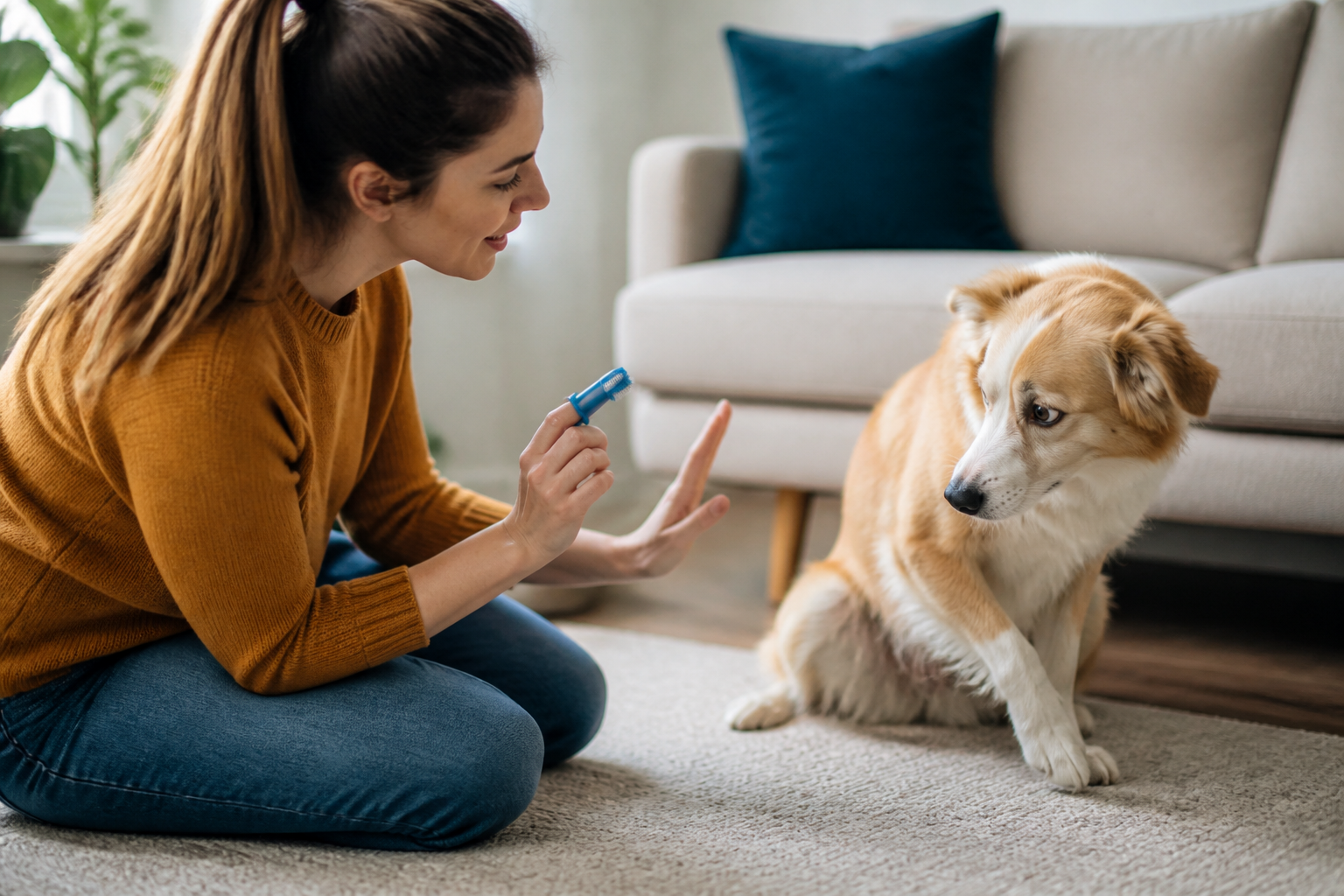
You grab the toothbrush and your dog disappears. One moment they are sitting at your feet and the next they are hiding under the dining room table or squeezed behind the sofa. This game of hide and seek is a daily reality for many pet owners who know dental care is important but cannot seem to get their dog to cooperate. At BaxterBoo, we talk to owners every day who feel guilty about skipping the brush because they do not want to stress out their best friend.
The truth is that traditional brushing is the gold standard, but it is not the only way to protect your dog. This guide covers practical alternatives for the most resistant pets and shows you how to build a routine that works without the wrestling match. We will look at dental powders, specialized treats, and even prescription diets that do the heavy lifting for you.
Why Some Dogs Resist Mouth Handling
Many dogs are naturally protective of their faces and mouths. This is a survival instinct. If a dog has had a bad experience in the past or is currently feeling some gum sensitivity, they will view a toothbrush as a threat rather than a tool. If your dog tenses up, growls, or runs away, they are telling you they do not feel safe with the current process.
Forcing the issue often makes the problem worse. It creates a negative association that can take months to undo. Instead of pushing through the resistance, we recommend a two-pronged approach. First, start using a no-brush method to protect their health right now. Second, work on very slow desensitization to make mouth handling easier in the future.
Quick Answer: If your dog will not let you brush their teeth, switch to a VOHC-accepted dental powder or water additive immediately. These products work systemically or through contact to reduce plaque without requiring you to touch your dog's mouth.
The Difference Between Plaque and Tartar
Understanding what you are fighting helps you choose the right tools. Plaque is a sticky, colorless film of bacteria that forms on the teeth within hours of eating. At this stage, it is soft. You can remove it with a wipe, a chew, or even certain enzymes found in water additives.
If plaque stays on the tooth for more than 48 hours, it starts to mineralize. It mixes with the minerals in your dog's saliva and hardens into tartar, also known as calculus. Tartar is usually yellow or brown and forms a hard crust at the gumline. Once tartar has formed, a toothbrush cannot remove it. Only a professional veterinary cleaning under anesthesia can safely scrape away hardened tartar.
Key Takeaway: Home care is about plaque management. By stopping plaque from hardening, you prevent the gingivitis and periodontal disease that lead to expensive vet bills.
Top No-Brush Solutions for Difficult Dogs
When your dog refuses the brush, you need products that work passively. These options require zero mouth handling but still provide significant benefits for oral hygiene. Explore our dog dental and breath care collection for powders, gels, chews, and other oral-care options.
Dental Powders
Dental powders are perhaps the easiest solution for resistant dogs. You simply sprinkle a measured scoop onto their regular food once a day. Products like ProDen PlaqueOff contain a specific type of seaweed called Ascophyllum nodosum. When your dog eats it, the compounds are absorbed into the bloodstream and eventually come out in the saliva. This change in saliva chemistry helps soften existing tartar and prevents new plaque from sticking.
Water Additives
Water additives are liquid concentrates you pour into your dog's drinking bowl. They usually contain enzymes or antibacterial agents like chlorhexidine that kill plaque-building bacteria on contact. These are tasteless and odorless, so most dogs never even notice the change. It is a set-it-and-forget-it way to freshen breath and protect the gumline every time your dog takes a drink.
Specialized Dental Chews
Not all treats are created equal. To see real results, look for the Veterinary Oral Health Council (VOHC) Seal of Acceptance. Brands like Greenies and certain RedBarn products are designed with specific textures that scrape the tooth surface as the dog chews. This mechanical action mimics the scrubbing of a toothbrush. For more options, browse our dental chews and treats.
The Role of Prescription Dental Diets
If your dog is prone to rapid tartar buildup or already has signs of early gum disease, your veterinarian might recommend a prescription dental diet. These are different from standard kibble. Normal kibble usually shatters as soon as a dog bites it, providing almost no cleaning benefit.
Prescription diets like Royal Canin Dental or Farmina Vet Life use a larger kibble size and a specific fiber matrix. This matrix does not shatter. Instead, it allows the tooth to sink into the kibble, scrubbing the entire surface before the piece breaks apart. These diets also contain calcium chelators to prevent plaque from mineralizing into tartar.
Our pharmacy offers FDA-approved prescription pet foods through our partnership with Pet's Choice. If your vet provides a prescription for a dental diet, we can help you get it delivered right to your door. This is often the most effective long-term strategy for dogs that will never tolerate a toothbrush. Visit our pet pharmacy to explore available options.
Vet Tip: Before starting a prescription dental diet or a heavy-duty chew routine, have your vet check for loose or fractured teeth. Chewing on hard objects can be very painful for a dog with active dental infections.
Gradual Training for Future Brushing
While no-brush options are great, being able to touch your dog's mouth is helpful for health checks and emergency situations. You can start this training without a brush. For additional guidance, read our dog dental care tips.
Step 1: The Taste Test. Put a small dab of dog-safe enzymatic toothpaste on your finger. Let your dog lick it off. Do not try to touch their mouth yet. Just let them enjoy the poultry or beef flavor.
Step 2: The Lip Lift. While your dog is relaxed, briefly lift their upper lip for one second, then immediately give a high-value treat. Repeat this for several days until they do not flinch.
Step 3: The Finger Rub. Once they are okay with the lip lift, rub your bare finger along their gums for two seconds. Follow with a treat. This mimics the sensation of a brush without the scary plastic tool.
Step 4: The Introduction. Introduce a soft finger brush or a piece of gauze wrapped around your finger. Use the flavored toothpaste and do a quick swipe on the front canines.
Using Dental Wipes and Gels
Dental wipes are a middle ground between a powder and a brush. They are pre-moistened pads often treated with baking soda or enzymes. You wrap the wipe around your finger and quickly swipe the outer surfaces of the teeth. Since most dogs are more comfortable with your finger than a bulky toothbrush, wipes are often tolerated much better.
Dental gels work similarly but can be even less invasive. Many gels just need to be applied to the gumline. You can dab a small amount on the side of your dog's mouth, and their tongue will spread it around as they lick. This is a great option for senior dogs who might have sensitive gums that find bristles too abrasive.
How to Choose VOHC-Accepted Products
The pet care market is full of big claims. You will see many bags of treats claiming to "clean teeth" or "freshen breath." However, unless a product has undergone clinical testing, those claims may just be marketing.
The Veterinary Oral Health Council (VOHC) is an independent organization that reviews data from controlled studies. When you see the VOHC seal on a bag of treats or a bottle of water additive, you know that product has been proven to reduce plaque or tartar by at least 20 percent. We prioritize carrying brands that hold this seal because we want our customers to see real results.
Bottom line: Always check the packaging for the VOHC Seal of Acceptance to ensure you are spending your money on a product that actually works.
Signs Your Dog Needs a Professional Cleaning
Even with the best at-home routine, some dogs are genetically predisposed to dental issues. Smaller breeds like Chihuahuas and Yorkies often have crowded teeth that trap food and bacteria more easily than larger breeds.
Watch for these warning signs that home care is no longer enough:
- Extreme bad breath that does not go away after a chew or a meal.
- Bleeding gums or red, inflamed tissue where the tooth meets the gum.
- Difficulty eating or dropping kibble while chewing.
- Pawing at the face or rubbing the mouth against furniture.
- Loose or missing teeth.
If you notice these symptoms, it is time for a veterinary consult. Once a tooth is infected or a pocket has formed under the gumline, no amount of brushing or powder will fix the problem. Your vet may need to perform a cleaning or even extract a painful tooth. For more warning signs, read what to do when your dog has damaged teeth.
Managing Your Routine with BaxterBoo
Consistency is the secret to a healthy dog mouth. Plaque grows every day, so your care routine must happen every day too. To make this easier, we offer several programs to keep you stocked without the stress of last-minute trips to the store.
Our Autoship program is a favorite for dental care. You can set your dental chews, powders, and even prescription diets to arrive on a recurring schedule. This saves you money on the first order and ensures you never run out of the tools you need. Plus, Autoship customers receive a free MVP Gold membership, which earns you points on every purchase. Learn more about our Autoship programme.
When you shop at BaxterBoo, you are also earning up to 5% back through our MVP Rewards program. Since dental care is a lifelong commitment, these savings add up quickly. We also participate in Frequent Buyer Programs for many of our top brands, which can lead to free bags of food or treats over time. See how the MVP Rewards programme works with qualifying purchases.
Creating a Stress-Free Dental Schedule
You do not have to do everything at once. A layered approach is often best for a dog that hates the brush. You might use a dental powder every morning in their breakfast bowl and provide a VOHC-accepted chew every evening after dinner.
This variety keeps the dog engaged and addresses plaque from multiple angles. The powder works on the chemistry of the mouth while the chew provides the mechanical scrubbing. If your dog has a particularly bad day or seems stressed, skip the mouth handling and just rely on the passive options. The goal is to make dental health a normal, non-scary part of their life.
Weekly Dental Checklist
- Daily: Add dental powder or water additive.
- 3-4 Times a Week: Give a VOHC-accepted dental chew.
- Weekly: Briefly check the mouth for redness or new buildup.
- Monthly: Take a "breath check" to ensure things are smelling fresh.
Key Takeaway: A regular routine of "imperfect" care is much better for your dog than a "perfect" brushing session that only happens once a month.
Safety First: What to Avoid
While looking for alternatives, stay away from products that could harm your dog's teeth or overall health.
- Human Toothpaste: Never use human toothpaste. It contains xylitol, which is toxic to dogs, and foaming agents that can upset their stomachs.
- Hard Bones and Antlers: While these are popular, they are often harder than the tooth enamel itself. We see many fractured carnassial teeth from dogs chewing on antlers or marrow bones.
- Cooked Bones: These can splinter and cause internal damage or choking.
- Tennis Balls: The fuzz on a tennis ball is surprisingly abrasive. Over years of play, it can actually file down a dog's teeth. Stick to smooth rubber toys for heavy chewers.
Pharmacy Access and Long-Term Health
Dental health is a gateway to overall wellness. When a dog has chronic gum inflammation, bacteria can enter the bloodstream and travel to the heart, liver, and kidneys. This is why we are so passionate about helping you find a routine that sticks.
If your vet identifies a dental infection, they may prescribe a course of antibiotics or pain relief. Our pharmacy carries a wide range of FDA-approved medications to help your dog recover from dental procedures or manage chronic conditions. Through our partnership with Pet's Choice, we make it simple to manage these health needs alongside your regular pet supplies. You can also review our Frequent Buyer Program for additional savings opportunities on qualifying products.
Vet Tip: If your dog is on a specialized diet for kidney or heart health, consult your vet before adding dental chews, as some are high in calories or sodium.
Conclusion
Cleaning a resistant dog's teeth does not have to be a battle of wills. By focusing on VOHC-accepted powders, water additives, and dental chews, you can effectively manage plaque and tartar without ever picking up a toothbrush. Start slow, prioritize products with clinical backing, and always keep an eye out for signs of pain or infection.
Whether you are using our Autoship programme for your favorite dental bites or working with our pet pharmacy for a prescription dental diet, we are here to support your dog’s health journey. Consistency is the most important factor in preventing dental disease. Stick with a routine that your dog tolerates, and you will be rewarded with fresher breath and a healthier pet for years to come.
Bottom line: If your dog won't let you brush, don't force it; use dental powders and VOHC-approved chews to keep their mouth healthy and pain-free.
FAQ
Can I clean my dog's teeth with just a cloth?
Yes, using a soft microfiber cloth or medical gauze is a great alternative to a brush. Wrap the cloth around your finger and gently rub the outer surfaces of the teeth to remove soft plaque. This is often much less intimidating for a dog than a plastic brush and still provides the mechanical scrubbing needed for clean teeth.
Does dry dog food really clean teeth?
Most standard dry kibble does not clean teeth because it crumbles instantly upon contact. To get a cleaning benefit, you need a specific dental diet that uses a fiber matrix to scrub the tooth or contains ingredients that prevent tartar buildup. For dogs with significant dental needs, ask your vet about prescription options available through our pharmacy.
How can I get rid of my dog's bad breath without brushing?
Bad breath is usually caused by bacteria, so using an enzymatic water additive or a daily dental powder is the best way to tackle the smell at its source. These products kill the bacteria that produce foul odors. If the bad breath persists despite these treatments, it may indicate an underlying infection or a rotting tooth that requires a vet visit.
Is it too late to start a dental routine for my senior dog?
It is never too late to improve your dog's oral health, but senior dogs should always start with a veterinary exam. Older pets are more likely to have existing tartar or sensitive gums that might make certain chews or brushes painful. Once your vet gives the all-clear, a gentle routine of dental powder and soft wipes can help prevent further decline.






