
 Save 15% on your 1st Autoship learn more

 Email us
 Live Chat
 FAQs
FAQs





Introduction
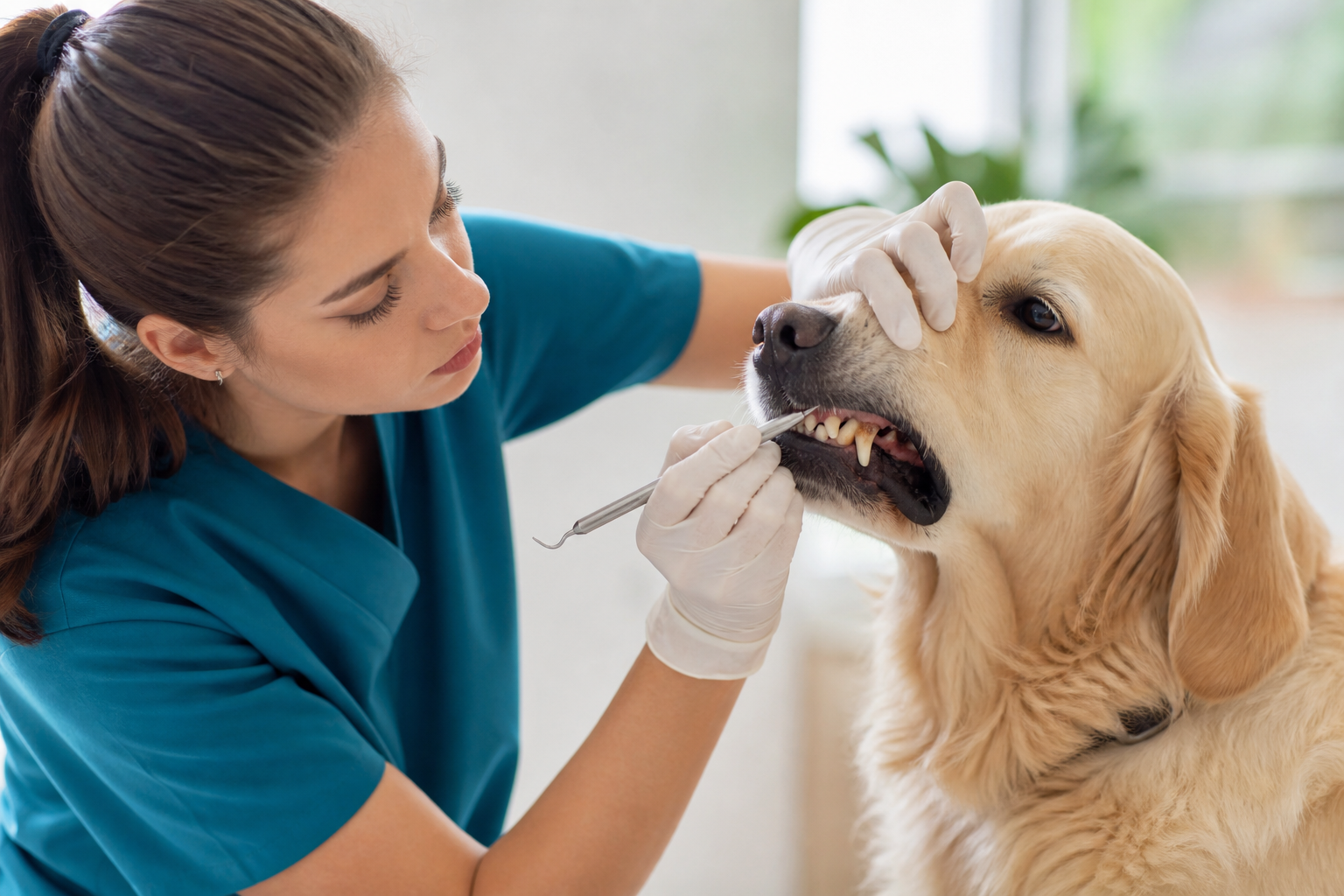
You are sitting on the floor with your dog and notice a hard, brownish-yellow crust along their upper molars. No matter how much you brush, that thick buildup does not budge. This material is called calculus or tartar. It can lead to bad breath and gum disease if left alone. Many owners consider using a handheld dental scaler to remove this buildup at home. At BaxterBoo, we believe that informed pet parents are the best advocates for their animals. This guide explains how to clean dogs teeth with scaler tools safely. We will cover tool selection, the correct scraping technique, and the risks you must consider before starting. Maintaining your dog's oral health requires the right tools and a very patient pet.
Quick Answer: To use a dental scaler, hold the tool like a pencil and gently scrape the tartar in a downward motion away from the gum line. Only attempt this if your dog remains completely still. You must be careful not to scratch the tooth enamel or poke the sensitive gum tissue.
Understanding the Dental Scaler Tool
A dental scaler is a handheld instrument made of stainless steel. It usually features a long handle with various shaped hooks or blades at either end. These tools are designed to pop hard tartar off the smooth surface of the tooth. You will often see double-headed versions. One side might have a flat, wide blade known as a hoe scaler. The other side might have a pointed tip called a sickle scaler.
The hoe scaler is generally safer for beginners. It has a flat edge that sits against the tooth. This makes it easier to apply even pressure across a wider surface area. The sickle scaler is better for getting into the narrow grooves between teeth. However, the sharp point on a sickle scaler carries a higher risk of accidental injury.
Before you even touch your dog's mouth, you must ensure the tool is clean. Even a new tool should be sanitized. You can use boiling water or a pet-safe disinfectant. Stainless steel is durable and easy to keep sterile. Always inspect the tool for any burrs or rough edges that could scratch your dog.
Preparing Your Dog for Scaling
Cleaning a dog's teeth with a scaler is much different than using a soft toothbrush. It involves a sharp metal object in a sensitive area. Your dog must be exceptionally calm and used to having their mouth handled. If your dog snaps, growls, or pulls away, do not use a scaler. You risk slicing their gums or tongue if they make a sudden movement.
Start by finding a well-lit area. You need to see exactly where the tartar ends and the gum begins. Having a second person to gently hold the dog's head can be very helpful. They should not pin the dog down. Instead, they should provide a steadying hand under the chin.
Keep the sessions very short. Aim for just one or two teeth per sitting. This prevents your dog from becoming frustrated or anxious. If you notice your dog getting stressed, stop immediately. Positive reinforcement is key here. Offer a small, healthy treat after each successful tooth is cleaned.
Vet Tip: Home scaling only removes tartar above the gum line. It does not address the bacteria hiding under the gums where most dental disease starts. Always schedule a professional dental exam with your veterinarian to check for deep-seated issues like abscesses or bone loss.
For additional guidance on warning signs, read our article about recognizing bad teeth in dogs.
The Correct Scaling Technique
To begin, lift your dog's lip to expose the target tooth. Most tartar accumulates on the large premolars and molars in the back of the mouth. Hold the scaler with a modified pen grasp. This means holding it between your thumb and index finger while resting it on your middle finger. This grip gives you the most control and prevents the tool from slipping.
Place the flat edge of the scaler against the top of the tartar deposit. This should be near the gum line but not touching the soft tissue. Use a firm but gentle pulling motion. Always move the tool toward the tip of the tooth. Never push the scaler toward the gums. Pushing toward the gums can cause the tool to slip and gouge the delicate tissue.
You will often hear a clicking or crunching sound as the tartar breaks away. This is normal. Large pieces may pop off all at once. Once the bulk of the tartar is gone, you can use shorter, lighter strokes to remove any remaining small bits. Be very careful not to apply too much pressure. Pushing too hard can scrape away the protective enamel layer of the tooth.
Step-by-Step Scaling Process
Step 1: Sanitize the tool. / Use boiling water or alcohol to ensure the stainless steel is free of bacteria.
Step 2: Position the dog. / Ensure the dog is calm and you have plenty of natural or overhead light.
Step 3: Identify the tartar. / Locate the hard, calcified buildup and choose the appropriate end of the scaler.
Step 4: Scrape away from the gum. / Place the edge at the top of the deposit and pull toward the bottom of the tooth.
Step 5: Clean and reward. / Wipe the tooth with a clean cloth and give your dog praise.
Key Takeaway: Proper scaling technique always involves moving the tool away from the gum line to prevent injury. Use a light touch and stop immediately if the dog becomes restless.
The Risks of At-Home Scaling
While removing visible tartar feels satisfying, at-home scaling has real risks. The biggest concern is enamel damage. Tooth enamel is the hard outer coating that protects the tooth. When you use a metal tool to scrape a tooth, you create microscopic scratches in that enamel. These scratches act like Velcro for new bacteria. Without professional polishing, a scaled tooth may actually accumulate tartar faster than before.
Another risk is the release of bacteria into the bloodstream. Tartar is essentially a brick made of bacteria. When you break it apart, some of those bacteria can enter tiny nicks in the gums. In dogs with underlying health issues, this can occasionally lead to infections in other parts of the body. This is why veterinarians often use antibiotics before and after professional cleanings.
Lastly, home scaling provides a false sense of security. The teeth might look white and clean on the outside. However, the real danger is the plaque and tartar you cannot see. Professional veterinary cleanings involve scaling under the gum line while the dog is under anesthesia. This is the only way to truly prevent periodontal disease.
Bottom line: Scaling at home can improve the appearance of teeth, but it does not replace professional care or prevent bacteria from growing under the gum line.
Alternatives and Maintenance
If scaling at home feels too risky, there are many other ways to manage tartar. Daily brushing is the gold standard for pet oral health. Using a pet-specific toothpaste with enzymes can help break down plaque before it hardens into tartar. We carry several types of finger brushes and long-handled brushes in our dog dental and breath care collection.
Dental chews are another effective tool. Brands like Greenies or Bark Bright are designed to scrub the teeth as the dog chews. The mechanical action of chewing helps rub away soft plaque. Some treats also contain ingredients that help prevent minerals in the saliva from turning plaque into hard tartar.
Water additives and dental gels are also useful for dogs that will not tolerate brushing. You simply add the liquid to their water bowl. These products work by altering the chemistry in the mouth to discourage bacterial growth. While they are not as effective as manual scrubbing, they are a great addition to a multi-layered dental routine.
For more routine ideas, review these pet dental care tips.
Support Through the BaxterBoo Pharmacy
Managing chronic dental issues often requires more than just a scaler and a brush. Some dogs are prone to severe gingivitis or recurring infections. In these cases, your veterinarian might prescribe specific medications or therapeutic diets. Our pet pharmacy provides access to FDA-approved medications through our partnership with Pet's Choice.
If your dog has advanced dental disease, they may need prescription-strength oral rinses or antibiotics. We also carry specialized prescription diets, like those from Farmina Vet Life, which are formulated to support oral health through specific kibble shapes and nutrient profiles. Having a reliable source for these veterinary products makes it easier to stay on top of your dog's long-term care needs.
Our warehouse in Vernon Hills is stocked with these premium options to ensure you get what you need quickly. Whether you are ordering a new scaler or a bag of dental kibble, we aim to provide the best selection for your pet. Using the right combination of home care and professional guidance is the best way to keep your dog's smile healthy.
When to Stop and Call the Vet
Not every tooth can be cleaned at home. If you notice certain signs, put down the scaler and call your veterinarian. Attempting to scale a diseased tooth can be extremely painful for your dog and may cause further damage.
Look for these red flags during your dental check:
- Bleeding gums that do not stop quickly.
- Loose or wiggling teeth.
- Pus or discharge around the gum line.
- Extreme bad breath that smells like rot.
- A dog that flinches or cries when you touch a specific tooth.
- Fractured or broken teeth with exposed pulp.
These symptoms indicate that the problem is deeper than just surface tartar. Your dog likely needs a professional cleaning under anesthesia. During these procedures, vets can take X-rays to see what is happening beneath the gum line and safely remove any teeth that are beyond repair.
Vet Tip: If your dog's gums are red, swollen, or bleed easily, they likely have gingivitis. Do not attempt to scale these teeth at home. The tissue is too sensitive and prone to infection. Consult your vet for a professional treatment plan.
Conclusion
Cleaning your dog's teeth with a scaler is a task that requires patience, a steady hand, and a calm pet. While it can help remove unsightly tartar, it is only one piece of the oral health puzzle. Always remember to scrape away from the gums and avoid using too much force on the enamel. To keep your dog's mouth in top shape, combine your scaling efforts with regular brushing and high-quality dental chews. We recommend checking out our full collection of dental care products to find the best brushes and enzymatic pastes for your routine. If your dog needs more advanced support, remember that our pharmacy and Pet's Choice partnership are here to provide the prescription supplies your veterinarian recommends.
FAQ
Is it safe to use a dental scaler on my dog at home?
It is safe only if your dog is extremely cooperative and you use the correct technique. You must always scrape away from the gum line to avoid painful injuries. However, home scaling can cause micro-scratches in the enamel, so it should be done sparingly and with great care.
Does scaling a dog's teeth hurt them?
If the tooth and gums are healthy, scaling the surface of the tooth should not be painful. However, if your dog has gingivitis or a cracked tooth, the pressure and scraping will cause significant pain. Always check for signs of sensitivity or redness before you begin.
How often should I use a scaler on my dog?
You should not need to use a scaler frequently if you are brushing your dog's teeth daily. Scalers are for removing hard tartar that has already formed. If you find yourself needing to scale every month, you may need to improve your daily brushing routine or try different dental chews to prevent the buildup. For repeat-purchase dental products, our Autoship programme can help simplify routine ordering.
Can I use a human dental scaler on my dog?
Most dental scalers sold for pets are very similar to those used for humans. They are made of the same medical-grade stainless steel. The most important factor is the shape of the tool and your ability to control it. Ensure any tool you use is properly sized for your dog's mouth and thoroughly sanitized.






