
 Save 15% on your 1st Autoship learn more

 Email us
 Live Chat
 FAQs
FAQs





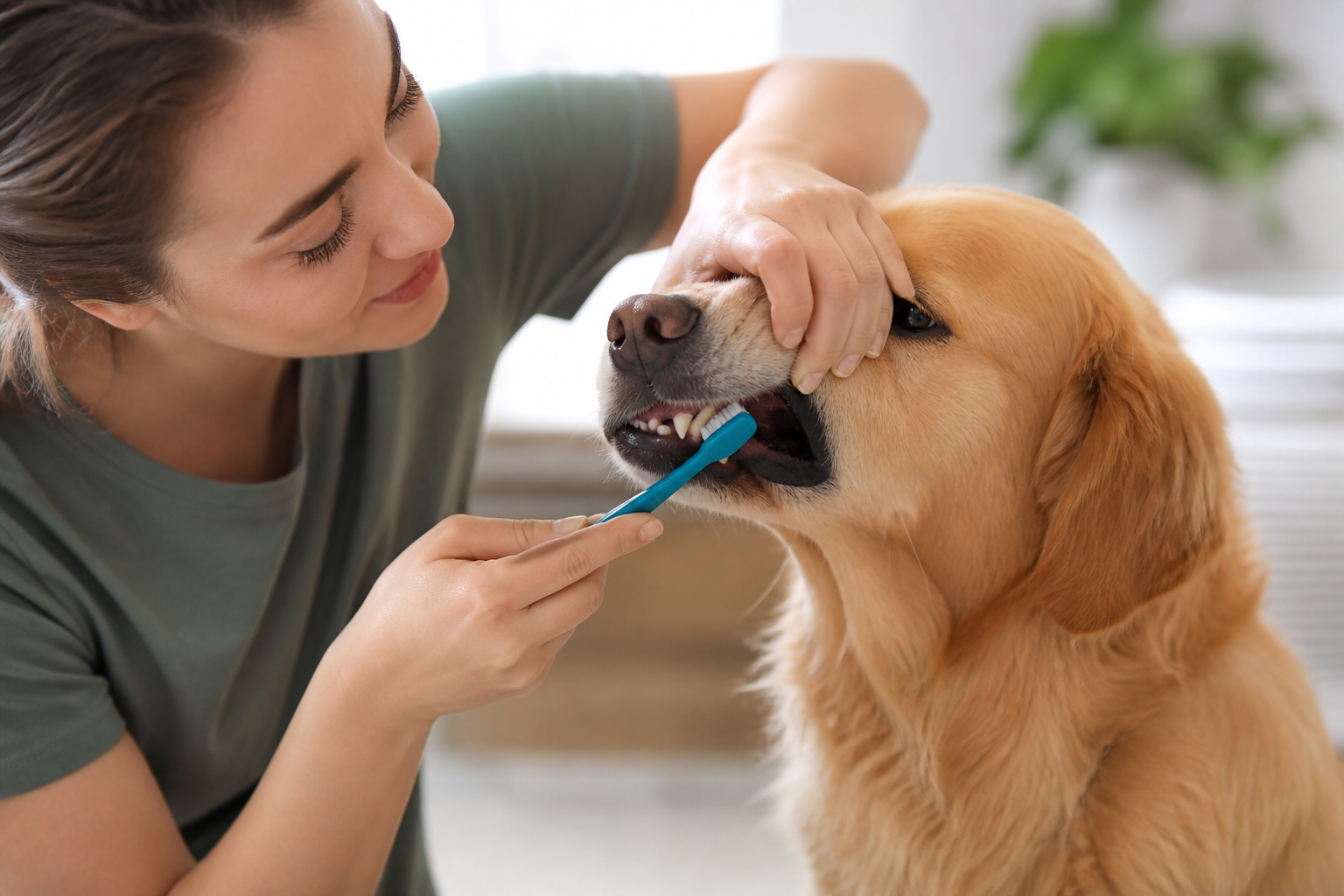
Introduction
You are sitting on the floor playing with your dog when they let out a big yawn. Instead of pearly white teeth, you notice a thick, yellow or brown crust along the gumline. You might also notice that their breath has become noticeably sour lately. This hardened buildup is tartar, and it is a common concern for almost every pet owner at some point. At BaxterBoo, we see many owners looking for ways to manage this at home to keep their dogs comfortable and healthy. This post covers the difference between plaque and tartar, the best at-home cleaning methods, and when it is time to call in the professionals. Understanding how to manage these deposits is the first step toward preventing painful dental disease and ensuring your dog stays happy for years to come.
Quick Answer: Tartar is mineralized plaque that requires professional veterinary scaling for complete removal. At-home care like enzymatic brushing, dental chews, and water additives can soften plaque and prevent new tartar from forming.
Understanding the Difference Between Plaque and Tartar
Many people use the terms plaque and tartar interchangeably. They are actually two different stages of the same problem. Plaque is a sticky, colorless film of bacteria and food particles that constantly forms on the teeth. You can usually wipe plaque away with a soft cloth or a toothbrush. If plaque stays on the tooth for more than 24 to 48 hours, it begins to mix with the minerals in your dog's saliva.
This mixture hardens into tartar, which is also known as dental calculus. Once it reaches this stage, it bonds strongly to the tooth enamel. It feels like rough cement and creates a perfect surface for even more bacteria to grow. While plaque is easy to handle, tartar is much more stubborn. It often requires specific tools and techniques to address effectively. For additional guidance, read our article on the warning signs of bad teeth in dogs.
Why Tartar Is a Health Risk
Tartar is not just a cosmetic issue. It is a biological problem. The rough surface of tartar traps bacteria right against the sensitive gumline. This leads to inflammation, which is known as gingivitis. You might notice your dog's gums looking red or swollen. If the tartar continues to build, the bacteria can move under the gumline.
This progression leads to periodontal disease. This condition destroys the bone and tissue that hold the teeth in place. It can lead to loose teeth, abscesses, and significant pain. In some cases, the bacteria from the mouth can even enter the bloodstream. This can potentially impact the heart, liver, and kidneys. Maintaining clean teeth is a vital part of protecting your dog's internal health.
Key Takeaway: Plaque turns into tartar in as little as two days. Daily intervention is the most effective way to stop this hardening process before it requires medical intervention.
At-Home Methods to Soften and Reduce Tartar
While fully hardened tartar is difficult to remove without professional tools, you can use several methods to soften it. These methods also help remove any remaining soft plaque before it can mineralize. Consistency is the secret to success with any at-home dental routine. You can find brushes, toothpaste, water additives, and other supplies in our dental and breath care collection.
Brushing With Enzymatic Toothpaste
Brushing is the gold standard for canine oral care. However, you should never use human toothpaste. Our toothpaste often contains xylitol, which is toxic to dogs. It also contains foaming agents that can upset a dog's stomach. Instead, use a toothpaste formulated specifically for dogs.
Enzymatic toothpastes are particularly effective. They contain enzymes that chemically break down food particles and bacteria. Even if you cannot brush every single surface perfectly, the enzymes continue to work after you finish. Many brands carried by BaxterBoo offer flavors like poultry or beef to make the experience more enjoyable for your pet. One option is Virbac C.E.T. Enzymatic Pet Toothpaste for Dogs and Cats - Poultry.
Using Coconut Oil as a Natural Aid
Coconut oil has gained popularity as a natural supplement for dogs. It contains lauric acid, which has antimicrobial properties. Some owners find that brushing with coconut oil helps to soothe irritated gums and slow down bacterial growth.
You can apply a small amount of organic, unrefined coconut oil to a finger brush. Gently rub it along the teeth and gums. The oil provides a slight lubricant that can make it harder for plaque to stick. It is also safe for dogs to ingest in small amounts. This makes it a great option for dogs that are still learning to tolerate a toothbrush.
Dental Wipes for Sensitive Dogs
Not every dog is a fan of a toothbrush. If your dog finds the bristles intimidating, dental wipes are a great alternative. These are pre-moistened pads designed to be wrapped around your finger. They allow you to feel exactly where you are cleaning.
Wipes work well for removing the daily film of plaque. They are also useful for cleaning the surface of existing tartar. By rubbing the wipe in a circular motion, you can mechanically wear down some of the softer edges of the buildup. While they do not reach deep into the crevices like a brush, they are much better than no cleaning at all.
The Role of Chewing in Tartar Control
Dogs have a natural urge to chew. We can use this instinct to help keep their teeth clean. Mechanical abrasion is one of the most effective ways to "scrub" the teeth without using a brush. Our guide to the best dental chews for dogs offers more ideas for adding chewing to your dog's routine.
Dental Chews and Sticks
Specific dental chews are designed with unique textures. They often have ridges, bumps, or a porous structure that allows the tooth to sink into the chew. As the dog gnaws, the material scrapes against the surface of the tooth. You can browse our dental treats and chews for dogs to compare options for different sizes and chewing styles.
Many of these products also contain ingredients that help reduce tartar formation. For example, some include hexametaphosphate, which binds to minerals in the saliva. This prevents those minerals from turning plaque into tartar. If you use dental chews, remember to factor the calories into your dog's daily diet to prevent weight gain.
Raw Bones and Natural Chews
Raw bones can be a very effective tool for cleaning teeth. The act of shearing meat and connective tissue off a bone acts like a natural floss. However, you must follow strict safety rules. Never give your dog cooked bones. Cooking makes bones brittle, which causes them to splinter and potentially puncture the digestive tract.
Stick to raw, appropriately sized bones that do not splinter easily. Marrow bones or raw knuckle bones are common choices. Always supervise your dog while they are chewing a bone. If you prefer to avoid raw bones, hard rubber toys with deep grooves can provide a similar scrubbing effect.
Vet Tip: Always choose chews and toys that are appropriate for your dog's size and chewing style. If a chew is too hard, it can actually cause a tooth fracture. If it is too small, it can become a choking hazard. Consult your vet if you are unsure which chews are safe for your specific breed.
Dietary Supplements for Dental Health
Sometimes the best way to fight tartar is from the inside out. Several supplements can change the environment of the mouth to make it less hospitable for bacteria.
Seaweed and Kelp Supplements
A specific type of brown seaweed, often called Ascophyllum nodosum, has been shown to improve oral health in dogs. When ingested, the compounds in the seaweed enter the bloodstream and eventually reach the saliva. These compounds work to soften existing tartar and prevent new plaque from sticking.
You can find these supplements in powder form or as part of dental treats. It is a passive way to improve dental health, making it perfect for busy owners. It often takes a few weeks to see results, but many owners notice that the tartar becomes softer and easier to brush away over time.
Water Additives
Dental water additives are another easy option. These are liquids you add directly to your dog's daily drinking water. They typically contain enzymes or mild antiseptic agents. Every time your dog takes a drink, the solution coats the teeth and gums. This helps to kill bacteria and freshen breath. It is a great supplemental tool to use alongside regular brushing.
When to Seek Professional Veterinary Cleaning
At-home care is mostly about prevention and maintenance. If your dog already has thick, dark brown tartar that covers a large portion of the tooth, a toothbrush will not be enough. At this point, the tartar has essentially become part of the tooth.
The Professional Scaling Process
A veterinarian performs a professional cleaning while the dog is under general anesthesia. This is necessary for several reasons. First, it allows the vet to clean under the gumline, which is where the most dangerous bacteria hide. Second, it allows for a full set of dental X-rays. These images show what is happening with the roots and the bone.
The vet uses an ultrasonic scaler to vibrate the tartar loose. After the tartar is removed, the vet polishes the teeth. Polishing is vital because the scaling process leaves tiny scratches on the enamel. Without polishing, those scratches would trap plaque even faster than before.
Managing Ongoing Health Issues
If your dog is dealing with recurring dental infections or advanced periodontal disease, they may need more than just a cleaning. Our pet pharmacy carries a variety of FDA-approved medications and prescription diets through our partnership with Pet's Choice. This includes prescription-only dental foods designed to scrub teeth as the dog eats. If your vet recommends a specific medicated mouthwash or an antibiotic for a dental abscess, you can often find these through our pharmacy services.
Note: Professional cleanings are a medical procedure. Your vet will likely perform blood work beforehand to ensure your dog is a good candidate for anesthesia. This is a standard safety precaution for pets of all ages.
Comparing Common At-Home Dental Tools
| Tool Type | Primary Benefit | Effort Level | Best For |
|---|---|---|---|
| Enzymatic Brush | Deep cleaning & bacterial control | High | Total plaque prevention |
| Dental Wipes | Easy mechanical removal | Medium | Dogs that dislike brushes |
| Dental Chews | Mechanical scrubbing & enjoyment | Low | Supplementing daily care |
| Water Additives | Breath freshening & biofilm control | Very Low | Passive maintenance |
| Seaweed Powder | Softens existing tartar over time | Very Low | Breaking down hard deposits |
How to Introduce a Brushing Routine
If your dog is not used to having their mouth touched, you cannot start with a full brushing session on day one. You need to build trust and comfort slowly.
Step 1: Get them used to touch. / For several days, simply lift your dog's lips and touch their teeth with your finger. Offer a small treat or praise immediately after.
Step 2: Introduce the flavor. / Put a small dab of dog-specific toothpaste on your finger. Let your dog lick it off so they associate the flavor with something positive.
Step 3: Try a finger brush. / Use a soft finger brush or a piece of gauze. Rub one or two teeth gently in a circular motion. Do not try to do the whole mouth yet.
Step 4: Gradually increase the time. / Slowly work your way to the back molars. These are the teeth that usually have the most tartar buildup. Aim for a total of two minutes of brushing.
Bottom line: A short, positive brushing session every day is much better than a long, stressful session once a month.
Managing Senior Dog Dental Needs
As dogs age, their dental needs often become more complex. Senior dogs are more likely to have existing tartar and may have sensitive gums. They might also be managing other health conditions that make oral health even more critical.
For older dogs, look for softer dental chews that will not break brittle teeth. You might also want to switch to a softer toothbrush. If your senior dog has stopped eating or seems to be dropping food, this is a major red flag for dental pain. Do not assume they are just "getting old." Often, a professional cleaning can give a senior dog a whole new lease on life by removing a source of chronic pain.
If your senior dog is on multiple medications, talk to your vet about how a dental procedure might fit into their care plan. Our pharmacy offers many medications for chronic conditions, and keeping your dog's mouth clean can help reduce the overall inflammatory load on their body.
Preventing Future Tartar Buildup
Once you have managed the existing tartar, your focus should shift to prevention. The goal is to keep the teeth as smooth as possible so plaque has nowhere to hide.
- Stick to a Schedule: Try to brush at the same time every day, such as after the final walk of the evening.
- Use Multiple Tools: Do not rely on just one thing. Combine brushing with dental chews and a water additive for the best results.
- Monitor the Gums: Check your dog's mouth weekly. Look for new redness or any brown spots appearing on the teeth.
- Regular Vet Checkups: Have your vet look at your dog's teeth at least once a year. They can spot problems in the back of the mouth that you might miss.
Our MVP Rewards program is a great way to save on the supplies you need for this long-term care. You can earn points on every purchase of toothpaste, brushes, and chews. This makes it easier to stay consistent with your dog's dental routine without breaking the budget.
Conclusion
Cleaning tartar from your dog's teeth requires a mix of daily effort and professional guidance. While you can use enzymatic toothpastes, wipes, and seaweed supplements to soften and prevent buildup, professional scaling is the only way to safely remove heavy calculus. Ignoring tartar can lead to painful gum disease and systemic health issues, so staying proactive is essential. By establishing a routine that includes mechanical brushing and high-quality chews, you can protect your dog’s smile for a lifetime.
- Start a daily brushing routine with dog-safe enzymatic toothpaste.
- Incorporate textured dental chews to help scrape away daily plaque.
- Use water additives or seaweed supplements for passive tartar control.
- Schedule annual veterinary exams to catch dental disease early.
Key Takeaway: Consistent at-home care is the best way to extend the time between professional cleanings and prevent oral pain.
For all your dental care supplies, visit our dental care category to find top-rated brushes, pastes, and treats. If your vet has prescribed a specific dental diet or medication, check out our dog pharmacy for convenient home delivery through our partnership with Pet's Choice.
FAQ
Can I scrape tartar off my dog's teeth at home with a metal tool?
You should never use metal scrapers or "scales" on your dog's teeth at home. These tools can easily slip and cause deep gashes in the gums or damage the delicate enamel of the teeth. Furthermore, scraping only removes the tartar you can see, leaving behind the dangerous bacteria under the gumline where periodontal disease actually starts.
Does dry kibble really clean a dog's teeth?
While some people believe dry kibble scrapes teeth clean, most standard kibble is too small and brittle to provide much benefit. Most dogs swallow kibble whole or it shatters instantly upon contact with the tooth. For a diet to truly help with tartar, it needs to be a specific dental formula with a larger, fibrous structure that forces the dog to chew.
How often should I brush my dog's teeth to prevent tartar?
Veterinarians recommend brushing your dog's teeth every single day. Since plaque can begin to mineralize into tartar within 24 to 48 hours, daily brushing is the only way to ensure you are removing the film before it hardens. If daily brushing is not possible, aim for at least three times per week to significantly reduce the rate of buildup.
My dog has very bad breath; is that always caused by tartar?
While tartar and the resulting bacteria are the most common causes of bad breath, it is not the only possibility. Foul odors can also be linked to tooth abscesses, oral tumors, or even internal issues like kidney or liver disease. If your dog has persistent, severe bad breath despite regular cleaning, you should consult your veterinarian for a full physical examination.






