
 Save 15% on your 1st Autoship learn more

 Email us
 Live Chat
 FAQs
FAQs





Introduction
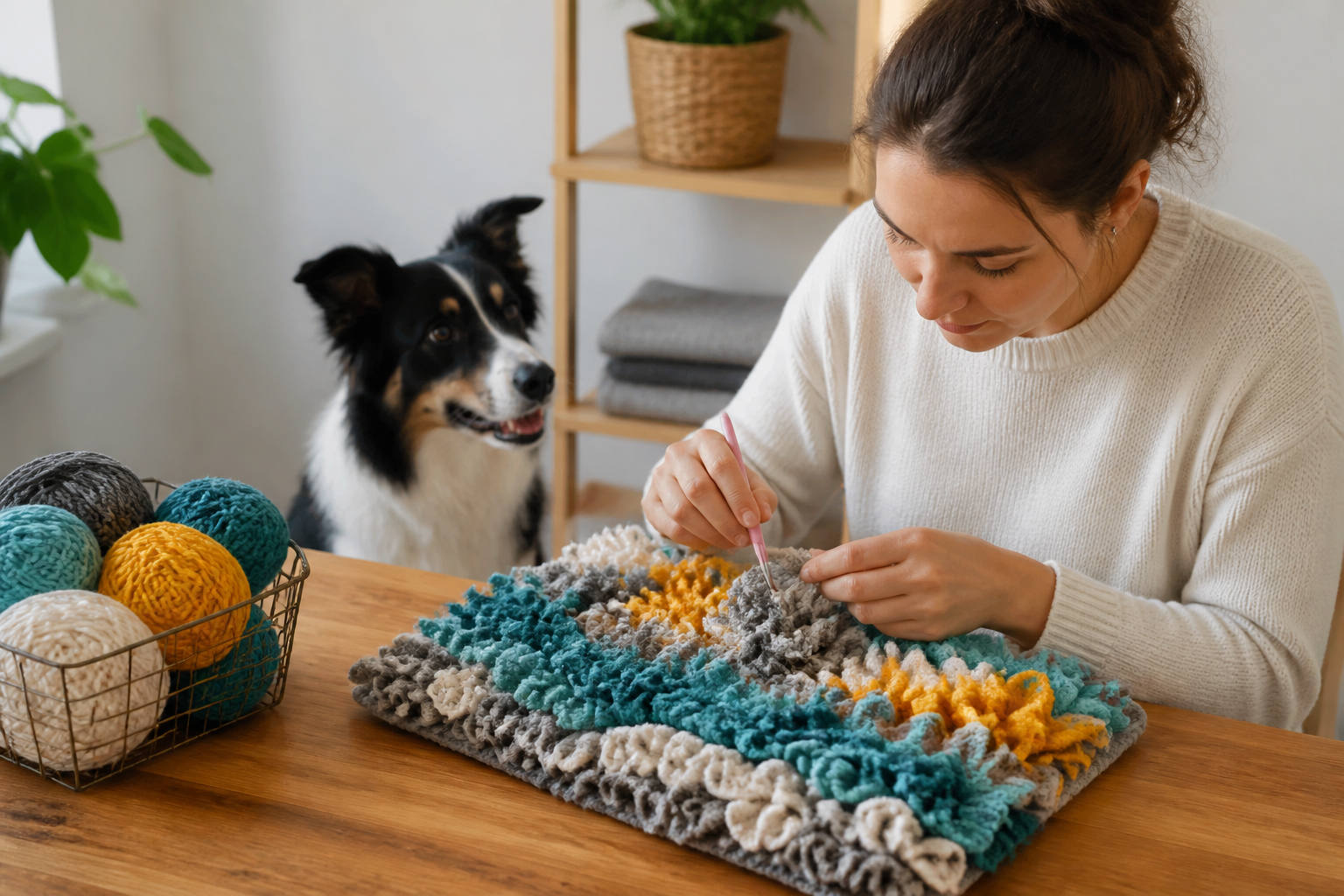
Your dog just finished their dinner in roughly six seconds. Now they are pacing the living room, nudging your elbow, or looking for a shoe to chew. This restlessness often stems from a lack of mental stimulation rather than a lack of physical exercise. A crochet snuffle mat is an excellent tool to engage your dog's most powerful sense: their nose. At BaxterBoo, we believe that enrichment should be both practical and durable for everyday use. This article provides a comprehensive guide to creating a handmade snuffle mat using crochet techniques. We will cover the specific materials needed to withstand enthusiastic sniffers and provide a step by step look at the construction process. By the end, you will have the knowledge to build a custom enrichment toy that helps slow down fast eaters and calms anxious minds.
Why Your Dog Needs a Snuffle Mat
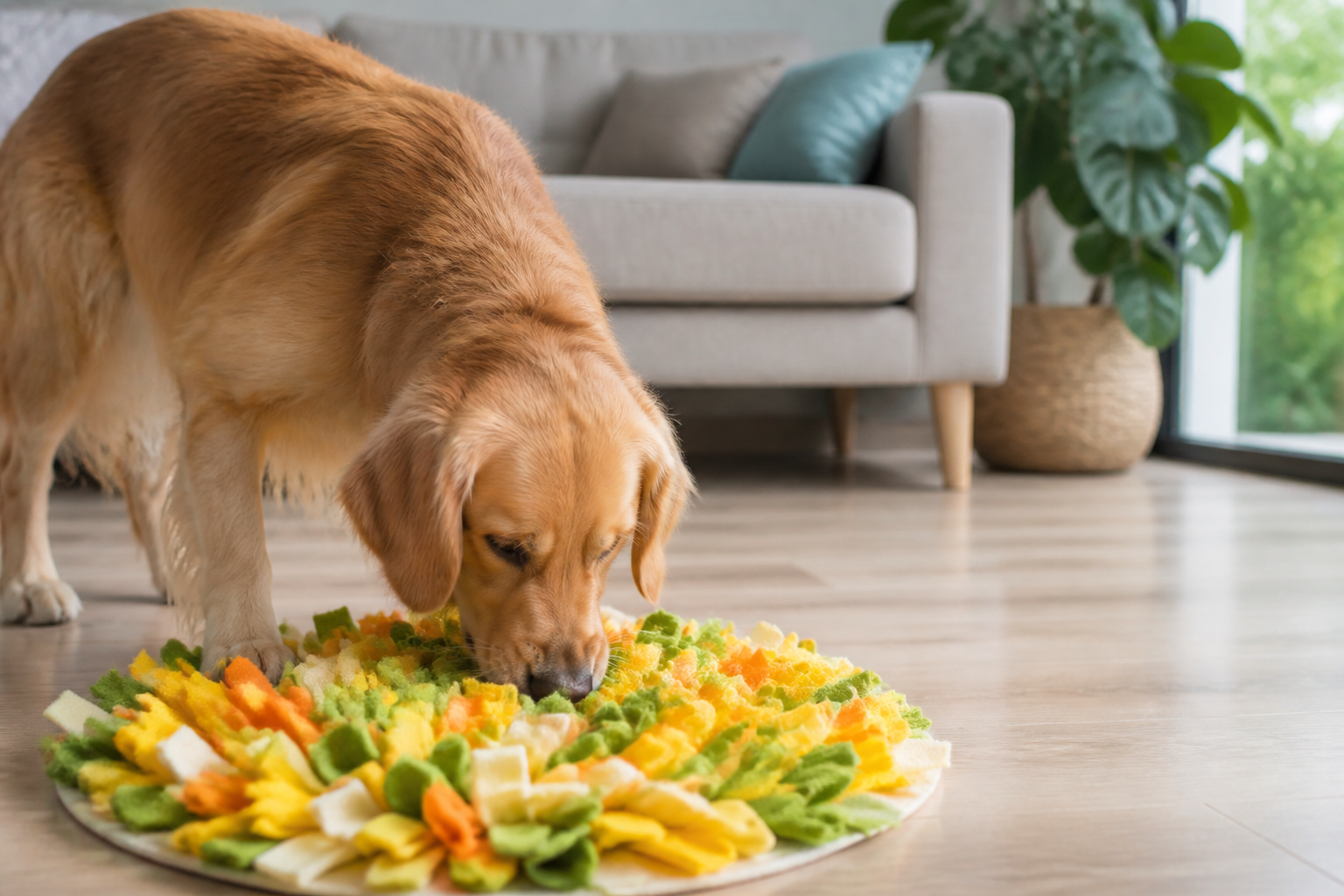
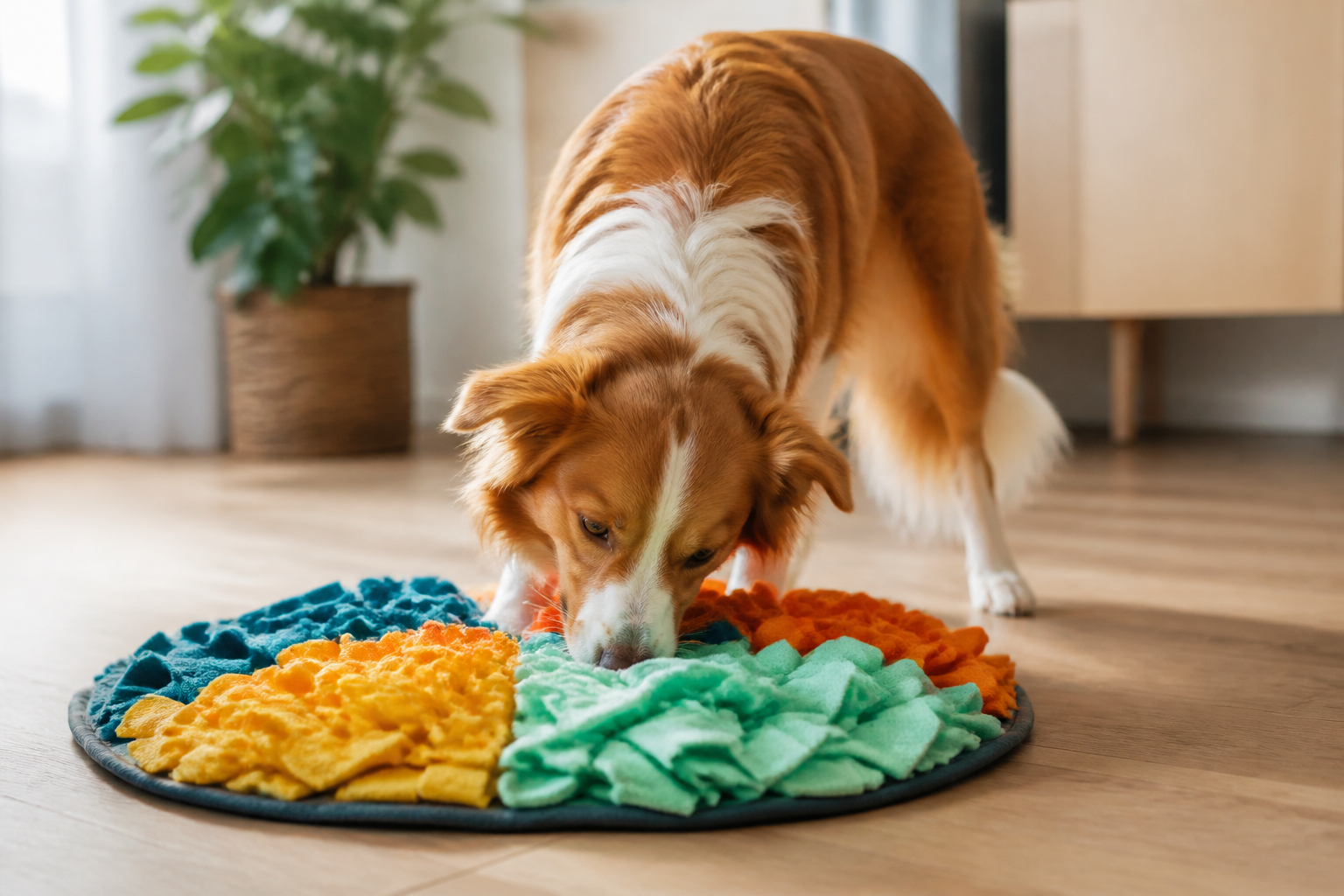
Dogs perceive the world primarily through scent. While a walk provides physical movement, the act of sniffing provides mental decompression. A snuffle mat mimics the natural foraging behavior of searching through grass for food. This activity is often called nose work. It forces a dog to use their brain to solve a problem. For many dogs, fifteen minutes of focused sniffing can be as tiring as an hour-long walk. For more ways to engage your dog’s mind, explore brain games and scent-based activities for dogs.
Many owners use snuffle mats to solve specific behavioral challenges. If your dog suffers from separation anxiety, giving them a loaded mat as you leave can create a positive association with your departure. It keeps their focus on a rewarding task rather than on your absence. For high energy puppies, it provides a quiet activity that burns off steam without overstimulating them physically.
Quick Answer: A crochet snuffle mat is a handmade enrichment toy that uses textured yarn ruffles to hide dry kibble or treats. It encourages natural foraging behaviors, slows down fast eaters, and provides significant mental stimulation for dogs of all ages.
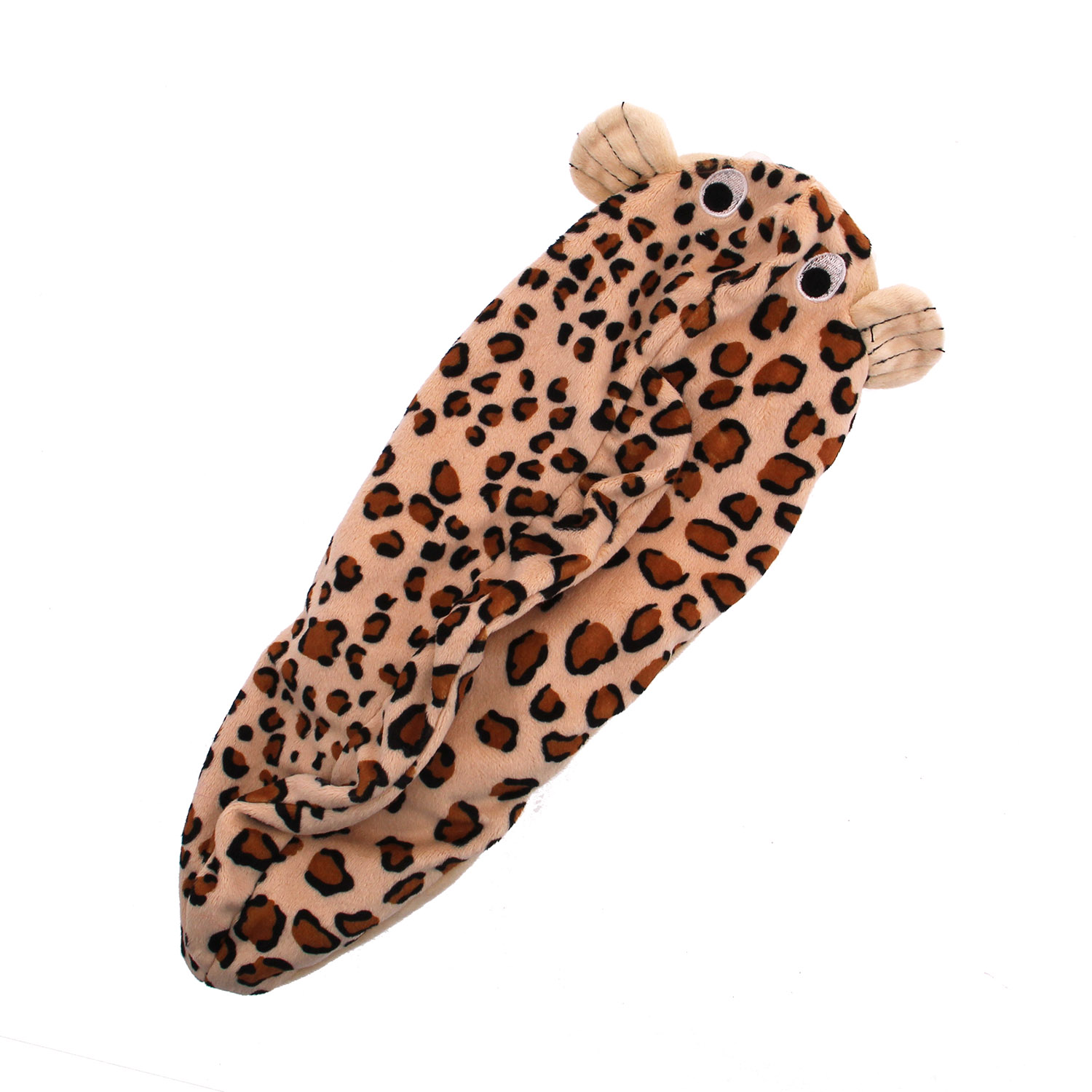
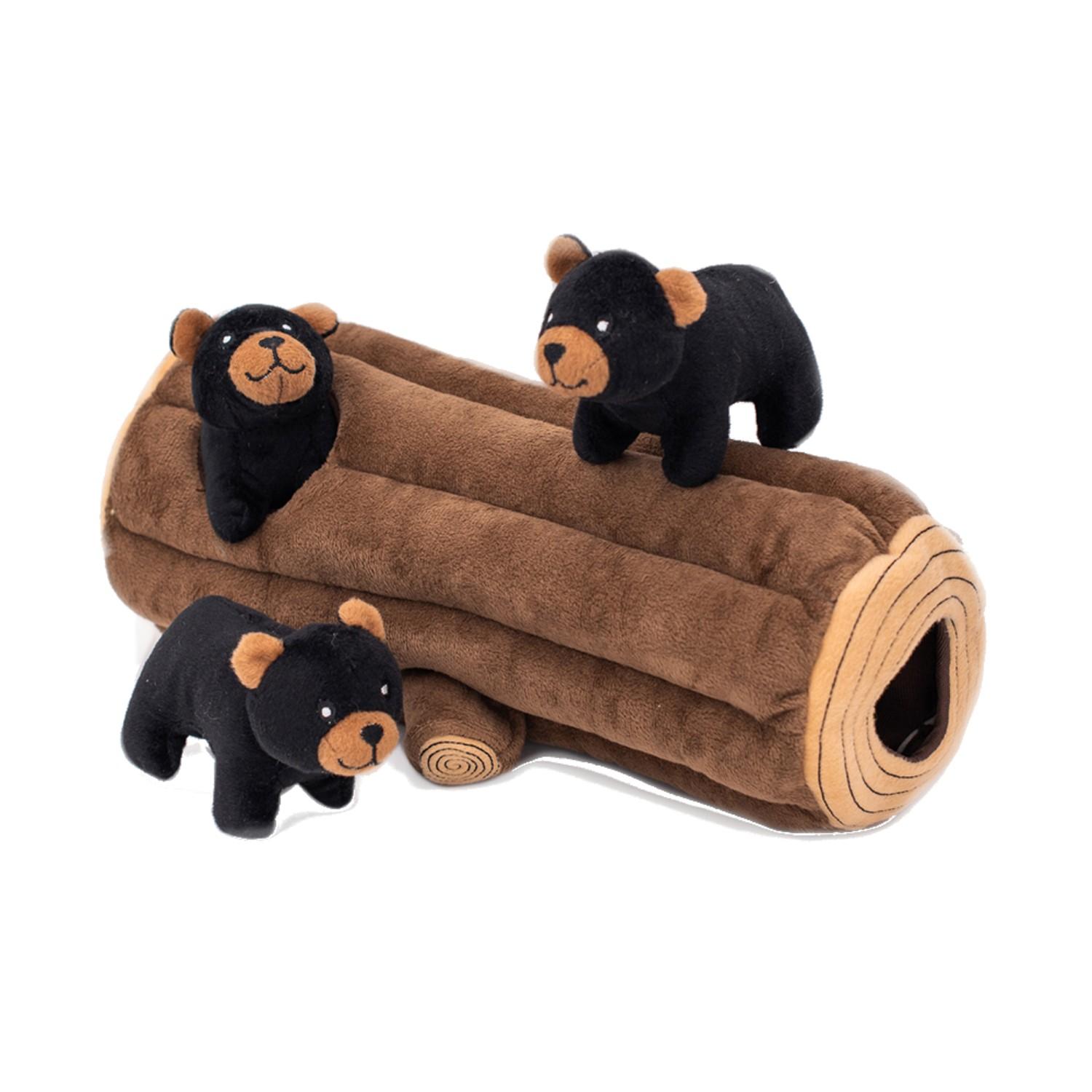
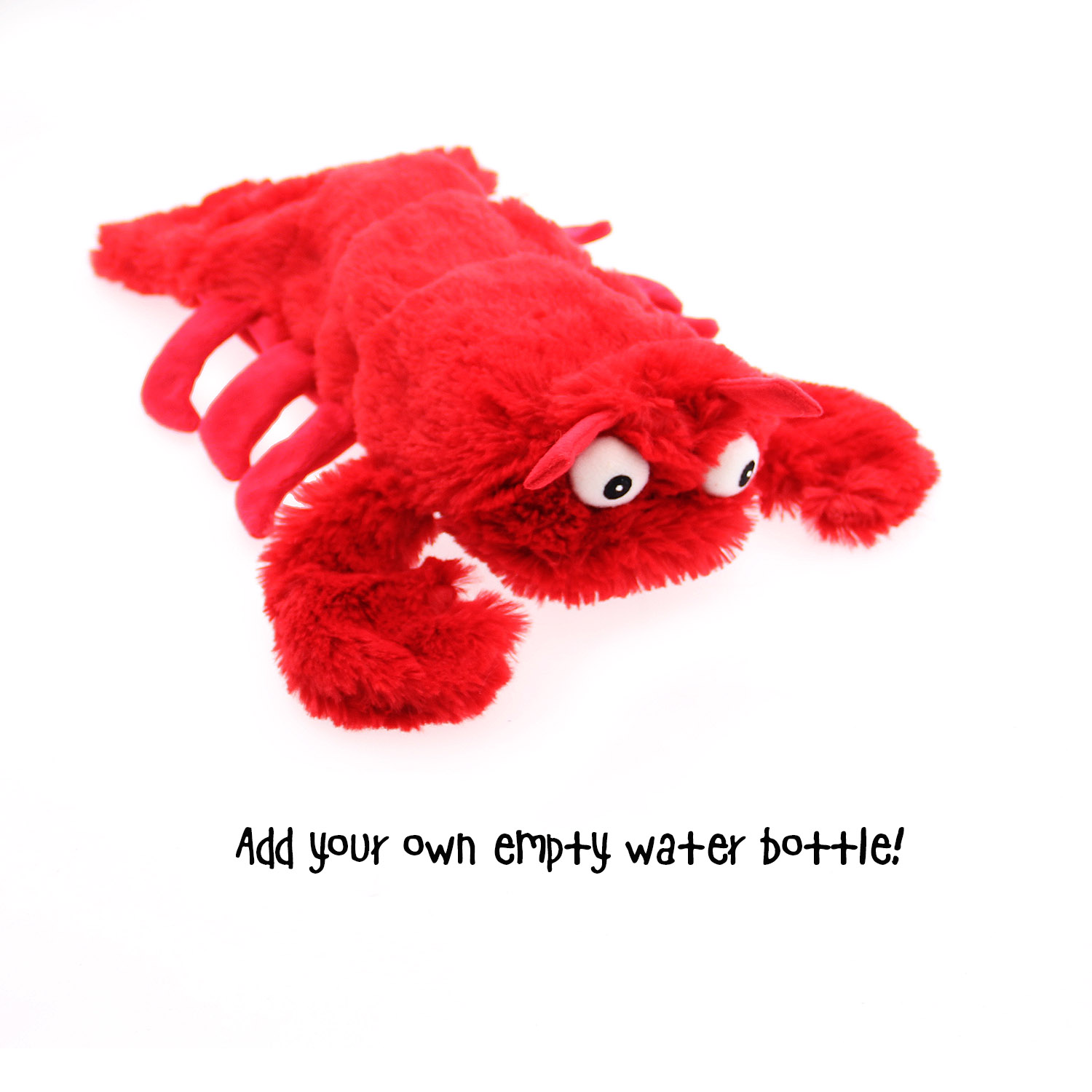
Interactive and Treat Dog Toys







The Benefits of a Crochet Version
You may have seen snuffle mats made from strips of fleece tied to plastic sink mats. While those are popular, a crochet snuffle mat offers several advantages. First, durability is much higher. A motivated dog can easily pull fleece strips out of a plastic grid. In a crochet mat, the ruffles are worked directly into a sturdy fabric base. This makes it much harder for a dog to dismantle the toy.
Second, crochet mats are easier to clean. Traditional fleece mats can become heavy and lumpy in the washing machine. A crochet mat made from the right yarn maintains its shape and dries more evenly. You can also customize the texture. By using different stitches, you can create varying levels of difficulty for your dog. A tighter "wiggle" crochet stitch makes the treats harder to find, while a looser stitch is better for beginners or senior dogs. For another take on DIY foraging activities, see indoor enrichment ideas for pets.
Selecting the Best Yarn for Pet Projects
The success of your crochet snuffle mat pattern depends heavily on the yarn you choose. You cannot use standard delicate wool or thin acrylic for this project. It must be rugged, washable, and safe.
T-Shirt Yarn or Cotton Jersey
This is often the top choice for pet toys. T-shirt yarn is made from recycled cotton fabric. It is chunky, slightly stretchy, and very soft on a dog's nose. Because it is a continuous strip of fabric, it does not fray easily. If a dog accidentally nips the mat while searching for a treat, the fabric remains intact.
Chunky Cotton Blends
Look for yarns specifically labeled as "home dec" or "outdoor" yarns. These often have a nylon or polyester core wrapped in cotton. They provide excellent structure. The ruffles will stand up on their own rather than flopping over. This is important because standing ruffles create better hiding spots for kibble.
Safety First with Materials
Avoid yarns with long fibers, such as mohair or faux fur. These can be easily inhaled or swallowed by a dog. You should also avoid yarns with glitter or metallic threads. Stick to natural fibers or high quality synthetics that can survive high heat in a dryer.
Key Takeaway: Choose a heavy, non-fraying yarn like t-shirt yarn or a cotton tube yarn. This ensures the mat is machine washable and safe for your dog to nuzzle for extended periods.
Essential Tools for Your Crochet Project
Before you begin your crochet snuffle mat pattern, gather the right tools. Because you are working with bulky yarn, you will need larger equipment than a standard sweater project.
- Large Crochet Hook: Most chunky yarns require a hook size between 9mm and 12mm (M/N or P). Using a hook that is slightly too large for the yarn can actually make the "wiggles" more flexible and easier for the dog to navigate.
- Sturdy Scissors: Cutting through thick cotton or jersey yarn requires sharp fabric scissors.
- Large Eye Tapestry Needle: You will need this to weave in your ends securely. In a pet toy, weaving in ends is a safety step to prevent the project from unraveling during play.
- Stitch Markers: These help you keep track of your rows on the base, as chunky yarn can sometimes make it difficult to see individual stitches.
Understanding the Wiggle Crochet Technique
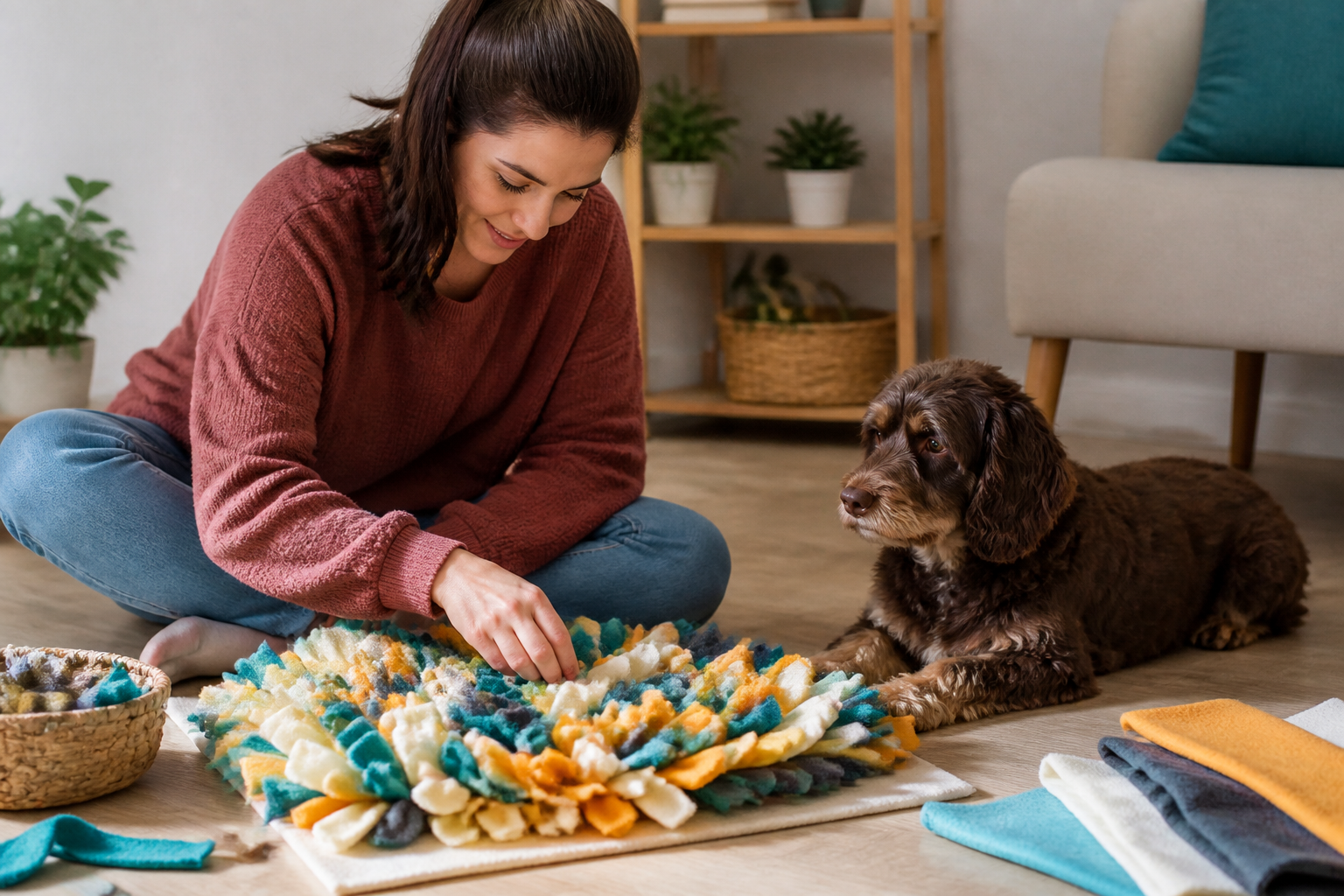
The most effective crochet snuffle mat pattern uses a technique called "wiggle crochet" or surface crochet on a mesh base. Instead of just making a flat rug, you are building a three dimensional landscape.
Step 1: Create a mesh base. This is a simple grid of double crochet stitches separated by chains. It looks like a net. This base serves as the foundation for your "grass."
Step 2: Work the ruffles. Once the base is finished, you do not turn your work in the traditional sense. Instead, you join your yarn to the posts of the double crochet stitches. You then work multiple stitches around each post. This causes the fabric to bunch up and "wiggle."
Step 3: Fill the grid. You can work your wiggles in straight lines, circles, or even a zig-zag pattern across the grid. The more wiggles you add, the denser the mat becomes. A dense mat is great for small treats, while a sparser mat works better for larger kibble.
Step by Step Guide to Construction
Follow these steps to create a standard rectangular mat. This size is usually around 12 inches by 18 inches, which is perfect for most medium-sized dogs.
Creating the Base
Start by chaining a multiple of two plus four. For a 12-inch mat, this is usually about 30 to 40 chains depending on your yarn weight. In the fourth chain from the hook, work a double crochet. Chain one, skip one chain, and work a double crochet in the next. Repeat this across the row. This creates your first row of the "mesh." Continue until the base is the desired length.
Adding the Texture
Join your yarn to any corner post of the mesh. Work three or four double crochet stitches around that single vertical post. Then, move to the horizontal chain space and work another three or four double crochet stitches. By working several stitches into every available space on the grid, you create a ruffled surface that stands up.
Finishing Touches
Once you have covered the entire grid with ruffles, tie off your yarn. Use your tapestry needle to weave the tail through the thickest part of the ruffles. Do not just tuck it in. Go back and forth three times to ensure it is locked in place. Dogs can be quite rough with their noses, and a loose tail is an invitation to pull and unravel the whole mat.
Vet Tip: While enrichment is vital for mental health, keep an eye on your dog's weight. If you use a snuffle mat daily, subtract the calories of the treats used in the mat from their main meals. For dogs with specific dietary needs, consult your veterinarian about suitable food options.
Training Your Dog to Use the Mat
Some dogs understand the snuffle mat immediately. Others may be confused by the fabric or even a little intimidated by the texture. You want to make the first experience very easy and highly rewarding. You can also browse dog treats for ideas to use during training.
Start by placing a few high-value treats directly on top of the ruffles. Let your dog see you put them there. Once they eat those, place the next few slightly deeper into the "grass." Encourage them with a "find it" cue. If your dog starts to bite or pull at the mat, gently interrupt them and point to a hidden treat. You want them to use their nose, not their teeth.
As they become more proficient, you can start using their regular dry kibble. This turns mealtime into a twenty-minute activity instead of a ten-second gulp. This is particularly beneficial for breeds prone to bloat or digestive upset from eating too quickly. If your dog has a history of severe digestive issues or rapid eating, consult your veterinarian for a long-term management plan.
Safety and Maintenance for Crochet Toys
No pet toy is truly indestructible. Even a well-made crochet snuffle mat requires supervision. If your dog is a known "destuffing" expert or likes to eat fabric, only allow them to use the mat under your direct watch. Remove the mat once all the treats have been found. This prevents the dog from getting bored and deciding to chew the mat itself. You can find more dog toys for play and enrichment to complement supervised activities.
Cleaning is straightforward for most cotton-based mats.
- Shake the mat outside to remove any crumbs or hair.
- Place the mat in a mesh laundry bag. This protects the ruffles and prevents the yarn from snagging on the washing machine agitator.
- Wash on a cold, gentle cycle with a pet-safe, scent-free detergent.
- Tumble dry on low heat or air dry. Making sure the center of the mat is completely dry is essential to prevent mildew.
Bottom line: Regular inspection and proper cleaning will extend the life of your handmade mat and keep it safe for your pet.
Customizing Your Snuffle Mat Pattern
One of the best things about making your own mat is the ability to customize it for your specific pet. Not all dogs sniff the same way.
For Senior Dogs
Older dogs may have stiff joints or declining vision. A snuffle mat allows them to stay mentally sharp without needing to move around much. For these dogs, use a softer yarn and leave more space between the ruffles. This makes the treats easier to access without causing frustration.
For Cats
Cats also enjoy foraging. A cat version of the mat should be smaller and use a thinner, softer cotton yarn. You can hide dried catnip or small pieces of freeze-dried meat inside. Cats often use their paws to "fish" the treats out, which is great exercise for their front legs and claws. For more feline activity ideas, read about brain games for cats.
For Advanced Sniffers
If your dog is a pro, you can add "pockets" to your mat. During the base construction, crochet a small solid square and sew it onto the mesh. This creates a spot where the dog has to nudge a flap over to find the reward. You can also mix different yarn textures in one mat to provide a variety of sensory inputs.
Managing Anxiety with Enrichment
Many owners search for a crochet snuffle mat pattern because they are looking for ways to calm a nervous pet. High-energy breeds or dogs with noise phobias often benefit from having a "job" to do. Focusing on scent work can lower a dog's heart rate and help them self-soothe. For other enrichment options, see calming toys and activities for dogs.
However, a snuffle mat is just one part of a behavioral health plan. If your dog experiences severe anxiety during storms, travel, or vet visits, enrichment toys may not be enough on their own. We recommend speaking with your veterinarian about comprehensive care.
The Role of Enrichment in Life Stages
Enrichment needs change as your pet grows. A puppy uses a snuffle mat to learn focus and patience. It helps them develop the ability to work for their food, which is a foundational skill for further training. During the teenage months, when many dogs become "selectively deaf" to commands, the mat provides a reliable way to burn off mental energy that might otherwise be spent digging in the yard.
For adult dogs, the mat is a maintenance tool for weight and behavior. For seniors, it is a vital part of cognitive health. Research suggests that keeping a senior dog's brain active can help slow the symptoms of canine cognitive dysfunction. Making a custom mat for a senior pet is a wonderful way to show them extra care in their golden years. If you’re looking for more ideas to keep dogs engaged, explore dog boredom busters.
Key Takeaway: Adapt the density and size of your crochet mat to your dog's life stage, ensuring it remains a rewarding challenge rather than a source of frustration.
Conclusion
Creating a crochet snuffle mat is a rewarding project that provides long-term benefits for your pet. By choosing durable materials and using the wiggle crochet technique, you can build a toy that is safer and more long-lasting than many store-bought options. These mats are essential for slowing down fast eaters, providing mental stimulation, and helping manage mild anxiety. At BaxterBoo, we love seeing owners take an active role in their pet's wellness through handmade solutions and high-quality gear. Once your mat is finished, you can find a wide variety of healthy, dry treats and kibble on our website to keep the foraging fun going.
- Choose high-quality, washable t-shirt yarn for the best results.
- Supervise your pet during use to ensure they do not chew the fabric.
- Incorporate the mat into a daily routine to provide consistent mental exercise.
- Check out our MVP Rewards program to earn points on the treats and supplies you use to fill your new mat.
Bottom line: A handmade snuffle mat is a simple but powerful way to improve your dog's quality of life through the power of scent.
FAQ
What is the best yarn for a crochet snuffle mat?
The best yarn is a bulky, non-fraying material like t-shirt yarn or a cotton-jersey blend. These materials are soft on your dog's nose but strong enough to handle repeated sniffing and machine washing. Avoid any yarn with long fibers or loose threads that could be swallowed or inhaled by your pet.
Is a crochet snuffle mat safe for all dogs?
Most dogs can safely use a snuffle mat, but those who are heavy chewers should always be supervised. If your dog tries to eat the yarn or the base of the mat instead of looking for treats, remove the toy and try again later with higher-value rewards. Always inspect the mat for loose ends or damage before each use.
How do I clean a handmade crochet snuffle mat?
You should wash your mat every week or two, depending on how much your dog drools. Shake out any loose crumbs first, then place the mat in a mesh laundry bag. Wash on a gentle, cold cycle with unscented detergent and tumble dry on low or air dry to ensure the center is completely dry.
Can I use a snuffle mat for my dog's regular meals?
Yes, using a snuffle mat for meals is a great way to help dogs who eat too fast. Instead of using treats, simply sprinkle their measured portion of dry kibble into the ruffles. This can help prevent digestive upset and provides your dog with a productive way to spend their energy during the day.


- Site & Contents BaxterBoo.com. BaxterBoo is located in the United States.
- Privacy & Security
- Terms of Use
- Accessibility Statement
