Save 15% on your 1st Autoship learn more

 Email us
 Live Chat
 FAQs
FAQs





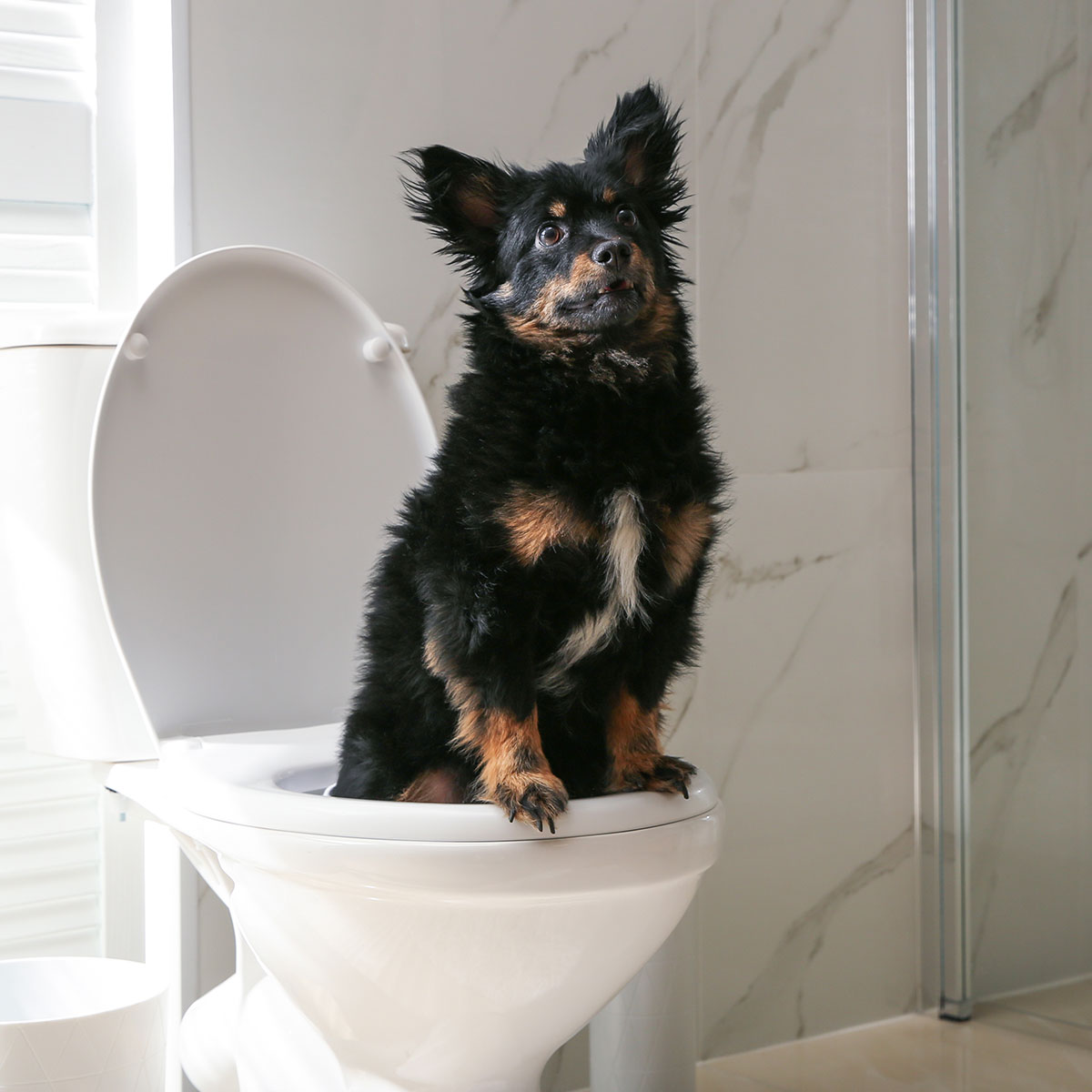
While the idea of potty training a new puppy might seem simple enough, even to new pet owners, the responsibility can often be more challenging than one would expect. After all, not every breed or individual puppy is the same, and there is plenty of misguided advice out there that can inevitably confuse you, or even steer you in the wrong direction completely. Though there may be some useful hints to pick up here and there from your peers, here are the most important and effective methods for potty training that can ultimately help you and your new furry friend learn together in a healthy, positive way.
Set Up a Consistent Routine
Puppies are undeniably a little hard to maintain, as they're always curious about their surroundings and the people that they encounter. However, it's crucial to start setting up clear routines as early as possible in order to make the training stick in their minds before it's too late. In order to create an efficient potty plan, you need to first consider the age of your puppy. The younger he is, the more frequently he's going to need to be taken out to use the bathroom, as he'll have very little control over his bladder at this stage of life. Therefore, it's vital to always be in a position to take him outdoors when need be, or to have a potty pad or training tray set up indoors for times when you can't be there. Be sure to start conditioning him to use the potty during normal, daily activities, such as after waking up in the morning, after nap time, before going to bed at night or after excitable playtime. Moreover, it can be additionally helpful to plan your potty breaks around your pooch's mealtimes, as well. This helps reinforce both routines, helping your house-training process overall. Starting with three small meals a day while he's only a few months old and gradually minimizing to two as he grows older is an efficient means of letting your dog know how long to hold his bladder, and when he'll normally get the chance to go.
Put a Limitation On Roaming
Another essential factor of basic house-training that tends to coincide swimmingly with potty training is the use of a crate . This gives your growing pooch a place to rest during the day and sleeps at night while he's in the early stages of development. Not only does crate training create a safe haven for your little guy to return to day after day, but it presents itself as a useful tool for keeping your pup from roaming around the home, potentially leaving potty messes in his wake. Dogs are known to not want to soil their living spaces, even if they want to mark other areas in the home , so leaving your puppy in his crate for certain lengths of time reinforces the idea of holding his bladder until the next potty break. Again, it's best to start small with only short periods of time in the crate, gradually lengthening the period of time as he ages and gets more familiar with the process. After all, your new furry friend deserves plenty of play and socializing time with you outside the crate as well, so plan accordingly so he gets the best of both worlds.
Use The Same Verbal Cues Repeatedly
Dogs often learn best when they can associate certain acts with verbal cues, and using them during potty training is generally a surefire way to guarantee the process is a success. As with every other method of potty training, the trick is consistency, and teaching your pup to respond to one or two regular verbal words or phrases becomes a clear signal that he will associate with eliminating waste. Determine your word or phrase and have everyone in the house use the same one over time to make it familiar. Choosing cues like "Outside!" or simply "Let's go potty!" signals that it's time for his potty break, and showing him his harness and leash on the way out the door can work as a visual cue as well. Despite always trying to maintain an outdoor system of potty training, using potty pads indoors might occasionally be confusing. Therefore, accidents are bound to occur , especially during the earliest months, and this behavior shouldn't be considered abnormal or bad in any way. Stopping him in his tracks by saying commands such as "No!" or "Stop" can startle him into paying attention enough to get him outside or on his pad before he goes to the bathroom . However, avoid resorting to shouting or yelling as an option for a healthy training method, as this can just seem like a punishment to your pup, and it might disrupt your training altogether.
Shower Him in Praise and Rewards
It's crucial to the potty training process (and to most house-training processes) to always promote positive reinforcement over punishment. This means offering your dog plenty of delicious treats and fun toys as a reward for his good behavior when he listens to your commands or taking them away as a result of bad behavior. Providing gifts and praise makes the activity a pleasant one for your pup, making him want to keep up the routine for the long term.
When it comes to potty training your puppy, there's no one answer that everyone agrees on. However, learning and utilizing these proven methods at the beginning of your new pet-owning adventure is a great start, hopefully resulting in a happy, healthy environment for the whole family.