
 Save 15% on your 1st Autoship learn more

 Email us
 Live Chat
 FAQs
FAQs





Introduction
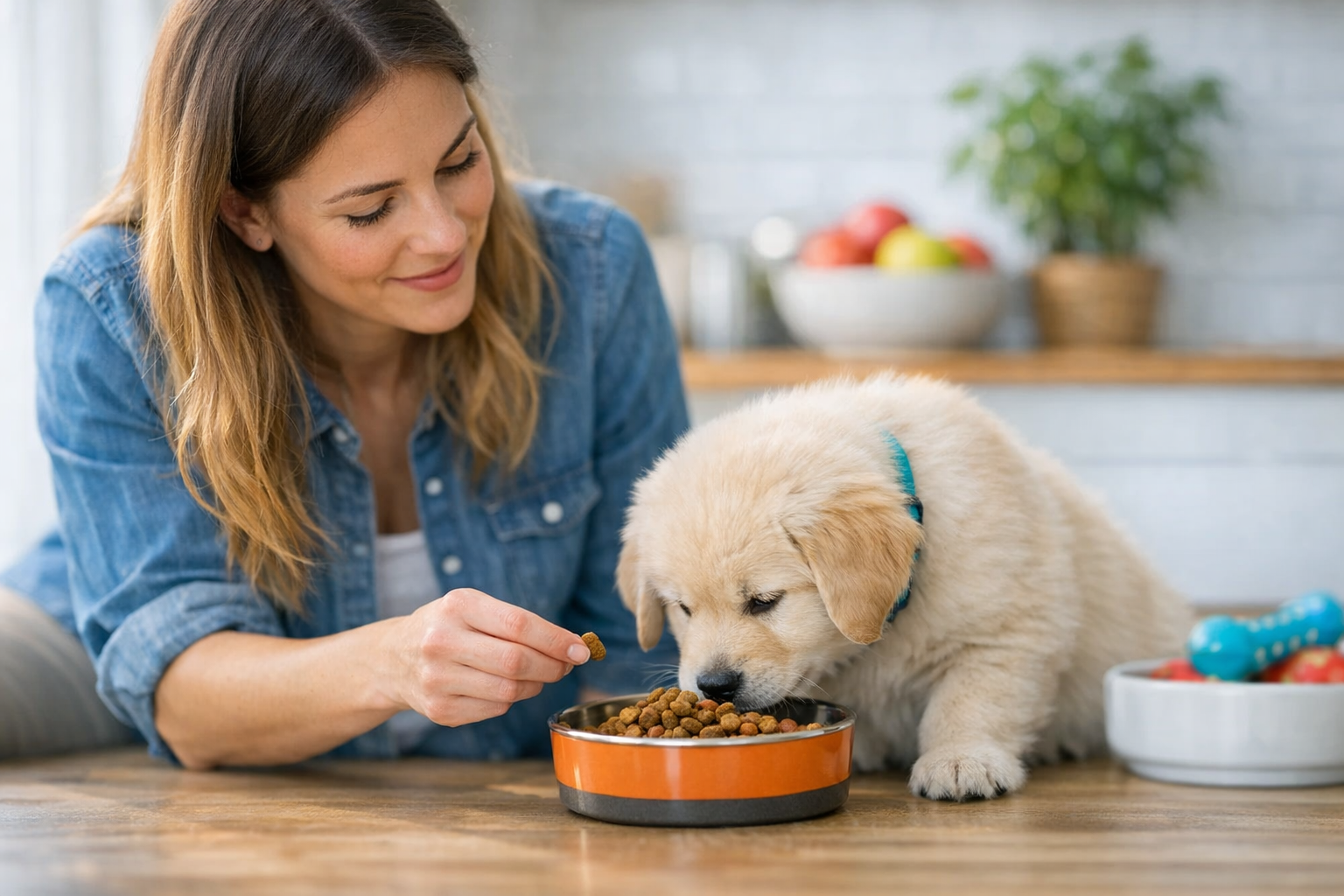
You set down the bowl and your puppy gives it a quick sniff before walking away. This is a common frustration for many new pet parents. At BaxterBoo, we know that getting a young dog to transition to hard kibble takes a lot of patience. Whether they are currently teething or just have a strong preference for softer textures, there are several ways to make dry food more appealing. This guide covers why puppies refuse kibble and how you can help them enjoy their meals. By understanding their physical needs and natural instincts, you can turn mealtime into a success. We want to help you build a healthy routine that ensures your puppy gets the nutrition they need to grow.
Rule Out Physical Discomfort First
The first step in solving any eating issue is to check if your puppy is physically able to eat comfortably. Puppies go through massive physical changes in their first year. These changes can make hard kibble feel like a chore rather than a treat. If a puppy who usually eats well suddenly stops, it might be more than just pickiness.
The Teething Phase
Puppies begin losing their baby teeth and growing adult teeth between three and six months of age. This process causes significant gum soreness and inflammation. Imagine trying to eat a bowl of crunchy pretzels when you have a toothache. Most puppies will naturally avoid hard textures during this time. You may notice your puppy chewing on furniture or toys more frequently but avoiding their food bowl.
Weaning Complications
Most puppies transition to their new homes between eight and twelve weeks of age. If they were moved away from their mother too early, they might not be fully weaned. They may still be looking for liquid or very soft nutrition. If your puppy is under eight weeks old, they might literally struggle to crunch through standard puppy kibble. For very young pups, our milk replacer category can help you compare supportive options.
Mouth and Dental Health
Check your puppy's mouth for any redness or bleeding. Sometimes a piece of a toy or a stick can get lodged in the gums. This makes eating painful. If you notice any foul odors or persistent bleeding, it is time for a professional evaluation. Our dog healthcare category is another helpful place to start when appetite issues may be tied to comfort.
Vet Tip: If your puppy suddenly stops eating and appears lethargic or has a fever, contact your veterinarian immediately. While pickiness is common, a total refusal to eat can indicate underlying digestive issues or infections that need medical attention.
Practical Ways to Soften Dry Food
If your puppy is struggling with the texture of dry food, you can modify it at home. This is often the quickest way to get a puppy back on track. It bridges the gap between soft weaning foods and hard adult kibble.
The Warm Water Method
Adding warm water to kibble is the simplest trick in the book. Use a ratio of one part water to three parts kibble. Let the food sit for about ten minutes until it absorbs the moisture. This turns the hard nuggets into a soft, mash-like consistency. The warmth also releases the fats and aromas in the food. This makes it smell much more enticing to a hungry puppy.
Using Low-Sodium Broth
If water is not doing the trick, try a pet-safe bone broth or a low-sodium chicken broth. Ensure the broth does not contain onions, garlic, or excessive salt. These ingredients are toxic to dogs. A splash of broth adds a savory flavor that most puppies find hard to resist. We carry options like our Stella & Chewy's selection and a bone broth topper that can make mealtime more appealing.
Mixing with Wet Food
Mixing a small amount of canned puppy food with dry kibble is a great way to improve palatability. Start with a 25 percent wet to 75 percent dry ratio. Stir it thoroughly so the wet food coats every piece of kibble. This makes it impossible for the puppy to pick out the "good stuff" and leave the dry bits behind.
Quick Answer: To get a puppy to eat dry food, try softening it with warm water or broth to reduce teething pain. You can also mix in a small amount of wet food or a tasty topper to enhance the aroma and flavor.
Evaluating the Quality of the Food
Sometimes the problem is the food itself. Not all puppy foods are created equal. Puppies have a very high demand for protein and fats. If a food is mostly fillers, it may not smell or taste very good to them.
Check the Ingredient Label
Look for real meat as the first ingredient. Brands like our Open Farm selection or our Stella & Chewy's selection focus on high-quality proteins that naturally appeal to dogs. If the first few ingredients are corn, wheat, or "meat by-products," the food might lack the nutritional density your puppy craves. High-quality fats like salmon oil also improve the flavor and support brain development.
Freshness Matters
Dry food can go stale or rancid if it is not stored correctly. Once a bag of kibble is opened, the fats begin to oxidize. This changes the smell and taste. Always keep the food in its original bag and place that bag inside an airtight container. If the food has been sitting in a bowl for more than 24 hours, throw it away and start fresh.
Size of the Kibble
Puppies vary wildly in size. A Great Dane puppy can handle larger nuggets, but a Chihuahua puppy needs tiny kibble. If the pieces are too large, the puppy may find it physically difficult to chew. Look for "Small Breed" puppy formulas if you have a toy or miniature dog. These have smaller, flatter shapes that are easier for little mouths to manage.
Key Takeaway: Quality and freshness are major factors in whether a puppy accepts dry food. Ensure you are using a high-protein formula stored in an airtight container to maintain its natural aroma.
Managing Picky Eating Habits
Behavioral issues often contribute to food refusal. Puppies are smart. They quickly learn that if they turn up their nose at kibble, you might offer them a piece of chicken or a spoonful of peanut butter instead.
The Problem with Table Scraps
If you feed your puppy scraps from your dinner plate, you are training them to hold out for "human food." Your leftover steak is always going to taste better than dry kibble. Stop all table scraps immediately if your puppy is refusing their meals. They need to understand that the food in their bowl is the only option.
Over-Treating During Training
Training a puppy requires a lot of rewards. However, if you use high-calorie treats all day, your puppy might simply be full by dinnertime. Try using their regular kibble as training rewards. If they are hungry enough to work for it during a training session, they are hungry enough to eat it from a bowl.
The 20-Minute Rule
Do not leave food out all day. This is known as "free feeding," and it often leads to pickiness. Set the bowl down and give the puppy 20 minutes to eat. If they have not finished, pick the bowl up and do not offer food until the next scheduled mealtime. Most healthy puppies will not starve themselves. Once they realize the food is not available 24/7, they will become more eager to eat when the bowl is presented.
Creating a Stress-Free Feeding Environment
A puppy’s environment plays a huge role in their appetite. Puppies are easily distracted and can be sensitive to noise or movement.
Choose a Quiet Location
If the food bowl is in the middle of a high-traffic kitchen, your puppy might be too distracted to eat. Try moving the bowl to a quiet corner or even inside their crate. This gives them a sense of security. They can focus entirely on their food without worrying about who is walking past.
The Role of the Bowl
Believe it or not, the bowl itself can be the issue. Some puppies are frightened by the sound of their collar tags clinking against a metal bowl. Others might dislike the reflection in a stainless steel dish. Try using a ceramic bowl or a flat silicone mat. If your puppy is a "gulper" who eats too fast and then gets sick, a slow-feeder bowl can help them pace themselves.
Multi-Pet Households
If you have other dogs or cats, your puppy might feel intimidated at mealtime. Even if the older pets are friendly, the puppy may feel "resource guarding" pressure. Feed your puppy in a separate room to ensure they feel safe and unhurried.
Vet Tip: For puppies with chronic digestive issues or those requiring specialized nutrition, our pet pharmacy offers prescription options. Always consult your vet to see if a prescription formula is necessary for your puppy's specific health needs.
Using Toppers and Mix-Ins Effectively
When a puppy is being particularly stubborn, a topper can act as a bridge. This is a common strategy we suggest at BaxterBoo for owners of picky breeds.
Freeze-Dried Raw Toppers
Brands like our Stella & Chewy's selection offer freeze-dried meal mixers. These are packed with flavor because they are essentially raw meat that has had the moisture removed. You can crumble these over the kibble. Most puppies will dive into the bowl to get the topper and end up eating the kibble in the process.
Healthy Kitchen Staples
You do not always need to buy a specific product. A tablespoon of plain, unsweetened yogurt or a little bit of canned pumpkin can work wonders. Pumpkin is also great for digestion. Make sure the yogurt does not contain Xylitol, which is a sweetener that is highly toxic to dogs.
The "Scent Trick"
If you want to avoid adding extra calories, try the scent trick. Place a piece of smelly treat or a bit of cooked salmon in a sealed container with a portion of kibble overnight. The kibble will absorb the scent without you having to add the actual food. This makes the dry food smell much more interesting.
Step-by-Step: Transitioning to Dry Food
Step 1: Start with a mix. / Combine 75 percent wet food with 25 percent dry kibble. Step 2: Gradually adjust the ratio. / Every two days, add a bit more kibble and a bit less wet food. Step 3: Introduce texture. / Stop mashing the kibble and leave it whole within the wet food mixture. Step 4: Reduce moisture. / Eventually, offer dry kibble with just a small topper or a splash of water.
Consistency is the Key to Success
The most important thing to remember is consistency. If you change your puppy’s food every time they skip a meal, you are teaching them to be picky. They will learn that refusing food results in a new, exciting flavor. Stick with a high-quality brand and give it at least a week of consistent effort before deciding it is not working.
Maintain a Schedule
Puppies thrive on routine. Feed them at the same times every day. Most puppies under six months need three meals a day. After six months, you can usually transition to two meals. A regular schedule helps regulate their digestion and makes it easier to predict when they need to go outside.
Exercise Before Meals
A tired puppy is usually a hungry puppy. Take your dog for a walk or have a vigorous play session about 30 minutes before mealtime. The physical activity stimulates their metabolism and increases their drive to eat.
Monitor Their Weight
As long as your puppy is active, has a shiny coat, and is maintaining a healthy weight, do not panic if they skip an occasional meal. You should be able to feel their ribs but not see them. If you notice weight loss or a dull coat, consult your veterinarian to ensure they are absorbing the nutrients they need.
Final Considerations for Puppy Owners
Every puppy is an individual. Some will eat anything you put in front of them, while others require a bit of coaxing. At BaxterBoo, we have helped thousands of owners find the right combination of food, toppers, and gear to make life with a new pet easier. We carry over 500 brands, giving you plenty of options to find the perfect fit for your puppy’s palate.
- Check for teething pain or mouth injuries.
- Soften kibble with warm water or broth.
- Limit treats and table scraps to build hunger.
- Keep mealtime quiet and free of distractions.
- Use high-quality food with real meat as the first ingredient.
Key Takeaway: Success comes from a blend of patience and firm boundaries. By making the food easier to eat and more aromatic, you can overcome most cases of puppy pickiness.
If you are looking for a way to save on your puppy's favorite food, consider our Autoship programme. It helps you stay stocked up on kibble while saving on recurring orders. You can also explore the MVP Rewards programme for even more ways to earn back on purchases. Our team in Vernon Hills is always here to help you choose the best supplies for your growing dog.
FAQ
How long can a puppy go without eating dry food?
A healthy puppy should not go more than 24 hours without eating. Puppies have small energy reserves and can experience a drop in blood sugar if they skip too many meals. If your puppy refuses food for more than a day, or if they are very young and skip two meals in a row, call your veterinarian.
Can I mix milk with my puppy's dry food to make them eat it?
It is best to avoid cow's milk because many puppies are lactose intolerant. Milk can cause diarrhea and upset stomachs, which may make them even less likely to eat. If you want to use a liquid, stick to warm water, pet-safe bone broth, or a specific canine milk replacer.
Is it okay to leave dry food out all day for my puppy?
Free feeding is generally discouraged for puppies because it makes it harder to monitor how much they are actually eating. It also removes the motivation provided by a scheduled mealtime. Using a set schedule helps with potty training and prevents picky eating habits from developing.
Should I change brands if my puppy won't eat their kibble?
Before changing brands, try the softening and topper techniques first. Constantly switching foods can upset a puppy's sensitive digestive system and may actually encourage them to become pickier. If you do decide to switch, do it gradually over 7 to 10 days by mixing the old and new foods together.






