
 Save 15% on your 1st Autoship learn more

 Email us
 Live Chat
 FAQs
FAQs





Introduction
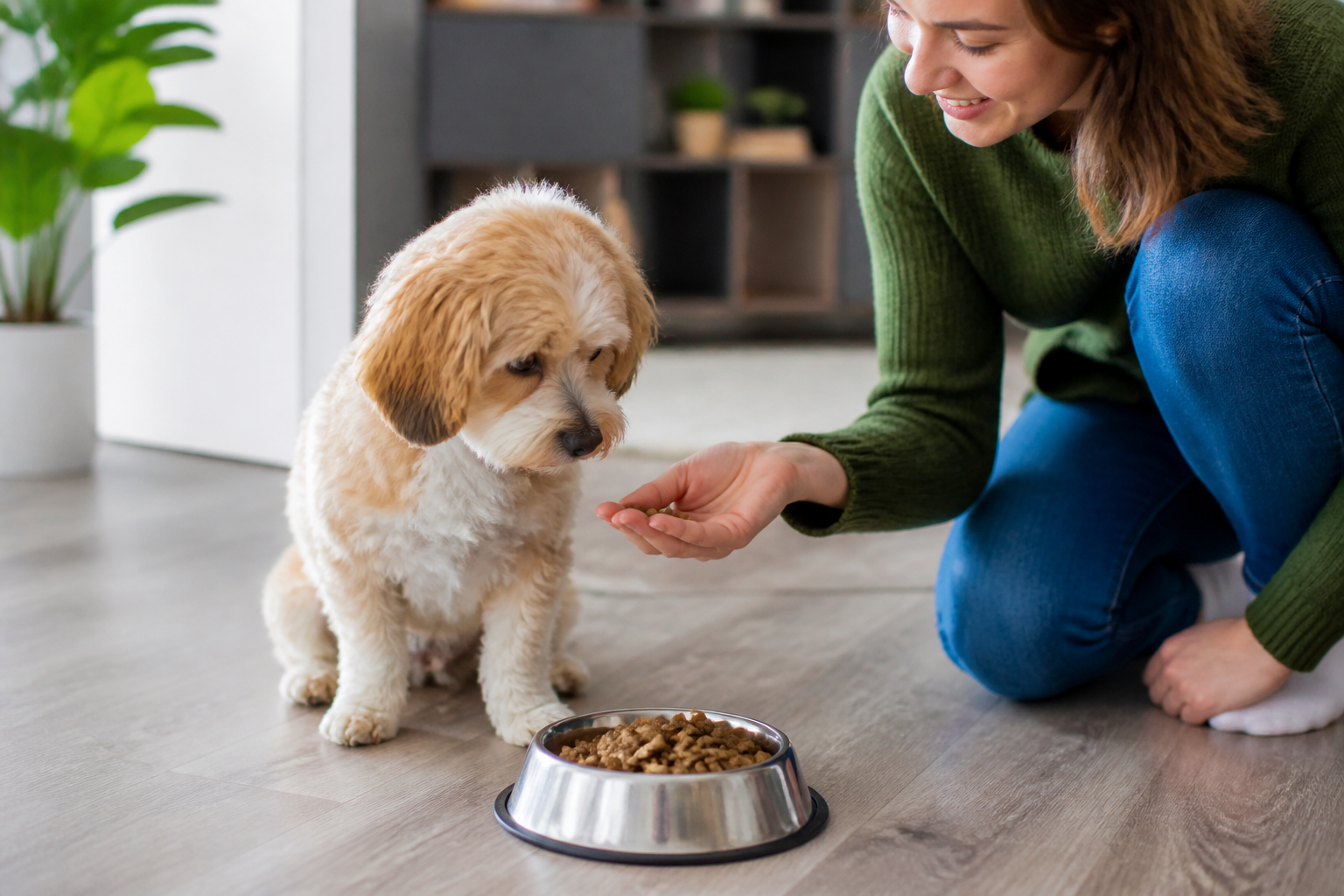
You place the bowl down and your dog gives it a quick sniff before walking away with a heavy sigh. It is a frustrating moment for any pet parent who just wants their companion to have a balanced, nutritious meal. This situation is common for many owners who find themselves wondering why their once enthusiastic eater is now turning up their nose at kibble. At BaxterBoo, we talk to pet owners every day who are navigating this exact challenge. Whether your dog has recently become picky or has never been a fan of crunchy food, there are practical steps you can take to resolve the issue. This post covers the health reasons behind food refusal, behavioral tricks to encourage eating, and how to choose the right products. Our goal is to help you build a stress-free mealtime routine that ensures your dog gets the nutrition they need.
Quick Answer: To get a dog to eat dry food, try adding warm water or bone broth to enhance the aroma. You can also mix in a small amount of high quality wet food or use a healthy topper to make the meal more enticing.
Rule Out Health and Dental Concerns First
Before you assume your dog is simply being stubborn, it is vital to check for underlying health issues. A sudden change in appetite is often the first sign that something is wrong. Dogs are excellent at hiding pain, but their interest in food usually tells the real story. If a dog that normally loves their kibble suddenly stops eating, a trip to the veterinarian should be your first step.
Dental Health and Oral Pain
Dry food is hard and requires significant chewing. If your dog has a broken tooth, inflamed gums, or periodontal disease, crunching down on kibble can be painful. You might notice your dog picking up a piece of food and dropping it or tilting their head to one side while chewing. We carry a wide range of our dog dental care products, but these are for prevention rather than a cure for existing infections.
Digestive Issues and Allergies
Sometimes a dog stops eating dry food because it makes them feel unwell. Gastrointestinal issues or food sensitivities can cause nausea. If your dog associates their dry food with a stomach ache, they will naturally avoid it. Your vet may recommend a prescription diet if your dog has chronic digestive issues. Our dog pharmacy offers FDA approved prescription pet foods through our partnership with Pet's Choice for these specific medical needs.
Age Related Changes
Senior dogs often experience a decline in their sense of smell and taste. If the food does not smell like much, it will not taste like much either. Additionally, older dogs may have more sensitive teeth or reduced jaw strength. Switching to a kibble specifically designed for seniors, like those from Royal Canin or NutriSource, can help because these formulas often have a softer texture or a more intense aroma.
Vet Tip: If your dog refuses all food for more than 24 hours or shows signs of lethargy and vomiting, contact your veterinarian immediately. A loss of appetite can be a symptom of serious conditions like kidney disease or pancreatitis that require professional diagnosis.
Understanding Behavioral Reasons for Picky Eating
If your vet gives your dog a clean bill of health, the issue is likely behavioral. Dogs are very smart and can quickly learn how to manipulate their owners. If they know that refusing their kibble will eventually result in a bowl of chicken or a handful of treats, they will hold out for the better option every time.
The Problem with Table Scraps
Feeding your dog bits of your own dinner is one of the fastest ways to create a picky eater. Human food is usually much higher in fat and salt, which makes it incredibly appealing to dogs. Once they have a taste for steak or cheese, plain dry kibble seems very boring. We recommend cutting out all table scraps entirely while you are trying to get your dog back on their dry food routine.
Too Many Treats
Treats should only make up about 10 percent of your dog's daily calories. If you are training a new puppy or rewarding your dog throughout the day, those calories add up. A dog that is full of treats will not be hungry when dinner time rolls around. Try using a portion of their daily dry food as training rewards instead of high calorie store bought treats. You can explore our dog treats when selecting occasional rewards.
Environmental Stress
Changes in the home can affect a dog's appetite. A new baby, a move to a new house, or even a change in your work schedule can cause anxiety. Some dogs are social eaters and only want to eat when you are in the room. Others are easily distracted and need a quiet, low traffic area to focus on their meal.
Key Takeaway: Picky eating is often a learned behavior. Consistency is the most important tool you have to correct it and ensure your dog views their dry food as their primary source of nutrition.
Simple Ways to Make Dry Food More Appealing
You do not necessarily need to switch foods to get your dog to eat. Often, a few small adjustments to the presentation of the food can make a huge difference. The goal is to make the dry food smell and taste better without adding excessive calories or unhealthy ingredients.
Add Warmth and Moisture
Dry food does not have a strong scent when it is cold and dry. Adding a little warm water or low sodium bone broth can do wonders. The warmth helps release the aromas of the fats and proteins in the kibble. Let the food sit for a few minutes so it soaks up the liquid and softens. This creates a gravy like consistency that most dogs find hard to resist.
Use High Quality Toppers
If water or broth is not enough, consider a healthy food topper. Brands like Stella and Chewy's or The Honest Kitchen offer freeze dried raw nuggets or pour overs that are packed with flavor. You do not need much to make a difference. Mix the topper thoroughly with the kibble so your dog cannot just pick out the good stuff and leave the dry bits behind. Our freeze-dried pet food selection offers additional options to consider.
The 15 Minute Rule
Stop leaving the food bowl out all day. This is known as free feeding, and it often leads to pickiness because the dog never feels a strong sense of hunger. Instead, put the bowl down for exactly 15 minutes. If your dog has not eaten it by then, pick it up and do not offer food again until the next scheduled mealtime. This teaches your dog that food is only available at specific times.
Bottom line: Enhancing the aroma and setting a strict schedule are the most effective non medical ways to encourage a dog to eat their kibble.
How to Choose the Best Dry Food for Your Dog
Sometimes the problem is the food itself. Not all kibble is created equal, and your dog might genuinely dislike the flavor or texture of a specific brand. When shopping at BaxterBoo, you have access to over 500 trusted brands, which gives you plenty of options to find the perfect match. Browse our dog food category to compare available formulas.
Focus on Protein Quality
Look at the first three ingredients on the label. You want to see specific animal proteins like chicken, beef, or lamb rather than generic terms like meat meal. High quality proteins usually have a better natural flavor. Brands like Acana, Orijen, and Farmina are known for using fresh, regional ingredients that naturally appeal to a dog's predatory instincts.
Consider Kibble Size and Shape
Small breed dogs often struggle with large, hard chunks of kibble. If the pieces are too big, they might find it difficult to chew and give up. Conversely, large dogs might find tiny kibble unsatisfying. Check if the brand you like offers a specific small breed or large breed formula. The shape of the kibble can also affect how it feels in the mouth, which is a factor for some sensitive dogs.
Rotational Feeding
Some dogs simply get bored eating the same thing every single day for years. Rotational feeding involves switching between different flavors within the same brand. For example, you might feed a bag of turkey and potato followed by a bag of salmon and pea. This provides a variety of amino acid profiles and keeps mealtime interesting.
| Feature | Low Quality Kibble | High Quality Kibble |
|---|---|---|
| First Ingredient | Corn, wheat, or byproduct | Named animal protein (e.g., Chicken) |
| Aroma | Mild or artificial | Strong, natural meat scent |
| Nutrient Density | High fillers, low nutrients | High nutrients, low fillers |
| Digestibility | Higher stool volume | Lower stool volume |
Transitioning to a New Dry Food
If you decide to switch brands, do not do it all at once. A sudden change in diet can lead to an upset stomach, which will only make your dog more reluctant to eat. A slow transition allows their digestive enzymes and gut bacteria to adjust to the new ingredients.
Step 1: Mix 25% new food with 75% old food. / Maintain this for two to three days while watching for any signs of digestive upset.
Step 2: Increase to a 50/50 split. / Do this for another two to three days if your dog is eating well and their stools are firm.
Step 3: Move to 75% new food and 25% old food. / This stage ensures your dog is fully accepting the new flavor and texture.
Step 4: Feed 100% of the new dry food. / Once you reach this point, you have successfully transitioned your dog.
Key Takeaway: A slow transition over 7 to 10 days prevents digestive upset and helps a picky dog accept a new flavor more easily.
Using Toys and Enrichment for Mealtime
Some dogs are not motivated by hunger as much as they are by play. If your dog ignores their food in a bowl, they might be more interested if they have to work for it. This taps into their natural scavenging instincts and turns mealtime into a game. Browse our dog toys for enrichment options.
Puzzle Feeders and Snuffle Mats
Puzzle feeders require your dog to move parts or flip levers to get the kibble out. This provides mental stimulation and can make the food seem like a reward. Snuffle mats are fabric mats with many layers of felt where you can hide dry food. Your dog has to use their nose to find each piece. This is particularly helpful for anxious dogs because sniffing is a naturally calming activity.
Dispensing Toys
Toys like those from Kong can be stuffed with dry kibble mixed with a little bit of wet food or peanut butter. As the dog plays with the toy, pieces of kibble fall out. This is a great way to get a dog to eat their dry food while also burning off some energy. It also prevents fast eaters from gulping their food, which can lead to bloating.
Training Rewards
If your dog is very high energy, they might prefer to eat during a training session. Use the dry kibble as a reward for sit, stay, or come commands. Many dogs will eagerly eat kibble during a fun interaction with their owner that they would otherwise ignore in a bowl. This also strengthens the bond between you and your pet.
When a Prescription Diet is Necessary
In some cases, a dog may refuse dry food because of a chronic health condition that requires a specific nutritional profile. Conditions like urinary stones, kidney insufficiency, or severe skin allergies often require a diet that is only available with a veterinarian's authorization.
Our pharmacy carries a variety of these specialized foods. For example, Farmina Vet Life and Royal Canin Veterinary Diet offer formulas that are precisely balanced for medical needs. These foods are often formulated to be highly palatable because the manufacturers know that sick dogs often have poor appetites. Through our partnership with Pet's Choice, we make it easy to get these essential supplies delivered to your door. You can even set up our Autoship programme so you never run out of the food your dog needs to stay healthy.
Vet Tip: Never put your dog on a prescription diet without consulting your vet first. These foods contain specific levels of minerals and proteins that are designed for medical conditions and may not be balanced for a healthy pet.
Monitoring Progress and Maintaining Consistency
Once you find a method that works, stick with it. Consistency is the enemy of pickiness. If you have decided to use the 15 minute rule, do not give in and offer a treat ten minutes after you pick up the bowl. Your dog will quickly learn how to test your boundaries.
Track Your Dog's Weight
As you try different methods, keep an eye on your dog's body condition. You should be able to feel their ribs but not see them. If your dog is refusing their kibble but still maintaining a healthy weight, they might just need less food than the bag suggests. Many feeding guides on dog food bags are based on very active dogs and can be too high for a typical house pet.
Keep Food Fresh
Dry food can go stale or rancid if it is not stored properly. Once a bag is opened, the fats are exposed to oxygen and begin to break down. This changes the smell and taste, which your dog will notice long before you do. Store kibble in its original bag inside an airtight container. Try to buy a bag size that your dog can finish within four to six weeks to ensure maximum freshness. Our dog food selection can help you choose a size that fits your routine.
The Role of Exercise
A tired dog is usually a hungry dog. If your dog is refusing food, try increasing their physical activity. A long walk or a vigorous game of fetch before mealtime can stimulate their metabolism and increase their drive to eat. Exercise also reduces stress, which can be a hidden cause of poor appetite.
Bottom line: A combination of high quality food, proper storage, and a consistent routine is the best long term solution for a picky eater.
Conclusion
Getting a dog to eat dry food requires patience and a bit of detective work. By ruling out medical issues first, you can focus on behavioral solutions like removing table scraps and sticking to a strict feeding schedule. Enhancing your dog's kibble with warm water, broth, or healthy toppers can make a significant difference in how they perceive their meal. Remember that quality matters, and choosing a nutrient dense food from trusted brands can help satisfy even the most discerning palate.
- Rule out dental pain or digestive issues with your vet.
- Stop feeding table scraps and limit treats to 10% of daily calories.
- Use warm water or bone broth to enhance food aroma.
- Implement the 15-minute feeding rule to create a routine.
- Consider puzzle feeders or training to make mealtimes engaging.
If your dog requires a specific medical diet or ongoing health support, we are here to help. Explore our pharmacy for prescription diets and FDA-approved medications through our Pet's Choice partnership.
FAQ
How long can a dog go without eating dry food?
Most healthy dogs can go for two or three days without eating as long as they are still drinking water. However, you should contact your veterinarian if your dog refuses food for more than 24 hours, especially if they seem lethargic. Small breeds and puppies are more susceptible to low blood sugar and should be monitored even more closely.
Can I mix wet food with dry food to make it more appealing?
Yes, mixing a small amount of wet food with kibble is a very effective way to encourage a picky dog to eat. The wet food adds moisture, a different texture, and a much stronger aroma. To prevent your dog from just licking off the wet food, make sure to stir the mixture thoroughly so the kibble is well coated.
Is it okay to leave dry food out all day?
We generally recommend against free feeding, which is leaving the bowl out all day. This can lead to obesity and makes it harder to notice if your dog's appetite has changed. Setting specific mealtimes helps regulate your dog's digestion and creates a sense of value around their food, which is often helpful for picky eaters.
Why did my dog suddenly stop eating their favorite dry food?
A sudden refusal of a familiar food can be caused by health issues like dental pain or an upset stomach. It could also be that the bag of food has gone stale or rancid, which affects the taste. If the environment has changed or if your dog is getting more treats than usual, they may also lose interest in their regular meals.






