
 Save 15% on your 1st Autoship learn more

 Email us
 Live Chat
 FAQs
FAQs





Introduction
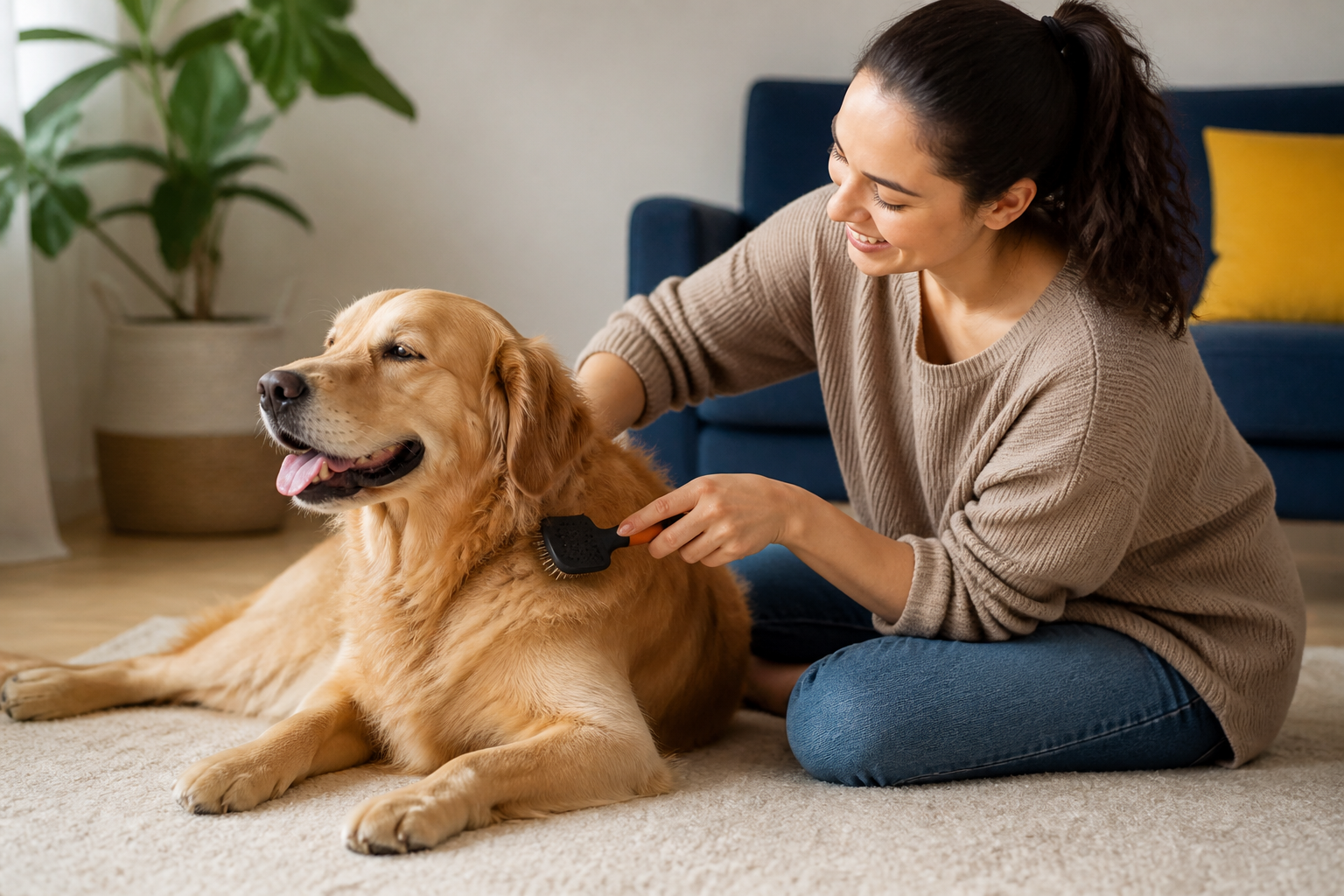
You pull out the brush and your dog suddenly vanishes under the couch. Perhaps they see the grooming kit and immediately start a game of "catch me if you can" around the dining room table. This common struggle turns a simple hygiene task into a source of stress for both of you. At BaxterBoo, we know that grooming is about more than just looking good. It is a vital part of keeping your pet healthy and monitoring for skin issues or lumps. This guide will walk you through the reasons dogs resist the brush and how to change their minds with patience and positive reinforcement. We will cover tool selection, training techniques, and when to seek professional help. By the end, you will have a clear plan to turn grooming time into a bonding experience.
Understanding Why Your Dog Resists the Brush
Before you can fix the behavior, you need to understand the "why" behind the wiggle. Dogs usually have a very good reason for avoiding the brush. It is rarely about being stubborn. Most of the time, it comes down to fear, discomfort, or a lack of understanding.
Many dogs associate the brush with pain. If your dog has ever had a mat pulled too hard, they will remember that sensation. Mats are clusters of tangled hair that sit close to the skin. When a brush hits a mat, it tugs directly on the sensitive skin underneath. This creates a negative association that can last a lifetime if not addressed.
Some dogs are simply sensitive to touch. Areas like the paws, ears, and belly are highly sensitive. If you start with these areas, your dog might feel defensive. Other dogs may be afraid of the tool itself. A large metal brush can look like a weapon to a cautious puppy. They might also dislike the sound of the bristles moving through their hair or the vibration of electric clippers.
Quick Answer: To get your dog to like brushing, you must use desensitization and counter-conditioning. Start by rewarding them just for looking at the brush, then move to short, gentle strokes paired with high-value treats.
Finally, consider your dog's energy level. A young puppy with a lot of "zoomies" will not want to sit still for a thirty-minute grooming session. Trying to force a high-energy dog to stay still usually leads to frustration for everyone.
The Right Tools for the Job
Using the wrong brush is a common mistake that causes unnecessary discomfort. Different coat types require different equipment. If you use a harsh slicker brush on a short-haired dog with thin skin, it can cause "brush burn." This is a painful irritation similar to a carpet burn.
For most dogs with medium to long hair, a slicker brush is the standard. These have fine, short wires close together. They are excellent for removing loose hair and breaking up small tangles. However, you must use a light hand. Never press the wires directly into the skin. You can compare options in our dog brushes and combs collection.
If your dog has a very thick undercoat, like a Husky or a Golden Retriever, you may need an undercoat rake. These tools reach through the top layer of fur to pull out the dead hair underneath. For short-haired breeds like Labradors or Boxers, a rubber curry brush is often the best choice. These soft rubber nubs massage the skin and pull away loose fur without any risk of scratching.
Essential Grooming Kit Checklist
- A slicker brush for general detangling.
- A metal "Greyhound" comb to check for hidden mats.
- A rubber curry brush for short coats or sensitive areas.
- Grooming wipes for quick clean-ups between sessions.
- High-value treats that your dog only gets during grooming.
Key Takeaway: Proper tool selection prevents skin irritation and makes the process more comfortable for your dog. Always test the brush on your own forearm first to see how much pressure is too much.
For additional grooming supplies, browse our dog grooming category.
Creating a Dedicated Grooming Station
Environment plays a huge role in how your dog feels. If you try to brush your dog while they are trying to nap in their bed, they might feel invaded. Instead, create a specific spot for grooming. This could be a sturdy table with a non-slip mat or a specific rug on the floor.
If you have a small dog, using a table can save your back and give you better control. However, never leave a dog unattended on a high surface. For large dogs, a non-slip mat in a quiet corner of the room works well. The goal is to make the spot feel safe and predictable.
We recommend keeping your tools organized and within reach. You do not want to have to walk away to grab a comb once you have your dog settled. Having everything ready allows you to keep the session moving smoothly. It also helps you stay calm, which in turn keeps your dog calm.
The Step-by-Step Desensitization Process
Desensitization means gradually exposing your dog to the brush in a way that does not trigger fear. Counter-conditioning means changing their emotional response from "fear" to "excitement." This takes time, but it is the most effective way to see long-term results.
Step 1: The Introduction
Place the brush on the floor. Let your dog approach it on their own terms. Every time they sniff the brush or look at it, give them a treat and verbal praise. Do this for several days until they get excited when they see the brush come out.
Step 2: The Touch
Pick up the brush. Touch the back of the brush (the non-bristle side) to your dog's shoulder. Immediately give a treat. Repeat this on different parts of the body. You are teaching them that the tool touching them leads to something great.
Step 3: The Single Stroke
Turn the brush over. Give your dog one very gentle stroke in an easy area like the back or side. Follow it immediately with a high-value treat. If they stay still, give them another treat. If they move away, stop the session and try again later.
Step 4: Increasing Duration
Slowly increase the number of strokes. Brush for five seconds, then reward. Then ten seconds, then reward. Always end the session while your dog is still having a good time. You want them to walk away wanting more, not feeling relieved that it is over.
Step 5: Handling Sensitive Areas
Once your dog is comfortable with their back and sides, slowly move toward the legs, tail, and face. These areas often require a softer touch. Use a comb or a grooming glove for these spots if the brush is too bulky.
Vet Tip: If your dog's skin looks red, bumpy, or has an unusual odor, consult your veterinarian before continuing. Skin infections or allergies can make the skin very sensitive, making even gentle brushing painful.
Training for Success
Consistency is the secret to getting a dog to like brushing. If you only brush them once a month when they are already a tangled mess, they will never learn to enjoy it. Try to do a mini-session every day. Even two minutes of calm brushing is better than thirty minutes of struggling once a week.
Use "high-rate reinforcement." This means giving treats very frequently at first. You might give a tiny piece of chicken every three seconds while you brush. As they get better at sitting still, you can space out the treats. Eventually, the brushing itself becomes a rewarding routine.
If your dog is particularly wiggly, try using a lick mat. You can spread peanut butter or plain yogurt on the mat and stick it to the wall or floor. While they are busy licking, you can focus on the brushing. This provides a constant distraction and a positive association.
For more ideas about keeping grooming positive, read these dos and don'ts for bathing your dog.
Handling Mats and Tangles
Mats are the biggest hurdle to a successful grooming routine. They are painful to remove and can cause skin irritation if left alone. If you find a mat, do not try to pull it out with a brush. This will hurt your dog and ruin the trust you have built.
Instead, try to work the mat apart with your fingers first. You can use a dedicated detangling spray to help the hair slide apart. If the mat is too tight, you may need to use clippers to safely remove it. We strongly advise against using scissors to cut out mats. Dog skin is very thin and can easily be pulled into the mat. It is very easy to accidentally cut your dog with scissors, often requiring a trip to the vet for stitches.
If your dog is heavily matted, the most humane thing to do is take them to a professional groomer for a "reset" shave. This removes the painful tangles and allows you to start fresh with a short coat. Once the hair starts growing back, you can begin your daily brushing routine to prevent future mats.
When Pain is a Factor
Sometimes a dog hates brushing because they are in physical pain. This is especially common in senior dogs. If your dog has arthritis, standing for a long time or having their legs lifted can be very painful. They might snap or growl to protect their aching joints.
If you notice your dog flinching when you touch certain areas, or if they seem stiff when getting up, it is time for a vet visit. Your veterinarian can help diagnose issues like hip dysplasia or joint inflammation. Managing their pain through medication or supplements can make grooming much easier.
Our pharmacy at BaxterBoo offers a wide range of FDA-approved medications and prescription diets through our partnership with Pet's Choice. If your vet prescribes a treatment for chronic pain or skin conditions, our pet pharmacy can help you manage those ongoing needs conveniently.
Key Takeaway: Behavioral issues during grooming are often linked to underlying physical discomfort. Always rule out medical pain before assuming your dog is just being difficult.
Dealing with Biting or Extreme Fear
If your dog growls, snaps, or bites during brushing, you must stop immediately. This is a sign that your dog is way over their "stress threshold." Forcing the issue will only make the aggression worse and could lead to a serious injury.
In these cases, we recommend working with a professional dog trainer or a veterinary behaviorist. They can help you create a specialized plan to address the fear. You might also consider a "fear-free" certified groomer. These professionals are trained to handle anxious dogs using specialized techniques that prioritize the animal's emotional well-being.
Sometimes, a vet might recommend a mild sedative or anti-anxiety medication for grooming sessions. This can help "break the cycle" of fear and allow the dog to stay calm enough to learn that the brush is not a threat.
Maintaining the Routine
Once your dog tolerates brushing, keep it up. Regular grooming prevents mats, reduces shedding, and keeps the coat shiny. It also gives you a chance to check for fleas, ticks, or skin changes.
Make grooming a part of your daily "wind-down" time. Many owners find that brushing their dog while watching television in the evening works well. The dog is usually tired and more willing to relax.
Remember to reward yourself too. Grooming can be a lot of work! Seeing your dog with a healthy, tangle-free coat is a great reward for your patience. Plus, you will have much less hair to vacuum off your furniture.
Bottom line: Patience and positive reinforcement are the only ways to build a lasting, positive relationship with grooming.
Senior Dog Specifics
Senior dogs require a little extra TLC during grooming. Their skin becomes thinner and less elastic as they age. They may also develop fatty tumors or "old dog bumps" that you need to be careful not to nick with a brush or comb.
Use the softest tools possible for an older dog. A soft bristle brush or a grooming mitt is often more comfortable than a metal slicker. You should also keep sessions very short. A senior dog may not be able to stand for more than five or ten minutes at a time. Let them lie down while you brush them if that is more comfortable for them.
If your senior dog has cognitive decline, they may become confused or easily startled. Talk to them in a calm, soothing voice throughout the process. Keeping the routine exactly the same every day helps them feel more secure.
The Role of Professional Groomers
Even if you brush your dog at home, professional groomers are a great resource. They have specialized equipment like high-velocity dryers that can blow out loose undercoat much better than a home vacuum. They can also handle tasks like ear cleaning and nail trimming that some owners find difficult.
A good relationship with a groomer is a partnership. Let them know you are working on desensitization at home. They can give you tips on which tools are working best for your dog's specific coat type. Many groomers are happy to do "happy visits" where your dog just comes in for a treat and some pets without any actual grooming. This helps build a positive association with the grooming shop.
Conclusion
Getting your dog to like brushing is a journey that requires time and empathy. By choosing the right tools, creating a calm environment, and using plenty of rewards, you can transform a stressful chore into a peaceful routine. At BaxterBoo, we are committed to helping you provide the best care for your pets throughout their lives. Whether you need a new brush, a detangling spray, or ongoing support through our pharmacy and Pet's Choice partnership, we are here to help. Start your routine today with small steps and watch your dog's confidence grow.
- Identify the cause of your dog's fear or discomfort.
- Choose the correct brush for your dog's specific coat type.
- Use high-value treats to create a positive association.
- Keep sessions short and always end on a positive note.
- Consult a vet if you suspect pain is causing the resistance.
Key Takeaway: A successful grooming routine is built on trust. Never force a fearful dog, and always prioritize their comfort over a perfect haircut.
For more grooming essentials and wellness support, visit our Medical & Mobility section or explore our specialized grooming tool collection.
FAQ
How long does it take to train a dog to like brushing?
The timeline depends on the dog's age and previous experiences. A puppy might learn to enjoy brushing in a few weeks, while a dog with past trauma could take several months. The key is to stay consistent and never rush the process.
What should I do if my dog tries to bite the brush?
If your dog bites the brush, it is often a sign of playfulness or defensive fear. Redirect their mouth to a long-lasting chew or a lick mat. If the biting is aggressive, stop the session and consult a professional trainer for safety.
Can I use human hairbrushes on my dog?
It is generally better to use brushes designed specifically for pets. Human brushes are made for human hair and scalps, which are different from dog fur and skin. Specialized pet brushes like slickers or undercoat rakes are more effective at reaching the skin through thick fur.
Is it okay to brush my dog every day?
Yes, daily brushing is highly recommended for most breeds. It prevents mats from forming and keeps shedding under control. For dogs with very short hair, a quick once-over with a soft brush or grooming mitt a few times a week is usually enough.






