
 Save 15% on your 1st Autoship learn more

 Email us
 Live Chat
 FAQs
FAQs





Introduction
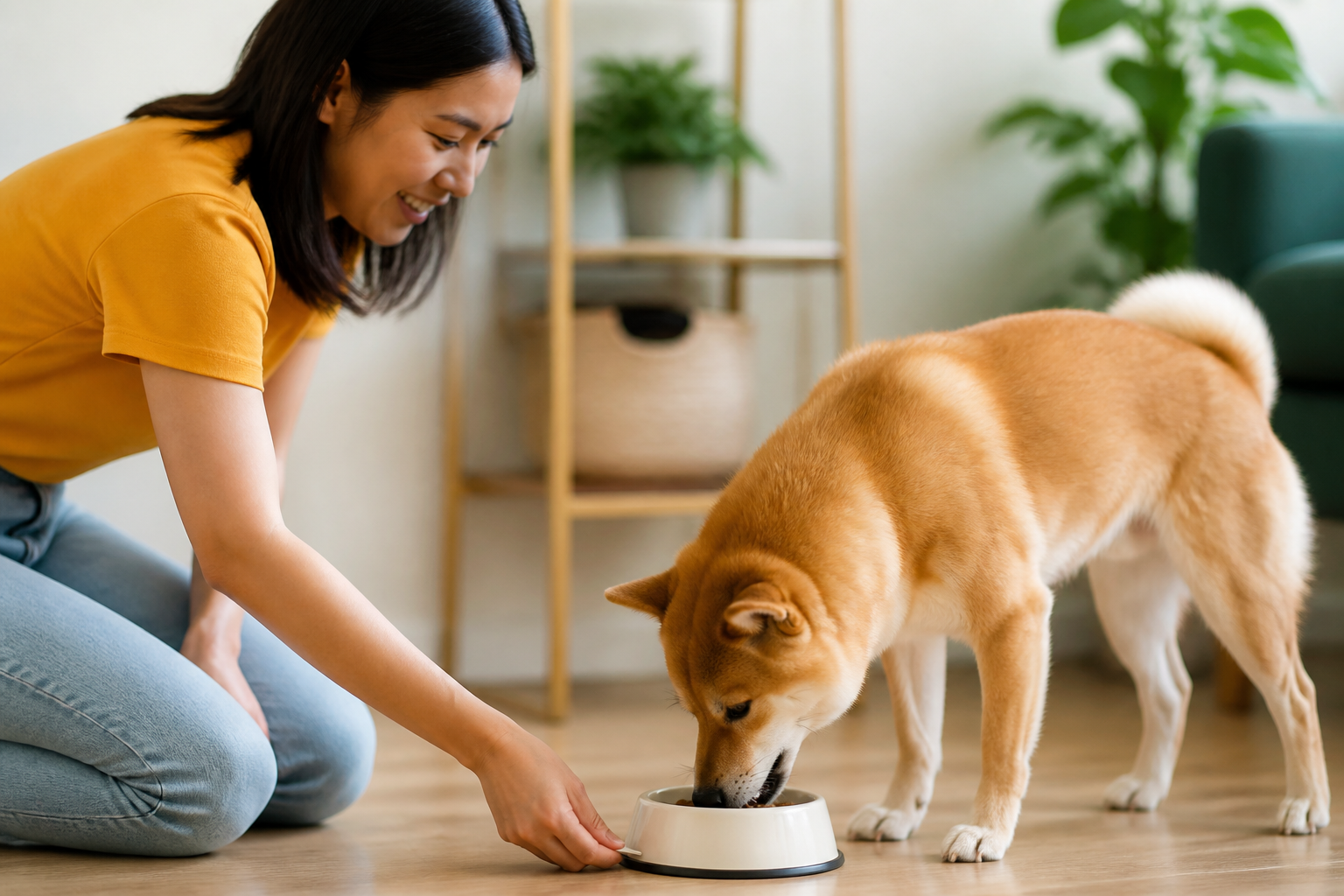
You fill the bowl and the kibble hits the plastic with a familiar clatter. You call your dog over for dinner. Instead of the usual tail wagging and excitement, your pup takes one sniff, looks at you with disappointment, and walks away. This moment of rejection is frustrating. It leaves many pet parents worried about their dog's health and nutritional intake. At BaxterBoo, we have talked to countless owners facing this exact situation, and our dog food category is a good place to start exploring options. It is a common hurdle, but it is one you can overcome with the right approach. This post covers the medical, behavioral, and environmental reasons for food refusal. We will provide practical strategies to make dry food more enticing and explain when it is time to seek professional advice. Our goal is to help you transform mealtime back into a positive experience for both you and your dog.
Rule Out Medical Issues First
Before you assume your dog is simply being stubborn, you must ensure they are not in pain. A sudden loss of appetite is often the first sign of an underlying health problem. Dogs are experts at hiding discomfort. They might want to eat but find the physical act of chewing or digesting too difficult.
Dental Health and Mouth Pain
If your dog is reluctant to crunch on hard kibble, the problem might be in their mouth. Dental issues are incredibly common in dogs of all ages. A cracked tooth, an abscess, or inflamed gums can make eating painful. You might notice your dog tilting their head to one side while eating or dropping pieces of food. If the mouth is sore, the hard texture of dry food becomes a source of dread rather than a reward.
Digestive Upsets and Allergies
Internal discomfort is another major factor. A dog suffering from nausea, gas, or acid reflux will naturally avoid their food bowl. Sometimes, a dog develops a sensitivity to a specific ingredient in their current kibble. If the food makes them feel bloated or gives them a stomach ache, they will eventually associate that specific bowl of food with feeling unwell.
Vet Tip: If your dog stops eating and also shows signs of vomiting, diarrhea, or extreme lethargy, contact your veterinarian immediately. Our pet pharmacy can help if your vet determines a medical cause for the lack of appetite.
Behavioral Reasons for Picky Eating
If your veterinarian gives your dog a clean bill of health, the issue is likely behavioral. Dogs are highly intelligent. They quickly learn how to manipulate their environment to get what they want.
The Table Scrap Trap
One of the most common reasons a dog refuses dry food is that they are holding out for something better. If your dog knows that refusing kibble usually results in a piece of chicken, a slice of cheese, or a spoonful of wet food, they will wait you out. By offering alternatives, you are accidentally training your dog to be picky. They have realized that the "good stuff" comes to those who wait.
Stress and Environmental Changes
Dogs thrive on routine and predictability. Any change in their environment can impact their appetite. Common stressors include:
- Moving to a new home.
- The arrival of a new baby or a new pet.
- Changes in your work schedule.
- Loud noises like construction or thunderstorms.
- A change in where the food bowl is located.
In these cases, the dog is not necessarily being picky. They are simply too anxious to focus on eating. Providing a quiet, safe space for meals can help lower their stress levels.
Key Takeaway: Picky eating is often a learned behavior. If a dog is healthy, they will eventually eat when they are hungry enough, provided they aren't being supplemented with high-value treats and scraps.
Strategies to Make Kibble More Appealing
You do not have to give up on dry food entirely. There are several ways to boost the aroma and flavor of kibble to make it more enticing for a reluctant eater.
Add a Flavorful Topper
Toppers are a fantastic way to add variety without switching the entire diet. A small amount of high-quality protein can make a world of difference. We carry several brands like Stella and Chewy's or The Honest Kitchen that offer freeze-dried raw toppers or savory pour-overs. These add a burst of natural scent that triggers a dog's hunting instincts.
Use Warm Water or Broth
A dog's sense of smell is far more developed than their sense of taste. Dry kibble straight out of the bag does not have a very strong aroma. Adding a splash of warm water or low-sodium chicken broth can change that. The heat releases the fats and scents in the food. Let the kibble soak for a few minutes until it softens slightly. This also helps with hydration, which is a bonus for any dog.
Mix Wet and Dry Food
If your dog loves wet food but you prefer the convenience and dental benefits of dry, try mixing them. Start with a small amount of wet food thoroughly stirred into the kibble. This makes it impossible for the dog to pick out the "best parts" without eating the dry food too. Over time, you can gradually reduce the amount of wet food as they become more accustomed to the mixture.
Quick Answer: To get a dog to eat dry food, try adding warm water or low-sodium broth to enhance the aroma. You can also mix in a small amount of wet food or a high-quality topper to increase the flavor profile.
Establishing a Better Feeding Routine
Sometimes the "how" and "when" of feeding are just as important as the "what." A structured routine creates a sense of security and clear expectations for your dog.
The 30-Minute Rule
A common mistake is leaving food out all day. This is called free-feeding. It takes away the urgency and value of the meal. Instead, put the food bowl down and give your dog exactly 30 minutes to eat. If they haven't touched it by then, pick the bowl up and do not offer food again until the next scheduled mealtime. This teaches your dog that food is only available at specific times.
Limiting Treats and Snacks
It is easy to forget how many calories come from treats throughout the day. If your dog is getting Greenies for their teeth, training treats for good behavior, and the occasional biscuit, they might simply not be hungry. Step 1: Track every single treat given in a 24-hour period. Step 2: Reduce treat intake by at least 50 percent while you are working on their mealtime habits. Step 3: Ensure treats make up no more than 10 percent of their total daily calories.
If you like the idea of extra value while you shop, our MVP Rewards programme is an easy way to make routine purchases go farther.
Increased Exercise
A tired dog is a hungry dog. If your dog has been lounging all day, their metabolism might be sluggish. A long walk or a vigorous play session with a Kong toy right before dinner can stimulate their appetite. Physical activity triggers the body's need for fuel, making that bowl of kibble look much more attractive.
Bottom line: Structure and consistency are the enemies of picky eating habits.
Selecting the Right Dry Food
The quality and freshness of the food itself play a significant role. Not all kibble is created equal. Dogs can tell the difference between high-quality ingredients and fillers.
Freshness and Storage
Dry food contains fats that can go rancid over time. Once a bag of food is opened, it begins to oxidize. If you buy a massive bag for a small dog, the food at the bottom might taste stale or "off" by the time you get to it.
- Store kibble in its original bag inside an airtight container.
- Try to use a bag within four to six weeks of opening.
- Check the expiration date before purchasing.
Size and Texture Matters
The physical size of the kibble can be a deterrent. A toy breed might struggle with large, hard chunks designed for a Labrador. Conversely, a large dog might find tiny pellets unappealing. Brands like Royal Canin or NutriSource offer size-specific formulas that cater to these differences. Some dogs also prefer a bit of variety in texture. Formulas like those from Purina Pro Plan often include "shredded" bits mixed with crunchy kibble to keep things interesting.
If your dog does better with recipes that are easier to chew or digest, our selection of NutriSource products is worth a look.
Rotational Feeding
Some dogs simply get bored eating the same thing every day for years. Rotational feeding involves switching between different protein sources within the same brand. For example, you might use a chicken-based formula one month and a lamb-based formula from PureVita or Acana the next. This provides a wider range of nutrients and keeps the palate engaged. Just be sure to transition slowly to avoid stomach upset.
For dogs who need more aroma and texture variety, our freeze-dried food collection can help you compare options.
Key Takeaway: High-quality brands like Orijen, Open Farm, and Vital Essentials use fresh ingredients that naturally smell and taste better to dogs than budget options.
When to Call the Vet
While many cases of picky eating are behavioral, you must remain vigilant. There is a difference between a dog who is "holding out" and a dog who is physically unable to eat. You should seek professional help if:
- Your dog has not eaten anything for more than 24 hours.
- They are losing weight or look thin.
- They are drinking significantly more or less water than usual.
- They show signs of pain when you touch their face or mouth.
- They have persistent bad breath, which can indicate dental decay.
If your vet identifies a chronic condition, our pet pharmacy can assist. We offer a variety of prescription pet foods and medications. This includes diets specifically formulated for kidney support, weight management, and digestive health. Having access to these specialized products ensures your dog gets exactly what they need to feel better.
Summary
Getting a dog to eat dry food requires a mix of patience, routine, and high-quality nutrition. Start by ruling out any medical issues like dental pain or stomach upsets. Once health is confirmed, focus on creating a strict feeding schedule and eliminating excess treats. You can make the food more appealing by adding warm broth, toppers, or a bit of wet food to enhance the smell. Remember that consistency is key. At BaxterBoo, we believe that every pet deserves a diet that keeps them healthy and happy.
- Rule out dental and medical issues with a vet visit.
- Establish a 30-minute window for meals to create value.
- Enhance kibble with warm water or high-quality toppers.
- Limit treats to 10 percent of daily caloric intake.
- Ensure food is fresh and stored in an airtight container.
Bottom line: With a firm routine and a few tasty additions, most dogs will learn to enjoy their dry food again.
Our dry dog food category is a helpful next step if you want to compare textures and formulas.
FAQ
Is it okay if my dog skips a meal?
If your dog is an adult and otherwise healthy, skipping a single meal is usually not a cause for panic. They might just not be hungry or are feeling slightly off. However, if they skip multiple meals or show other symptoms like lethargy, you should contact your veterinarian to rule out any underlying health issues.
Can I leave dry food out all day for my picky dog?
We generally recommend against free-feeding for picky eaters. Leaving food out all day removes the incentive for the dog to eat when the food is fresh. It also makes it harder for you to monitor exactly how much they are eating. A structured mealtime with a 30-minute window is much more effective for training a dog to eat.
Why does my dog eat treats but refuse their dry food?
Treats are usually higher in fat, salt, and sugar than standard kibble, making them much more palatable. Your dog is essentially choosing "junk food" over their balanced meal. If they are filling up on treats, they have no reason to eat their dry food. Reducing treats is often the first step in solving picky eating.
Should I change my dog's food brand if they won't eat?
Before switching brands, try smaller changes like adding warm water or toppers. Frequently switching brands can actually encourage pickiness, as the dog learns that refusing food leads to a new "flavor of the week." If you do decide to switch, choose a high-quality brand like Acana or Stella and Chewy's and transition slowly over 7 to 10 days.






