
 Save 15% on your 1st Autoship learn more

 Email us
 Live Chat
 FAQs
FAQs





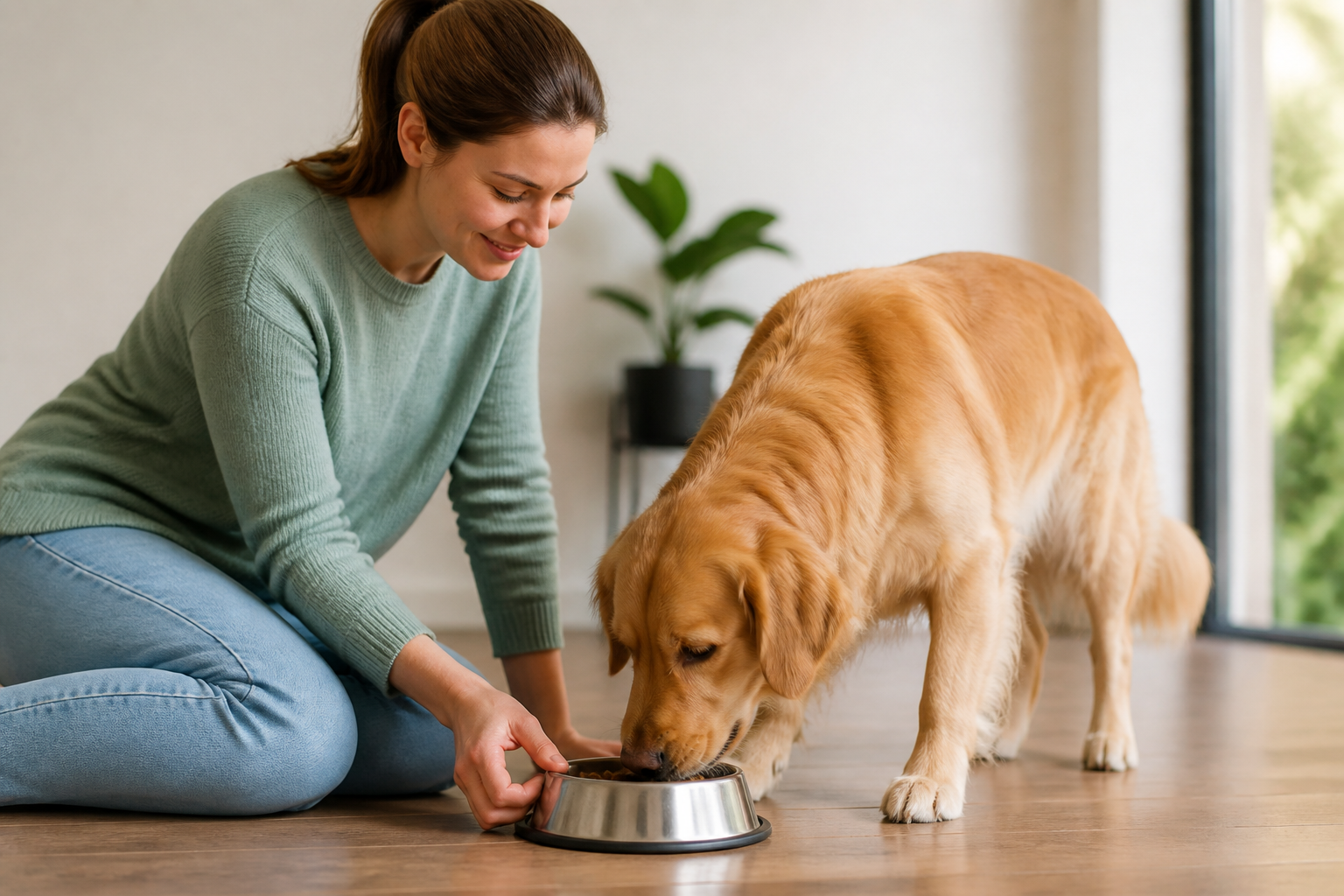
Introduction
You set the bowl down and hear the familiar clink of kibble hitting the ceramic. You expect the usual enthusiastic pounce. Instead, your dog walks over, sniffs the dry food, and turns away with a sigh. It is a frustrating moment for any pet parent. You wonder if they are sick or just being stubborn. At BaxterBoo, we have helped countless owners navigate the world of picky eaters. This guide covers why your dog might be snubbing their bowl and practical ways to bring back their appetite. We will explore everything from simple kitchen hacks to identifying when a medical issue is at play. By understanding the root cause of the refusal, you can transform mealtime from a struggle into the highlight of your dog's day.
Rule Out Health Concerns First
Before you try to bribe your dog with treats, you must ensure they are physically well. A sudden loss of interest in dry food often signals a health problem. Dogs are masters at hiding pain. Sometimes the only sign that something is wrong is a change in eating habits. If your dog stops eating abruptly, look for other symptoms like lethargy or vomiting.
Dental health is a major factor in kibble refusal. Dry food is hard and requires significant crunching power. If your dog has a cracked tooth, inflamed gums, or an abscess, that crunching becomes painful. They might want to eat but find the physical act of chewing dry bits unbearable. You may notice them dropping food or tilting their head to one side while eating.
Gastrointestinal issues also play a role. If a specific brand of kibble causes gas, bloating, or heartburn, your dog will associate that food with discomfort. This is a survival instinct. They are not being "diva-like" by refusing the bowl. They are trying to avoid a stomachache.
Vet Tip: If your dog has not eaten for more than 24 hours, or if they refuse both food and water, contact your veterinarian immediately. A professional exam can rule out underlying issues like kidney disease or infections.
Check the Freshness of the Kibble
We often forget that dry dog food can go stale or even rancid. Most kibble is high in fats and oils. When these fats are exposed to oxygen and heat, they begin to oxidize. This changes the smell and the taste of the food. Your dog has a sense of smell that is thousands of times more sensitive than yours. They can smell spoilage long before you can.
Check the "best by" date on your bag. If the food is past that date, throw it out. However, even food within the date can spoil if stored improperly. Keeping kibble in its original bag inside an airtight container is the best practice. Emptying the bag directly into a plastic bin can lead to fat residue buildup on the walls of the container. This residue goes rancid and contaminates every new bag you pour in.
Common signs of spoiled food include:
- A sour or "paint-like" odor coming from the bag.
- The presence of grain mites or pantry moths.
- A greasy or sticky texture on the individual kibble pieces.
- Sudden digestive upset after eating a fresh bowl.
Enhance the Aroma with Warmth
Dogs perceive flavor largely through their sense of smell. Dry kibble sitting at room temperature does not release much scent. You can make the meal much more enticing by simply warming it up. Heat helps release the aromatic fats and proteins in the food.
One of the easiest ways to do this is by adding a splash of warm water to the bowl. Let it sit for a few minutes. The water softens the kibble and creates a light gravy. This makes the food easier to chew and much more fragrant. You can also use low-sodium chicken or beef broth. Ensure the broth does not contain onions or garlic, as these are toxic to dogs.
If you choose to use the microwave, be extremely careful. Microwave ovens heat unevenly and can create "hot pockets" in the food. These can burn your dog's mouth. Always stir the food thoroughly and test the temperature with your finger before serving.
Key Takeaway: Increasing the temperature of dry food releases aromas that trigger a dog's natural drive to eat.
The Power of Food Toppers
Sometimes a plain bowl of kibble is just boring. In the wild, canines eat a variety of textures and flavors. Adding a high-quality topper can provide the nutritional and sensory variety your dog craves. Toppers come in many forms, from freeze-dried raw bites to liquid savory pours.
At BaxterBoo, we carry a wide range of toppers from trusted brands like Stella and Chewy's and The Honest Kitchen. You can browse our dog food toppers and supplements for options that add variety without requiring a complete diet change.
You can also use healthy "human" foods as toppers. A tablespoon of plain, unsweetened Greek yogurt or some canned pumpkin (not pie filling) can work wonders. These additions provide probiotics and fiber, which support digestive health. Just remember to keep these extras to less than 10 percent of your dog's total daily calories.
Transitioning to Wet Food or Mix-ins
If your dog continues to refuse dry kibble despite your best efforts, they might prefer a different texture. Mixing wet food with dry kibble is a classic strategy. This provides the crunch of the kibble for dental health while offering the high palatability of canned food. For more guidance on comparing textures and moisture levels, read our guide to wet versus dry dog food.
When you start mixing foods, do it gradually. Adding too much wet food at once can lead to loose stools. Start with a spoonful and work your way up. Brands like Royal Canin and Farmina offer wet versions of their popular dry formulas. This ensures your dog still gets the specific nutritional profile they need.
If your vet determines that your dog has a medical condition requiring a specific diet, our pharmacy can help. Through our partnership with Pet's Choice, we offer prescription pet foods for weight management, kidney support, and allergies. Having access to these specialized foods in both wet and dry formats makes it easier to find a combination your dog will actually enjoy.
Establishing a Routine and the 30-Minute Rule
Many owners inadvertently train their dogs to be picky. If you leave the food bowl down all day, your dog learns that food is a constant resource. They have no motivation to eat when you want them to. This is called "free-feeding," and it often leads to grazing and pickiness.
Switching to scheduled mealtimes can spark a sense of urgency. Put the bowl down for exactly 30 minutes. If your dog does not eat, pick the bowl up and put it away. Do not offer treats or scraps until the next scheduled mealtime. Most healthy dogs will realize within a day or two that they need to eat when the food is available.
It may feel harsh to take the food away, but it is a highly effective training tool. It creates a clear structure. This also helps you monitor exactly how much your dog is eating. This information is vital if you ever need to discuss their health with a veterinarian.
Quick Answer: The best way to get a healthy dog to eat is to set a strict feeding schedule. Remove the bowl after 30 minutes to teach them that mealtime is not an all-day event.
Evaluate the Feeding Environment
Where your dog eats can be just as important as what they eat. If the feeding area is in a high-traffic part of the house, your dog might feel too distracted or anxious to eat. Puppies are especially prone to distraction. They might take two bites, hear a noise in the other room, and run off to investigate.
Try moving the food bowl to a quiet corner or a separate room. Some dogs feel more secure eating inside their crate where they cannot be bothered by other pets or children. If you have a multi-pet household, ensure the other animals are not "guarding" the kitchen or hovering near the bowl. Even a subtle stare from another dog can make a submissive dog stop eating.
The bowl itself might also be the problem. Some dogs dislike the sound of their collar tags clinking against metal bowls. Others may experience "whisker fatigue" if their bowl is too deep and narrow. Try switching to a wide, shallow ceramic dish or a silicone mat. This small change can make a surprising difference in their comfort level.
Cut Back on the "Extras"
It is very easy to over-feed our dogs with treats and table scraps. If your dog gets a piece of cheese every time you make a sandwich, they are going to hold out for that cheese. They are smart enough to realize that kibble is the "broccoli" of their world, while your dinner is the "dessert."
Audit your family's treat-giving habits. You might find that your dog is getting significant calories from multiple people throughout the day. If your dog is not hungry at dinner, it is likely because they have already filled up on snacks.
To reset their palate:
- Stop all table scraps immediately.
- Limit treats to training sessions only.
- Use a small portion of their daily kibble as "treats" instead of high-calorie biscuits.
- Inform every member of the household about the new rules.
The Role of Exercise in Appetite
A dog that sleeps all day burns very little energy. If they are not burning calories, their body will not send strong hunger signals. Increasing your dog's physical activity is one of the most natural ways to boost their appetite.
A long walk or a vigorous game of fetch about 30 minutes before mealtime can do wonders. The exercise stimulates the metabolism and gets the digestive system moving. When they finally come inside and settle down, they will be much more likely to tuck into their bowl.
For high-energy breeds, mental exercise is just as important. Using puzzle toys or snuffle mats for their dry food makes the meal a rewarding challenge. Sometimes, simply changing the way the food is presented can make it more interesting for a bored dog.
Considering Food Intolerances and Allergies
If your dog consistently avoids their food and also has itchy skin or chronic ear infections, they might have a food intolerance. Many commercial dog foods use common proteins like chicken or beef. While these are great for many dogs, some individuals develop sensitivities over time.
We recommend looking into limited ingredient diets or novel protein sources. Brands like Zesty Paws and The Honest Kitchen offer formulations that avoid common allergens. Switching to a lamb, fish, or duck-based kibble might solve the problem if your dog was avoiding their old food due to internal discomfort. You can compare options in our adult dog food category.
If the intolerance is severe, your vet may recommend a hydrolyzed protein diet. These are specialized foods where the protein is broken down so small that the immune system does not recognize it as a threat. Our pharmacy partnership with Pet's Choice ensures you can get these prescription diets delivered right to your door alongside your other pet supplies.
When to Consult a Professional
While pickiness is often behavioral, you should never ignore a persistent lack of appetite. If your dog's refusal is accompanied by weight loss, a dull coat, or changes in behavior, it is time for a professional opinion.
Your veterinarian can perform blood work to check organ function. They can also perform a thorough dental exam to see if there are hidden problems below the gum line. Sometimes, a dog needs more than just a topper. They might need medical intervention or a specialized prescription diet to get back on track.
Vet Tip: Chronic picky eating in senior dogs is often a sign of underlying pain or metabolic changes. Always seek a vet's advice before assuming an older dog is just being difficult.
How BaxterBoo Can Help
We pride ourselves on being more than just a warehouse. We are a resource for pet owners who want the best for their animals. Since 2006, we have curated a selection of over 500 brands to ensure you have access to high-quality nutrition. Whether you need a specific kibble for a sensitive stomach or a fun puzzle toy to make mealtime exciting, we have you covered.
Our MVP Rewards program allows you to earn points on every purchase, which helps make trying new toppers or foods more affordable. If you find a combination that works, our Autoship program ensures you never run out. You will save on your first order and gain access to MVP Gold membership for even more perks.
Bottom line: Solving picky eating requires a mix of health checks, routine building, and high-quality nutritional choices.
Summary of Feeding Success
Getting your dog to eat their dry food often requires a bit of detective work and some patience. Start by ruling out any pain or illness. Once you know they are healthy, focus on making the food more appealing through warmth and moisture. Stick to a strict routine and eliminate the extras that are ruining their appetite. Browse our dog food selection when you are ready to compare formulas.
- Check for food staleness and store kibble in airtight containers.
- Add warm water or low-sodium broth to release enticing aromas.
- Use healthy toppers like pumpkin or yogurt sparingly.
- Establish a 30-minute window for eating to create a healthy routine.
- Consult your vet if the refusal lasts more than 24 hours.
If you are dealing with a health-related appetite loss, remember that we offer a full-service pharmacy. We provide FDA-approved medications and prescription diets through our partner, Pet's Choice. This makes it easy to manage chronic conditions or allergies that might be affecting your dog's desire to eat. Explore our Medical and Mobility section to find the support your dog needs to feel their best.
FAQ
Why did my dog suddenly stop eating his dry food?
A sudden change in eating habits is usually caused by either a medical issue or a change in the environment. Your dog might be experiencing dental pain, a stomach upset, or stress from a recent move or new family member. It is also possible the food has gone stale or the manufacturer changed the recipe. If the refusal persists for more than a day, a vet visit is recommended to rule out underlying health concerns.
Can I just leave the food out until my dog gets hungry?
Leaving food out all day, known as free-feeding, often makes picky eating worse because it removes the motivation to eat. When food is always available, it becomes less valuable to the dog. Switching to scheduled mealtimes and removing the bowl after 30 minutes creates a routine that encourages your dog to eat when the food is fresh. This also makes it much easier for you to track exactly how much they are consuming.
Is it okay to mix human food with dog kibble?
You can safely add some human foods as toppers, but they should be plain and healthy. Great options include plain canned pumpkin, unsweetened Greek yogurt, or boiled chicken without skin or bones. Always avoid foods with added salt, onions, garlic, or xylitol, as these can be dangerous. Keep these additions to less than 10 percent of your dog's total daily calories to ensure their diet remains balanced.
What should I do if my dog only eats treats and refuses his meals?
If your dog holds out for treats, they have likely learned that refusing kibble leads to a "better" reward. To fix this, stop all treats and table scraps for several days. Offer their dry food at scheduled times and do not give in to their begging. Once they realize that the kibble is their only source of food, their natural hunger drive will usually take over and they will begin eating their meals again.






