
 Save 15% on your 1st Autoship learn more

 Email us
 Live Chat
 FAQs
FAQs





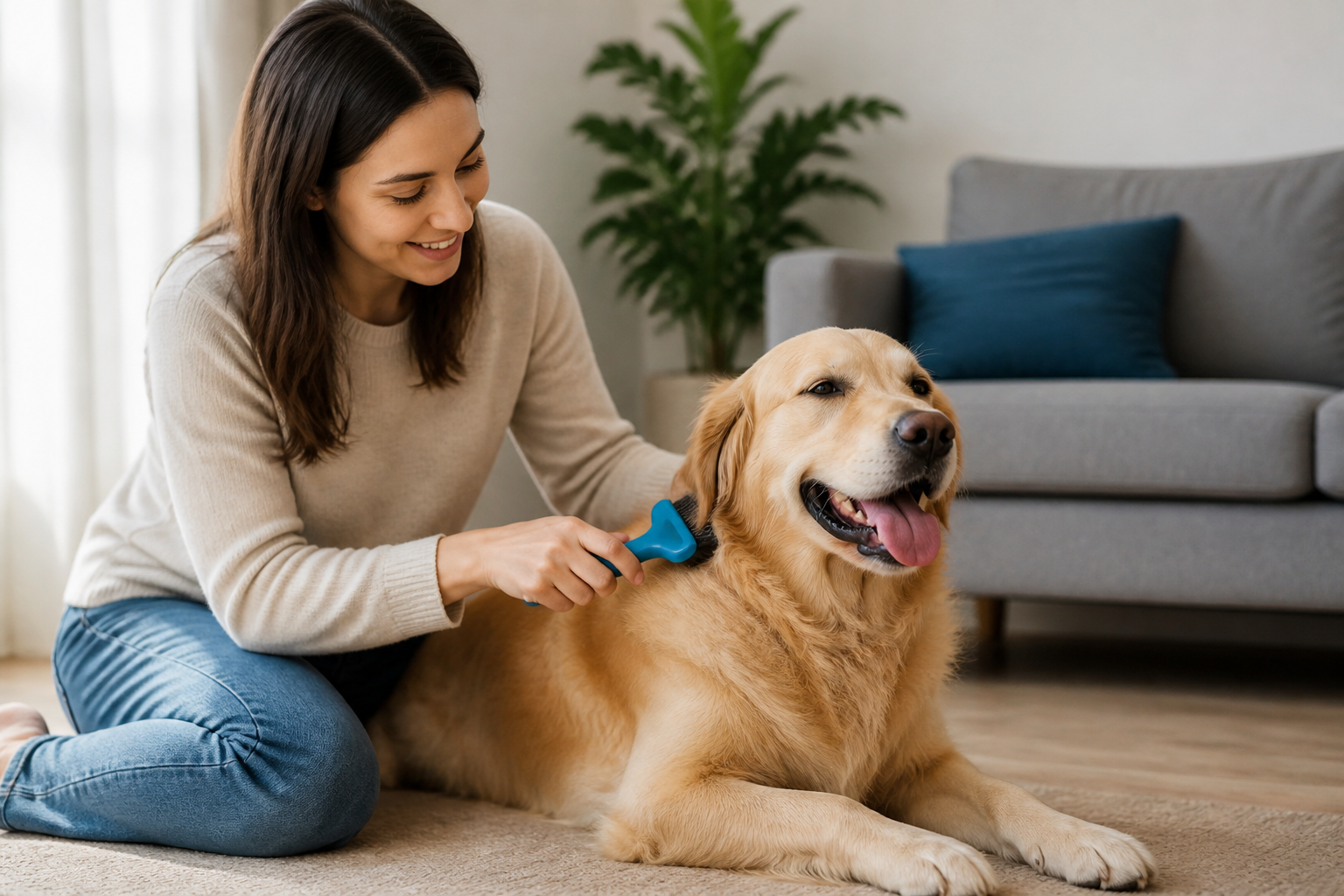
Introduction
You pull the slicker brush out of the drawer and your dog immediately vanishes under the dining room table. This "hide and seek" routine is a daily reality for many pet owners who just want to keep their dogs comfortable and mat-free. At BaxterBoo, we talk to plenty of neighbors who feel like grooming has become a battle of wills rather than a bonding moment. Brushing is essential for skin health and reducing shedding, but it should not be a source of terror for your pup. This guide covers practical steps to transform your dog from a "brush-hater" into a willing participant. We will look at proper tool selection, distraction techniques, and slow desensitization. With the right approach, you can make grooming a relaxing part of your daily life together.
Understanding Why Your Dog Resists the Brush
Before you can change the behavior, you need to understand the motivation behind the struggle. Most dogs do not act out because they are being stubborn. They usually resist because of fear, discomfort, or previous negative experiences.
Pain is the most common reason for a dog to run away from a brush. If your dog has mats or tangles, the brush can pull on the skin. This creates a sharp, pinching sensation. Once a dog associates the brush with pain, they will try to avoid it at all costs. This is especially true for long-haired breeds that develop tight knots behind the ears or in the armpits.
Some dogs have naturally sensitive skin. Brushes with sharp metal pins can feel scratchy or abrasive if used with too much pressure. Other dogs may be dealing with underlying health issues like arthritis. If your senior dog yelps when you brush near their hips, it might be joint pain rather than the brush itself.
Vet Tip: if your dog suddenly starts snapping or hiding during grooming when they used to be fine, schedule a check-up. Hidden joint pain, skin infections, or ear issues can make grooming sessions feel like a punishment.
Choosing the Right Tools for Success
Using the wrong brush is a recipe for a difficult grooming session. Every coat type requires a specific tool to be effective and comfortable. If you use a heavy-duty de-shedding tool on a dog with a thin coat, you might be scraping their skin.
A slicker brush is excellent for removing loose hair and breaking up small tangles. However, if the pins are too stiff, it can cause "brush burn." Look for slicker brushes with protective tips or flexible bases. These are much gentler for dogs who are already nervous about the process. A Master Grooming Tools Ergonomic Slicker Dog and Cat Brush is one option designed for comfortable brush-outs.
For dogs who are truly terrified of traditional brushes, a grooming glove is a fantastic starting point. These rubberized mitts fit over your hand. To your dog, it just feels like you are petting them. It is a low-pressure way to remove loose fur while building trust.
We carry a wide variety of grooming supplies at BaxterBoo that cater to sensitive pets. From soft bristle brushes to wide-toothed combs, having the right gear makes a massive difference. Explore our dog brushes and combs for tools suited to different coat types.
Essential Grooming Kit Checklist
- A soft-bristled brush for finishing and sensitive areas.
- A wide-toothed comb for checking for hidden mats.
- A grooming glove for fearful or short-haired dogs.
- High-value treats that your dog only gets during grooming.
- A detangling spray to help the brush glide through the fur.
The Power of High-Value Distractions
If your dog is focused on a delicious treat, they are much less likely to worry about what you are doing with their fur. This is where "high-value" treats come into play. These are not your standard dry biscuits. We are talking about something irresistible like small pieces of freeze-dried liver, plain chicken, or a specialized lickable treat.
Lick mats are one of the most effective tools for a reluctant dog. You can smear peanut butter or wet food onto a textured silicone mat and stick it to a wall or the floor. While your dog is busy licking every last bit of food, you can sneak in a few minutes of brushing.
The goal is to create a positive association. Your dog should start thinking that the brush appearing means the "best treats ever" are about to be served. If you only bring out the brush when it is time for a long, difficult grooming session, they will learn to fear it.
Quick Answer: The fastest way to get a dog to cooperate is to use a high-value distraction like a lick mat or a Kong filled with peanut butter. This keeps their mouth and mind busy while you work on their coat.
The Step-by-Step Desensitization Process
You cannot rush a dog who is truly afraid. You need to break the process down into tiny, manageable steps. This might take a few days or even a few weeks. Consistency is more important than speed.
Step 1: Introduce the Brush
Show your dog the brush without trying to touch them with it. Place the brush on the floor and put a treat on top of it. Let them sniff it and walk away. Do this several times until they see the brush as a "treat dispenser" rather than a threat.
Step 2: Gentle Touches
Hold the brush in one hand and a treat in the other. Touch the back of the brush (the side without the pins) to your dog’s shoulder. Immediately give them a treat. You are teaching them that being touched by the object leads to a reward.
Step 3: The First Stroke
Once they are comfortable being touched with the back of the brush, try one very gentle stroke with the bristles. Start on the shoulder or the back, as these areas are usually less sensitive than the legs or face. Give a treat immediately after that single stroke.
Step 4: Increasing the Duration
Slowly move from one stroke to two, then three. Always keep the sessions short. If your dog starts to look stressed or tries to walk away, stop the session. You want to end on a high note while they are still being successful.
Key Takeaway: Never force your dog to stay still by pinning them down. This breaks trust and makes the next session even harder. Use food to keep them in place and stop before they reach their limit.
Dealing with Mats and Tangles Humanely
Mats are not just an aesthetic problem. They can pull the skin tight, causing sores and trapping moisture that leads to infections. If your dog is already resistant to brushing, hitting a mat can feel like a sharp jab. This often leads to growling or snapping.
If you find a mat, do not try to yank the brush through it. This is the fastest way to make a dog hate grooming. Instead, use your fingers to gently pull the mat apart. You can also apply a detangling spray to help the fibers of the hair slide past each other.
If a mat is too tight to pull apart, it may need to be cut out. However, be extremely careful with scissors. Dog skin is very thin and can easily be caught in the blades. Many owners find that using a pair of electric clippers is safer for removing stubborn mats.
Vet Tip: If your dog’s coat is severely matted to the skin, do not try to brush it out at home. This is incredibly painful for the dog. A professional groomer or a veterinary team can safely shave the mats away to give your pet a fresh, pain-free start.
For additional grooming guidance, read our tips on brushing and handling mats after bathing.
Handling Sensitive Areas
Most dogs are fine with being brushed on their back or sides. The real trouble starts when you move toward the "forbidden zones." These usually include the paws, the tail, the belly, and the face.
Dogs are naturally protective of these areas. The legs and paws are full of nerve endings. The face is sensitive because of the eyes and whiskers. To get your dog to let you brush these spots, you need to go even slower.
Try "pretend" grooming. Use your hand to stroke their leg, then give a treat. Then use a soft cloth to rub their paw, followed by a treat. Only when they are totally relaxed with your hands should you introduce a soft brush to these areas.
For the face, a small, soft-bristled toothbrush or a specialized facial comb is often better than a large brush. It allows for much more precision and is less intimidating for the dog.
Creating the Right Environment
Where you brush your dog matters just as much as how you brush them. If you try to groom your dog in the middle of a high-traffic area with kids running around and the TV blaring, they will be too distracted to relax.
Choose a quiet, well-lit spot. If you have a small dog, putting them on a table or a counter (with a non-slip mat) can sometimes make them feel more secure. It also saves your back. For larger dogs, a comfortable rug or their favorite bed is a good choice.
Timing is also key. Do not try to brush your dog when they are full of energy and want to play. The best time is usually after a long walk or a vigorous play session. When they are physically tired, they are much more likely to settle down and tolerate the grooming.
Key Takeaway: Environment and timing dictate the mood of the session. A tired dog in a quiet room is much easier to work with than an excited dog in a chaotic kitchen.
When Behavior Becomes a Safety Issue
There is a big difference between a dog that squirmy and a dog that is aggressive. If your dog growls, shows their teeth, or tries to bite when you bring out a brush, you must prioritize safety.
Aggression during grooming is often a sign of deep-seated fear or intense pain. In these cases, it is best to consult with a professional. A certified dog trainer can help you with a behavior modification plan.
Sometimes, the skin is so irritated or the dog is so anxious that they need medical support. Our pet pharmacy offers a range of options for skin health and anxiety management through our partnership with Pet's Choice. If your dog has chronic skin allergies that make their coat sensitive to the touch, treating the underlying itch is the first step toward successful grooming.
Vet Tip: For dogs with extreme grooming anxiety, your vet might recommend a mild sedative or anti-anxiety medication. This can help "break the cycle" of fear so you can begin the training process safely.
The Role of Professional Groomers
You do not have to do everything yourself. Some dogs behave much better for a professional in a salon than they do for their owners at home. Groomers have specialized tables, high-quality dryers, and experience handling all types of temperaments.
If your dog is a "nightmare" at home, try taking them to a professional for a "bath and brush" session. Let the groomer know that your dog is nervous. Many groomers offer "express" appointments for fearful dogs so they spend less time in a crate or a noisy shop.
Even if you use a pro, you should still practice "mini-grooming" at home. This keeps your dog accustomed to being touched and prevents mats from forming between professional appointments.
Building a Consistent Routine
Grooming should not be a marathon event that happens once a month. It is much better to do five minutes of brushing every single day. Short, frequent sessions prevent the hair from tangling and help your dog get used to the routine.
If you make it a daily habit, it becomes "no big deal." You might brush them while you are watching your evening news or right before they get their dinner. When something is a predictable part of the day, it loses its "scary" power.
We recommend keeping your grooming tools in a place where they are easy to grab. If the brush is tucked away in a closet, you are less likely to use it. If it is right next to the treat jar, you will remember to do those quick five-minute sessions.
You can also make repeat grooming purchases easier with our Autoship programme, which lets you schedule eligible items for regular delivery.
How to Transition to a Regular Routine
Step 1: Choose a consistent time and place for grooming every day. Step 2: Start with only 60 seconds of brushing and lots of rewards. Step 3: Gradually increase the time as your dog shows they are comfortable. Step 4: Use a detangling spray to make the process smoother and faster. Step 5: Always end the session with a "jackpot" reward like a favorite toy or a special treat.
Summary of the Brushing Process
Getting your dog to enjoy brushing is a journey of trust. It requires the right tools, plenty of patience, and a lot of positive reinforcement. By slowing down and listening to your dog's body language, you can turn a stressful chore into a peaceful routine.
Bottom line: Focus on short, positive sessions with high-value rewards to build a foundation of trust that lasts for your dog's entire life.
Conclusion
Teaching your dog to accept the brush is one of the kindest things you can do for their long-term health. A mat-free coat is more than just a matter of looks; it prevents skin irritation and keeps your pet comfortable in all seasons. Remember to keep sessions short, use the best possible treats, and never force the issue. If you are struggling with skin sensitivity or extreme anxiety, don't hesitate to reach out to your veterinarian for guidance on medical support.
- Use high-value treats to create a positive association.
- Select the right brush for your dog’s specific coat type.
- Break the process into small, manageable steps.
- Stay consistent with a daily five-minute routine.
Check out our full range of dog grooming supplies to find the perfect fit for your pup. For those dealing with skin allergies or anxiety, our pet pharmacy is here to help with prescription-grade solutions to make grooming easier for everyone. You can also explore the MVP Rewards programme for ways to earn rewards on eligible purchases.
FAQ
What should I do if my dog tries to bite the brush?
If your dog bites the brush, they are likely feeling very defensive or painful. Stop the session immediately and do not scold them, as this increases their fear. Try switching to a softer tool like a grooming glove and use much higher-value treats to rebuild trust from square one.
Can I use human hairbrushes on my dog?
It is generally not a good idea to use human brushes because they aren't designed for the density of dog fur. Human brushes often lack the reach to get through a dog's undercoat, which leads to hidden mats. Investing in a tool specifically for dogs ensures the pins or bristles are safe for their skin.
How often do I really need to brush my dog?
Most dogs benefit from being brushed at least two to three times a week. Long-haired or double-coated breeds may need daily attention to prevent mats. Frequent, short sessions are always better for a nervous dog than one long, exhausting session.
My dog is fine with his body but hates his paws being brushed. What can I do?
The paws are very sensitive, so you must use a "desensitization" approach. Start by just touching his paws with your hands while giving treats. Gradually move to touching them with a soft cloth, then the back of a brush, before finally attempting a gentle stroke with the bristles.






