
 Save 15% on your 1st Autoship learn more

 Email us
 Live Chat
 FAQs
FAQs





Introduction
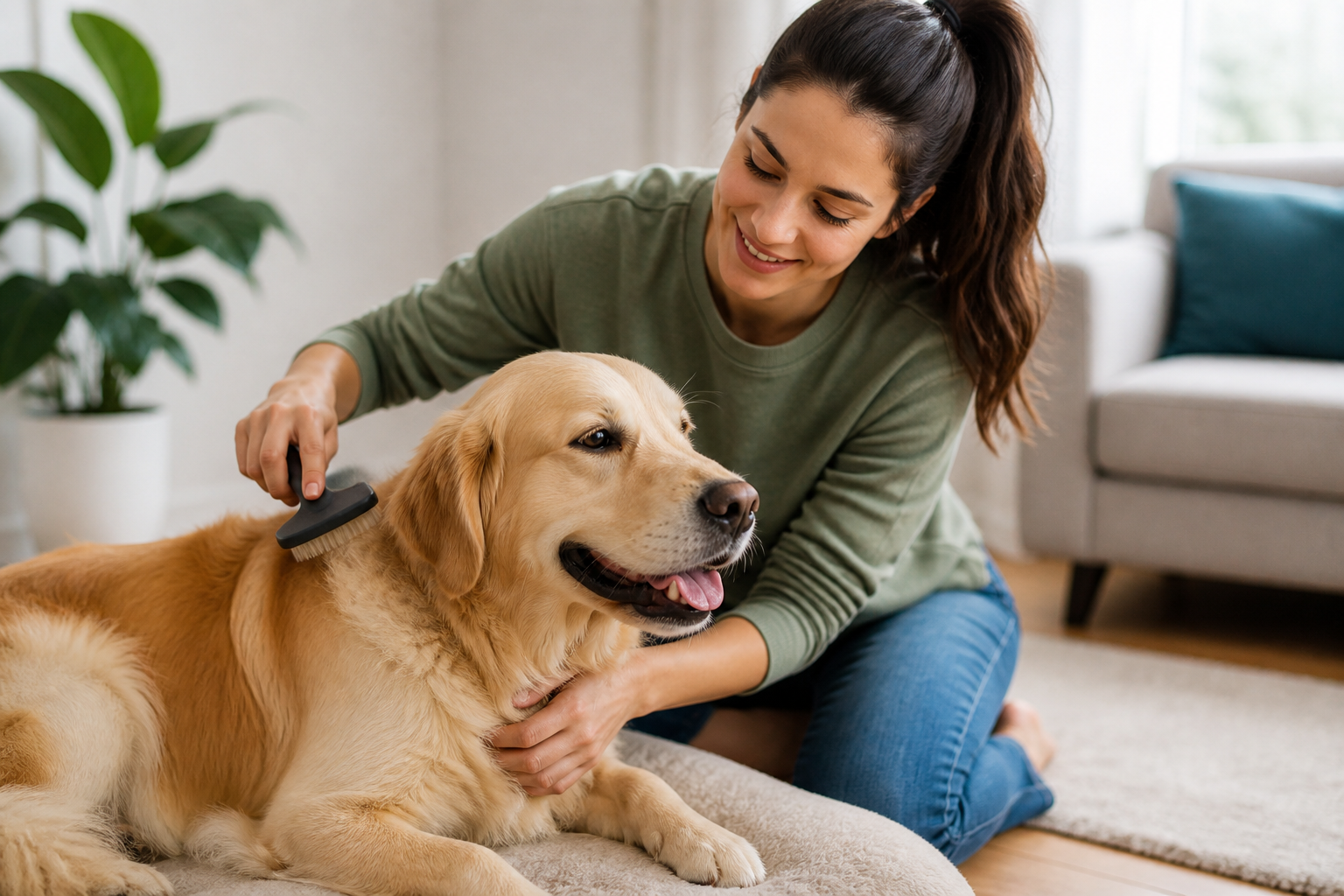
You reach for the grooming kit, and suddenly your dog is nowhere to be found. Maybe they hide under the dining table or start a game of chase you did not agree to. Grooming should be a quiet moment of connection, but for many owners, it feels like a wrestling match. At BaxterBoo, we know that a stressful grooming routine often leads to skipped sessions and painful mats. This guide will walk you through gentle desensitization, the right tool selection, and positive reinforcement techniques. You can turn the brush from a scary object into a source of treats and praise. Our goal is to help you build a routine that keeps your dog looking great and feeling even better. With patience and the right approach, your dog can learn to relax and even enjoy their regular brush-outs.
Quick Answer: Start by letting your dog sniff the brush while receiving high-value treats. Gradually move to touching them with the back of the brush before attempting a single stroke. Always end the session while your dog is still calm to build a positive association over time.
Understanding Why Your Dog Dislikes the Brush
Before you can change your dog's mind, you need to understand their perspective. For many dogs, the brush represents a loss of control or a source of physical discomfort. If your dog has had a painful experience with a mat being pulled, they will remember that pain the next time the tool appears. Puppies often struggle with brushing because they have high energy and simply do not want to sit still. Senior dogs might have sensitive skin or joint pain that makes certain positions uncomfortable.
Pay close attention to your dog's body language. Do they stiffen up when you move toward their back legs? Do they tuck their tail or lick their lips? These are signs of anxiety rather than simple stubbornness. Some dogs are also sensitive to the sound of certain tools, such as the scraping noise of a slicker brush. Recognizing these triggers allows you to adjust your technique and choose tools that are less intimidating.
Vet Tip: If your dog reacts with sudden aggression or yelping when touched in specific areas, consult your veterinarian. Underlying issues like arthritis, skin infections, or hidden injuries can make brushing painful. Our dog pharmacy carries medications for chronic joint pain and skin conditions if your vet identifies a medical need.
Selecting the Right Grooming Tools
The wrong tool can make grooming feel like a chore for both of you. A common mistake is using a heavy-duty slicker brush on a dog with very short hair or sensitive skin. If the bristles are too sharp, they can cause "brush burn," which is a painful irritation of the skin. For dogs that are truly terrified of brushes, we often suggest starting with a grooming glove. These look and feel like a regular rubber glove with small nubs on the palm. Your dog feels like they are being petted, while the glove gently removes loose fur.
If your dog has a long or double coat, you will eventually need a more robust tool like a pin brush or a metal comb. However, you should choose one with rounded or coated tips. These are much gentler on the skin. We carry a wide variety of dog grooming supplies designed for different coat types. Using a detangling spray can also make a huge difference. These sprays add "slip" to the hair, allowing the brush to glide through without snagging.
Common Brush Types and Their Uses
- Grooming Gloves: Best for anxious dogs and short-haired breeds.
- Pin Brushes: Ideal for long-haired dogs to prevent tangles without pulling.
- Rubber Curry Brushes: Perfect for short-haired dogs to remove dander and massage the skin.
- Metal Combs: Necessary for checking for hidden mats in thick coats.
- Slicker Brushes: Used for removing loose undercoat but must be used with a light touch.
Key Takeaway: The goal of tool selection is to minimize physical discomfort. If a tool causes pulling or scratching, your dog will never learn to enjoy the process.
The Desensitization Process Step by Step
Desensitization is the process of slowly getting your dog used to something they fear. You cannot rush this. If you try to do a full-body brush-out on the first day, you will likely fail. Instead, break the process down into tiny, manageable steps. Each step should be paired with a high-value reward, like small pieces of chicken or a favorite toy.
Step 1: Introduction / Leave the brush on the floor in a room where your dog hangs out. Place a few treats around it. Let your dog investigate the brush on their own terms. When they sniff it, give them a treat and plenty of praise.
Step 2: Touch / Pick up the brush. While feeding your dog treats, touch their shoulder with the back of the brush (the non-bristle side). This gets them used to the feel of the tool without the sensation of brushing. Do this for just a few seconds and then put the brush away.
Step 3: The First Stroke / Flip the brush over. While your dog is busy eating a treat, do one very gentle stroke down their back. This is usually the least sensitive area. Stop immediately and give more praise. If they stay calm, do one more stroke.
Step 4: Increasing Duration / Gradually increase the number of strokes. If your dog starts to wiggle or show signs of stress, you have gone too far. Go back to Step 2 for a while. The session should always end on a high note before the dog gets upset.
Using High-Value Rewards and Distractions
The secret to a successful grooming session is often the quality of the treats. Boring kibble usually will not cut it for a dog that is truly scared. You need something "high-value" that they only get during grooming. This creates a powerful association: "When the brush comes out, I get the amazing snacks."
Distractions are also incredibly helpful. Many owners find success using a lick mat. You can spread peanut butter or plain Greek yogurt on a textured silicone mat and stick it to the floor or a wall. While your dog is focused on licking, they are much less likely to worry about what you are doing with the brush. This keeps their head and mouth occupied, which also reduces the risk of "mouthy" behavior or nipping.
- Peanut Butter: Ensure it is xylitol-free.
- Squeezable Treats: These allow you to deliver a constant stream of rewards.
- Frozen Treats: These last longer and provide more distraction time.
- Favorite Toys: Some dogs are more motivated by a game of tug after a successful session.
For more ideas, explore high-value dog treats for training.
Bottom line: Reward the behavior you want to see, which is a calm and still body.
Handling Sensitive Areas Like Paws and Ears
Most dogs have "no-touch" zones. The paws, ears, tail, and face are common areas where dogs feel vulnerable. These areas require an even slower approach. Never grab a dog's paw and start brushing. Instead, work on "handling" these areas without a brush first. Spend time every day touching their ears and rubbing their paws during cuddle time.
When you are ready to use the brush on these areas, use the "A, B, C" method to build duration. Instead of just brushing, count to three or say "A, B, C" while you brush. This helps you keep the sessions short and predictable for your dog. They learn that the sensation will only last for a specific amount of time before they get a break and a treat.
For the face and ears, a small, soft-bristled toothbrush or a very small comb can be less intimidating than a large brush. Always brush in the direction of hair growth. If you find a knot near the ear, do not pull it. Hold the base of the hair near the skin so the dog does not feel the tug, and gently tease the knot apart.
Managing Mats Without the Trauma
Mats are one of the primary reasons dogs hate being brushed. They are painful. A mat is essentially a clump of hair that has become tightly knotted and is pulling on the skin. Every time a brush hits a mat, it is like someone pulling your hair very hard. If your dog is already heavily matted, the kindest thing you can do is start fresh with a professional "save-the-skin" clip.
Once the mats are gone, you can start your training on a clean slate. To prevent mats from returning, you must brush down to the skin, not just over the top of the fur. Use a metal comb to check your work. If the comb slides through the coat from the skin to the tips, you are mat-free. If it catches, you have a small knot starting.
If your dog develops frequent mats despite regular brushing, they may have very dry hair. Using a high-quality conditioner during bath time can help. You can also find leave-in sprays at BaxterBoo that keep the hair shafts smooth. Healthy skin and a healthy coat are much easier to maintain. For additional grooming guidance, read these tips for bathing your dog.
Key Takeaway: Brushing over a mat is painful and will ruin your training progress. Treat mats as a separate issue that may require professional help or a very gentle, localized approach.
Setting the Right Environment for Success
Where you brush your dog matters. If you try to brush them in the middle of a high-traffic kitchen, they will be distracted and jumpy. Choose a quiet area where you can both relax. Some owners prefer a "grooming station," such as a specific mat or a sturdy table. Having a dedicated spot helps the dog understand what is expected of them when they are in that space.
Timing is also a major factor. Do not try to brush your dog when they have "the zoomies" or right after they have woken up from a nap and are full of energy. The best time for grooming is after a long walk or a vigorous play session. When a dog is physically tired, they are much more likely to settle down and tolerate being handled.
Consistency is your best friend. Brushing for two minutes every single day is much more effective than trying to do a thirty-minute session once a week. Frequent, short, positive sessions build a habit. Eventually, the routine becomes a normal part of their day rather than a scary event.
What to Do If Your Dog Bites or Nips
Safety must always come first. If your dog is snapping, growling, or trying to bite the brush, you need to stop. These are clear signs that your dog is over their threshold and feels they have no other way to tell you to stop. Forcing the issue will only lead to a bite or a permanent fear of grooming.
In these cases, it is often best to work with a professional positive-reinforcement trainer. They can help you identify exactly where the communication is breaking down. You might also consider using a basket muzzle during the training process. A basket muzzle allows the dog to pant, drink, and take treats while keeping everyone safe. However, a muzzle should never be used as a way to "force" a dog through a scary experience. It is simply a safety tool while you work on the underlying fear.
For additional training and behavior supplies, visit our dog training and behavior category.
If your dog's skin is highly reactive or they seem to be in pain, the pharmacy at BaxterBoo can be a resource. We provide prescription options that might help with underlying skin inflammation or anxiety. A dog that feels physically comfortable is much easier to train.
Advanced Training: The "Chin Rest" and Choice-Based Grooming
If you want to take your grooming to the next level, you can teach your dog a "chin rest" behavior. This is a common technique used in zoos and by professional trainers. You teach your dog to rest their chin in your hand or on a stool. As long as their chin stays down, the grooming continues. If they lift their head, you stop.
This gives your dog a "start" and "stop" button. When a dog knows they have a choice, their anxiety levels drop significantly. They feel empowered rather than trapped. You can start this by putting a treat in your palm and waiting for them to rest their chin there to get it. Gradually increase the time they must hold their chin in your hand before they get the reward.
Once the chin rest is solid, hold the brush in your other hand. If they keep their chin down while you touch them with the brush, they get a jackpot reward. This level of cooperation makes grooming a peaceful, collaborative effort.
Maintaining the Habit
Once your dog starts to tolerate the brush, don't stop the rewards. You can slowly transition from "a treat for every stroke" to "a treat after we finish a leg." However, you should always offer some form of praise or a small reward at the end of every session.
Check your tools regularly to make sure they are in good condition. Bent pins on a slicker brush or a rusty comb can cause skin irritation. Keeping your supplies clean and in good repair shows your dog that you care about their comfort. If you use our Autoship programme for your food and treats, you can easily add grooming wipes or sprays to your recurring order so you never run out of the essentials.
Bottom line: Patience and consistency are the only ways to build lasting trust during grooming.
Conclusion
Getting your dog to like being brushed is a journey of patience and positive reinforcement. By understanding their fears, choosing the right tools, and moving at their pace, you can transform a stressful chore into a bonding ritual. Remember to keep sessions short, use high-value rewards like those found in our dog treat collection, and always prioritize your dog's comfort. If you hit a roadblock, don't be afraid to take a step back or consult a professional. With a little time and a lot of treats, your dog will be sporting a healthy, shiny coat without the drama.
Key Takeaway: Success in grooming is built on trust, not force. Use gentle tools, go slowly, and reward every small victory to create a dog that truly enjoys the brush.
For more resources on keeping your pet healthy and happy, visit our grooming category to find the perfect tools for your dog's coat type. If you need support for skin conditions or anxiety during grooming, our pet pharmacy is here to help with prescription solutions.
FAQ
How long does it take for a dog to get used to being brushed?
Every dog is different, but most will show significant improvement within two to four weeks of daily, short sessions. If your dog has a history of trauma or pain related to grooming, it may take longer. Consistency is more important than the length of the session, so aim for just a few minutes every day.
Can I use a human hairbrush on my dog?
It is generally not recommended to use human brushes on dogs. Human hair is different from dog fur, and our brushes are not designed to penetrate a dog's thick undercoat or handle the texture of their hair. Using a brush specifically designed for pets ensures that the bristles are safe for their skin and effective at removing loose fur and dander.
What should I do if my dog keeps trying to bite the brush?
If your dog bites the brush, stop the session immediately. This is a sign of extreme stress or pain. Try switching to a softer tool like a grooming glove and use higher-value treats. If the behavior continues, consult a professional trainer or your veterinarian to rule out any underlying medical issues.
How often should I brush my dog?
The frequency depends on your dog's breed and coat type. Long-haired or double-coated breeds often need daily brushing to prevent mats, while short-haired breeds might only need it once or twice a week. Regular brushing not only prevents tangles but also helps distribute natural oils across the skin for a healthier coat.






