
 Save 15% on your 1st Autoship learn more

 Email us
 Live Chat
 FAQs
FAQs





Introduction
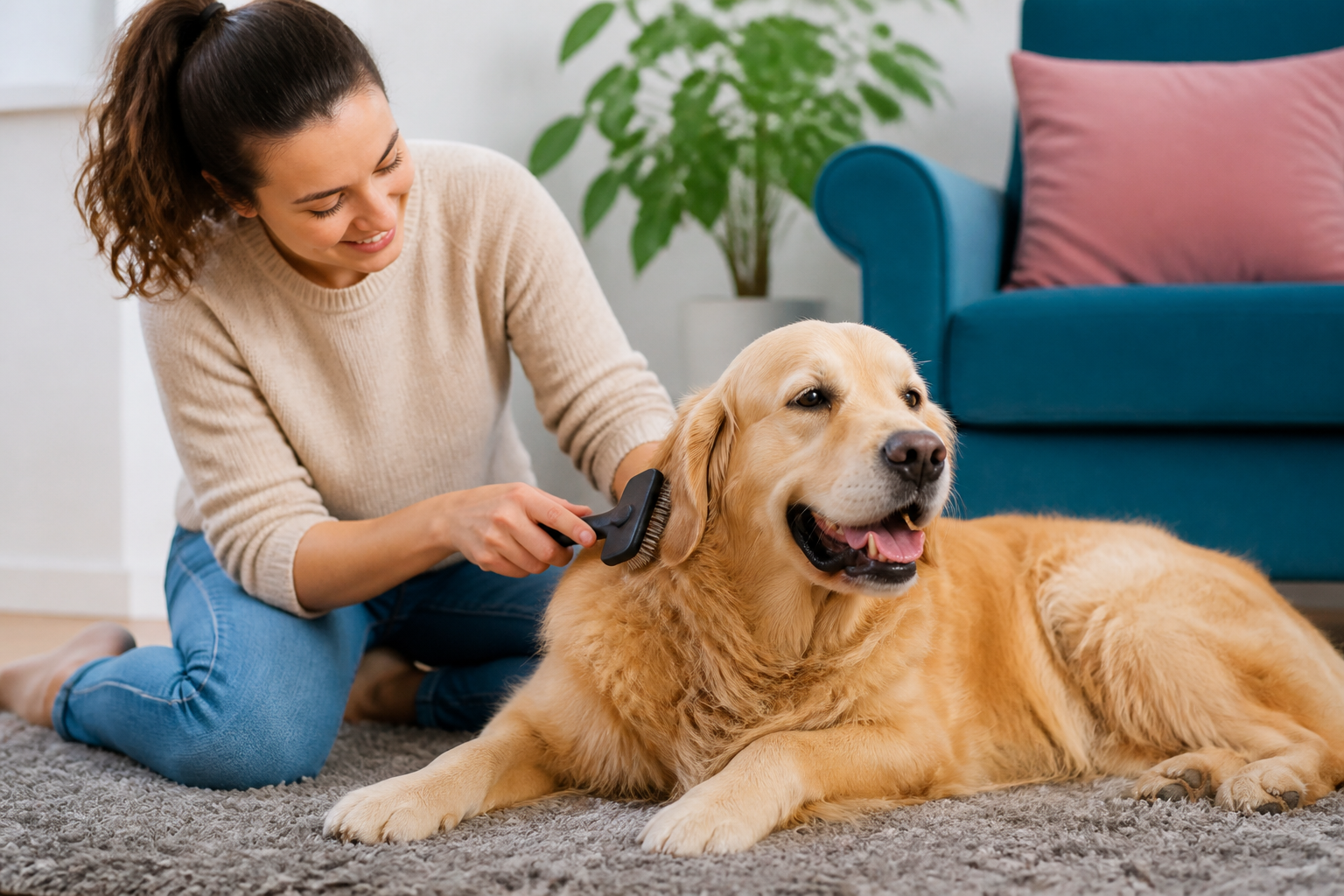
You pull the grooming brush out of the drawer and suddenly the room is empty. You hear the faint sound of paws scurrying into the other room or under the bed. For many dog owners, this is a daily reality. Brushing can feel like a battle of wills rather than a bonding moment. At BaxterBoo, we understand that a reluctant dog makes grooming difficult for everyone involved. However, keeping your dog brushed is a fundamental part of their health and comfort. It prevents painful mats and allows you to spot skin issues early. This guide will help you transform your dog’s fear into focus. We will cover the tools you need and a step-by-step training plan. With patience and the right approach, any dog can learn to stay calm during their grooming routine.
Quick Answer: To get your dog used to brushing, use a process called desensitization. Start by letting them sniff the brush and giving them high-value treats. Gradually move to touching them with the back of the brush before attempting a single stroke, always rewarding calm behavior.
Why Your Dog Avoids the Brush
Dogs rarely dislike brushing without a reason. Many pets have a strong memory of a previous experience that caused them pain. If a brush once snagged on a deep mat or scratched their sensitive skin, they will remember that sensation. Some dogs are also sensitive to the sound or the sight of the grooming tools. This is especially common if they were not handled much during their puppy months.
Other dogs are simply impatient. They have high energy and find it difficult to stand still while you work through their coat. They might see the brush as a toy to be chewed or a signal to start a game of chase. Older dogs may have underlying physical reasons for their resistance. If a senior dog has stiff joints, standing in one position or having their legs lifted can be uncomfortable.
Vet Tip: If your dog suddenly reacts with aggression or extreme pain during brushing, schedule a visit with your veterinarian. They can check for hidden skin infections, hot spots, or joint issues like arthritis that might be making the grooming process physically painful.
Choosing the Right Tools for Success
Using the wrong brush is a common reason for grooming struggles. A brush with stiff wire bristles might be too harsh for a dog with thin hair or sensitive skin. Before you start training, ensure you have the correct equipment for your dog’s specific coat type. We carry a wide variety of options in our dog grooming collection to suit different needs.
For dogs that are extremely fearful, a grooming glove is often the best place to start. These fit over your hand like a mitten and have rubber nubs on the palm. Your dog feels like they are being petted rather than brushed. This is a great way to build trust.
If your dog has a thick or double coat, a slicker brush is often necessary. These have fine, short wires close together. They are excellent for removing loose fur and preventing mats. However, you must use a light touch to avoid "brush burn" on the skin. For dogs with long, silky hair, a metal comb is essential for checking for tangles after you finish brushing.
Essential Grooming Supplies
- Grooming gloves for sensitive or fearful dogs.
- Slicker brushes for thick or curly coats.
- Soft bristle brushes for short-haired breeds.
- Metal combs to find hidden mats.
- High-value treats used only for grooming sessions.
- A non-slip mat for your dog to stand on.
Creating a Stress-Free Environment
The setting where you brush your dog matters as much as the brush itself. If you try to groom your dog in a high-traffic area, they will likely feel distracted or cornered. Choose a quiet corner of your home where you can both relax. Using a dedicated "grooming station" can help your dog understand what is expected of them.
If you have a small dog, placing them on a sturdy table with a non-slip surface can give you better control. For larger dogs, a comfortable rug or a dedicated dog bed works well. Avoid grooming your dog right after they have had a nap and are full of energy. A long walk or a session of fetch before grooming can help them settle down.
When you are ready to begin, keep your own energy calm. Dogs are experts at reading human emotions. If you are frustrated or rushed, your dog will pick up on that tension. Take deep breaths and speak to your dog in a low, soothing voice. Keep the first few sessions very short. You do not need to brush the entire dog at once.
Bottom line: Success in grooming depends on choosing the right tools for your dog's coat and creating a calm, distraction-free environment before you begin.
The Step-By-Step Desensitization Plan
Desensitization means slowly introducing your dog to the brush in a way that does not trigger their fear response. This process takes time and should never be rushed. If your dog shows signs of stress, such as tucking their tail or growling, you are moving too fast. Go back to the previous step where they felt comfortable.
Step 1: Introduce the brush without touching. / Place the brush on the floor and put a few high-value treats around it. Let your dog approach the brush at their own pace. When they sniff the brush, praise them and give them an extra treat. Do this several times a day until they see the brush and look to you for a reward.
Step 2: Touch the dog with the back of the brush. / Hold the brush in your hand and let your dog sniff it. While they are sniffing or eating a treat, gently touch their shoulder with the smooth back of the brush. Do not use the bristles yet. This gets them used to the feeling of the tool against their body.
Step 3: Attempt a single stroke. / Once your dog is calm with the touch, flip the brush over. Choose an area that is generally less sensitive, like the back or sides. Give one very gentle, short stroke. Immediately follow this with a treat and praise. Stop the session there to keep the memory positive.
Step 4: Increase the duration gradually. / Over the next few days, slowly increase the number of strokes. Start with two or three before giving a treat. Work your way up to brushing one entire side of the dog before a major reward. Always end the session before your dog gets restless.
Step 5: Move to sensitive areas. / Areas like the belly, legs, and tail are often the most sensitive. Save these for last. Use plenty of treats and take frequent breaks. If your dog pulls away, do not chase them with the brush. Wait for them to settle and try a less sensitive area again.
Key Takeaway: The goal of training is to create a positive association with the brush through small, successful steps and consistent rewards.
Using Positive Reinforcement and Distraction
Treats are your best friend when training a dog to enjoy grooming. However, not all treats are created equal. For a task that your dog finds difficult, you need "high-value" rewards. This might be small pieces of plain cooked chicken, cheese, or specialized training treats. These should be rewards your dog rarely gets at any other time.
Distraction can also be a powerful tool. Many owners find success using a silicone lick mat. You can spread a bit of dog-safe peanut butter or plain yogurt on the mat and stick it to a wall or the floor. While your dog is busy licking the treat, you can focus on brushing. This keeps their head occupied and provides a continuous reward while you work through their coat.
It is also important to use vocal praise. Tell your dog they are doing a great job in a happy tone. This helps build their confidence. If they start to get fidgety, you can use a "wait" or "stay" command if they know it. If they follow the command, give them a reward immediately. This turns grooming into a cooperative training exercise.
Addressing Mats and Irritated Skin
If you discover a mat while you are brushing, do not try to pull it out with the brush. This causes sharp pain and will set your training back significantly. Instead, use your fingers to gently pull the mat apart. You can also use a dedicated de-matting tool or a metal comb to slowly work from the ends of the hair toward the skin. For additional guidance, read our tips on brushing and removing mats after bathing.
Sometimes, brushing reveals skin issues like redness, dryness, or evidence of pests. If your dog is constantly itchy or has sensitive skin, it might be due to allergies or environmental factors. At BaxterBoo, we provide access to our dog pharmacy through our partnership with Pet's Choice. This allows you to find FDA-approved medications and prescription diets that can improve your dog’s skin and coat health.
Healthy skin starts from the inside. If your dog’s skin is less irritated, they will likely be much more tolerant of the brushing process. We offer a variety of supplements that support skin and coat health, which can be a great addition to your routine. Always check with your vet before starting a new supplement or medication for your pet.
Vet Tip: Never use regular scissors to cut out a mat near the skin. Dog skin is very thin and can easily be caught in the blades, leading to serious injuries. If a mat is too tight to brush out, consult a professional groomer or your veterinarian for safe removal.
Understanding Your Dog's Body Language
To be successful, you must learn to "read" your dog. They will tell you they are uncomfortable long before they resort to growling or snapping. Recognizing these early signs allows you to stop the session before it becomes a negative experience.
Common signs of stress include:
- Yawning when they are not tired.
- Licking their lips repeatedly.
- Showing the whites of their eyes (whale eye).
- Turning their head away from you or the brush.
- Lifting a front paw.
- Stiffening their body or freezing in place.
If you see these signs, take a step back. You might be applying too much pressure, or the session might simply be lasting too long for their current comfort level. By respecting their boundaries, you build the trust necessary for long-term success.
Bottom line: Paying close attention to your dog's subtle body language helps you adjust your pace and prevents grooming sessions from becoming overwhelming for your pet.
Maintaining a Routine for Long-Term Success
Consistency is the most important factor in getting your dog used to brushing. If you only brush your dog once a month, they will never get used to the sensation. It also makes it more likely that they will develop mats, which makes the next session painful. Aim for short, daily sessions. Even five minutes of brushing every evening can make a massive difference.
Make grooming a part of your daily schedule. Perhaps you brush them right after their evening walk or while you are watching television. When brushing becomes a predictable part of the day, most dogs will naturally become more relaxed. They learn that the brush is not a threat but just another part of their life with you.
As your dog becomes more comfortable, you can start to incorporate other grooming tasks. This includes checking their ears, looking at their paws, and eventually trimming their nails. The same rules of desensitization apply to every part of the grooming process. Start slow, use rewards, and keep the energy positive. For another routine-based care guide, explore healthy dog paw pad care.
When to Seek Professional Help
Some dogs have such deep-seated fears that home training may not be enough. If your dog tries to bite you when they see a brush, or if they have a panic attack, it is time to call in the professionals. A certified animal behaviorist or a trainer who uses positive reinforcement can help you work through these intense fears safely.
Professional groomers are also a great resource. Many groomers offer "happy visits" where your dog can visit the salon just to get treats and pets without being groomed. This helps them realize that the grooming environment is a safe place. A professional can also give you specific tips on how to handle your dog's unique coat and temperament.
If your dog’s fear is rooted in severe anxiety, your veterinarian might suggest calming supplements or medications. These can be particularly helpful during the early stages of training to help your dog stay below their stress threshold. You can find many of these calming aids and prescription options through our dog pharmacy at BaxterBoo.
Supporting Your Dog's Grooming Journey
Grooming is an act of care that goes beyond aesthetics. It is a commitment to your dog's physical comfort and well-being. By taking the time to teach them that the brush is a friend, you are improving their quality of life. You are also making it easier to monitor their health throughout their life.
We are here to support you at every stage of your pet ownership journey. Whether you need a new KONG Zoom Groom Natural Rubber Dog Grooming Brush, a high-quality slicker, or specialized skin support from our pharmacy, we have the tools you need. Our MVP Rewards programme also helps you save on these essential supplies, making it easier to keep your dog in top shape.
Remember that progress is rarely a straight line. Some days your dog will be an angel, and other days they might be extra wiggly or sensitive. Stay patient, stay consistent, and keep the treats handy. Over time, the sound of the grooming drawer opening will no longer result in an empty room, but a wagging tail.
Key Takeaway: Patience and consistency are the foundations of a stress-free grooming routine that benefits both you and your dog for years to come.
FAQ
How long does it take for a dog to get used to brushing?
The timeline varies for every dog based on their personality and past experiences. Some dogs may adjust within a week of daily positive sessions, while others may take several months to feel fully comfortable. Consistency is more important than speed, so aim for short sessions every single day to build a lasting habit.
What should I do if my dog tries to bite the brush?
If your dog bites the brush, they are likely trying to tell you they are scared or overwhelmed. Stop the session immediately and give them space. When you try again later, go back several steps in the desensitization process. Start by just having the brush nearby while they eat treats, and do not attempt to touch them with it until they are completely relaxed in its presence.
Can I use human hairbrushes on my dog?
It is generally not recommended to use human brushes on dogs. Human hair is different from dog fur, and our brushes are not designed to reach through thick undercoats or safely remove mats. Furthermore, some human brushes have plastic tips that can easily break off and be swallowed, or they may have bristles that are too stiff and scratch the dog’s skin.
Is it okay to brush my dog when their fur is wet?
For many coat types, especially those prone to matting like poodles or doodles, brushing while wet can actually make tangles worse. Water can cause some types of hair to shrink and tighten around existing knots. It is usually best to brush your dog thoroughly before a bath and then again once they are completely dry, unless you are using a specific leave-in conditioner designed for wet brushing.






