
 Save 15% on your 1st Autoship learn more

 Email us
 Live Chat
 FAQs
FAQs





Introduction
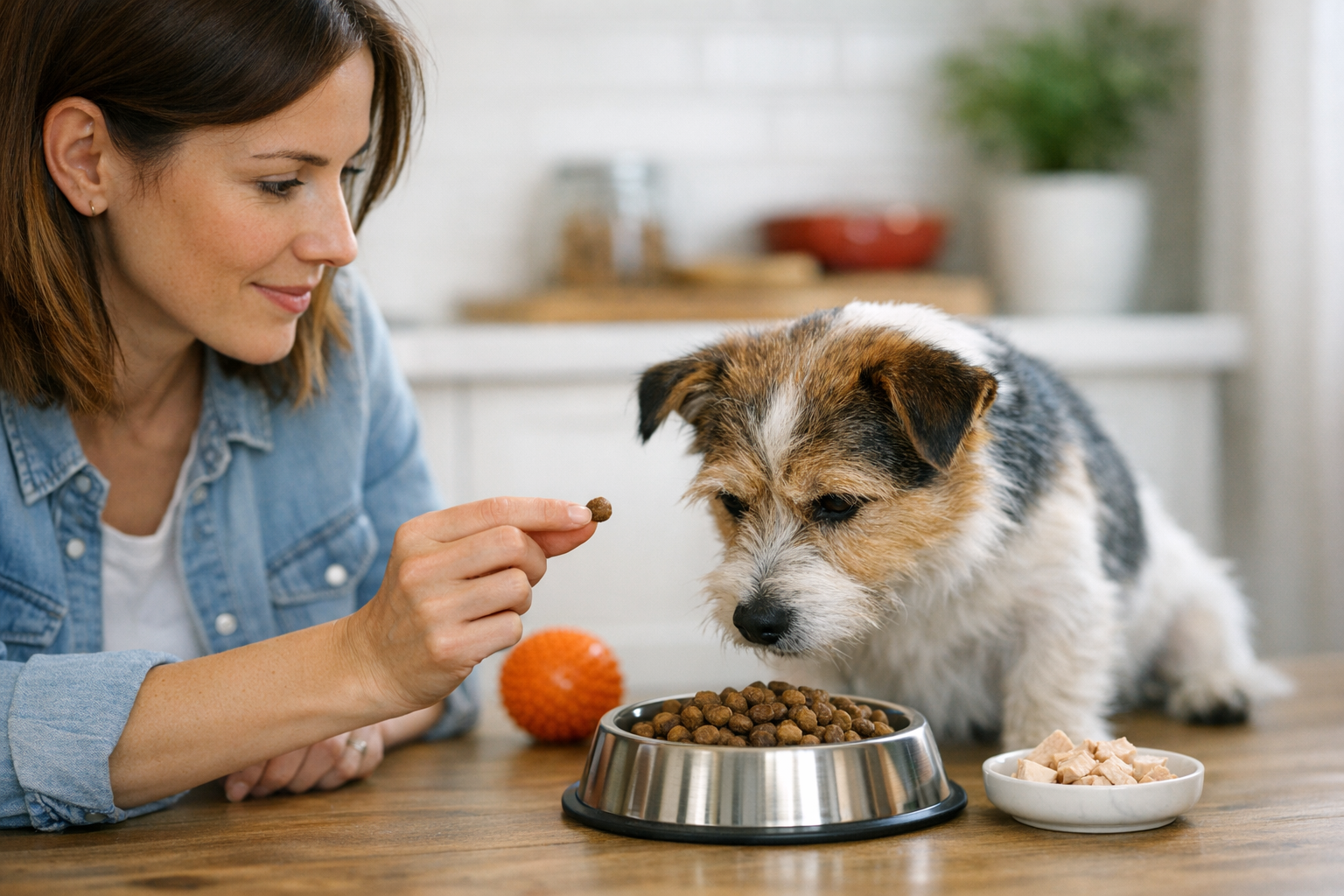
You set the bowl down and hear the familiar clink of kibble against ceramic. Instead of the usual enthusiastic scramble, your dog walks over, gives a single disinterested sniff, and wanders away to nap. This moment of rejection is frustrating for any pet owner who just wants their companion to be well-fed and healthy. We see this often at BaxterBoo, where we have helped dog owners find the right solutions for their pets since 2006. While some dogs are born with a discerning palate, others develop picky habits through routine or hidden health changes. This post covers the practical steps you can take to understand why your dog is refusing meals and how to make dry food the highlight of their day. You will learn how to rule out medical issues and implement successful feeding strategies.
Quick Answer: Start by establishing a strict feeding schedule and removing the bowl after 20 minutes to create a sense of value. You can also enhance the food by adding warm water or a high-quality topper to release enticing aromas that encourage eating.
Rule Out Medical and Health Concerns
Before you assume your dog is just being difficult, you must ensure they are not in pain or feeling unwell. A sudden loss of appetite is often the first sign of an underlying medical condition. Dogs cannot tell us when their teeth ache or when their stomach feels sour. If a dog who usually loves their food suddenly stops eating, it is time for a professional opinion.
Check for Dental Distress
Dental disease is one of the most common reasons dogs avoid hard kibble. If your dog has a cracked tooth, inflamed gums, or an abscess, crunching down on dry food can be incredibly painful. You might notice your dog picking up a piece of kibble and then dropping it, or only chewing on one side of their mouth.
Internal Health and Age
Other issues like kidney disease, gastrointestinal upset, or even simple aging can affect appetite. Senior dogs often experience a decline in their sense of smell. Since a dog's sense of taste is closely linked to scent, food that once smelled great may now seem bland. Arthritis can also play a role. If the food bowl is on the floor and it hurts for a senior dog to stoop down, they may choose to skip the meal entirely.
Vet Tip: If your dog refuses food for more than 24 hours or shows signs of lethargy and weight loss, consult your veterinarian immediately. If your vet recommends prescription food or medication support, our pet pharmacy can help you find the right options for ongoing care.
Evaluate the Role of Treats and Scraps
It is very easy to accidentally train a dog to be a picky eater. If your dog knows that refusing kibble leads to a slice of chicken or a handful of premium treats, they will wait for the better offer. Dogs are smart and will hold out for high-value rewards if they know those rewards are coming.
The 10 Percent Rule
Treats should never make up more than 10 percent of your dog's daily caloric intake. If your dog is getting too many treats throughout the day, they simply might not be hungry when dinner time arrives. Monitor everyone in the household to ensure no one is sneaking extra snacks under the table.
Eliminating Table Scraps
Table scraps are often much more flavorful and saltier than balanced dog food. Once a dog gets a taste for human food, standard dry kibble can seem unappealing. To reset your dog’s palate, you may need to stop all table scraps for at least two weeks. This forces them to focus on their own nutritionally complete meals.
Next Steps for Managing Calories:
- Keep a food diary for three days to track every treat and scrap.
- Subtract the calories in treats from the total daily meal portion.
- Use a portion of their daily kibble as "treats" during training sessions.
- Ensure all family members are following the same no-scrap rule.
Create a Consistent Feeding Routine
Dogs thrive on predictability. If food is available all day, it loses its value. Free-feeding, which is leaving a bowl of dry food out at all times, often contributes to pickiness. The food can become stale and lose its aroma, making it even less enticing.
The 20 Minute Rule
Set a specific time for breakfast and dinner. Put the bowl down and give your dog 20 minutes to eat. If they have not finished or have not touched it after that window, pick the bowl up. Do not offer food again until the next scheduled mealtime. This teaches your dog that food is a limited resource that must be eaten when provided.
Environmental Factors
The location of the bowl matters. Some dogs feel vulnerable while eating and need a quiet, low-traffic area. Other dogs may be distracted by the sight of other pets or children. Try moving the bowl to a different room or a corner where they feel secure. Also, check the bowl itself. Some dogs dislike the sound of their collar tags hitting a metal bowl. Switching to a ceramic or plastic dish can sometimes solve the problem instantly.
Key Takeaway: A strict feeding schedule creates a "use it or lose it" mentality that naturally encourages a dog to eat when the bowl is served.
Enhance the Appeal of Dry Food
If your dog is healthy but still uninterested, you can use safe "hacks" to make the kibble more attractive. The goal is to stimulate their senses of smell and taste without unbalancing their nutrition.
Add Warm Water or Broth
Adding a splash of warm water to dry kibble is one of the simplest ways to help. The warmth helps release the fats and aromas in the food. It also creates a light gravy and softens the texture, which is helpful for older dogs. Ensure the water is warm but not hot. You can also use a dog-safe bone broth that is free from onions, garlic, and excessive salt.
Use Quality Toppers
A small amount of high-quality wet food mixed thoroughly into the kibble can make a massive difference. If you want an easy place to start, browse our food topper collection for mix-ins that can help make dry food more enticing. Do not just put the topper on top, or your dog might just lick off the good stuff and leave the kibble. Mix it in so every piece of dry food is coated.
Temperature and Scent
Cold food has very little smell. If you store your dry food in a cold garage or keep opened wet food in the fridge, let it come to room temperature before serving. You can even microwave wet toppers for a few seconds to boost the scent. Just be sure to stir and check for hot spots before giving it to your dog.
Bottom line: Increasing the moisture and temperature of dry food mimics the sensory experience of fresh prey, which is naturally more appealing to a dog's instincts.
Choose the Right Kibble for Fussy Eaters
Not all kibble is created equal. The size, shape, and ingredients of the food can all influence whether a dog wants to eat it. Sometimes, the solution is simply finding a brand that aligns better with your dog's preferences.
Kibble Size and Texture
Small breeds often struggle with large, hard nuggets. They may prefer a smaller kibble size that is easier to manage. Conversely, some large breeds enjoy a bigger crunch. Some brands, like Royal Canin or Farmina, offer breed-specific or size-specific formulas that account for these physical differences. You might also look for "shredded" blends that mix crunchy kibble with tender, meaty pieces.
Ingredient Rotations
Dogs can get bored with the same protein source for years. If you always feed chicken, try a formula based on lamb, beef, or fish. When switching brands or proteins, always do it gradually over 7 to 10 days. This prevents digestive upset and helps the dog adjust to the new flavor profile. We carry over 500 trusted brands at BaxterBoo, making it easy to find a variety of high-quality options like Orijen, Acana, and Open Farm.
Next Steps for Food Selection:
- Identify if your dog prefers fishy, meaty, or poultry scents.
- Compare kibble sizes to ensure they match your dog’s jaw size.
- Check the ingredient list for high-quality fats which improve palatability.
- Sign up for our Autoship programme to save on your dog's favorite brands and ensure you never run out.
Gamify the Mealtime Experience
Some dogs find a standard bowl boring. In the wild, dogs are scavengers and hunters who work for their food. Introducing a bit of mental stimulation can turn mealtime into a rewarding challenge.
Puzzle Feeders and Toys
Using a puzzle feeder or a Kong toy can spark a dog's interest. These tools require the dog to nudge, flip, or chew the toy to release the kibble. The mental effort required can actually make the food more satisfying. This is also a great way to slow down dogs who eat too fast when they finally do decide to eat.
Training for Food
You can use mealtime as a training session. Instead of putting the bowl down, use the kibble as rewards for basic commands like sit, stay, or come. Many dogs are more motivated to eat when they feel they have "earned" the food through interaction with their owner. This also strengthens your bond and provides necessary mental enrichment.
Snuffle Mats
A snuffle mat is a fabric mat with many strips of felt that hide the kibble. The dog must use their nose to find each piece. Since sniffing is a calming and rewarding activity for dogs, it can lower stress and increase their focus on the food.
When to Consider Prescription or Specialized Diets
Sometimes, pickiness is a symptom of a food sensitivity or an allergy. If your dog has an itchy coat, frequent ear infections, or chronic gas, their current food might be making them feel unwell. In these cases, a specialized diet might be necessary.
Limited Ingredient Diets
Limited ingredient diets use a single protein and a single starch source. This reduces the chances of a reaction. Brands like Zesty Paws or Honest Paws also offer supplements that can support skin and coat health during these transitions.
The Role of Our Pharmacy
For dogs with severe allergies or chronic illnesses like kidney or liver disease, a standard over-the-counter kibble may not be enough. Our pharmacy collection includes specialized options for pets with more complex needs, and our team can help you manage recurring orders if your veterinarian recommends a prescription diet.
Positive Reinforcement and Patience
It is hard not to get stressed when your dog won't eat, but dogs are very sensitive to our emotions. if you are hovering over the bowl, sighing, or acting anxious, your dog will pick up on that tension. This can create a negative association with mealtime.
Stay Calm
Put the food down, walk away, and go about your business. Let them eat in peace. When they do finish their meal, you can offer a small amount of praise, but don't make it a high-energy event that might distract them from future meals.
Consistency Across the Household
Ensure every person in your home is on the same page. If one person is following the 20-minute rule but another is giving treats in the afternoon, the strategy will fail. Consistency is the most important factor in changing a dog's behavior. It may take a few days of your dog skipping a meal or two before they realize the new routine is permanent. As long as they are healthy and have access to water, a healthy dog can safely skip a meal.
Conclusion
Getting a picky dog to eat dry food requires a mix of medical screening, behavioral discipline, and sensory enhancement. Start by visiting your vet to ensure no dental or internal issues are causing the lack of appetite. Once cleared, establish a strict feeding schedule and limit treats to ensure your dog is actually hungry at mealtime. You can improve the appeal of kibble by adding warm water, using quality toppers, or switching to a protein source your dog finds more enticing. Our team at BaxterBoo is here to help you navigate these choices with a curated selection of premium foods and a convenient pharmacy for specialized needs. Consider joining our MVP Rewards programme to earn points on every bag of food and topper you purchase as you find the perfect match for your pet.
FAQ
How long can a healthy dog go without eating?
A healthy adult dog can typically go 24 to 48 hours without food as long as they are drinking water and acting normal. However, you should never let a puppy or a dog with underlying health issues skip meals for that long. If your dog is lethargic or refuses food for more than 24 hours, call your veterinarian to rule out illness.
Will my dog eventually eat if they get hungry enough?
In most cases, a healthy dog will eventually eat their dry food once they realize no better options are coming. This is often called the "tough love" approach. However, some dogs are incredibly stubborn or may have a genuine sensory aversion to a specific brand. If they go more than two days without eating, you may need to try a different flavor or consult a professional.
Can I mix wet food with dry food every day?
Yes, mixing wet and dry food is a great way to provide variety and extra hydration. This is a perfectly healthy long-term strategy as long as you adjust the total portions to prevent weight gain. Ensure the wet food is also high-quality and meets your dog's nutritional requirements for their specific life stage.
Does the bowl material really matter for picky eaters?
For some dogs, the bowl material is a significant factor in their willingness to eat. Metal bowls can reflect light or make loud noises with collar tags, which can startle sensitive dogs. Plastic bowls can sometimes harbor bacteria or smells that humans can't detect but dogs find offensive. Ceramic or high-quality stainless steel that is washed daily is usually the best choice for a picky dog.






