
 Save 15% on your 1st Autoship learn more

 Email us
 Live Chat
 FAQs
FAQs





Introduction
You lean in for a happy morning nuzzle only to be met with a puff of "dog breath" that makes you recoil. Many owners assume that foul odors are just a part of owning a dog. However, that smell is often the first sign of bacteria and plaque buildup. At BaxterBoo, we believe that dental health is a cornerstone of overall wellness. Maintaining your dog's pearly whites does not always have to involve a stressful daily struggle with a toothbrush. While brushing is the most effective method, a combination of natural chews, specific dietary choices, and clever additives can make a massive difference. This guide will explore how to keep your dog's mouth fresh and healthy using practical, natural strategies. A proactive dental routine can help your dog live a longer and more comfortable life.
Quick Answer: Keeping a dog's teeth clean naturally involves using mechanical action from dental chews and rubber toys. You can also use enzyme-based water additives and specific vegetables like raw carrots to reduce plaque. These methods work best when combined with a high quality diet and regular veterinary checkups.
The Connection Between Dental Health and Longevity
Oral hygiene is about more than just a sparkling smile or fresh breath. When plaque stays on the teeth, it hardens into tartar within days. This tartar provides a rough surface where even more bacteria can grow. Eventually, these bacteria can enter the bloodstream through the gums. This process can lead to serious issues with the heart, liver, and kidneys.
We often see senior dogs struggling with systemic health issues that started in the mouth. Periodontal disease is painful and can cause your dog to lose interest in their favorite activities. By focusing on natural cleaning methods now, you are protecting their internal organs for the future. It is much easier to prevent tartar than it is to treat established dental disease. For additional guidance, read about the warning signs of bad teeth in dogs.
Vet Tip: If you notice your dog dropping food, bleeding from the gums, or favoring one side of their mouth, consult your veterinarian immediately. These are signs of dental pain or infection that require professional assessment. Never attempt to scrape tartar off at home with metal tools as this can damage the enamel.
The Power of Mechanical Cleaning
The most natural way for a dog to clean their teeth is through the physical action of chewing. In the wild, canines would chew on cartilage and bone to keep their teeth scraped clean. For our domestic friends, we can replicate this action with safer alternatives. You can explore our dental and breath care products for chews, treats, toothpaste, and other oral-care options.
Dental Chews with the VOHC Seal
Not all dental treats are created equal. When browsing for options, look for the Veterinary Oral Health Council (VOHC) Seal of Acceptance. This seal means the product has been rigorously tested to ensure it actually reduces plaque and tartar. Brands like Greenies or OraVet are popular choices because they have a specific texture. This texture allows the tooth to sink into the chew, scrubbing the surface of the tooth as the dog bites down.
For more choices, browse our dental chews and treats.
Rubber Toys for Playtime Cleaning
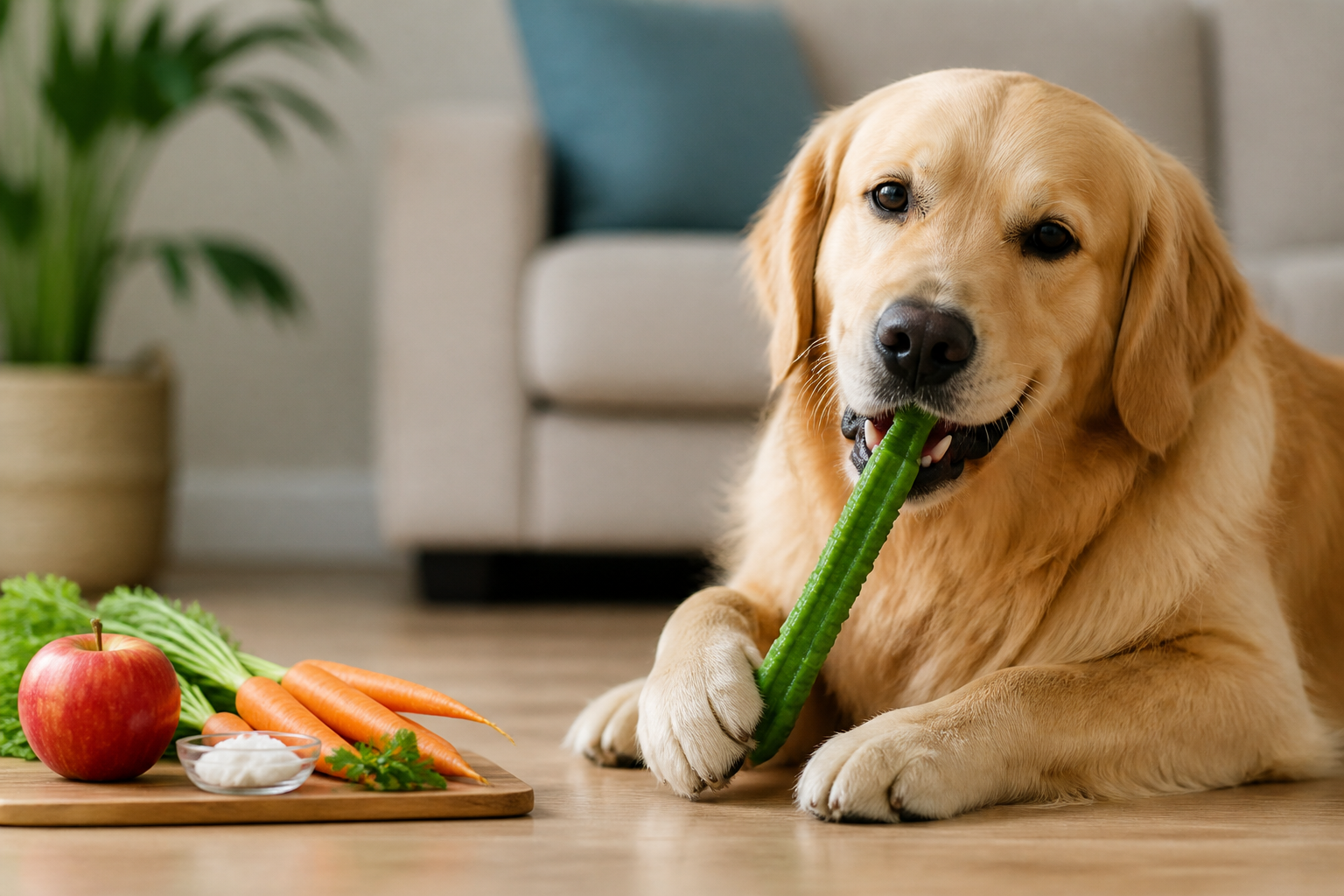
Toys can serve as a functional tool for oral health. Durable rubber toys, such as those from Kong, often have ridges or nubs. These designs are not just for grip. They act like a squeaky-clean massager for the gums and a scraper for the teeth. As your dog gnaws on the toy to get a treat out, they are inadvertently cleaning their back molars. You can also read more about dental chews for dogs.
Natural Vegetables
Raw carrots are a fantastic, low-calorie way to help clean a dog's teeth. They are hard enough to provide significant mechanical abrasion but soft enough that they will not fracture the teeth. Sliced apples can also provide a similar benefit, though you must always remove the seeds and the core. These "nature's toothbrushes" are affordable and provide vitamins while they work.
Key Takeaway: Mechanical cleaning relies on friction. Every time your dog chews on a textured toy or a firm vegetable, they are physically rubbing away the soft plaque before it can harden into tartar.
Choosing the Right Diet for Oral Health
What goes into your dog's bowl every day has a significant impact on their oral environment. There is a common debate about whether dry food is better than wet food for dental health. While some kibble provides a slight scraping effect, most standard kibble crumbles too quickly to do much cleaning. Browse our dog food selection when considering your dog's everyday diet.
Therapeutic Dental Diets
For dogs prone to rapid tartar buildup, a therapeutic dental diet might be necessary. These are not your average grocery store kibbles. They are formulated with a specific fiber matrix. Instead of shattering when bitten, the kibble holds together, forcing the tooth to penetrate the piece. This action wipes the tooth surface clean.
Our BaxterBoo pharmacy carries several FDA-approved prescription diets through our partnership with Pet's Choice. Brands like Royal Canin Veterinary Diet Adult Dental and Purina ProPlan Veterinary Diets DH are specifically engineered for this purpose. Because these are medical-grade foods, you will need a prescription from your veterinarian to order them. Visit our pet pharmacy for specialized diet and healthcare options.
The Role of Moisture and Rinsing
Fresh water is the simplest natural cleaner available. Drinking water after a meal helps rinse away food particles that would otherwise sit on the teeth. Always ensure your dog has a clean bowl of water. Stagnant water can harbor bacteria, which defeats the purpose of rinsing the mouth.
Bottom line: A high quality diet tailored to dental needs provides a daily cleaning "treatment" that requires zero extra effort from the owner.
Easy Water Additives and Powders
If your dog is resistant to brushing or a picky chewer, additives are a lifesaver. These products are designed to change the chemistry of the mouth to make it less hospitable to bad bacteria.
Tasteless Water Additives
Water additives are essentially a drinkable mouthwash for dogs. You simply add a capful to their water bowl. These solutions often contain enzymes that break down the biofilm on the teeth. Most high quality additives are tasteless and odorless, so even skeptical dogs will not notice the change. They are excellent for freshening breath and preventing new plaque from sticking.
Dental Powders
Dental powders are sprinkled directly onto your dog's food. Products like VetriScience Perio Support use probiotics and natural minerals to support gum health. These powders work systemically through the saliva. They help kill the bacteria that cause plaque before they can bond to the enamel.
Key Takeaway: Additives are the best choice for busy pet parents. They provide a passive way to fight bacteria every time your dog eats or drinks.
Natural Brushing Hacks for Difficult Dogs
Even if you want to keep things natural, some form of brushing is usually necessary. However, you do not have to use a traditional plastic toothbrush if your dog hates it. For more brushing guidance, see our pet dental care tips.
Step 1: Introduce a flavored paste.
Use a dog-specific toothpaste in a flavor they love, like poultry or peanut butter. Let them lick it off your finger for a few days without any brushing. This creates a positive association with the paste.
Step 2: Use a silicone finger brush.
Many dogs are intimidated by the long handle of a standard brush. A silicone finger brush fits over your fingertip. It allows you to feel exactly where you are cleaning and is much gentler on sensitive gums.
Step 3: Focus on the outsides.
Most plaque accumulates on the outside of the teeth, near the cheeks. If your dog only lets you brush for thirty seconds, spend that time on the upper back molars. These are the most common spots for heavy tartar.
Step 4: Reward the effort.
Always give a high value treat or a favorite toy after a brushing session. This reinforces the idea that dental care leads to something fun.
What to Avoid in a Natural Routine
While we want to stay natural, some "natural" items are actually dangerous for a dog's mouth. We frequently talk to owners who have had to deal with expensive dental emergencies because of improper chew choices.
- Cooked Bones: Never give your dog cooked bones of any kind. They become brittle and can splinter. This can cause punctures in the mouth or digestive tract.
- Hard Antlers and Hooves: While natural, these are often harder than the tooth enamel itself. Chewing on these frequently leads to slab fractures. This is a painful break where a piece of the tooth peels off, often exposing the nerve.
- Tennis Balls: The fuzz on a tennis ball is surprisingly abrasive. For "power chewers," this fuzz acts like sandpaper and can actually wear down the crowns of the teeth over time.
- Stones and Rocks: Some dogs love to carry rocks. This is a guaranteed way to chip teeth and cause long term damage to the jaw.
Vet Tip: A good rule of thumb for chew safety is the "fingernail test." If you cannot indent the surface of the chew with your fingernail, it is likely too hard and could risk fracturing a tooth.
Recognizing the Signs of Trouble
A natural routine is a preventative measure, not a cure for existing disease. You should inspect your dog's mouth at least once a week. Look for any changes that might indicate it is time to move beyond home care.
Common red flags include:
- Red, swollen, or bleeding gum lines.
- Thick, brown, or yellow crust on the teeth (tartar).
- A sudden change in breath odor that smells metallic or like rot.
- Bumps or growths on the gums or under the tongue.
- Excessive drooling or pawing at the face.
If you see these signs, a professional cleaning is necessary. We know that anesthesia can be a concern for some owners. However, a professional cleaning is the only way to reach the bacteria hiding under the gumline. This area is where the most damage to the bone and roots occurs.
Building a Sustainable Dental Schedule
The key to success with natural dental care is consistency. A "weekend warrior" approach where you only think about teeth once a month will not work. You need to layer these methods to create a protective shield for your dog's mouth.
Sample Weekly Routine
- Daily: Add a water additive to the fresh water bowl. Feed a high quality kibble or prescription dental diet.
- Three times a week: Offer a VOHC-approved dental chew or a raw carrot.
- Twice a week: Spend two minutes brushing with a finger brush and flavored paste.
- Monthly: Perform a full "mouth check" to look for broken teeth or gum redness.
By spreading these tasks out, it becomes a natural part of your lifestyle rather than a chore. Your dog will begin to look forward to their "dental treats," and you will enjoy much better cuddles without the smell. For repeat-purchase dental supplies, consider our Autoship programme.
Conclusion
Keeping your dog’s teeth clean naturally is a journey that involves more than just a brush. By incorporating mechanical chews, specific toys, and enzyme-rich additives, you can significantly reduce the risk of dental disease. Remember that every dog is an individual. What works for a large Labrador might be too much for a small Yorkie. We recommend starting slowly and finding the combination of products your dog enjoys most.
- Prioritize chewing for mechanical plaque removal.
- Use water additives to fight bacteria passively.
- Leverage prescription diets for dogs with chronic dental issues.
- Avoid excessively hard items like antlers to prevent fractures.
Your next step should be a quick check of your dog's current mouth health. If things look clear, head over to our dental care category or check out our pharmacy for specialized diets. Keeping those teeth clean today ensures many more years of healthy smiles and fresh-breath kisses.
FAQ
Can I use human toothpaste to clean my dog's teeth?
No, you should never use human toothpaste for dogs. Human toothpaste often contains xylitol, which is a sweetener that is highly toxic to dogs. It also contains foaming agents that are meant to be spit out, but dogs will inevitably swallow them, which can cause stomach upset.
Do natural dental chews really work as well as brushing?
While dental chews are very effective at removing plaque through mechanical action, they are not a total replacement for brushing. Brushing allows you to reach the gumline and the tiny crevices more accurately. However, for dogs that absolutely refuse a toothbrush, high quality VOHC-approved chews are the best natural alternative available.
How often should my dog have a professional cleaning?
Most dogs benefit from a professional veterinary cleaning every one to three years. Smaller breeds often need them more frequently because their teeth are more crowded, which traps more food and bacteria. Your vet can give you a specific recommendation during your dog's annual physical exam.
Are raw bones safe for cleaning a dog's teeth naturally?
Raw meaty bones can help clean teeth, but they come with risks like bacterial contamination and potential tooth fractures. If you choose to use them, they must be raw and appropriately sized for your dog. You should always supervise your dog closely and consult your vet before adding raw bones to their routine.






