Save 15% on your 1st Autoship learn more

 Email us
 Live Chat
 FAQs
FAQs





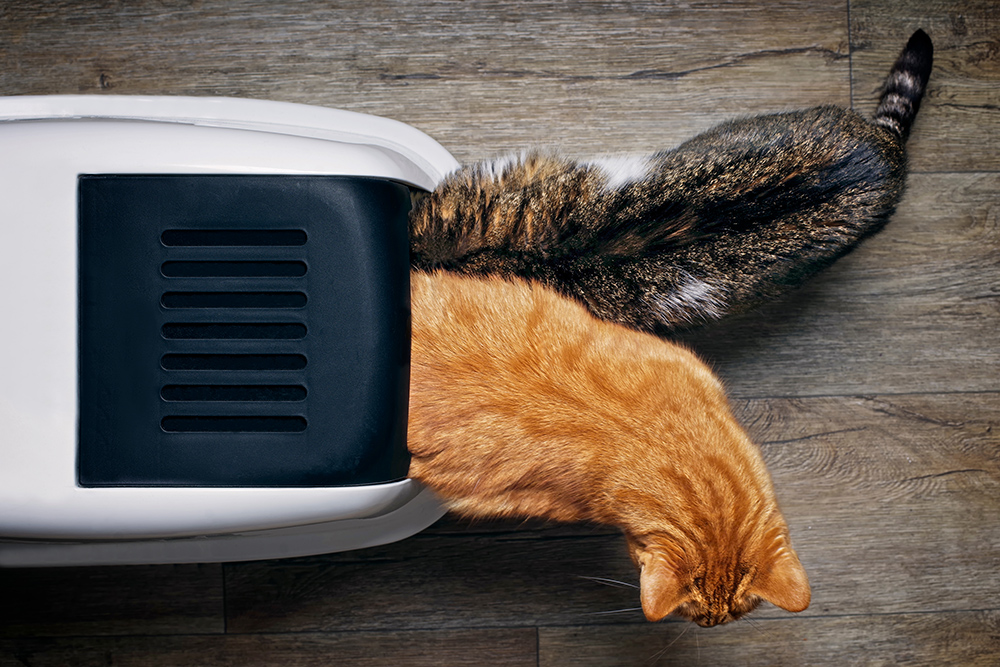
Whether you've taken in a litter of orphaned kittens or you've simply realized that your lone cat needs a playmate or two, one thing you'll find is that it can be a bit more difficult to train multiple cats to use a litterbox than it is to train just one to do so. That doesn't mean that it is impossible to do it, though. You just need to know how to go about training multiple cats to use the litterbox.
Choose the Right Litterboxes
Yes, you read that right. You need more than one litterbox. Cats tend to be very territorial and like their areas to be extremely clean. Ideally, you'll have at least one more litterbox than you have cats. This means that one cat should have two litterboxes, two cats should have three, and so on. If you have kittens or older cats, you'll need litterboxes that are shorter on the sides or that have an easy entrance. Kittens can't always climb over larger boxes and senior cats may have trouble due to aching joints.
You'll also have a variety of other options to help choose from to meet your own needs. If you plan to travel with your cats, for example, consider something portable like the Necoichi Pop-Up Portable Cat Litter Box. If you want something that can double as a table and hide the general unsightliness of a litterbox, try the Trixie XL Wooden Cat House & Litter Box.
Find the Right Kind of Litter
Cats are generally very picky about the type of litter they use as well. You may want something that clumps easily and smells fresh, but your cat may disagree with your choices and make it known by going to the bathroom anywhere but the litter box. Ideally, you'll want to find an all-natural litter that is unscented. Clay, crystal, or heavily-scented litter is almost always a no-go. Once you do find something that your cats like, be sure to be consistent. Unexpectedly changing the type of litter that you use might save you a few bucks in the short run but could lead to expensive laundering bills if your cats decide they don't like the new litter.
Set the Boxes Up in the Right Locations
Whether you have basic litterboxes or something like the PetSafe ScoopFree Self-Cleaning Cat Litter Box Second Generation, you'll want to be sure that your boxes are set up in the right locations. Just like you wouldn't want to do your business out in the open, neither do your cats. Set the boxes in places out of the way, such as a bathroom, a utility room, or a basement. When training multiple cats and using multiple litterboxes, it is important to have them in a variety of rooms and, if necessary, on multiple floors. If you have two cats and three different floors, try to place one on each floor.
Give Your Cats the Grand Tour
While it's true that most cats will be able to find the litterboxes on their own, it's still a good idea to show them where they are. This is especially true if you are trying to litter-train kittens, if you've changed where the boxes are after adding one or more adult cats to your home, or if you're bringing a senior cat into your home. Show them where every litter box is on every floor, making sure to set the kittens in it so that they understand where they are supposed to go to the bathroom.
Place Untrained Cats in the Litterboxes at Regular Intervals
Just like puppies need to be taken out regularly, kittens need to be taken to the litterbox regularly until they learn the routine. Place kittens inside the litterbox every time they wake up, about 10-15 minutes after eating, and at regular intervals throughout the day. This will help them to establish a routine, learn their body's natural needs for using the bathroom, and get used to going to the litterbox on their own when they are ready to use the bathroom.
Keep the Litterboxes Clean
One of the biggest mistakes you can make when trying to train multiple cats to use the litterbox is to let it get too dirty. Cats are very clean animals. Scooping the litter box 1-2 times a day is essential, as is changing the entire litterbox every other day or so. Between cleaning, you may want to invest in something like Skout's Honor Professional Strength Cat Litter Box Deodorizer. It's also a good idea to use a litter mat underneath each box as it prevents your cats from tracking dirty litter all over the house.
Use Positive Reinforcement
Like dogs, many cats respond well to positive reinforcement, especially if they are still in the kitten stage. If you want to ensure that your cat continues to use the litter box and does well with it as you train it, give it a cat treat from time to time when you see it has used the litter box. This helps it to create a positive association that may help to ensure it doesn't regress in its potty training.
Above all else, remember that cats are creatures of habit. When introducing new cats to your home, do so gradually and expect there to be an accident or two while he becomes accustomed. If you find that one or more of your cats is having trouble using the litterbox, consult with your veterinarian to ensure there are no underlying causes.