
 Save 15% on your 1st Autoship learn more

 Email us
 Live Chat
 FAQs
FAQs





Introduction
You watch your dog finish a bowl of dinner in less than thirty seconds. Then they look up at you with boundless energy, ready for a job to do. This common scenario often leads to bored, restless, or even overweight pets. At BaxterBoo, we know that mental exercise is just as important as a long walk. A snuffle mat is one of the most effective ways to engage a dog's brain by tapping into their natural scavenging instincts. This DIY project uses simple materials to create a puzzle that rewards your dog for using their nose. This post covers the specific materials you need, a step by step assembly guide, and tips for using the mat to improve your dog's well-being. By the end, you will have a custom tool to slow down fast eaters and calm anxious minds.
Understanding the Power of Scent Work
Dogs perceive the world primarily through their noses. While humans rely on sight, a dog has up to 300 million olfactory receptors. Foraging for food is a natural behavior that provides a huge boost to their mental health. When a dog sniffs, their brain releases dopamine, which is a feel-good chemical. This is why a ten-minute sniffing session can be more tiring than a thirty-minute run.
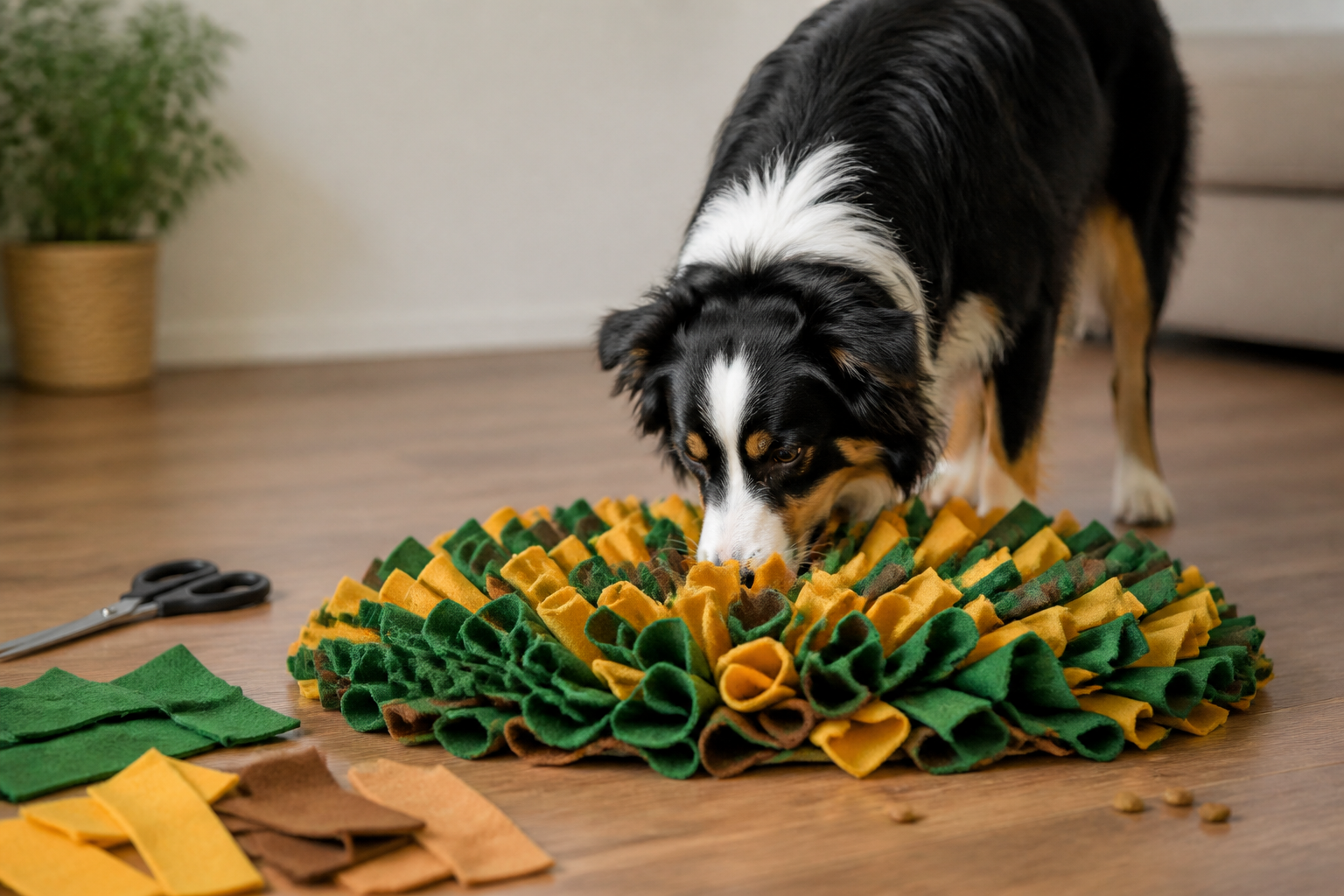
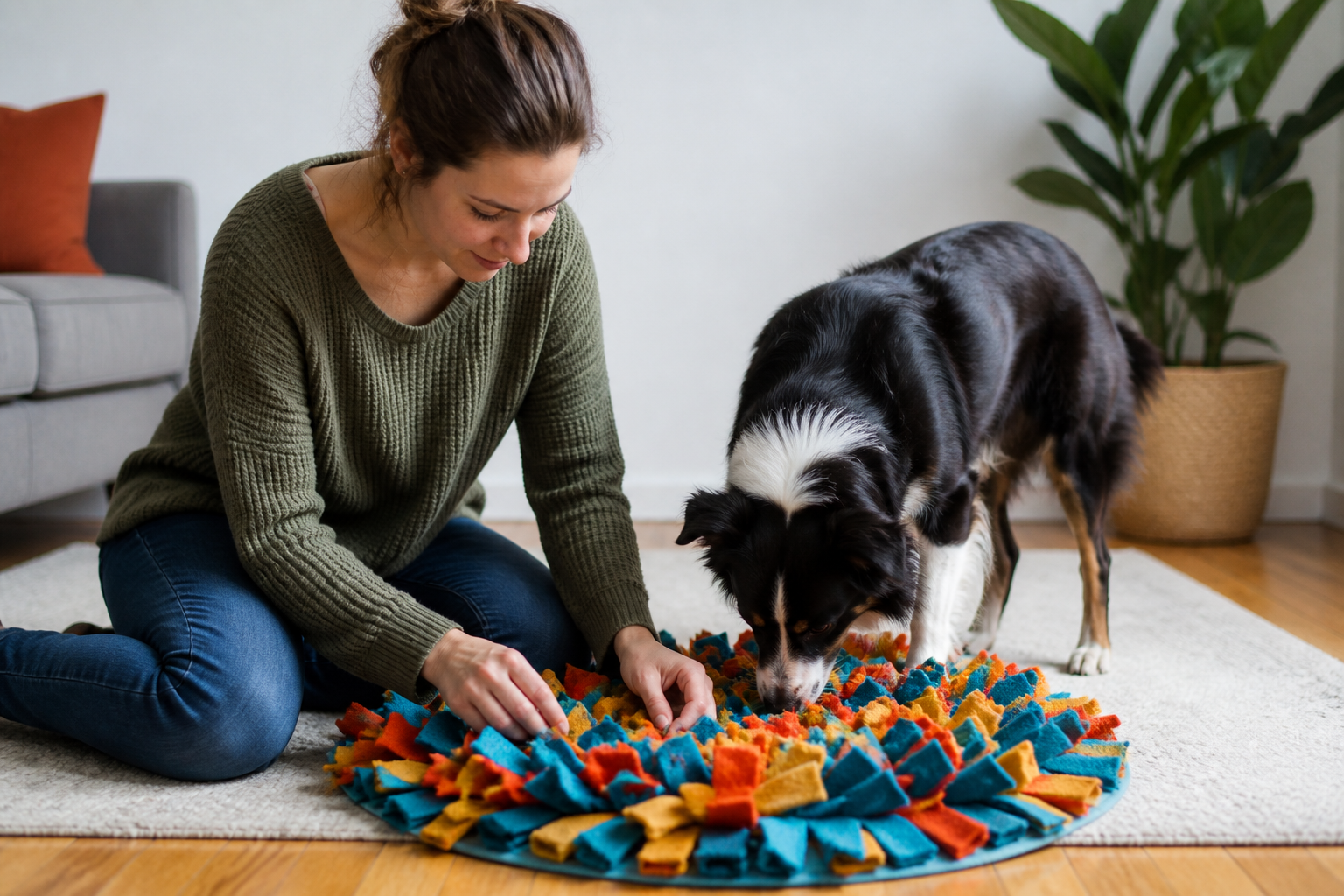
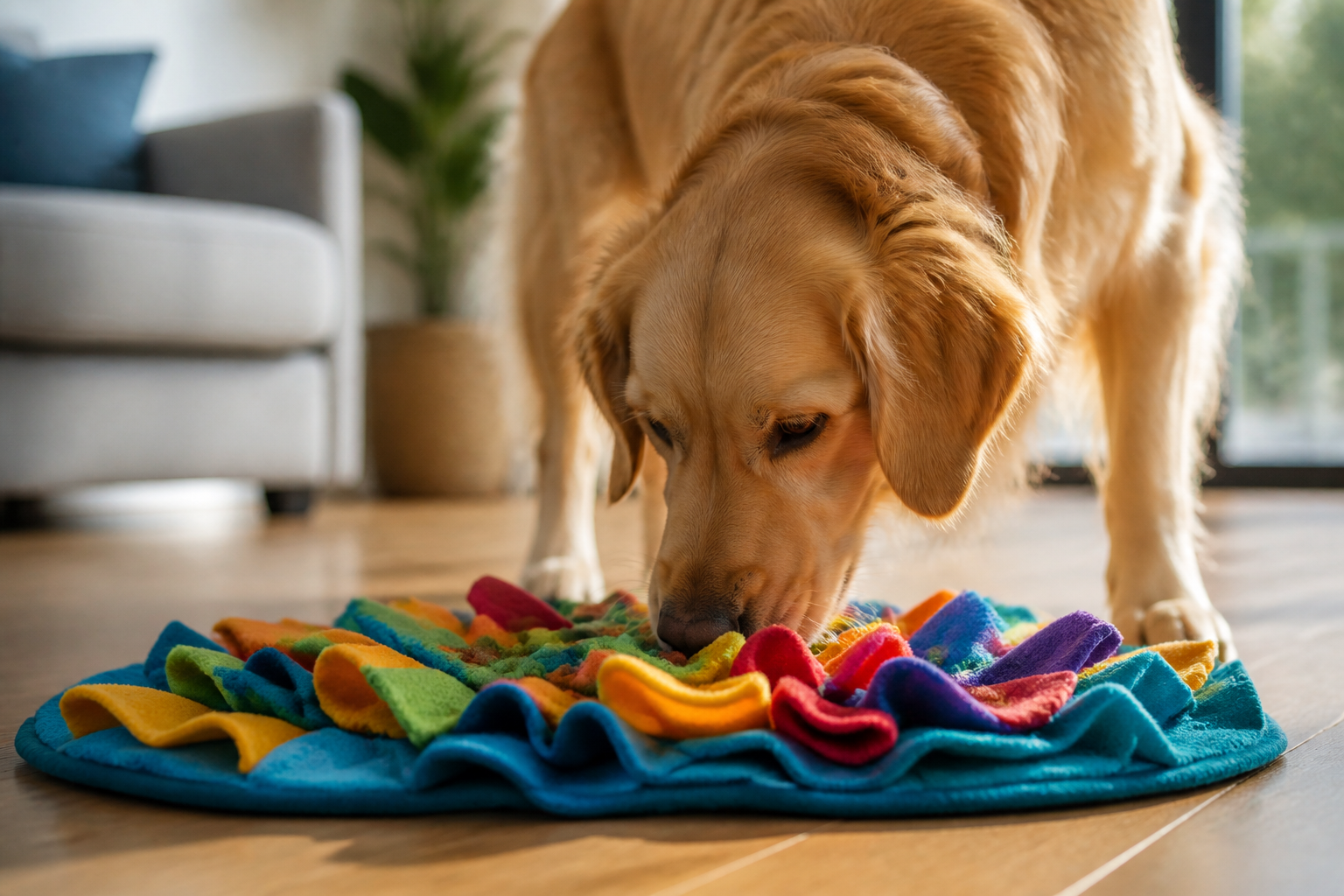
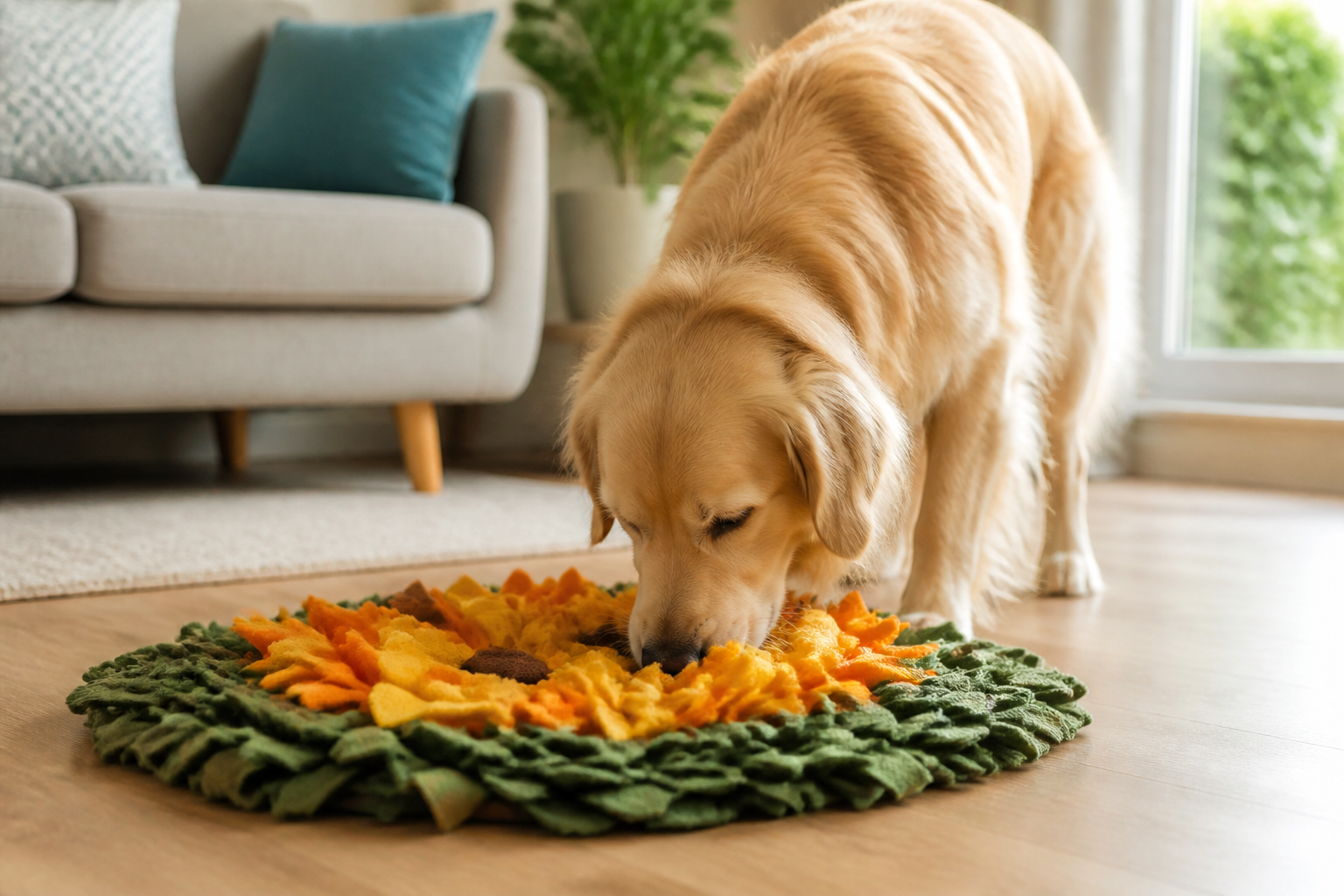
A snuffle mat mimics the experience of searching through long grass for prey or fallen scraps. It consists of long strips of fabric tied to a sturdy base. You hide dry food or treats deep within the folds. Your dog must then root around, move the fabric, and use their nose to find every last bit. This turns a boring meal into a rewarding game. For more ideas, see our guide to dog brain games and scent-based enrichment.
Quick Answer: A snuffle mat is a DIY enrichment toy made from fleece strips tied to a rubber base. It provides mental stimulation by encouraging dogs to forage for hidden treats using their sense of smell.
Interactive & Treat Dog Toys







Essential Materials for Your DIY Snuffle Mat
You do not need to be an expert crafter to make this. The supplies are inexpensive and easy to find at local hardware or craft stores. Most people choose fleece because it is soft on a dog's nose and does not fray when cut.
The Base
The best base for a snuffle mat is a rubber or plastic sink mat. These are usually found in the kitchen section. Look for one with a grid pattern or plenty of holes. The holes should be large enough to thread a strip of fabric through but sturdy enough to hold its shape. A heavy rubber mat is ideal because it stays in place on the floor while the dog works.
The Fabric
You will need about 1.5 to 2 yards of fleece fabric. You can use old fleece blankets or buy remnants from a fabric store. Many owners like to use two or three different colors to make the mat look vibrant. Fleece is the gold standard because it is durable and holds up well to repeated washing. It is also stretchy enough to tie easily.
The Tools
A good pair of sharp fabric scissors is essential. If you want to move faster, a rotary cutter and a self-healing mat can speed up the process. However, simple scissors work perfectly fine. You may also want a ruler or a piece of cardboard cut to size to help you measure the strips consistently.
Key Takeaway: Using a heavy rubber sink mat as a base prevents the toy from sliding across the floor during vigorous sniffing sessions.
Step by Step Assembly Instructions
Once you have your supplies, find a comfortable spot on the couch. This project takes about one to two hours depending on the size of the mat and how dense you want it to be.
Step 1: Prepare the Fabric Strips
Lay your fleece flat on a table. Cut the fabric into strips that are approximately 1 inch wide and 7 to 8 inches long. You do not need to be perfect with your measurements. A little variety in length can actually make the mat more interesting for your dog. If you are making a mat for a very large dog, you might want 9-inch strips. For a tiny puppy, 6 inches is usually enough.
Step 2: Begin Tying the First Row
Take your sink mat and start at one corner. Thread one end of a fleece strip through the first hole and the other end through the hole directly next to it. Pull the ends until they are even on the top side of the mat. Tie a single overhand knot. There is no need to double knot it. The friction of the fleece against itself will keep the knot secure.
Step 3: Complete the Vertical Rows
Continue this process along the entire row. Then move to the next row of holes and repeat. When you finish all the vertical rows, the mat will already look quite full. However, adding more strips in different directions will make the mat denser. This density is what hides the food most effectively.
Step 4: Add the Horizontal Strips
Now, turn the mat 90 degrees. You will now tie strips across the "bridges" between the holes you just used. This creates a cross pattern. By tying fabric both vertically and horizontally across the grid, you eliminate any large gaps. This ensures that treats cannot simply fall through to the floor.
Step 5: Final Inspection and Fluffing
Flip the mat over to check the bottom. You should see a neat pattern of knots. If you see any large empty spaces, add a few more strips. Flip it back over and run your hands through the fleece. It should feel like a thick, shaggy rug. Give it a good shake to help the strips stand up.
Why Snuffle Mats Are Better Than Standard Bowls
Many dogs suffer from digestive issues because they eat too quickly. When a dog "wolfs" their food, they swallow a lot of air. This can lead to gas, discomfort, or even the dangerous condition known as bloat. Using a snuffle mat forces your dog to eat one piece of kibble at a time. For a different enrichment option, explore interactive dog toys and puzzles.
Beyond digestion, the mat solves the problem of "fast-finishers." If your dog finishes their meal in seconds, they may spend the rest of the evening looking for trouble. Making them work for twenty minutes to find their dinner burns off excess mental energy. It provides a calm, focused activity that lowers their heart rate and promotes relaxation.
Vet Tip: For dogs prone to weight gain or those on prescription diets, use their daily allotted kibble in the mat instead of high-calorie treats. This keeps them engaged without adding extra pounds.
Introducing the Mat to Your Dog
Do not just drop the mat on the floor and walk away the first time. Some dogs might get frustrated and try to chew the mat or shake it to get the food out. You want to teach them that sniffing is the winning strategy.
Step 1: Place the mat on the floor and let your dog sniff it while it is empty. Step 2: Drop a few high-value treats right on top of the fleece. Let them eat these easily. Step 3: While they are watching, tuck a few treats just slightly under the top layer. Use a verbal cue like "Find it" or "Search." Step 4: Gradually hide the treats deeper into the folds as your dog becomes more confident. Step 5: If the dog starts to paw or bite the mat, gently redirect them. Once they find all the treats, pick the mat up and put it away.
Maintaining Your DIY Snuffle Mat
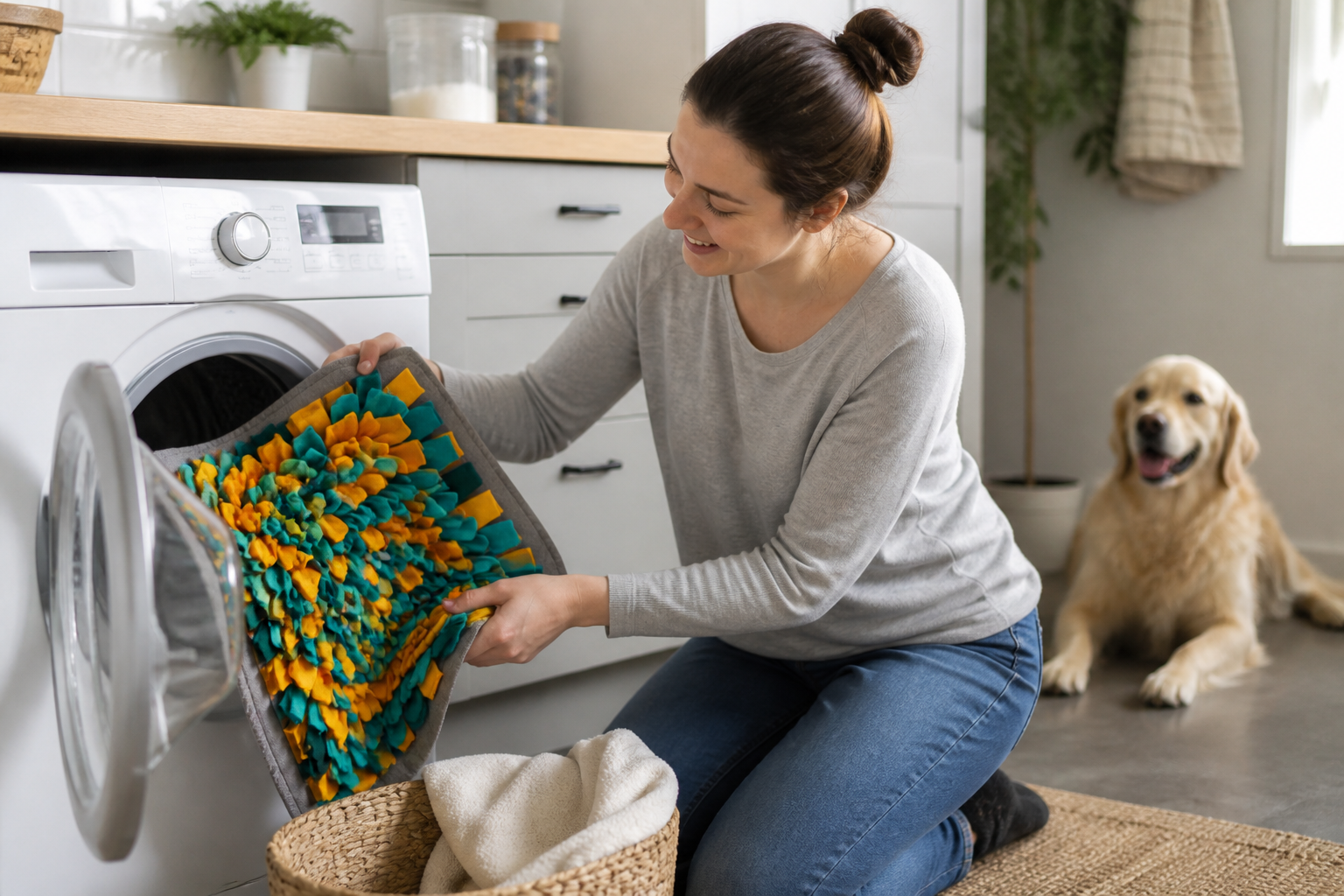
Because this mat involves food and saliva, it will eventually get dirty. One of the best things about using fleece and a rubber base is that they are generally washable. We recommend washing the mat once every week or two, depending on how often it is used.
Check the mat for any loose strips or signs of wear before every use. If your dog manages to untie a strip, simply retie it. If the rubber base becomes cracked or brittle, it is time to make a new one. To keep it smelling fresh, always use dry food or hard treats. Avoid using wet food or oily treats that can soak into the fabric and become difficult to clean.
Cleaning Instructions
- Shake the mat outside to remove any leftover crumbs or hair.
- Place the mat in a mesh laundry bag to protect the knots.
- Wash on a gentle cycle with cold water.
- Use a pet-safe, fragrance-free detergent.
- Air dry the mat completely. Do not put it in the dryer, as the high heat can warp the rubber base.
Advanced Enrichment Strategies
Once your dog is a snuffle mat pro, you can increase the difficulty. Instead of just kibble, try using dehydrated liver or small pieces of dried lung. These have a much stronger scent and will drive your dog wild. You can also hide the mat itself. Have your dog stay in another room, hide the loaded mat behind a chair, and then release them to go find it. Browse our dog treats for dry options to tuck into the fleece.
Another variation is the "multi-mat" approach. If you have a large dog, you can zip-tie two or three sink mats together before adding the fleece. This creates a massive foraging area that can hold an entire meal for a large breed. For dogs that need extra help staying calm during thunderstorms or fireworks, a fresh snuffle mat can provide a much-needed distraction.
Health and Weight Management
Managing a dog's weight is a common challenge for many owners. If your veterinarian has put your dog on a weight-loss plan, the snuffle mat is your best friend. It makes a small amount of food feel like a much larger event. We carry several brands of weight management and prescription diets through our partnership with Pet's Choice. Our BaxterBoo pharmacy can help you fulfill prescriptions for specialized foods that support joint health or metabolic needs. Explore our dog pharmacy for prescription products.
For dogs with food allergies, the snuffle mat allows you to use single-ingredient treats like dried sweet potato or venison. This ensures they get the mental stimulation they need without triggering a skin reaction. Always consult your vet before introducing new treats if your dog has a history of sensitivities.
Bottom line: Snuffle mats turn mealtime into a therapeutic exercise that supports both physical digestion and mental health.
Safety Considerations for Power Chewers
While snuffle mats are generally safe, they are not chew toys. Some dogs may try to rip the fleece strips off or gnaw on the rubber base. This is why supervision is critical. If your dog is a known "destroyer," keep the sessions short. As soon as the food is gone, remove the mat and replace it with a durable rubber toy or a chew.
If a dog swallows a piece of fleece or rubber, it can lead to an intestinal blockage. This is a serious medical emergency. Always monitor your dog's behavior while they use the mat. If you notice they are more interested in the fabric than the food, the snuffle mat might not be the right choice for them. You might try a hard plastic puzzle feeder instead.
Making a Difference for Shelter Dogs
Making snuffle mats is a wonderful way to give back. Many animal shelters have limited budgets for enrichment. A pile of homemade snuffle mats can help keep kenneled dogs calm and happy while they wait for their forever homes. It is a great project for kids or community groups. You can even use the MVP Rewards program at BaxterBoo to earn points on the supplies you buy, which can then be used to purchase more treats for your local shelter.
Shelter dogs often experience high levels of stress. The rhythmic sniffing required by a snuffle mat can help lower their cortisol levels. This makes them appear more relaxed and adoptable when potential families come to visit. A simple mat made from scrap fabric can truly change a dog's life. For other at-home activity ideas, read our guide to DIY indoor enrichment.
Conclusion
Creating a snuffle mat is a rewarding way to show your dog extra love. It requires very little money and only a bit of your time. By following the steps outlined above, you can provide your pet with hours of healthy, calming entertainment. Whether you are trying to slow down a fast eater or just want to spice up a rainy afternoon, this DIY project is a perfect solution. Remember to always supervise your pet and keep the mat clean. For the best experience, use high-quality treats or your dog's favorite kibble. You can find a huge selection of dog treats and puzzle toys to keep the fun going. Our Autoship program is a great way to ensure you never run out of the treats your dog loves to find in their mat.
Quick Project Summary
- Base: Rubber sink mat with holes.
- Fabric: 1.5–2 yards of fleece cut into 1x7 inch strips.
- Method: Tie strips to the base using simple overhand knots.
- Goal: Create a dense, shaggy surface to hide kibble.
- Benefit: Slows eating and provides mental enrichment.
Key Takeaway: A well-made snuffle mat is a durable, washable, and highly effective tool for reducing dog boredom and anxiety.
FAQ
How do I stop my dog from flipping the snuffle mat over?
If your dog learns they can just flip the mat to get the food, you need to change your technique. Use a heavier rubber mat for the base rather than a thin plastic one. You can also place the mat inside a heavy cookie sheet or a shallow plastic bin to keep it contained. If they still try to flip it, go back to the training phase and reward them for sniffing while you hold the mat steady with your hand.
Can I put a snuffle mat in the dryer?
It is best to avoid the dryer for your snuffle mat. The heat can cause the rubber or plastic base to melt, warp, or become brittle over time. Additionally, high heat can sometimes shrink certain types of fleece or make the knots too tight. The best method is to squeeze out excess water and let it air dry in a well-ventilated area or in the sun.
What kind of treats work best in a snuffle mat?
Dry, crunchy treats or standard kibble work best because they do not leave a messy residue on the fabric. Avoid anything soft, greasy, or crumbly, as these will be hard to clean out of the fleece folds. If your dog is on a special diet, you can use their daily food. For an extra challenge, use a mix of small and large treats to keep their interest high as they search.
Is a snuffle mat safe for puppies?
Yes, snuffle mats are excellent for puppies as they help develop their scenting skills and keep them occupied during their high-energy bursts. However, puppies are much more likely to chew on the fabric strips since they are often teething. You must supervise a puppy very closely. If they start chewing the mat instead of sniffing for food, take it away and offer a teething toy instead.


- Site & Contents BaxterBoo.com. BaxterBoo is located in the United States.
- Privacy & Security
- Terms of Use
- Accessibility Statement
