 Save 15% on your 1st Autoship learn more

 Email us
 Live Chat
 FAQs
FAQs





Introduction
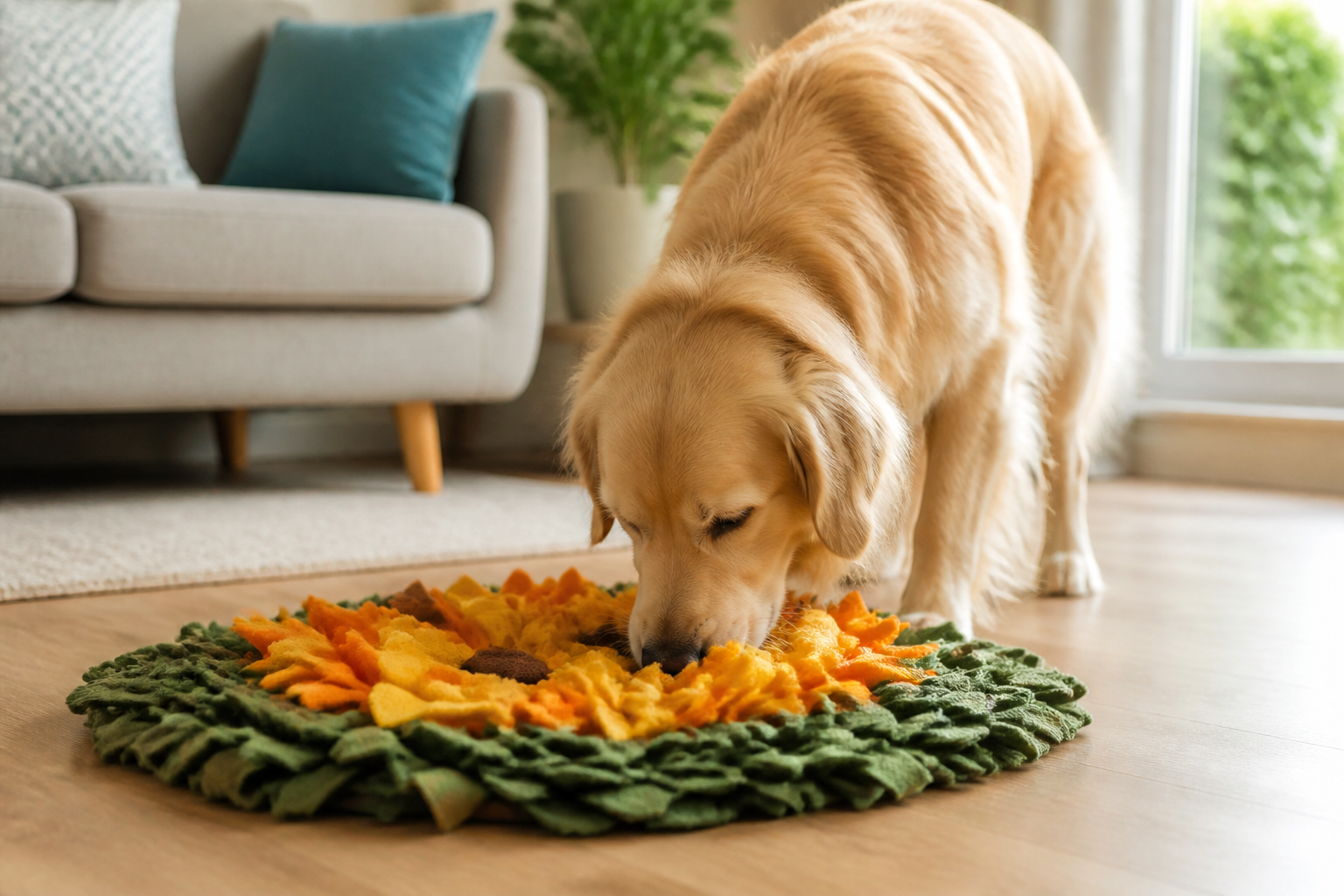
You just finished a long walk, but your dog is still pacing the living room with a toy in their mouth. Perhaps you just put down a bowl of dinner, and it was gone in thirty seconds flat. These are the exact moments when a snuffle mat becomes an essential tool in your home. At BaxterBoo, we know that physical exercise is only half the battle when it comes to a happy dog. Dogs need to use their brains and their incredible sense of smell to feel truly satisfied. This article covers the physical and mental benefits of nose work, how to introduce a mat to a skeptical pup, and why this simple tool is a must-have for every life stage. Using a snuffle mat allows your dog to act on their natural instincts while helping you manage common behavioral and health concerns.
Quick Answer: A snuffle mat is an enrichment tool made of fabric strips that hide dry food or treats. It encourages dogs to use their sense of smell to forage, which provides mental stimulation, slows down fast eaters, and reduces stress through natural sniffing behaviors.
The Power of the Canine Nose
A dog’s world is defined by scent. While humans rely primarily on sight, dogs have up to 300 million olfactory receptors in their noses. For comparison, humans have about six million. The part of a dog's brain that analyzes smells is proportionally forty times greater than ours. When a dog sniffs, they are not just identifying a scent. They are processing a complex story about their environment.
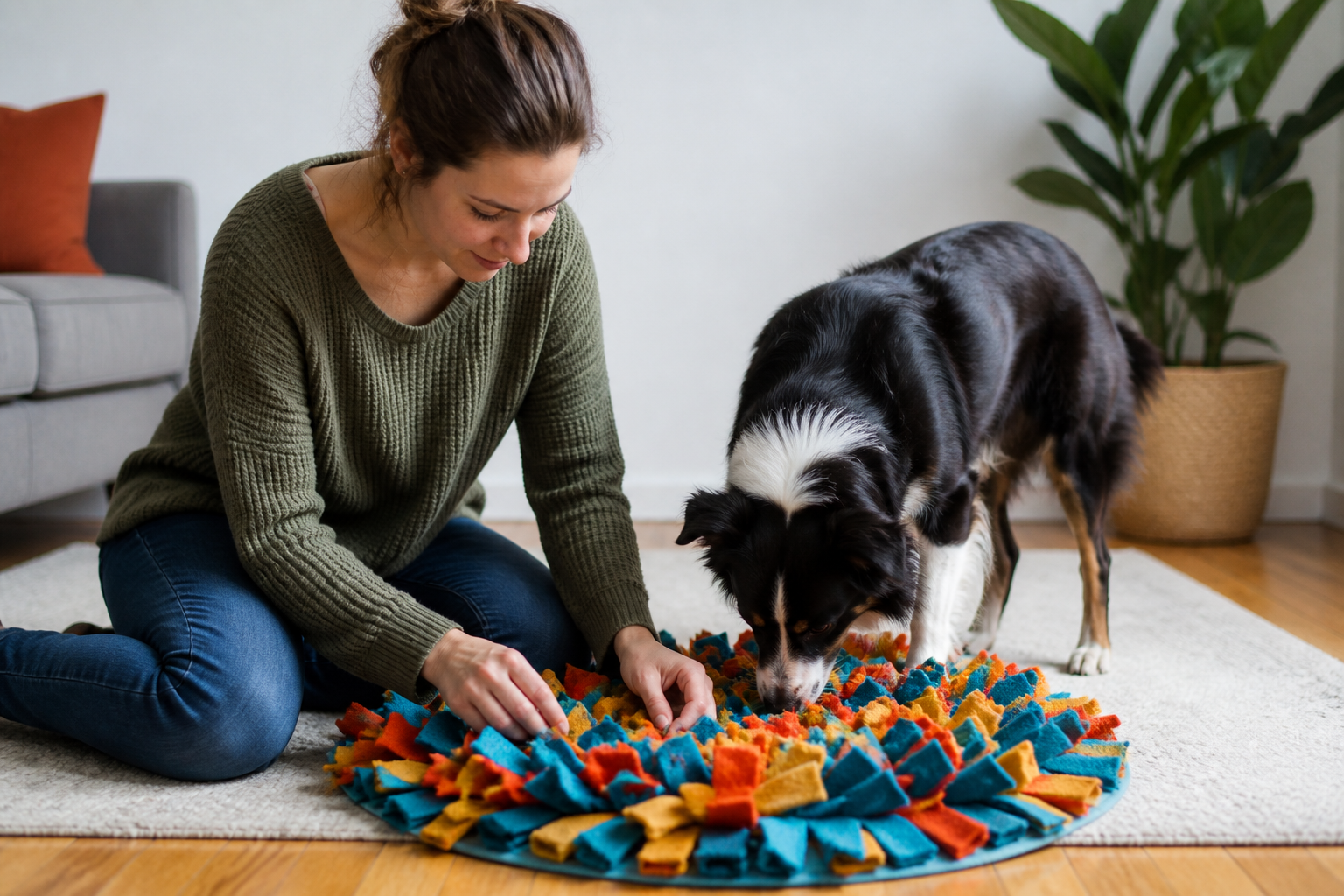
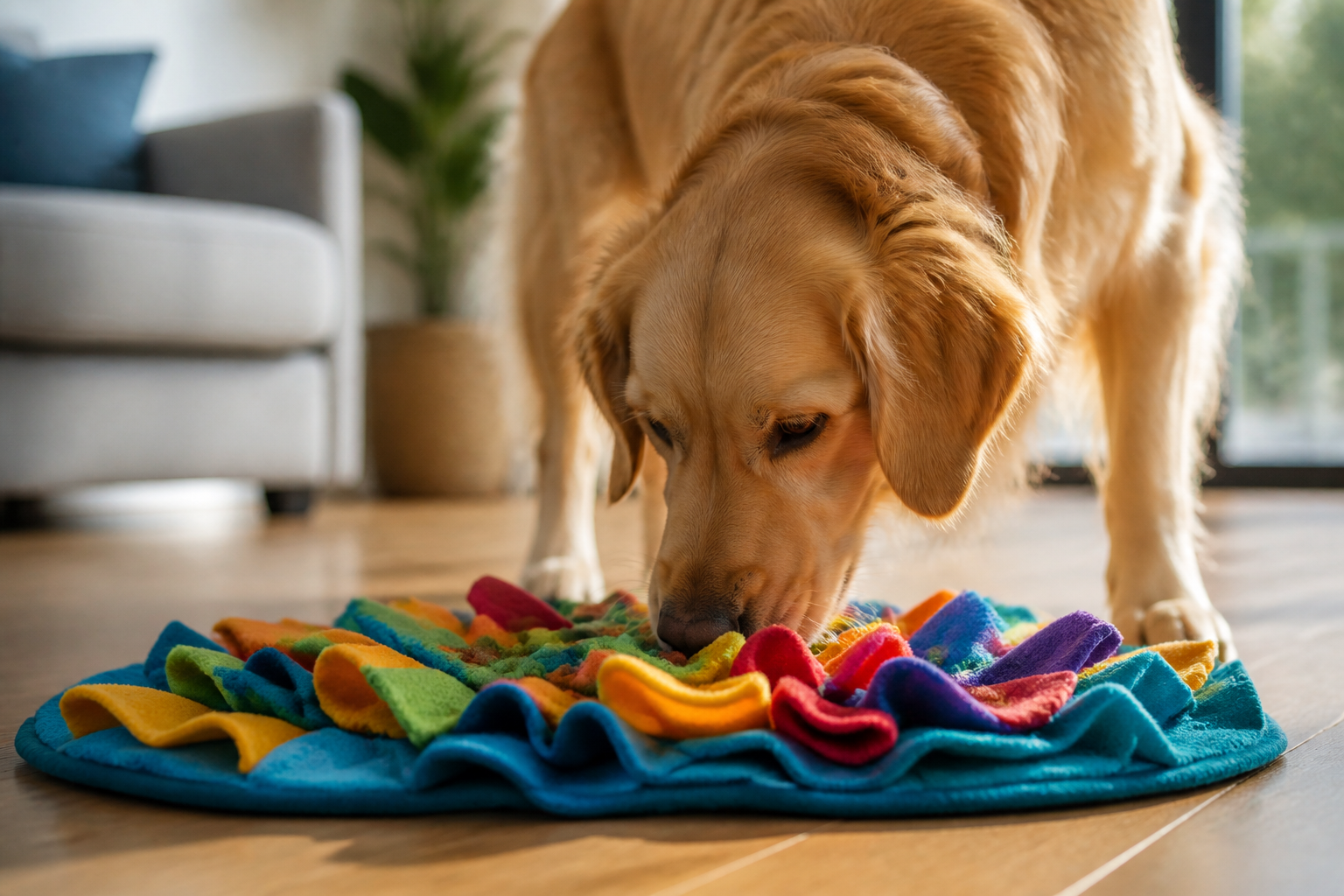
A snuffle mat taps directly into this biological superpower. In the wild, canines spend a huge portion of their day foraging and hunting for food. Modern life often removes this challenge. We put food in a bowl, and the "hunt" ends instantly. By hiding kibble inside the deep folds of a mat, you bring that instinctual challenge back into their daily routine.
The Calming Effect of Sniffing
Sniffing is a self-soothing behavior for dogs. When a dog engages in focused nose work, their heart rate tends to lower. This activity releases endorphins, which are the feel-good hormones that help a dog relax. This is why many trainers recommend snuffle mats for dogs that struggle with environmental stress or over-arousal. For other ideas to keep your dog engaged, see brain games that go beyond the walk.
Key Takeaway: Ten minutes of intense sniffing and foraging can be as mentally tiring for a dog as a much longer physical walk. It is a highly efficient way to burn off excess energy.
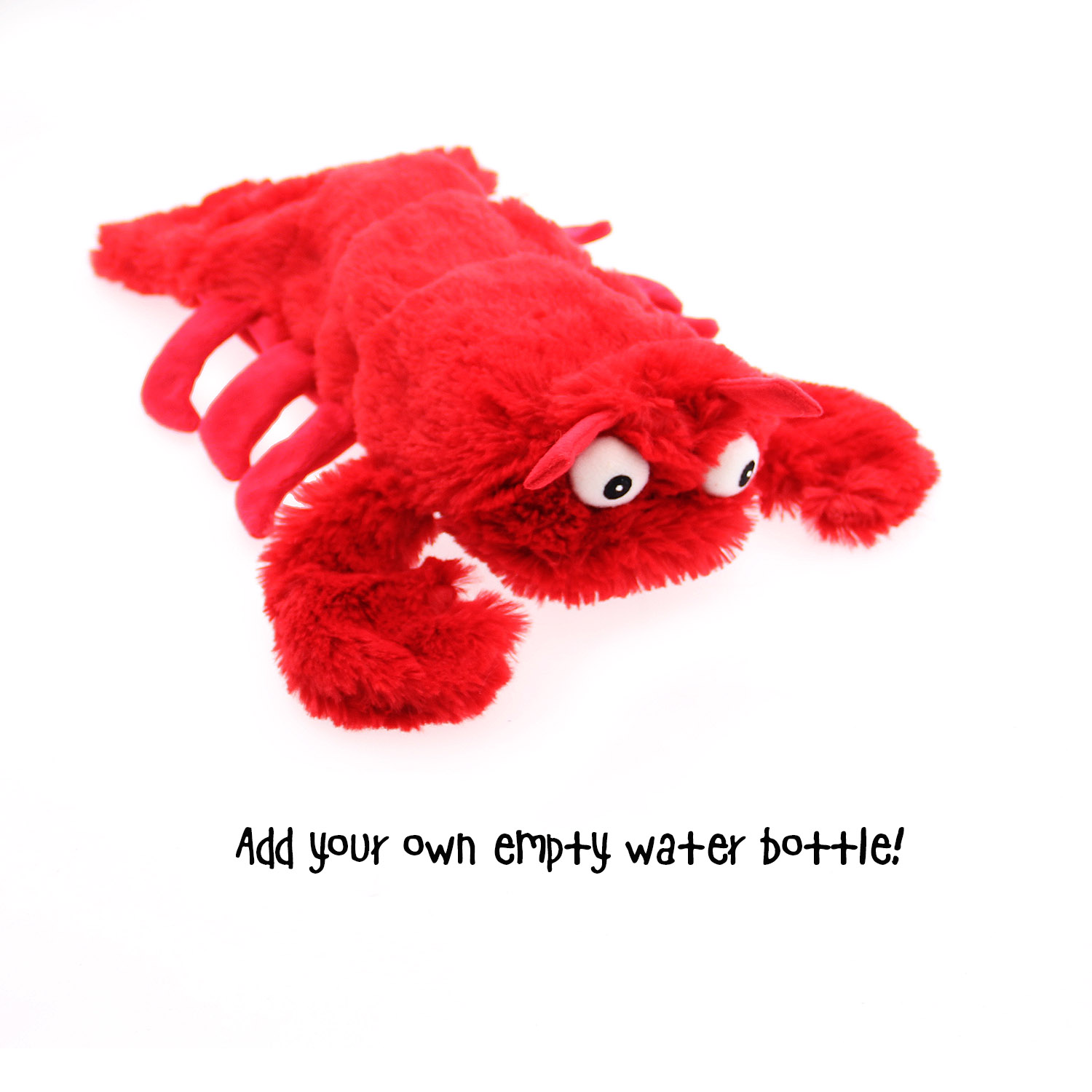
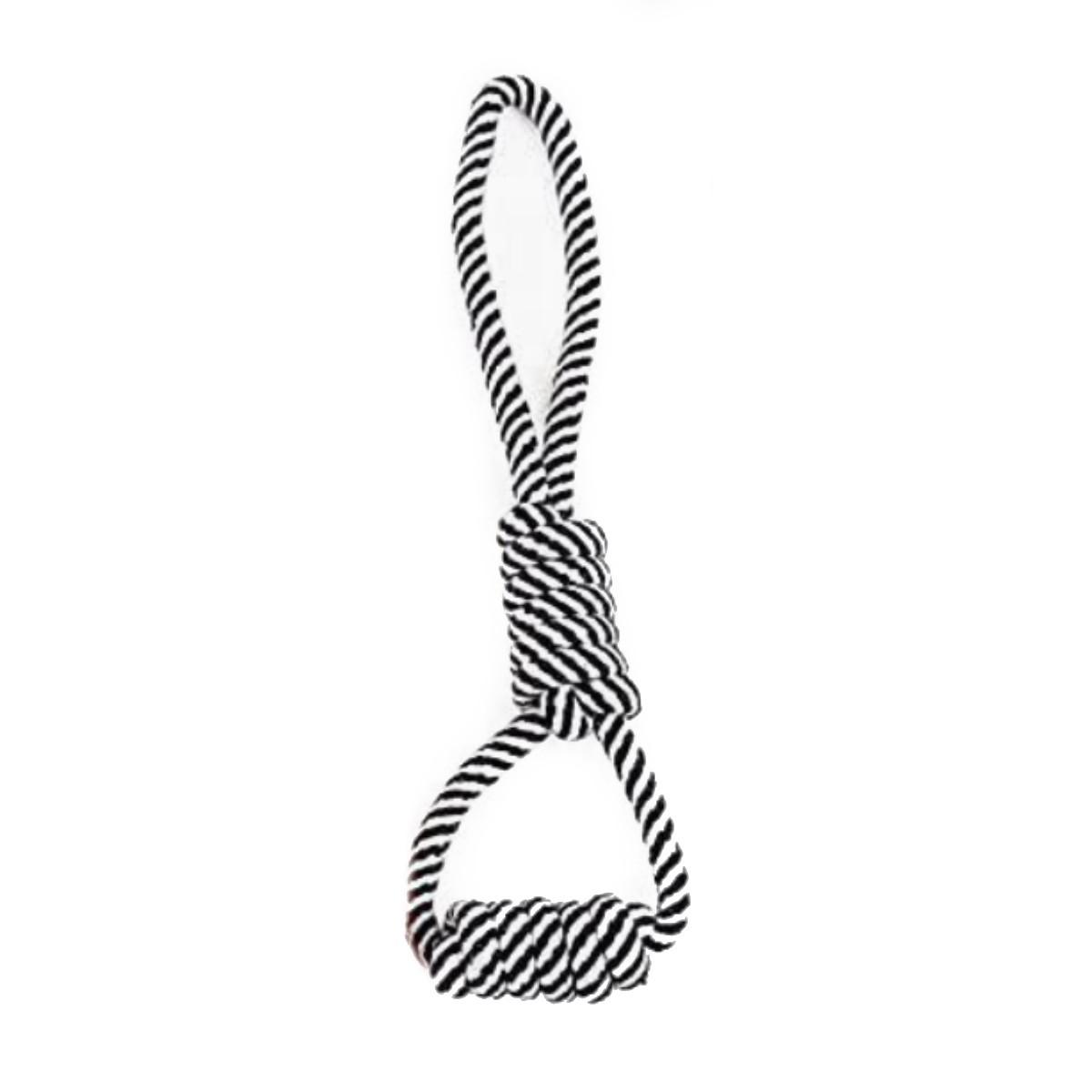
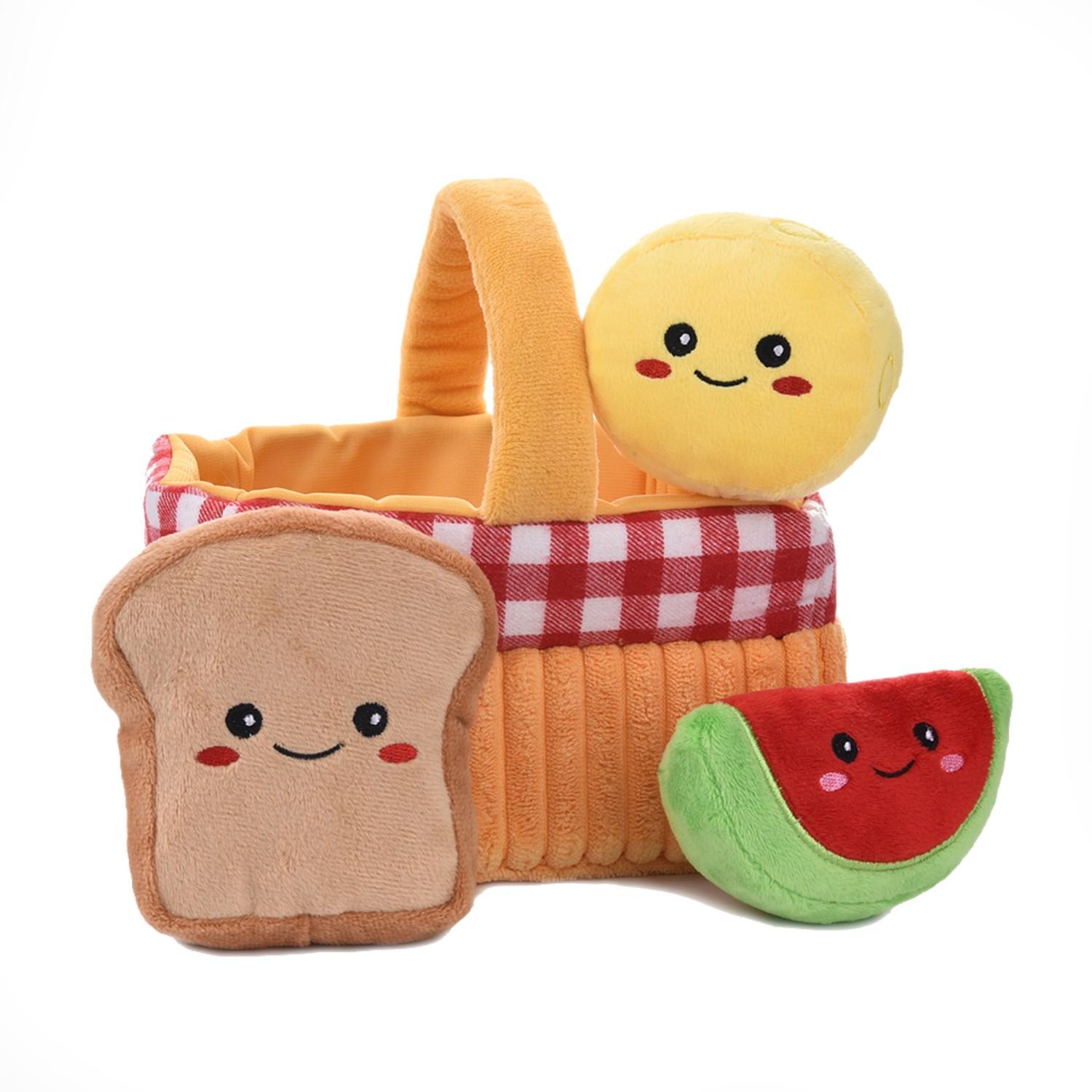
Interactive and Treat Dog Toys







Slowing Down the Fast Eaters
One of the most practical reasons to use a snuffle mat is to manage mealtime speed. Many dogs, especially certain breeds like Labradors or Beagles, tend to inhale their food. This "scarfing" behavior is more than just a bad habit. It can lead to serious health complications.
When a dog eats too quickly, they swallow a significant amount of air. This can lead to digestive upset, gas, and vomiting. In severe cases, it can contribute to Gastric Dilatation-Volvulus (GDV), commonly known as bloat. Bloat is a life-threatening emergency where the stomach twists. Using a foraging mat forces a dog to find each individual piece of kibble. They cannot take large gulps of food, which naturally promotes a healthier pace. You can also explore interactive puzzle toys and feeders for more enrichment ideas.
| Feature | Standard Dog Bowl | Snuffle Mat |
|---|---|---|
| Eating Speed | Very Fast | Slow and Measured |
| Mental Effort | None | High Engagement |
| Digestion Support | Minimal | Helps Prevent Gulping |
| Instinctual Outlet | None | Encourages Foraging |
Managing Anxiety and Boredom
Boredom is a leading cause of destructive behavior in dogs. When a dog has nothing to do, they may create their own "jobs." This often includes chewing on furniture, barking at the window, or digging in the carpet. A snuffle mat provides a constructive outlet for that mental energy. For more ways to help your dog stay occupied, read our guide to dog boredom busters.
Support for Separation Anxiety
If your dog gets anxious when you prepare to leave the house, a snuffle mat can help change their emotional response. Giving the mat to your dog as you are getting ready to depart creates a positive association with your exit. They become so focused on the "treasure hunt" that they may not even notice the door closing. This distraction can lower their initial spike of anxiety.
Distraction During Storms or Fireworks
For dogs afraid of loud noises, a snuffle mat can serve as a grounding tool. The act of sniffing requires intense focus. When a dog is concentrated on finding every last bit of food, they are less likely to obsess over the thunder outside. It gives them a productive way to channel their nervous energy. You can find more ideas in our overview of calming toys for dogs.
Vet Tip: If your dog suffers from severe clinical anxiety, a snuffle mat is a great support tool, but it is not a cure. Consult your veterinarian about a comprehensive behavior plan. Our pet pharmacy carries FDA-approved anxiety medications through our partnership with Pet's Choice if your vet determines a prescription is necessary.
Support for Senior Dogs and Limited Mobility
As dogs age, their ability to go for long, vigorous walks may decrease. Arthritis, hip dysplasia, or heart conditions can limit their physical activity. However, their minds remain sharp. A senior dog that cannot run in the park still needs to feel useful and engaged. For more low-impact mental activity ideas, explore brain games for dogs.
Snuffle mats are an excellent low-impact activity. Your dog can use the mat while standing, sitting, or even lying down. It provides "brain games" that keep their cognitive functions active, which may help delay the onset of canine cognitive dysfunction. For dogs recovering from surgery or on restricted crate rest, these mats are a literal lifesaver for keeping them calm and occupied.
Step-by-Step: How to Introduce a Snuffle Mat
Not every dog understands what to do with a piece of fabric immediately. Some might try to pick the mat up and shake it to get the food out. Others might try to chew the fabric strips. Follow these steps to ensure your dog uses the mat correctly.
Step 1: Start with high visibility. / Place a few very smelly, high-value treats directly on top of the fabric strips. Do not hide them yet. Let your dog see exactly where the food is.
Step 2: Use a "find it" cue. / As your dog approaches the mat, use a consistent verbal cue like "find it" or "go sniff." This helps them associate the command with the activity.
Step 3: Gradually increase the difficulty. / Once your dog understands that the mat holds food, begin tucking the treats slightly under the first layer of fabric. Over several sessions, move the food deeper into the folds.
Step 4: Supervise the session. / Always watch your dog while they use the mat. If they start to paw at it aggressively or try to chew the felt, gently interrupt them and show them how to use their nose instead.
Step 5: Remove the mat when empty. / This is the most important step for durability. Once the food is gone, pick up the mat and put it away. This prevents the dog from getting frustrated and chewing the mat once the "game" is over.
Bottom line: Controlled introduction prevents the mat from becoming a chew toy and keeps the focus on nose work.
Choosing the Right Mat for Your Dog
When shopping at BaxterBoo or looking at different options, consider your dog's size and habits. Most mats are made from fleece or felt strips attached to a sturdy backing. Fleece is generally preferred because it is soft on a dog’s nose and stands up well to repeated washing.
- Size Matters: A tiny Chihuahua will be overwhelmed by a massive mat, while a Great Dane might find a small mat too easy to manipulate.
- Backing Material: Look for a non-slip backing. If the mat slides across the floor, it can frustrate your dog or lead to accidental slips.
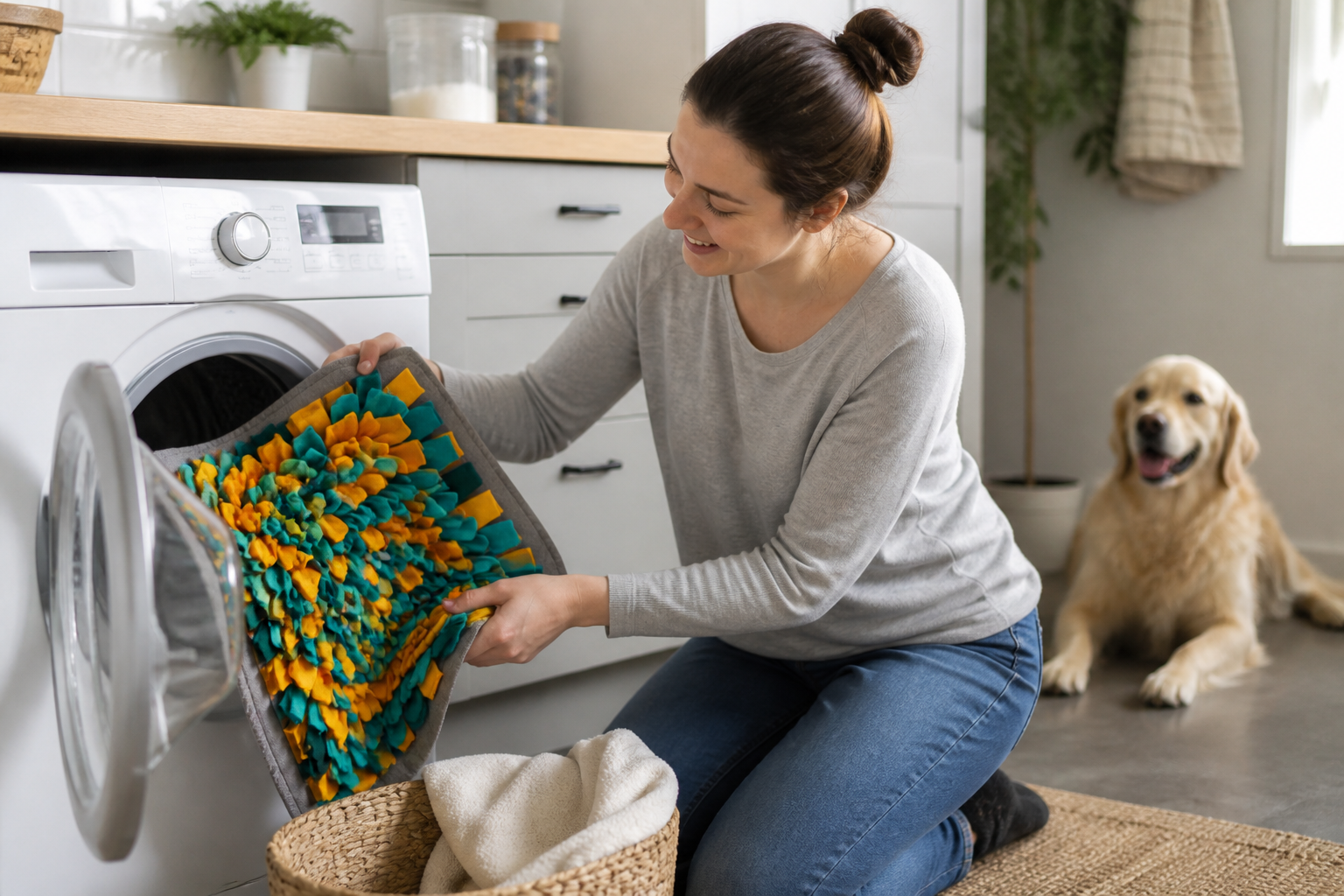
- Machine Washable: This is non-negotiable. Dogs drool, and food particles will inevitably get stuck in the fabric. You need a mat that can go through the laundry regularly to stay hygienic.
What to Put Inside Your Mat
For most dogs, their daily dry kibble is the best choice for a snuffle mat. It turns a standard meal into a twenty-minute activity. If you want to make it extra challenging, you can mix in small, dry treats with a stronger scent. Browse our dog treats for treat options.
Avoid using wet food, raw meat, or sticky treats like peanut butter in a fabric snuffle mat. These will create a mess that is difficult to clean and can lead to mold or bacterial growth within the fabric strips. If your dog is on a specialized diet, you can often find "crunchy" versions of prescription treats that work perfectly.
Our pharmacy provides various prescription diets through our partnership with Pet's Choice, many of which come in kibble forms that are ideal for foraging. If your dog has allergies, ensure the treats you hide are compatible with their specific needs.
Checklist for Snuffle Mat Success
- Only use dry food or treats.
- Check the mat for loose threads or damage before every use.
- Wash the mat at least once a week if used daily.
- Keep sessions to 15–20 minutes to prevent mental fatigue.
- Always have fresh water available nearby.
Handling the "Chewer" Personality
Some dogs are natural "shredders." If you give them something made of fabric, their first instinct is to pull it apart. This does not mean you cannot use a snuffle mat, but it does mean you need a different approach.
For a destructive dog, the mat should never be left on the floor unsupervised. You must be there to redirect them the second they use their teeth instead of their nose. If they continue to try to destroy the mat, it might mean the treats are hidden too deeply and they are getting frustrated. Make the game easier so they get a "win" quickly.
If your dog is a dedicated aggressive chewer who swallows fabric, a snuffle mat might not be the right choice. In those cases, hard rubber puzzles or "slow feeder" bowls made of durable plastic are safer alternatives. Safety should always come before enrichment. You can browse our dog toys for other play options.
Vet Tip: Ingesting fabric or felt strips can cause a dangerous intestinal blockage. If you suspect your dog has swallowed part of their mat, contact your veterinarian immediately.
Cleaning and Maintenance
Because your dog's nose is in constant contact with the fabric, keeping the mat clean is vital for their health. Saliva and food dust can build up quickly. Most high-quality mats can be placed in a mesh laundry bag and washed on a gentle cycle with cold water.
Use a pet-safe, unscented detergent. Dogs have a very sensitive sense of smell, and the scent of "mountain spring" laundry soap can be overwhelming and unpleasant for them while they are trying to sniff out food. Air drying is usually best to keep the fabric strips from shrinking or losing their shape in a hot dryer.
Incorporating the Mat into Your Routine
You do not need to use a snuffle mat for every single meal. Even using it three or four times a week provides significant benefits. It is a fantastic tool for those days when the weather is too poor for a long walk or when you have a busy afternoon of video calls and need your dog to stay quiet. Find additional ideas in this guide to indoor enrichment.
We recommend rotating the snuffle mat with other types of puzzles. Dogs are smart, and if they do the same puzzle every day, they will eventually find the most efficient (and least mentally taxing) way to solve it. By rotating toys, you keep the challenge fresh and exciting for them.
Key Takeaway: Variety is the spice of life for dogs. Rotate between snuffle mats, rubber puzzles, and hide-and-seek games to keep their brain sharp.
Conclusion
A snuffle mat is one of the most versatile and affordable tools you can add to your dog's life. It solves a variety of common problems, from mealtime gulping to rainy-day boredom. By encouraging your dog to use their nose, you are supporting their natural biology and helping them feel more relaxed and satisfied. Whether you have a high-energy puppy or a slow-moving senior, this enrichment tool offers something for everyone.
At BaxterBoo, we love seeing pets thrive through mental exercise. If you are ready to start your enrichment journey, consider checking out our selection of dog toys or signing up for the MVP Rewards programme to earn points on your next treat restock. For dogs with specific health or dietary needs, remember that our pet pharmacy and Pet's Choice partnership are here to help you manage their wellness with professional care.
FAQ
Can cats use snuffle mats too?
Yes, many cats enjoy foraging for dry kibble or treats in a snuffle mat. It is a great way to provide indoor cats with mental stimulation and mimic their natural hunting behaviors. Just ensure the treats used are small enough for a cat to navigate easily through the fabric.
How do I stop my dog from flipping the mat over?
If your dog flips the mat to get the treats, they are being smart but missing the point of the exercise. Try placing the mat on a non-slip surface or even inside a shallow plastic bin to keep the edges down. You can also hold the edges of the mat while they work to encourage them to use their nose rather than their paws.
Is a snuffle mat safe for puppies?
Snuffle mats are excellent for puppies as they help burn off "zoomie" energy and teach focus. However, puppies are also prone to chewing everything during the teething phase. You must supervise them closely to ensure they do not tear off and swallow the fabric strips.
How often should I wash my dog's snuffle mat?
If you use the mat for daily meals, you should wash it once a week. If you only use it for occasional treats, once every two weeks is usually sufficient. Regular washing prevents the buildup of bacteria, mold, and stale food smells that could discourage your dog from using it.


- Site & Contents BaxterBoo.com. BaxterBoo is located in the United States.
- Privacy & Security
- Terms of Use
- Accessibility Statement
