
 Save 15% on your 1st Autoship learn more

 Email us
 Live Chat
 FAQs
FAQs





Introduction
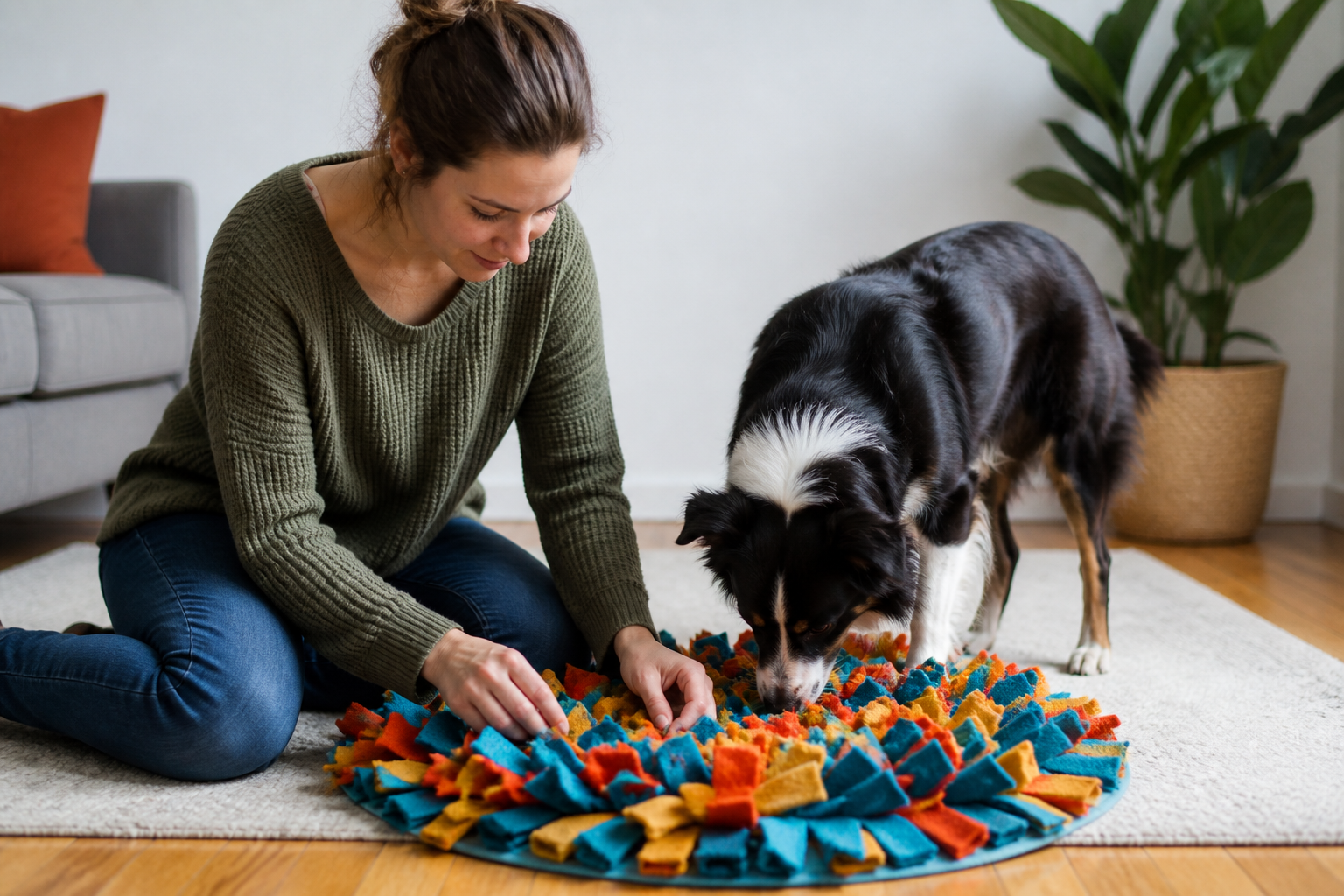
Your dog finishes dinner in ten seconds flat and then stares at you for more. You want to keep them busy and mentally satisfied without spending a fortune on complex electronic gadgets. At BaxterBoo, we know that mental exercise is just as important as a long walk in the park. A snuffle mat is one of the most effective tools for providing that enrichment. This guide will teach you exactly how to make a high-quality snuffle mat using simple supplies like fleece and a rubber mat. We will cover the materials needed, the step by step assembly process, and how to use the mat to help a fast eater slow down. By the end of this article, you will be able to create a custom foraging toy that keeps your dog happy and focused.
The Power of the Nose: Why Every Dog Needs a Snuffle Mat
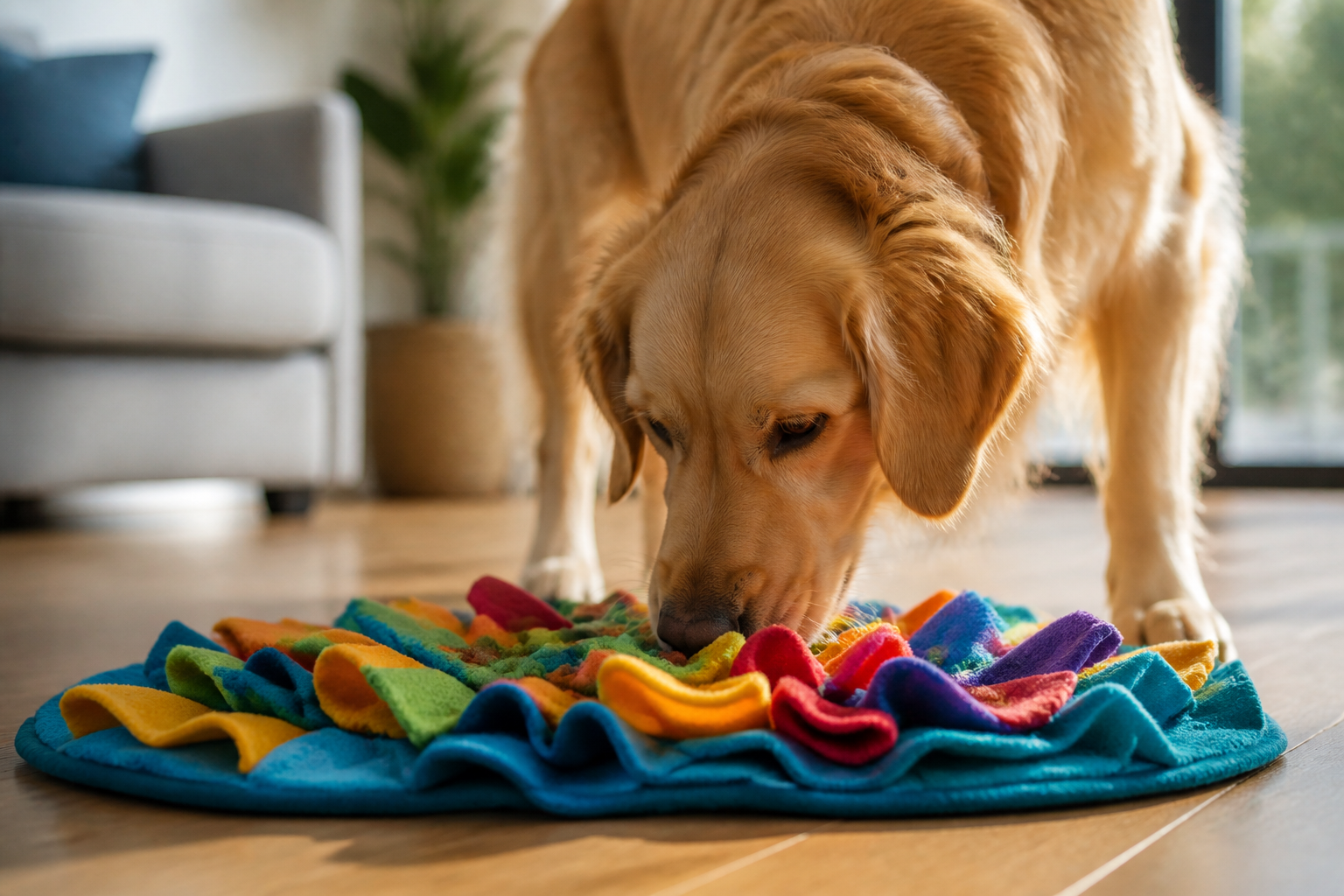
Dogs live through their noses. While humans rely mostly on sight, a dog perceives the world through a complex web of scents. Their olfactory system is incredibly powerful. Some experts estimate it is tens of thousands of times more acute than ours. When you provide a way for your dog to use this sense, you are tapping into their natural instincts. This is often called enrichment.
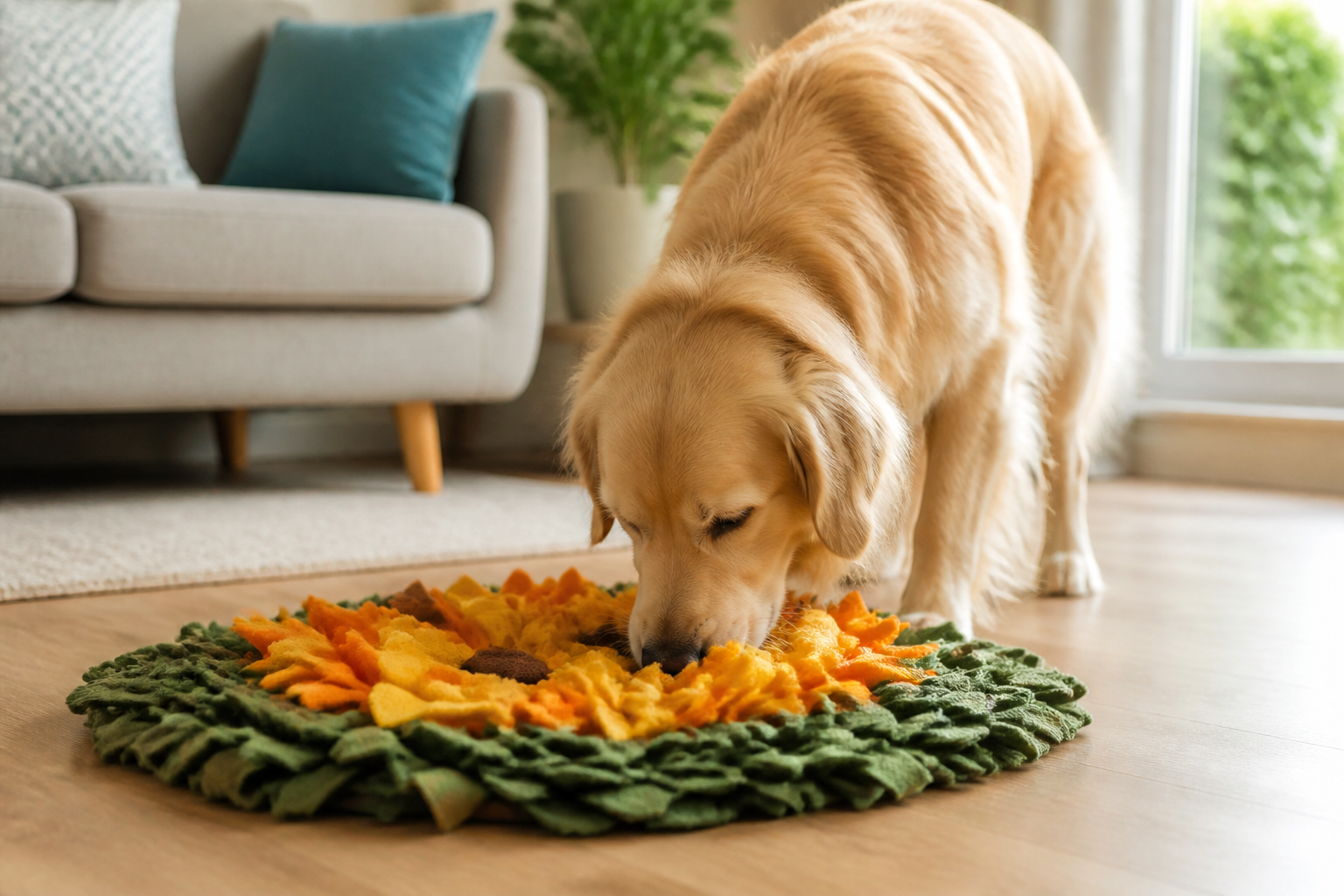
Enrichment is not just a buzzword. it is a vital part of pet health. It prevents boredom, which is the leading cause of destructive behaviors like chewing furniture or excessive barking. A snuffle mat mimics the act of foraging in the grass. Instead of a pile of kibble in a ceramic bowl, your dog has to hunt for every single piece. This simple change turns a boring meal into a rewarding puzzle. For more ideas, read our guide to dog boredom busters and enrichment.
Quick Answer: A snuffle mat is a DIY enrichment toy made of fleece strips tied to a sturdy base. It hides dry food or treats, forcing your dog to use their sense of smell to find their meal. This slows down fast eaters and provides vital mental stimulation.
Interactive & Treat Dog Toys







Understanding the Benefits of Foraging
Foraging is a natural behavior for canines. In the wild, animals spend a large portion of their day searching for food. Our pets usually have their food delivered in a bowl at the same time every day. This convenience is great for us, but it can leave a dog feeling under-stimulated.
Using a snuffle mat provides several key benefits:
- Stress Reduction: Sniffing actually lowers a dog's heart rate. It is a self-soothing activity that can help an anxious dog calm down.
- Mental Fatigue: Ten minutes of intense sniffing can be as tiring for a dog as an hour of walking. This is perfect for rainy days or senior dogs with limited mobility.
- Improved Digestion: By forcing a dog to eat one piece of kibble at a time, you prevent them from gulping air. This reduces the risk of gas and more serious issues like bloat.
- Confidence Building: Solving a puzzle provides a dopamine hit. This can help shy or fearful dogs feel more confident in their abilities.
Key Takeaway: Foraging through a snuffle mat transforms mealtime from a passive activity into a mentally exhausting workout that supports both emotional and physical health.
Supplies You Will Need
One of the best things about learning how to make a snuffle mat is how affordable the materials are. You do not need any specialized tools or expensive kits. Most of these items can be found at a local craft store or a big-box retailer.
The Base Mat
You need a sturdy base with holes. A rubber or silicone sink mat is the standard choice. These are usually found in the kitchen organization aisle. Look for a mat that is flexible but durable. It should have holes that are at least half an inch wide so you can easily thread the fabric through. Avoid foam mats, as a determined dog can easily tear them apart and swallow the pieces.
Fleece Fabric
Fleece is the only fabric you should use for this project. There are two main reasons for this. First, fleece does not fray when you cut it. This means you do not have to hem or sew any of the edges. Second, fleece is soft. Your dog will be pushing their nose deep into these strips. Rough fabrics like burlap or heavy canvas could cause "carpet burn" on a sensitive snout. You will need about 1.5 to 2 yards of fleece for a standard-sized mat.
Cutting Tools
A sharp pair of fabric scissors is essential. If you have a rotary cutter and a self-healing cutting mat, the process will go much faster. However, scissors work perfectly fine if you have a little patience.
Checklist for Success:
- One rubber sink mat (approximately 12 by 15 inches)
- 1.5 yards of anti-pill fleece
- Fabric scissors or a rotary cutter
- A ruler or measuring tape
- A bag of high-quality dry treats or kibble
Preparation: Cutting Your Fleece Strips
The most time-consuming part of this project is the cutting. To make the mat look full and plush, you will need a lot of strips. For a standard sink mat, you might need anywhere from 200 to 300 individual pieces of fleece.
Step 1: Lay your fleece out flat on a table. If you are using a large piece of yardage, fold it so you are cutting through two layers at once to save time.
Step 2: Cut the fleece into long rows that are about 6 to 8 inches wide.
Step 3: Cut those rows into individual strips that are 1 to 1.5 inches wide.
Precision is not required here. In fact, having strips of slightly different widths can actually make the mat more interesting for the dog. The goal is to have a pile of strips that are all roughly the same length. If the strips are too short, they will be hard to tie. If they are too long, the mat will be floppy, and the treats will just fall to the bottom without being hidden.
Step-by-Step Instructions: Assembling the Mat
Once your pile of strips is ready, find a comfortable spot on the couch. This part of the process is repetitive and is a great activity to do while watching a movie.
Step 1: The Horizontal Rows
Start at one corner of the rubber mat. Take a strip of fleece and thread one end through the first hole. Thread the other end through the second hole right next to it. Both ends should now be sticking up on the same side of the mat. Tie them once in a simple overhand knot. There is no need to double knot. The friction of the fleece will keep it secure. Move to the next hole and repeat this until you have finished the entire row.
Step 2: The Vertical Rows
Once you have finished your horizontal rows, you might notice the mat still looks a bit thin. To fix this, you need to tie strips vertically. Thread a strip through a hole in the first row and a hole in the second row. Tie it just like before. This creates a cross-hatch pattern that fills in the gaps.
Step 3: Checking for Gaps
After you have finished the vertical and horizontal strips, flip the mat over. Look for any empty holes or areas where the rubber base is clearly visible. Add extra strips to these areas. A good snuffle mat should be so dense that you cannot see the bottom when you look down at it.
Step 4: The Final Fluff
Turn the mat right side up and run your hands through the fleece. Shake it out to help the strips stand up. This fluffing creates the "grass" that hides the treats.
Key Takeaway: A dense mat is a better mat. Tying strips in both horizontal and vertical directions ensures there are plenty of hiding spots for kibble, making the game more challenging for your dog.
Health Benefits and Slower Eating Habits
Many owners seek out a snuffle mat because their dog eats too fast. Gulping food is a common problem, especially in highly food-motivated breeds like Labradors or Beagles. When a dog inhales their food, they also inhale air. This can lead to discomfort, vomiting, or the dangerous condition known as Gastric Dilatation-Volvulus (GDV).
By using a snuffle mat, you are forcing the dog to eat one or two pieces of kibble at a time. It turns a thirty-second meal into a ten-minute activity. This slower pace allows the dog's brain to register that the stomach is full, which can also help with weight management.
If your dog is struggling with weight or has a very sensitive stomach, we recommend talking to your veterinarian. Our pharmacy at BaxterBoo offers a wide range of FDA-approved medications and prescription diets through our partnership with Pet's Choice. Sometimes, a specific prescription food like Farmina Vet Life is needed alongside these enrichment tools to truly manage a health condition.
Vet Tip: If your dog regularly vomits after eating or shows signs of extreme bloating, consult your vet before relying solely on a snuffle mat. While these mats help slow down eating, chronic digestive issues may require a prescription diet or medical intervention.
Choosing the Best Treats for Snuffling
The success of a snuffle mat depends on the reward. If the treats are not enticing, the dog will not put in the effort to find them. However, you also want to avoid using "wet" or greasy treats that will leave a residue on the fleece.
Dry kibble is the easiest option for daily meals. If you want to use the mat for a special enrichment session, look for high-value dry treats. Brands like Stella and Chewy’s or NutriSource offer freeze-dried treats that are very smelly but leave no mess. You can also use small pieces of broken-up RedBarn jerky or Honest Paws treats.
When you first introduce the mat, make it easy. Sprinkle the treats right on top of the fleece. As your dog learns the game, start burying the treats deeper between the strips. This progression keeps the game from becoming frustrating for a beginner.
Safety and Maintenance
While snuffle mats are generally safe, they are not indestructible. Safety should always be your priority when introducing a new toy.
Supervision is Required
A snuffle mat is a tool, not a chew toy. Once your dog has found all the treats, they might be tempted to start chewing on the fleece strips or the rubber base. Swallowing fleece can lead to intestinal blockages, which may require surgery. Always pick the mat up and put it away as soon as the "search and rescue" mission is over. This also keeps the mat exciting for the next time.
Keeping It Clean
Because the mat holds food, it will eventually get dirty. Saliva and small food particles can lead to bacteria growth. Luckily, because you used fleece and a rubber mat, cleaning is simple.
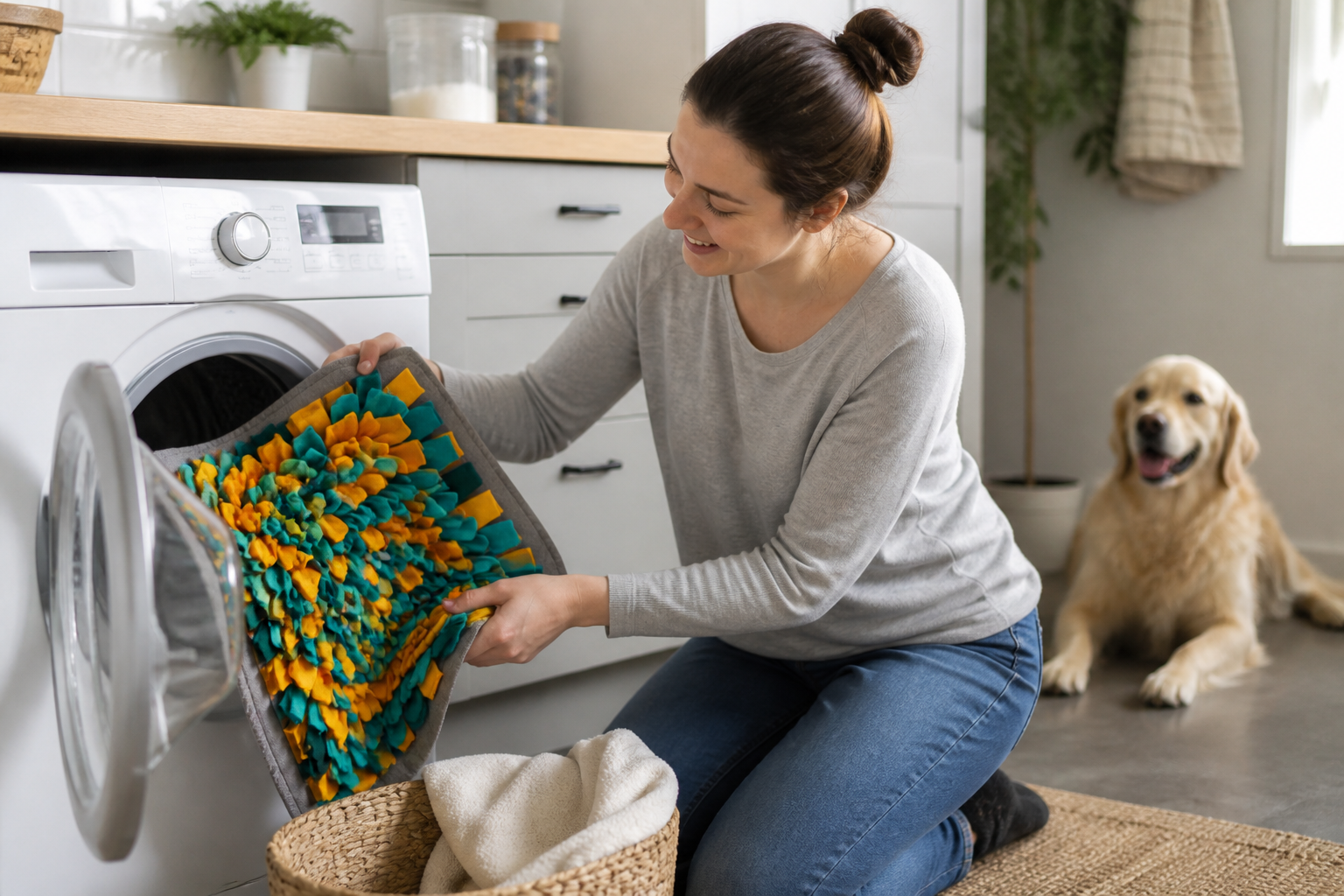
Most DIY snuffle mats can be washed in a standard washing machine. Place the mat inside a pillowcase or a mesh laundry bag to prevent the strips from getting caught in the agitator. Use a mild, pet-safe detergent. Do not use fabric softener, as the strong scent can be overwhelming for a dog’s sensitive nose. Always air dry the mat. Putting the rubber base in a hot dryer can cause it to warp or melt.
Troubleshooting Common Issues
Not every dog understands the snuffle mat right away. If your dog is struggling, try these tips:
- The Flippers: Some dogs will try to flip the mat over to dump all the treats out. If this happens, try using a heavier rubber mat as a base. You can also place the mat in a shallow tray or cookie sheet to keep it flat.
- The Frustrated Dog: If your dog starts barking or pawing aggressively at the mat, the game might be too hard. Go back to basics by putting the treats on the very top of the fleece.
- The Disinterested Dog: If your dog walks away, you might need a "stinkier" treat. Freeze-dried liver or salmon treats usually do the trick.
Advanced Enrichment Ideas
Once your dog is a snuffle mat pro, you can mix things up. You do not have to stick to just one mat. Some owners connect two or three sink mats together with zip ties to create a massive foraging area. This is great for large breeds that need a bigger challenge.
You can also incorporate the mat into your training routine. Have your dog stay in another room while you "load" the mat. Then, use a release command like "Find it!" to start the game. This builds impulse control and adds an extra layer of mental work. For more ways to challenge your dog’s mind, explore brain games and activities for dogs.
At BaxterBoo, we love seeing pets live their best lives through active play and smart nutrition. Whether you are using your mat for daily meals or rainy-day fun, it is a great way to bond with your dog. If you find yourself running low on the high-value treats needed for these games, our Autoship program is a great way to ensure you never run out, and you will save money on every order.
Bottom line: A DIY snuffle mat is a low-cost, high-reward project that solves common behavioral and health issues by tapping into a dog's natural foraging instincts.
FAQ
How do I wash a DIY snuffle mat without it falling apart?
The best way to wash your mat is to place it in a mesh laundry bag or a tied pillowcase. Use a gentle cycle with cold water and a pet-safe detergent. Always allow the mat to air dry completely before using it again, as the heat from a dryer can damage the rubber base.
Is a snuffle mat safe for a puppy that is teething?
You should be extra careful with puppies who are in their chewing phase. While the mat is great for their developing brains, they are much more likely to chew off and swallow the fleece strips. Supervise them the entire time and remove the mat the moment they stop sniffing and start chewing.
How much fleece do I actually need for a standard mat?
For a 12 by 15 inch sink mat, you generally need about 1.5 yards of fleece. This allows for enough strips to create a very dense surface. If you want an exceptionally plush mat or are using a larger base, you should plan for 2 yards to be safe.
Can I use a snuffle mat for my cat too?
Yes, cats can benefit from snuffle mats just as much as dogs. Cats are natural hunters, and foraging for dry kibble or treats can help keep an indoor cat active and engaged. Use smaller strips of fleece to make a "mini" version of the mat that is more appropriate for a cat’s size.
Conclusion
Building a snuffle mat for your dog is a rewarding project that provides hours of entertainment and health benefits. By following these steps, you have created a tool that slows down fast eaters, reduces stress, and satisfies your dog's instinctual need to forage. Remember to always supervise your pet during use and keep the mat clean for a safe experience. If you are ready to start your next enrichment project or need to stock up on healthy treats to hide in your new mat, consider joining our MVP Rewards program. You can earn points on every purchase and get exclusive offers on the 500 plus brands we carry. Providing high-quality care for your pet does not have to be expensive or complicated when you have the right tools and a little bit of DIY spirit.
Key Takeaway: DIY enrichment is a practical way to improve your dog's quality of life. A simple snuffle mat is the perfect starting point for any owner looking to boost their pet's mental health.


- Site & Contents BaxterBoo.com. BaxterBoo is located in the United States.
- Privacy & Security
- Terms of Use
- Accessibility Statement
