Save 15% on your 1st Autoship learn more

 Email us
 Live Chat
 FAQs
FAQs





Introduction
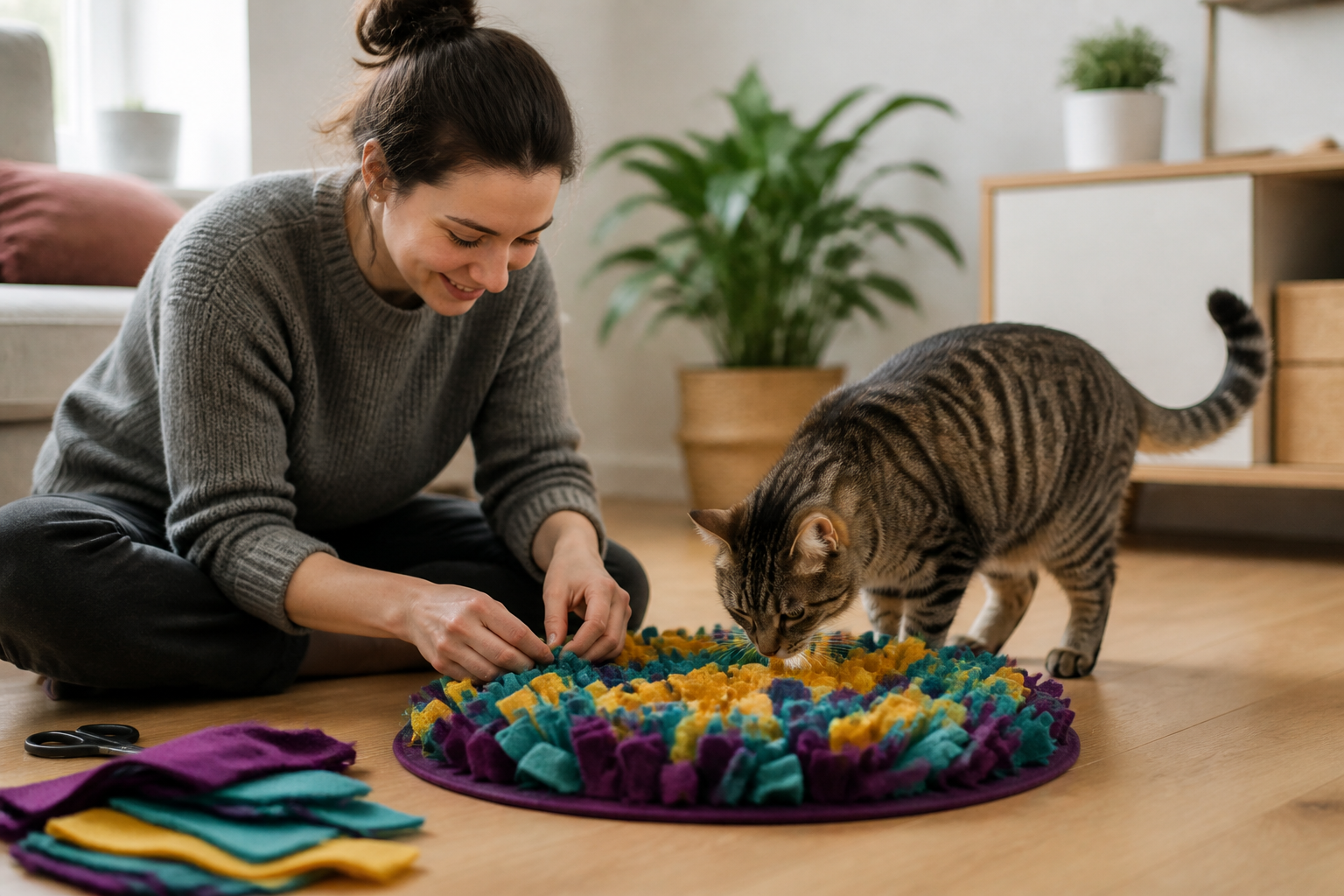
Your cat is staring at the kitchen cabinet again. Even though the food bowl is full, that familiar restless energy is setting in. Indoor cats are natural hunters, but their modern environment often lacks the mental challenges they crave. This boredom can lead to overeating or destructive behavior around the house. At BaxterBoo, we believe that enrichment is just as important as a good diet for a happy feline. A snuffle mat is one of the most effective ways to satisfy those foraging instincts. This guide will walk you through the process of creating a custom snuffle mat using simple materials. You will learn how to select the right fabrics and how to introduce this puzzle to your cat for the best results.
Quick Answer: A snuffle mat is a DIY enrichment toy made by tying strips of fleece fabric through the holes of a rubber sink mat. It encourages cats to use their sense of smell to find hidden treats or kibble. This activity provides mental stimulation and slows down fast eaters.
The Science of Feline Foraging
Domestic cats share nearly all of their DNA with wild feline ancestors. In the wild, a cat spends a significant portion of its day hunting and searching for food. When we place a bowl of kibble on the floor, we remove the "search" phase of their natural cycle. This can lead to a lack of mental engagement.
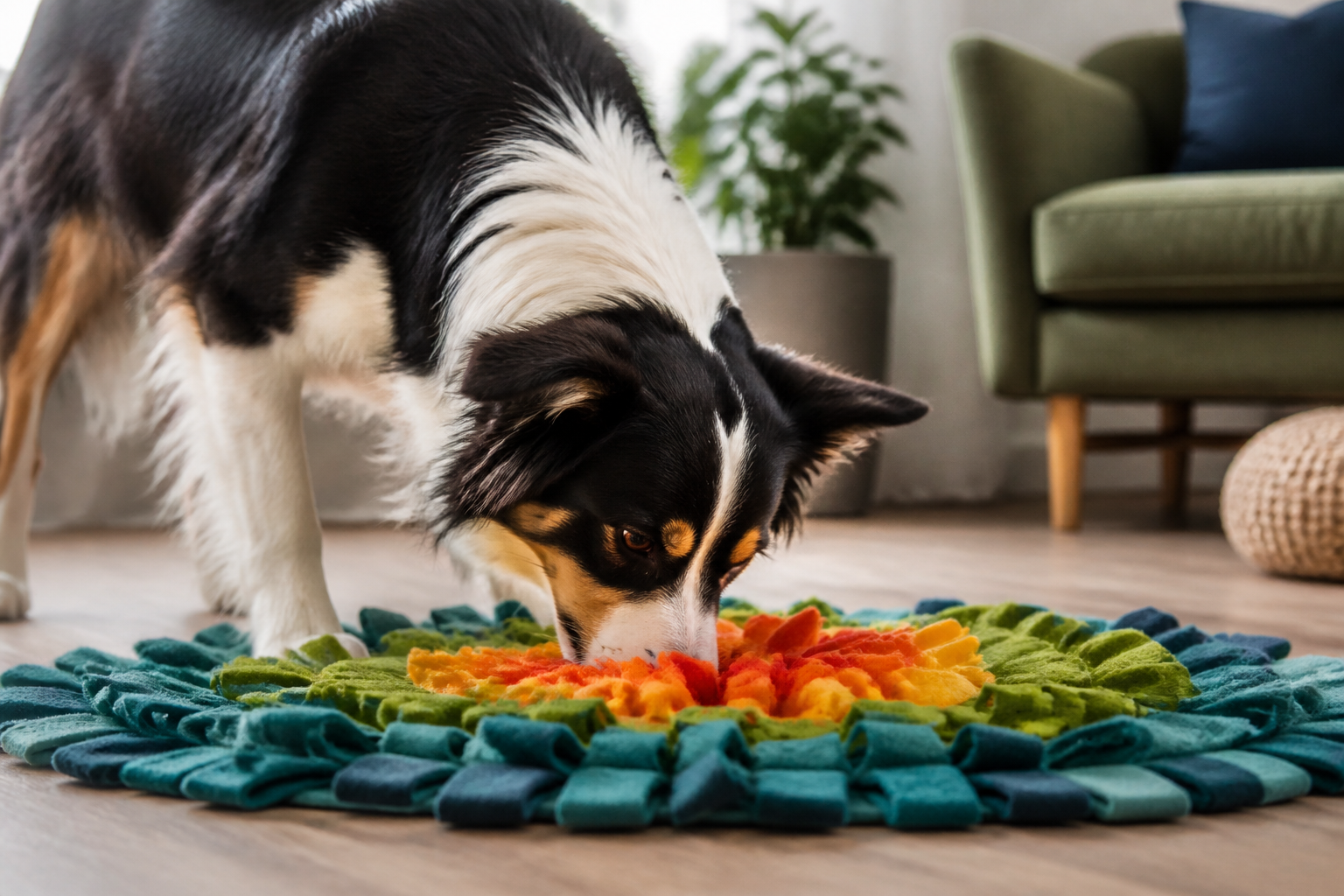
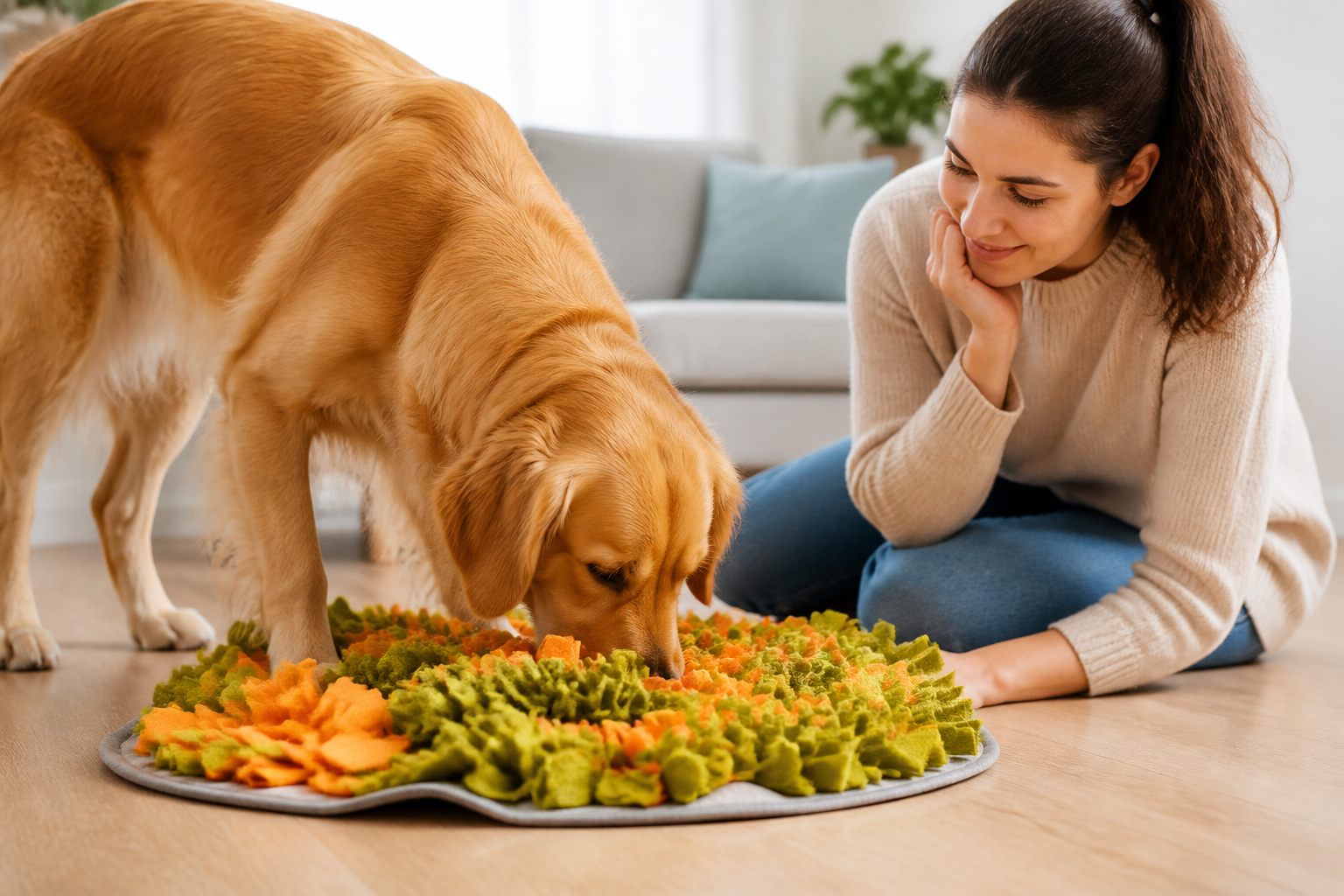
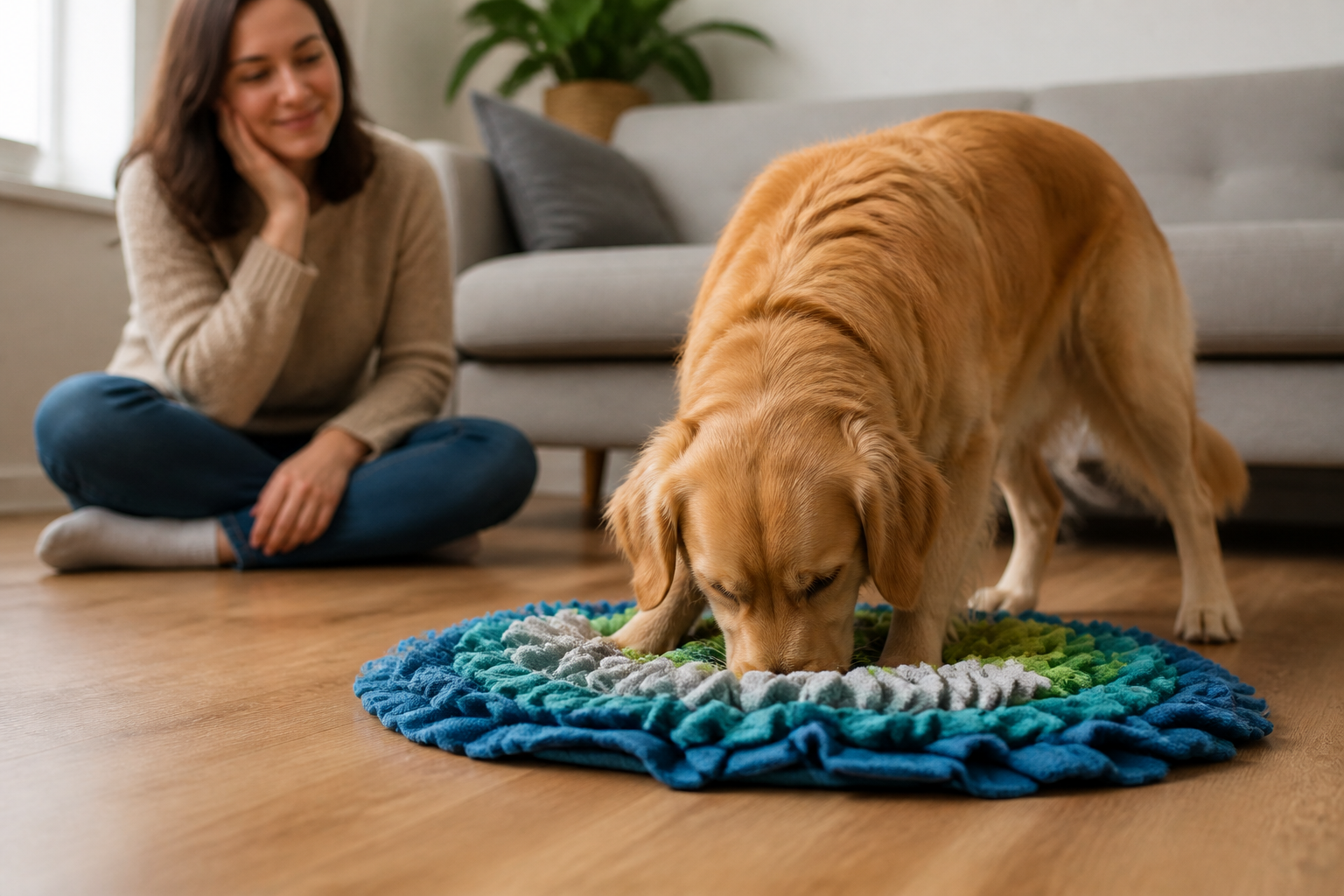
A snuffle mat reintroduces the concept of the hunt. By hiding treats among dense fabric strips, you force your cat to use their nose and paws to "capture" their meal. This process releases dopamine in the brain, which helps lower stress levels. For indoor cats, this kind of sensory work is vital for preventing cognitive decline as they age.
Why Scent Matters for Cats
A cat's sense of smell is roughly fourteen times stronger than that of a human. They have a specialized organ called the vomeronasal organ, or Jacobson's organ, located in the roof of the mouth. This allows them to "taste" scents in the air. When your cat snuffles through a mat, they are processing a complex map of aromas. This is a high-energy mental workout that can tire out a restless kitten more effectively than a laser pointer.
Benefits for Fast Eaters
Some cats tend to "scarf and barf," meaning they eat their dry food too quickly and immediately regurgitate it. Using a snuffle mat as a slow feeder is a practical solution. It forces the cat to eat one or two pieces of kibble at a time. This allows their stomach to signal the brain that they are full before they overeat.
Essential Materials and Tools
You do not need a sewing machine or advanced craft skills to make a high-quality snuffle mat. Most of these items are available at local hardware or craft stores. At BaxterBoo, we always recommend choosing durable materials that can withstand a few kitty claws.
The Base Mat
The foundation of your snuffle mat should be a heavy-duty rubber sink mat. Look for one with a grid of small holes. These are typically sold in the kitchen section of department stores. Ensure the rubber is flexible but sturdy enough to hold its shape when weighted down with fabric. A standard 12 by 15-inch mat is usually perfect for an average-sized cat.
Choosing the Right Fabric
Fleece is the gold standard for snuffle mats. There are several reasons why this material is superior to cotton or wool:
- It does not fray when cut.
- It is soft on sensitive cat noses and paw pads.
- It is machine washable.
- It holds its "loft" or fluffiness, which creates better hiding spots.
Avoid using flannel or felt. Flannel will fray quickly and create a mess of threads that your cat might swallow. Felt is often too stiff and can be abrasive on the face. You will need about one to one and a half yards of fleece. You can use one solid color or mix different patterns to match your home decor.
Required Tools
- Sharp fabric scissors or a rotary cutter.
- A ruler or measuring tape.
- A steady workspace.
Key Takeaway: Using fleece is non-negotiable for a DIY snuffle mat. It prevents fraying and provides the necessary texture to hide food effectively without irritating your cat's skin.
Preparing Your Materials
Before you start tying, you need to prep your fabric strips. This is the most time-consuming part of the process, but getting the dimensions right makes the assembly much easier.
Step 1: Wash the Fabric
Always wash your fleece before starting. This removes any chemical residues from the manufacturing process. Do not use scented fabric softeners, as the strong perfume can be overwhelming for a cat's sensitive nose.
Step 2: Measure and Cut
You want your strips to be roughly 1 inch wide and 7 to 8 inches long. If the strips are too short, they will be difficult to knot. If they are too long, the mat will become floppy and the treats will fall right to the bottom.
- Cut your fleece into long 8-inch wide sections.
- Stack these sections to cut multiple strips at once.
- Aim for about 200 to 250 strips for a standard sink mat.
Step 3: Organize Your Colors
If you are using multiple colors, separate them into piles. This helps you create a balanced pattern as you work. You might choose bright colors like yellow or orange, which are easier for cats to distinguish against the floor.
Bottom line: Preparation is the key to a successful project; cutting all your strips beforehand allows for a much faster assembly process.
Step-by-Step Assembly Guide
Now that your strips are ready, it is time to assemble the mat. This method requires no sewing and relies on simple knots.
The Horizontal Row
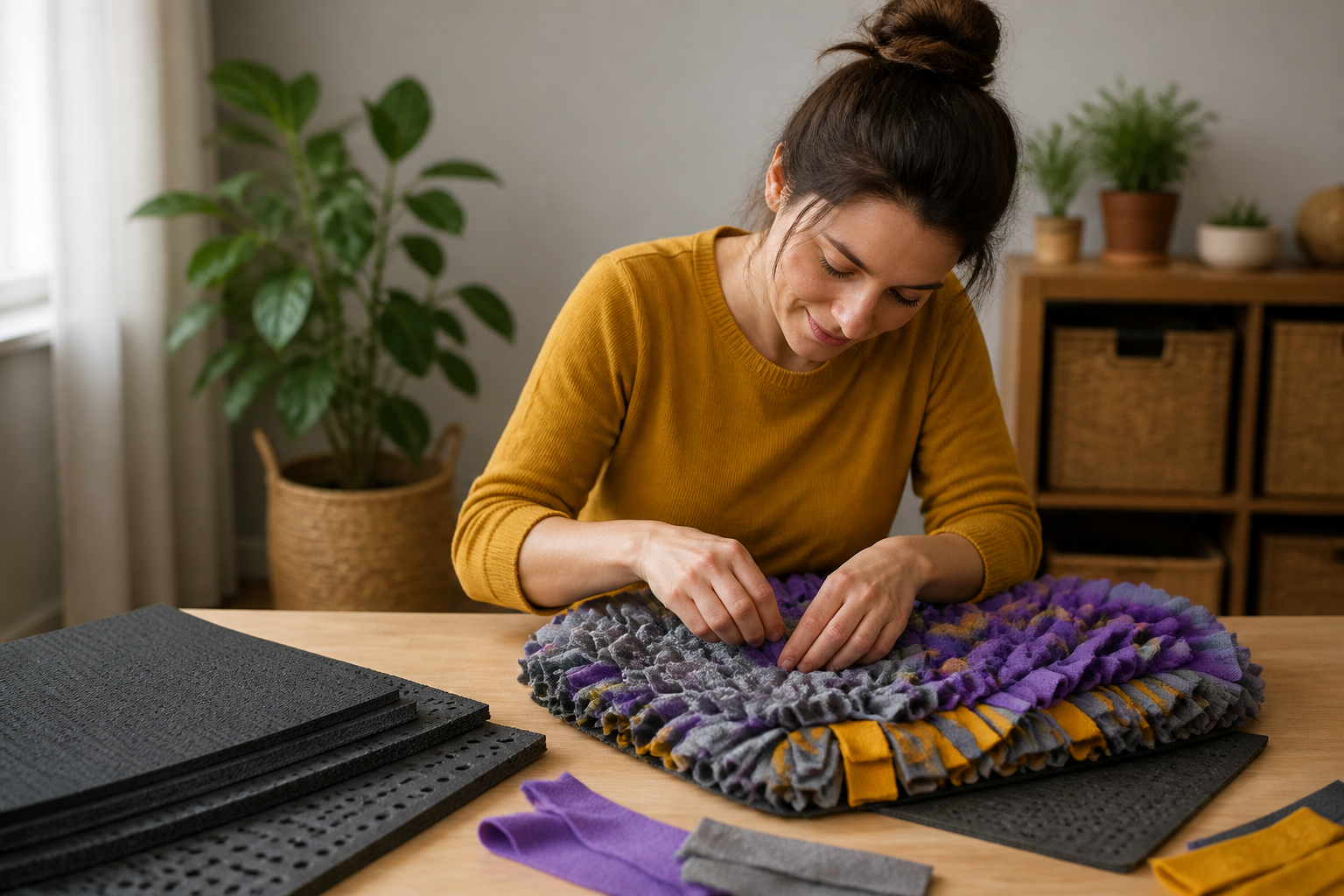
Start at one corner of the rubber mat. Take a strip of fleece and thread one end through the first hole. Thread the other end through the hole immediately next to it. Pull the ends so they are even on the top side of the mat. Tie a single square knot. You do not need a double knot; one firm tie is enough to keep it secure. Continue this process until you have filled every pair of holes across the first row.
The Vertical Row
Once your horizontal rows are finished, the mat will look somewhat thin. To add density, you need to tie strips vertically. Take a strip and thread it through the first hole of row one and the first hole of row two. Tie the knot on the top side. Repeat this across the entire mat. By tying in both directions, you create a dense "forest" of fleece that stands upright.
The Diagonal Fill (Optional)
If you still see gaps in your mat, you can go back and add diagonal strips. This involves tying across the corners of the grid holes. For most cats, the horizontal and vertical rows provide plenty of coverage. If you have a particularly clever cat, the extra density of diagonal strips will make the "hunt" more challenging.
Finishing Touches
After all the strips are tied, flip the mat over. Check the bottom for any loose ends or missed holes. Flip it back over and give the fleece a good shake. Use your fingers to fluff up the strips so they stand at different angles. This creates the nooks and crannies where the treats will hide.
Introducing the Snuffle Mat to Your Cat
Do not expect your cat to know exactly what to do with the mat immediately. Some cats are naturally curious, while others may be skeptical of a new object in their environment. For more ideas, explore clever brain games for cats.
Level 1: The Visible Treat
The first time you use the mat, place a few high-value treats directly on top of the fleece. Let your cat see you do this. Use a phrase like "find it" to signal that the game has started. This builds a positive association with the mat.
Level 2: Partial Hiding
Once your cat is comfortably eating from the top, start tucking the treats slightly under the first layer of fleece. They should still be able to see part of the treat. This encourages them to start using their paws or nose to move the fabric.
Level 3: The Full Hunt
Now you can hide the treats deep within the folds. Distribute them across different areas of the mat so the cat has to move around. If your cat gets frustrated and tries to flip the mat over, go back to Level 2 for a few sessions.
Vet Tip: Always supervise your cat during snuffle mat sessions. While fleece is generally safe, some cats are "extreme chewers" and may attempt to swallow the fabric strips. If you notice your cat biting the fabric instead of looking for treats, remove the mat and consult your veterinarian about appropriate chew toys.
Cleaning and Maintenance
A snuffle mat can get dirty quickly. Saliva, treat crumbs, and dust from the floor will accumulate in the fibers. Regular cleaning is essential to keep the mat hygienic and to keep your cat interested.
Machine Washing
The beauty of the rubber and fleece construction is that it is machine-friendly. Place the mat inside a pillowcase and tie the end shut. This prevents the rubber mat from banging against the drum of your washing machine. Wash on a gentle cycle with cold water. Use a fragrance-free detergent.
Drying the Mat
Do not put the snuffle mat in the dryer. The high heat can warp or melt the rubber base. Instead, squeeze out the excess water and lay it flat on a drying rack. You can also hang it up in a well-ventilated area. It usually takes about 24 hours to air dry completely.
Routine Checks
Before each use, inspect the mat for loose strips. If a knot has come untied, retie it immediately. If the fleece is starting to pill or look thin, it might be time to replace those specific strips. Keeping the mat in good repair ensures it remains a safe enrichment tool.
Creative Variations for Cats
While the basic design works well, you can tailor the snuffle mat to your cat's specific preferences.
The Catnip Infusion
For cats that are not highly food-motivated, you can use dried catnip or silvervine. Sprinkle the herbs deep into the mat. The fabric will trap the scent, providing a long-lasting sensory experience. This is a great way to encourage a sedentary cat to get moving. You can also explore our catnip toy collection for additional sensory play options.
Variable Strip Lengths
Instead of making every strip 8 inches long, try a variety of lengths between 6 and 10 inches. This creates an uneven "terrain" that is more like the natural forest floor. It requires the cat to adjust their approach for different sections of the mat.
Adding Textures
While fleece should remain the primary material, you can tie in a few strips of different fabrics, like silk or crinkle material. The different tactile sensations and sounds can make the mat even more engaging for a curious kitten.
Using the Pharmacy for Nutritional Health
When using a snuffle mat for weight management or health needs, the quality of the food matters. If your cat has been prescribed a specific diet for weight loss or urinary health, you can use that kibble in the mat. Our cat pharmacy offers prescription pet foods and medications through BaxterBoo.
If your cat manages a chronic condition like diabetes or kidney disease, talk to your vet about which treats are safe to use for enrichment. Using the snuffle mat with FDA-approved prescription diets is an excellent way to keep your cat healthy while still providing mental stimulation. Always ensure you are counting the calories used in the mat as part of their daily intake to prevent unwanted weight gain.
Common Troubleshooting Tips
Not every cat takes to a snuffle mat right away. If your cat seems uninterested or confused, consider these adjustments.
The Mat Is Too Dense
If you tied the strips very tightly, it might be too hard for the cat to find the treats. They may give up if they cannot smell the food. Try removing a few strips from the center to create a slightly more open area.
The Treats Are Not "Smelly" Enough
Cats rely heavily on scent. If you are using standard kibble that has been sitting in an open bag, it may have lost its aroma. Try using a small piece of freeze-dried meat or a specifically designed high-aroma training treat to jumpstart their interest. Our cat treats include options that can be portioned for enrichment activities.
Distractions in the Room
Cats are easily distracted by loud noises or other pets. Try using the snuffle mat in a quiet, low-traffic area of your home. This allows the cat to focus entirely on the scent work without feeling the need to watch their back.
Beyond the Mat: Other Enrichment Ideas
The snuffle mat is just one tool in your feline enrichment kit. To keep your cat truly engaged, it is best to rotate their toys and activities. For more ideas, read 10 ways to create indoor enrichment.
- Vertical Space: Ensure your cat has access to high perches or cat trees.
- Window Entertainment: Place a bird feeder outside a window where your cat can watch the "cat TV."
- Puzzle Feeders: In addition to the mat, use hard plastic puzzle balls that require the cat to bat them around to release food.
- Active Play: Dedicate 15 minutes a day to interactive play with our interactive cat toys.
By combining these activities with regular snuffle mat sessions, you create a stimulating environment that mimics the complexity of the natural world. This leads to a more relaxed, confident, and well-behaved cat.
Conclusion
Making a snuffle mat is a rewarding way to show your cat extra love while supporting their natural instincts. It is an affordable, customizable, and effective tool for mental health and slow feeding. By following these steps, you can create a durable toy that will provide hours of entertainment for your feline companion. Remember to start slow, supervise every session, and keep the mat clean for long-term use. If you need supplies for your next pet project or high-quality treats to hide in your new mat, explore our cat treats collection. We also offer our Autoship programme to ensure you never run out of your cat's favorite healthy snacks. Providing enrichment is a journey, and your cat will thank you for the extra effort with every happy "snuffle."
FAQ
Can I use a snuffle mat for my kitten?
Yes, snuffle mats are excellent for kittens as they help develop their sensory skills and keep them busy. Just ensure the fabric strips are tied securely and supervise them to make sure they do not try to chew or swallow the fleece. It is a great way to burn off that famous kitten zoomie energy.
How often should I let my cat use the snuffle mat?
You can use the snuffle mat daily, especially if you are using it to feed their regular dry kibble. However, if you are using high-value treats, it is best to limit sessions to once or twice a day to prevent overfeeding. Rotating the mat with other toys will also help prevent your cat from getting bored with it.
What should I do if my cat tries to eat the fleece?
If your cat starts chewing on the fabric instead of searching for food, take the mat away immediately. This behavior can lead to accidental ingestion of fabric, which may cause an intestinal blockage. You can try introducing the mat again later when they are more focused on food, or consult your vet about non-fabric enrichment options.
Is the snuffle mat difficult to clean?
Not at all, as most snuffle mats are machine washable. Simply place the mat inside a pillowcase and wash it on a cold, gentle cycle. Air drying is best to preserve the life of the rubber base and the fluffiness of the fleece strips. Frequent washing keeps the mat smelling fresh and free of bacteria.