
 Save 15% on your 1st Autoship learn more

 Email us
 Live Chat
 FAQs





Introduction
You are relaxing on the sofa with your cat when you notice small white flecks scattered across their back. You might wonder if it is just a bit of dust from under the bed or something more serious. At BaxterBoo, we know that changes in your cat's coat often signal changes in their internal health. While some shedding is normal, visible flakes usually mean the skin needs extra attention. This post covers the clear differences between dander and dandruff and explains why your cat might be flaking. We will also provide practical steps for grooming, nutrition, and veterinary care to restore that healthy shine. Understanding these signs helps you keep your feline friend comfortable and itch-free.
Understanding Cat Dander versus Cat Dandruff
Many people use the terms dander and dandruff as if they mean the same thing. However, they are quite different in how they affect your cat and your home. Dander is a natural part of a cat's biology. It consists of microscopic skin cells that shed as the skin renews itself. Every cat produces dander regardless of their hair length or breed. You cannot see dander with the naked eye. It is also the primary carrier for the Fel d 1 protein, which is the actual cause of most human cat allergies.
Dandruff is a different story. These are the visible white or gray flakes you see on the fur, bedding, or furniture. Dandruff is not a normal part of the shedding process. It is a sign that the skin is either too dry or too oily. When skin cells die and clump together in large visible groups, it suggests an imbalance.
Quick Answer: Cat dander is microscopic and part of a healthy skin cycle. Cat dandruff consists of visible flakes and usually indicates an underlying health or environmental issue.
| Feature | Cat Dander | Cat Dandruff |
|---|---|---|
| Visibility | Microscopic (Invisible) | Visible white or gray flakes |
| Normalcy | 100% Normal and healthy | Sign of a health or care issue |
| Texture | Usually dry and dusty | Can be dry or greasy/oily |
| Human Allergy Impact | Very high | Low (though it carries dander) |
| Prevention | Cannot be stopped | Can be treated and prevented |
Cat Skin & Coat Care








Identifying the Signs of Feline Skin Irritation
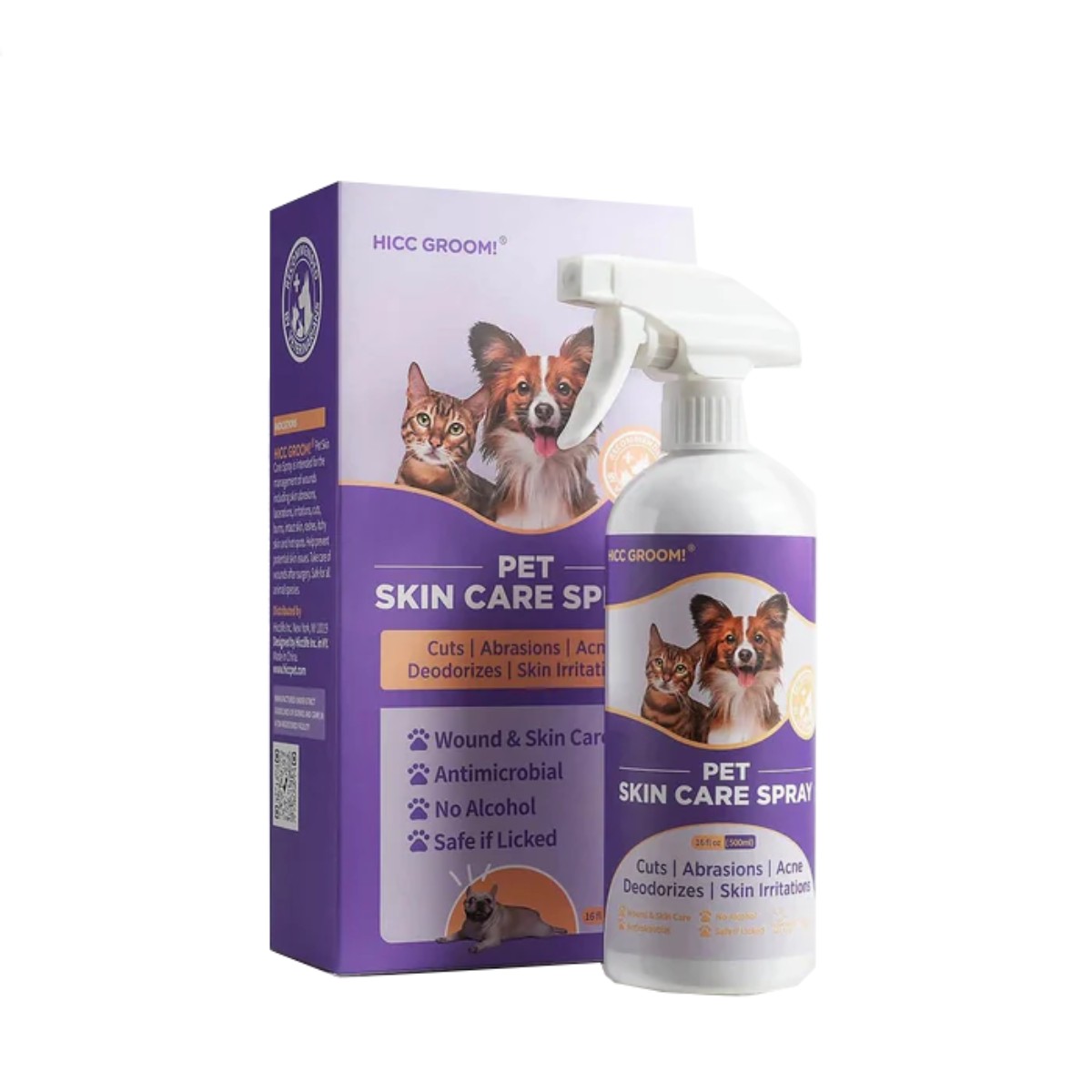
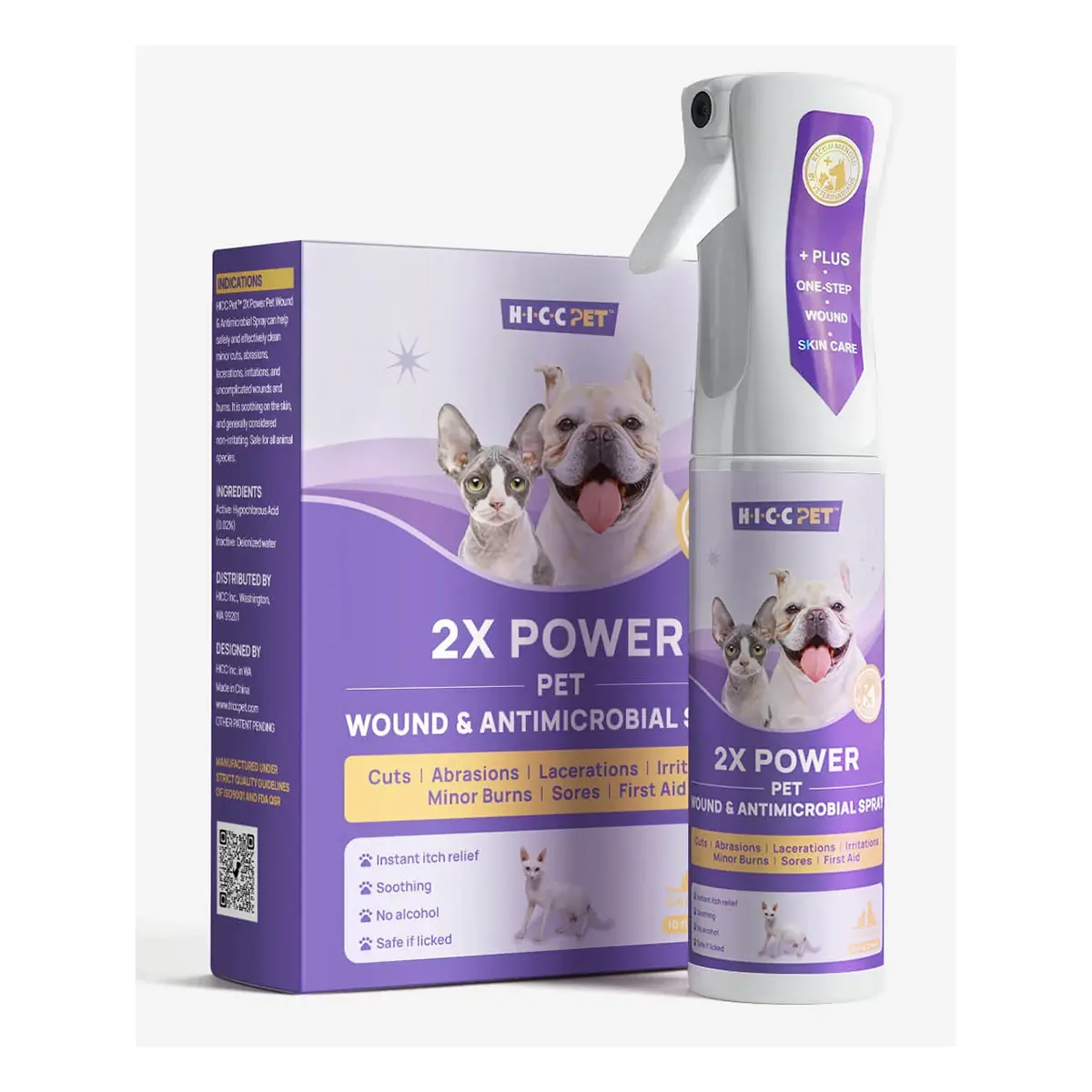
Flakes are the most obvious sign of a problem, but they are rarely the only one. If your cat has dandruff, you should look closely at the rest of their coat and skin. Healthy cat skin should be supple and clear. The fur should have a natural luster and feel soft to the touch. When dandruff appears, it is often joined by other symptoms that tell a bigger story.
Check for areas of redness or inflammation under the flakes. You might also notice that your cat is grooming more than usual. While cats are clean animals, excessive licking or biting at the skin is a sign of discomfort. Sometimes the fur might appear dull, matted, or greasy. In more advanced cases, you may see actual thinning of the hair or bald patches. These signs mean the skin barrier is struggling.
Key Takeaway: Visible flakes are often the first sign of skin distress, but redness and over-grooming suggest a deeper level of irritation.
Common Environmental and Lifestyle Causes
Not every case of dandruff requires a medical prescription. Often, the cause is found in the cat's environment or daily habits. Small changes at home can make a massive difference in the quality of their skin.
Low Humidity and Dry Air
The air in your home plays a huge role in skin health. This is especially true during the winter months when the heater is running constantly. Forced-air heating strips moisture from the environment. This causes the top layer of your cat's skin to dry out, crack, and flake off. If you notice your own skin feeling itchy or dry in the winter, your cat is likely feeling the same way.
Grooming Challenges in Senior or Overweight Cats
Cats are famous for their grooming skills, but some cats face physical barriers. Obesity is a major cause of dandruff in cats. If a cat carries too much weight, they simply cannot reach certain parts of their body, like the lower back and the base of the tail. Dead skin cells and natural oils build up in these hard to reach spots.
Senior cats face similar issues due to arthritis. If it hurts for a cat to twist and bend, they will stop grooming those areas. This leads to a buildup of the undercoat and visible flakes. Regular brushing from you becomes essential for these cats. At BaxterBoo, we offer a variety of soft bristle brushes and our cat grooming supplies that can help you take over the job your cat can no longer do comfortably.
Bottom line: Environmental factors like dry air and physical factors like limited mobility are leading causes of non-medical cat dandruff.
Health Conditions That Cause Flaky Skin
If a cat is at a healthy weight and the home environment is comfortable, dandruff may point to a medical issue. Several conditions can disrupt the skin's natural balance.
Parasites and Walking Dandruff
External parasites are a common culprit. Fleas, ticks, and lice irritate the skin and cause inflammation. One specific parasite is often confused with simple dry skin. Cheyletiella mites cause a condition known as walking dandruff. These mites are large enough to be seen with the naked eye. They look like small white flakes moving across the cat's fur. This condition is highly contagious between pets and can even affect humans.
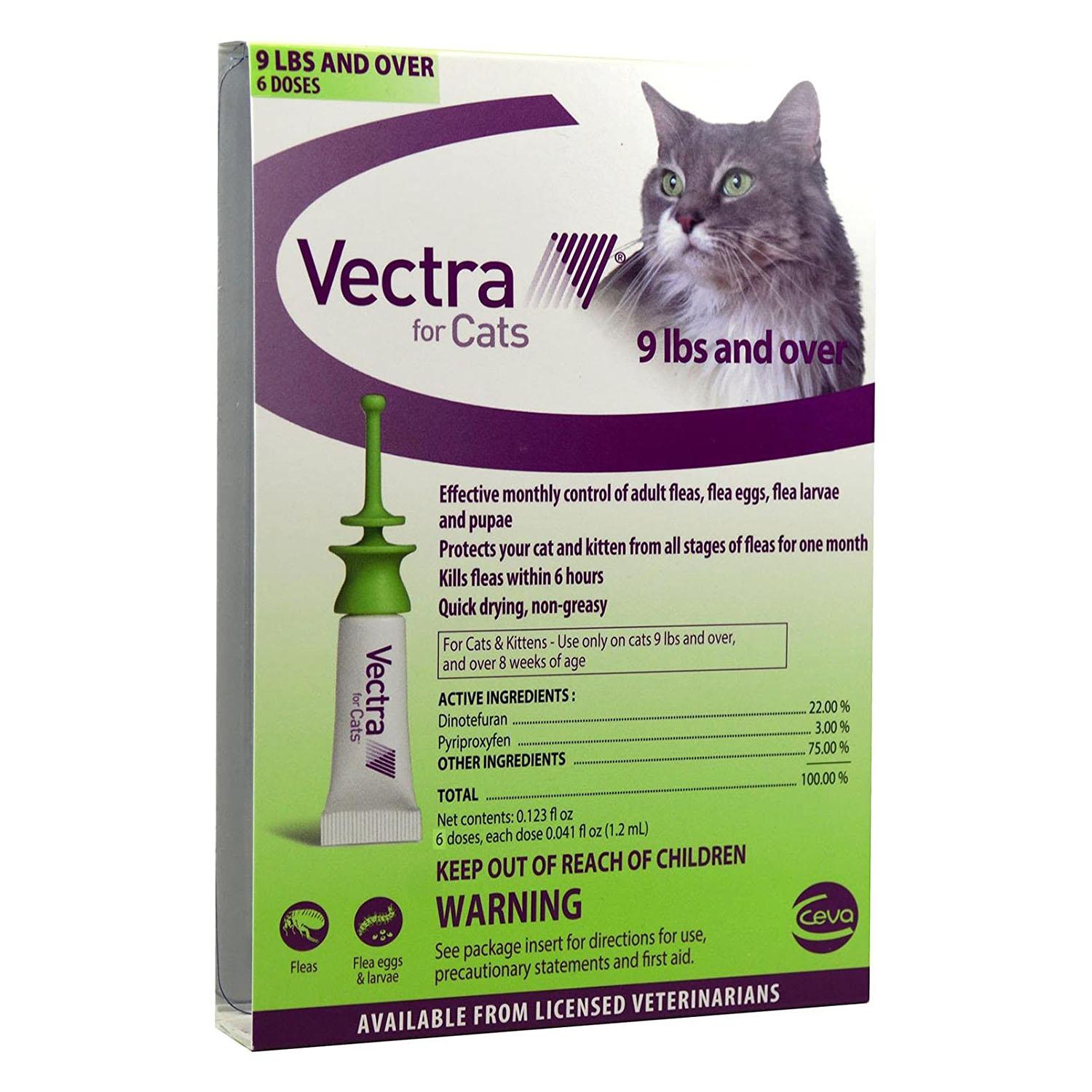
Our pharmacy carries FDA-approved flea and tick preventives through our partnership with Pet's Choice. Many of these require a prescription from your veterinarian. Staying consistent with parasite prevention is one of the easiest ways to rule out flakes caused by pests. You can also review our cat flea and tick collection when discussing prevention options with your veterinarian.
Systemic Illnesses and Infections
Sometimes the skin reflects what is happening inside the body. Conditions like diabetes, kidney disease, or hyperthyroidism can change the way the skin produces oils. Fungal infections like ringworm or bacterial skin infections also cause scaling and flaking. These issues require a professional diagnosis and often a specific treatment plan.
Vet Tip: If your cat's dandruff is accompanied by weight loss, increased thirst, or lethargy, schedule a veterinary visit immediately. These can be signs of systemic diseases like diabetes or hyperthyroidism.
Practical Steps to Reduce Cat Dandruff at Home
Once you have identified the likely cause, you can start a routine to clear up the flakes. Consistency is the most important part of any skin care plan for cats.
Establishing a Grooming Routine
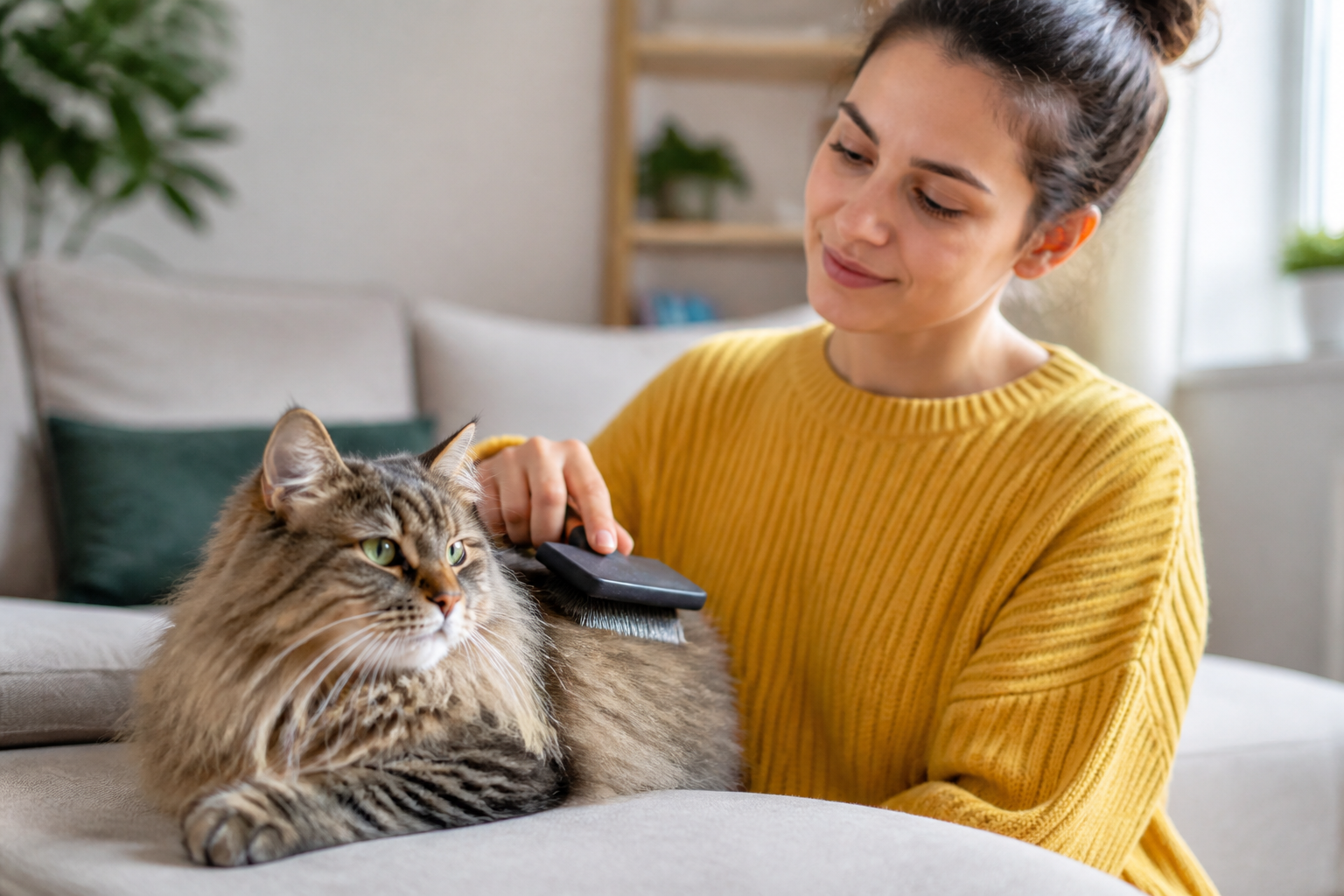
Brushing does more than just remove loose hair. It stimulates the skin and helps distribute natural oils across the entire coat. For a cat with dandruff, this is a vital part of the healing process.
Step 1: Choose the right tool. Use a soft bristle brush or a rubber grooming mitt for cats with sensitive skin.
Step 2: Brush in the direction of hair growth. Start at the head and work your way back toward the tail.
Step 3: Focus on the problem areas. Give extra attention to the lower back and base of the tail where flakes often gather.
Step 4: Keep it positive. Use small treats to make the grooming session a bonding experience rather than a chore.
Environmental Adjustments
If dry air is the problem, a humidifier is an excellent investment. Placing a humidifier in the room where your cat spends the most time can prevent the skin from drying out. You should also ensure your cat has multiple sources of fresh water. Dehydration shows up on the skin very quickly. A cat water fountain can encourage more frequent drinking, which helps hydrate the skin from the inside out.
The Role of Nutrition in Skin and Coat Health
What your cat eats is the foundation of their skin health. The skin is the largest organ in the body. It requires a significant amount of protein and specific fats to remain healthy and waterproof. Explore our skin and coat cat food options when comparing foods with your veterinarian.
Essential Fatty Acids
Omega-3 and Omega-6 fatty acids are crucial for maintaining the skin barrier. These fats reduce inflammation and help the skin retain moisture. Many premium cat foods, such as those from brands like NutriSource or Stella and Chewy's, include these essential fats. If your cat's current food is low in fat, you might see dry, brittle fur and dandruff. We carry several supplements, like those from Zesty Paws, that can be added to your cat's meals to boost their fatty acid intake.
Hydration and Wet Food
Cats often have a low thirst drive. In the wild, they get most of their moisture from their prey. A diet consisting only of dry kibble can lead to mild chronic dehydration. Switching to a high-quality wet food, like Tiki Cat or Fussie Cat, provides a massive boost to their daily water intake. This extra hydration helps keep the skin cells plump and healthy, making them less likely to flake off prematurely. For more feline nutrition guidance, read our guide to sensitive-stomach cat food.
Bottom line: A combination of high-quality proteins, essential fatty acids, and proper hydration is the most effective way to manage dandruff through nutrition.
When to Visit the Veterinarian
While a few flakes can often be managed at home, you should never ignore persistent skin issues. You should seek professional help if the dandruff does not improve after a few weeks of better grooming and nutrition.
A vet visit is necessary if you notice the following:
- The skin is red, bleeding, or oozing.
- Your cat is losing large patches of fur.
- There are visible parasites like fleas or mites.
- Your cat seems intensely itchy and cannot stop scratching.
- The flakes are accompanied by a bad odor.
Your veterinarian might recommend a prescription diet. Our pharmacy and Pet's Choice partnership offer access to specialized foods like Farmina Vet Life, which are formulated for specific health needs. They may also prescribe medicated shampoos or topical treatments. Never use human dandruff shampoos on a cat. These products often contain ingredients that are toxic to felines or can severely disrupt their delicate skin pH. If parasites may be involved, our pet pharmacy for cats offers prescription products for veterinary care.
Conclusion
Managing cat dandruff and dander is about more than just aesthetics. It is about ensuring your cat feels comfortable and healthy in their own skin. By recognizing the difference between normal dander and problematic flakes, you can take the right steps to support your pet. Regular grooming, a diet rich in fatty acids, and a humidified home can solve many common issues. For more persistent problems, our pharmacy is ready to provide the prescription medications and diets your vet recommends. We are here to help you every step of the way with the best gear and expert advice. Check out our cat skin and coat care selection to find tools that make caring for your senior or overweight cat easier.
FAQ
Can I use human dandruff shampoo on my cat?
No, you should never use human shampoos on your cat. Human skin has a different pH level than cat skin, and many ingredients in human products are toxic to cats if ingested during grooming. Always use a vet-approved shampoo specifically formulated for felines to avoid making the irritation worse.
Is cat dander the same thing as cat hair?
Dander is not hair, although it is often attached to it. Dander consists of microscopic skin cells and proteins from a cat's saliva. While people often think they are allergic to cat hair, they are actually reacting to the dander and proteins that the hair carries through the home.
Why does my cat only have dandruff on their lower back?
The lower back and base of the tail are common spots for dandruff because they are the hardest areas for a cat to reach. If a cat is overweight or has arthritis, they cannot groom these spots effectively. This leads to a buildup of dead skin cells and oils in that specific area. For related weight-management guidance, see our article on helping an indoor cat lose weight.
How long does it take for cat dandruff to clear up?
If the cause is environmental or nutritional, you will usually see an improvement within two to four weeks. Skin cells take time to regenerate, so changes in diet or grooming routines do not happen overnight. If you do not see progress after a month, it is time to consult your veterinarian.






- Site & Contents BaxterBoo.com. BaxterBoo is located in the United States.
- Privacy & Security
- Terms of Use
- Accessibility Statement
