
 Save 15% on your 1st Autoship learn more

 Email us
 Live Chat
 FAQs





Introduction
You are relaxing on the couch with your favorite feline when you notice something unusual. As you stroke the fur along their spine, a dusting of tiny white flakes appears. This sight can be frustrating for any pet owner who takes pride in their cat's glossy coat. At BaxterBoo, we talk to cat parents every day who are surprised to find these flakes on the lower back and base of the tail. While a few flakes might seem like a simple cosmetic issue, they often signal a need for a change in grooming, diet, or health management. This article will explain why dandruff frequently targets the back and how you can help your cat feel comfortable again. We want to provide you with practical steps to identify the cause and restore your cat's skin health.
Quick Answer: Cat dandruff on the back is often caused by a lack of grooming due to obesity or arthritis. It can also stem from dry air, nutritional gaps, or skin parasites. Brushing, adding omega fatty acids, and consulting a vet for underlying health issues are the best ways to clear it up.
Understanding Feline Dandruff Versus Dander
It is easy to confuse cat dandruff with cat dander. However, they are two very different things. Every healthy cat produces dander. These are microscopic skin cells that shed naturally as the skin renews itself. Because dander is so small, you generally cannot see it with the naked eye. It is the protein found on dander that usually triggers allergies in humans.
Dandruff is different because the flakes are large enough to see. It occurs when the skin's natural cycle is disrupted. Instead of shedding individual cells, the skin sloughs off in larger clumps. These white or gray flakes get caught in the fur. You will likely see them most clearly on cats with dark coats.
Dandruff is a symptom rather than a primary disease. It tells you that the skin is either too dry or too oily. When skin is irritated or lacks proper moisture, it sheds faster than normal. Seeing flakes specifically on the back is a very common clinical sign that something is preventing the skin from staying balanced.
Cat Skin & Coat Care








Why Does Dandruff Appear on the Back?
The location of the flakes provides a major clue about the cause. In many cases, dandruff appears on the lower back and the base of the tail because the cat cannot reach that area. Cats are usually very diligent about grooming. They use their rough tongues to comb through fur and remove dead skin cells.
If a cat is healthy and flexible, they can reach almost every part of their body. When flakes build up on the spine, it often means the cat has stopped grooming that specific spot. The dead skin cells simply sit there and accumulate. This buildup eventually becomes visible as dandruff.
There are also more sebaceous glands located near the base of the tail. These glands produce oils to keep the skin supple. If these glands overproduce oil, the skin becomes greasy. This oil traps dead skin cells, leading to a type of oily dandruff. Whether the skin is dry or oily, the back is the most common place for these issues to manifest.
Common Causes of Flakes Along the Spine
Identifying why your cat has dandruff is the first step toward a solution. Several factors can contribute to skin irritation.
Obesity and Mobility Issues
Weight is one of the most common reasons cats develop dandruff on their backs. If a cat is overweight, they simply cannot twist and reach their lower back. Their midsection gets in the way. When the cat stops licking those areas, dead skin and loose hair accumulate.
Age plays a similar role. Senior cats often develop arthritis. While cats are excellent at hiding pain, the stiffness in their joints makes grooming difficult. Reaching the lower back requires a significant amount of flexibility. If it hurts to turn, the cat will only groom the areas that are easy to reach, like their chest and front legs.
For more ideas about supporting mobility, read this guide to joint health and mobility for pets.
Environmental Factors
The air inside your home affects your cat's skin. During the winter, heaters run constantly. This pulls moisture out of the air and out of your cat's skin. Low humidity is a primary cause of seasonal dandruff. You might notice the flakes appear in November and vanish by late spring.
Nutritional Gaps
Skin requires specific nutrients to stay healthy. Omega-3 and Omega-6 fatty acids are essential for maintaining the skin barrier. If a cat's diet is low in these healthy fats, the skin can become brittle and dry. This leads to cracking and flaking. Lower-quality foods might lack the balanced nutrients needed for a shiny coat.
Key Takeaway: Dandruff on the back is frequently a sign that a cat is physically unable to groom themselves. Managing weight and supporting joint health can often resolve the issue.
Investigating Parasites and "Walking Dandruff"
Not all flakes are just dead skin. Sometimes, what looks like dandruff is actually a parasite. One specific mite is known as Cheyletiella. These mites are large enough to be seen with a magnifying glass. As they move under the fur, they carry skin scales with them. This creates the illusion that the dandruff is moving.
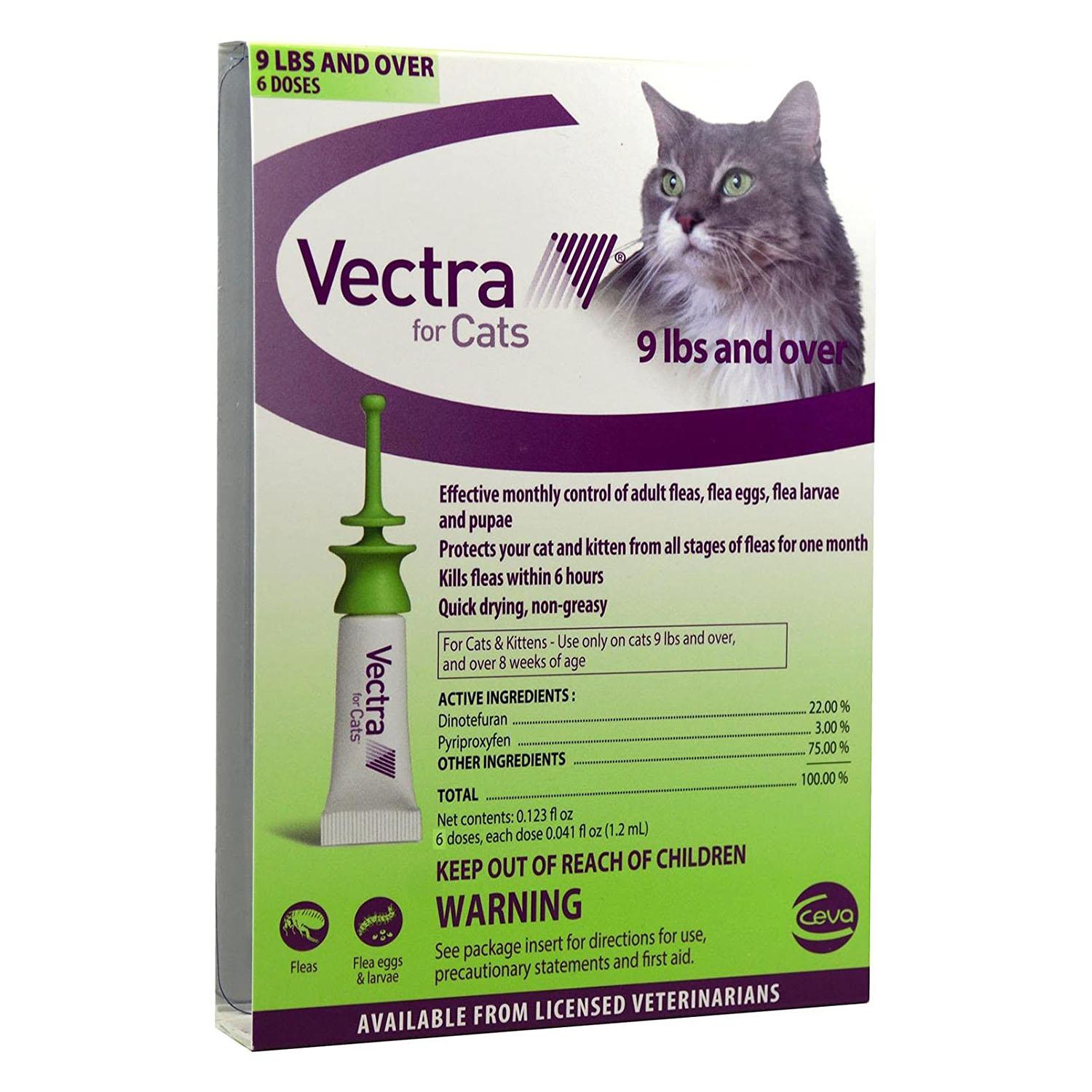
Other parasites like fleas can also cause skin issues. Many cats have an allergy to flea saliva. A single bite can cause a massive inflammatory reaction. This leads to redness, itching, and excessive flaking. Flea-related dandruff is almost always found at the base of the tail.
If you suspect parasites, look for other signs. These include:
- Tiny black specks in the fur (flea dirt)
- Red, crusty bumps on the skin
- Intense scratching or biting at the tail
- Hair loss in circular patches
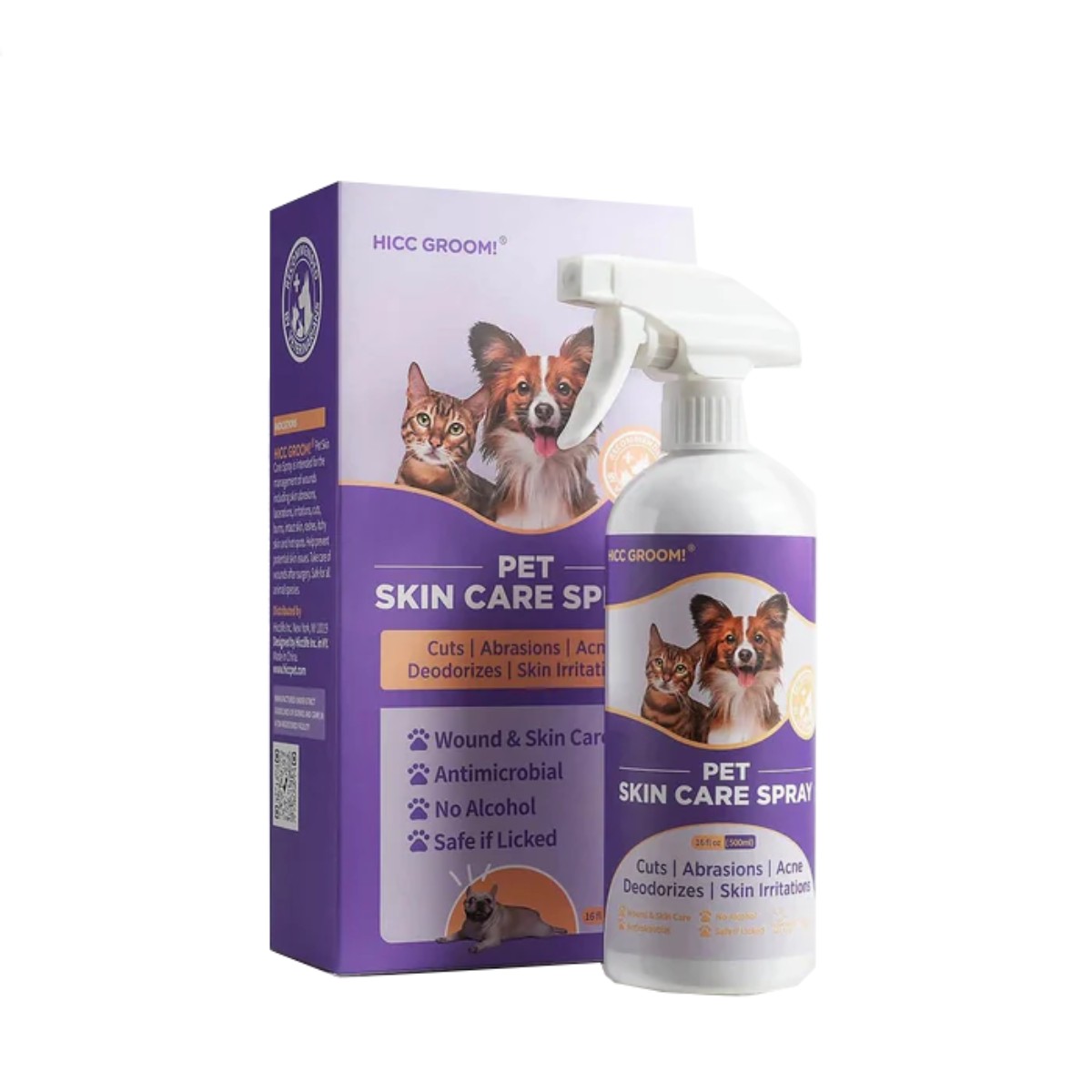
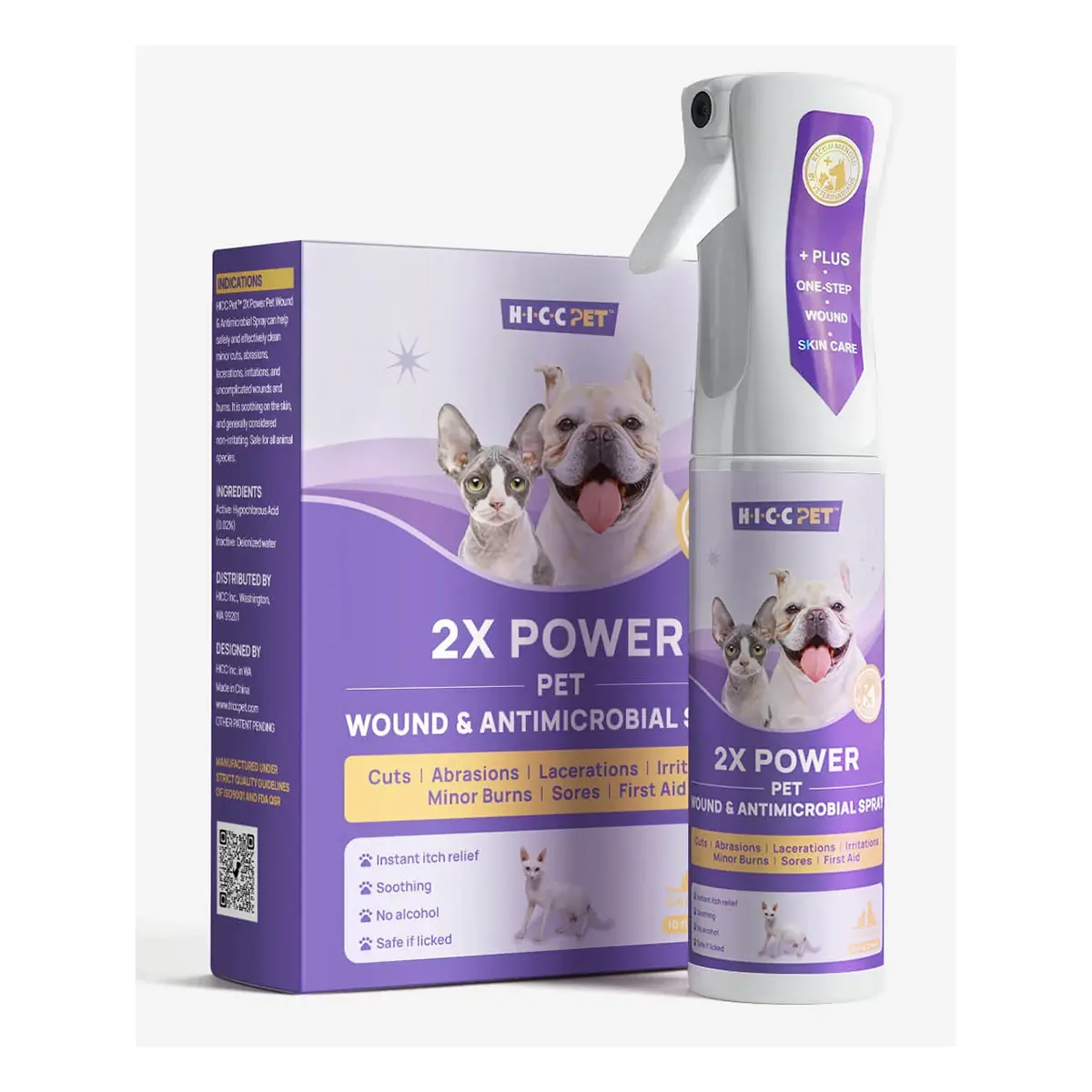
Our cat pharmacy offers a variety of prescription medications and parasite preventives to discuss with your veterinarian. Using a consistent preventive is the best way to rule out parasites as the cause of your cat's skin troubles.
How Diet Impacts Skin Health
The old saying that beauty comes from within is true for cats. The skin is the largest organ in the body. It requires a significant amount of protein and fat to stay healthy. If your cat is eating a diet that is not nutritionally complete, their skin will be the first place you see the effects.
Protein is the building block of hair and skin. Cats are obligate carnivores, meaning they must have animal-based protein. Brands like Tiki Cat, Fussie Cat, and Open Farm provide high-quality proteins that support overall wellness. When a cat gets enough protein, their body can produce the keratin needed for strong skin and fur.
You can compare wet and dry options in our cat food category when reviewing your cat's daily diet.
Fatty acids are the other half of the equation. Omega-3 fats, often found in fish oil, help reduce inflammation. This is especially helpful for cats with allergies. Omega-6 fats help keep the skin barrier waterproof. If your cat has dry dandruff, they may benefit from a supplement. Zesty Paws and Honest Paws offer salmon oils and skin support chews that are easy to add to a daily routine.
The Role of Hydration
Cats have a low thirst drive. In the wild, they get most of their moisture from their prey. If a cat eats only dry kibble, they may live in a state of mild dehydration. This can lead to dry skin. Adding wet food to their diet is an excellent way to increase water intake. Wet foods from brands like Weruva or Farmina can improve skin hydration from the inside out.
For additional meal ideas, explore our selection of Tiki Cat foods.
Grooming Strategies for a Flake-Free Coat
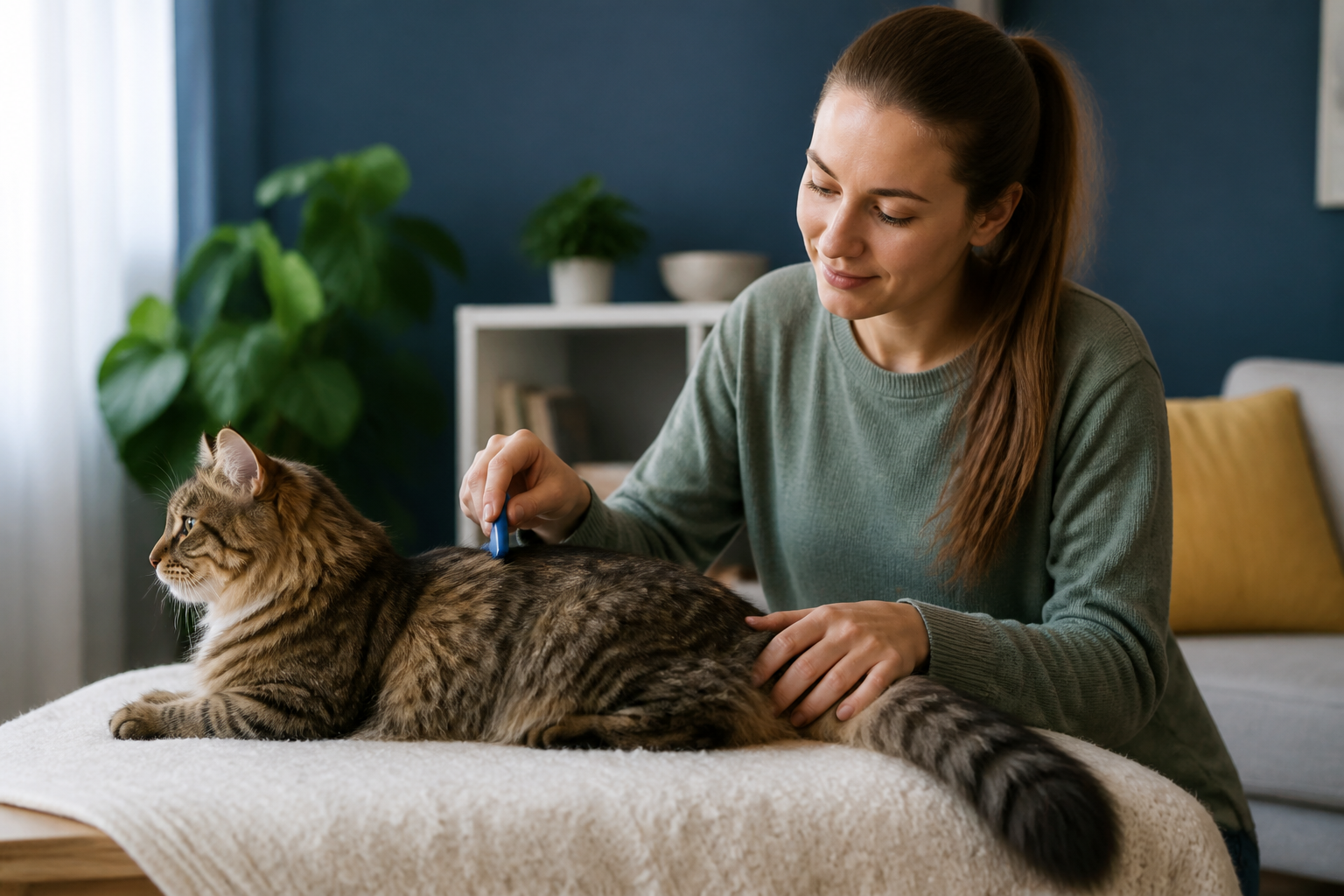
If your cat cannot groom themselves, you must step in. A regular grooming routine does more than just remove flakes. It stimulates blood flow to the skin and distributes natural oils.
Choosing the Right Tools
Not all brushes are created equal. For a cat with dandruff, you want a tool that reaches the skin without being abrasive.
- Slicker Brushes: These have fine wire bristles. They are great for removing loose undercoat and dander.
- Silicone Brushes: These are gentle and act like a massage. They are perfect for cats with sensitive skin.
- Fine-Toothed Combs: These are essential for checking for fleas and removing stubborn flakes.
Our cat grooming supplies include brushes, combs, shampoos, and other tools for maintaining your cat's coat.
The Grooming Process
Step 1: Start at the head and work your way back. Use gentle strokes to get the cat comfortable.
Step 2: Pay extra attention to the lower back and tail base. This is where the dandruff accumulates.
Step 3: Brush against the direction of hair growth occasionally to loosen deep-seated flakes.
Step 4: Finish by brushing in the natural direction of the fur to smooth the coat and distribute oils.
Regular brushing can significantly reduce the appearance of dandruff within a week or two. For cats that hate being brushed, try grooming mitts. These allow you to pet your cat while removing loose fur and skin.
Vet Tip: If your cat's skin is red, painful, or has a strange odor, skip the home grooming and see a veterinarian. These can be signs of a bacterial or fungal infection, like ringworm, which requires medical treatment.
When to Consult the Pharmacy
Sometimes, over-the-counter solutions are not enough. If the dandruff is caused by an underlying medical condition, your vet may prescribe a specific treatment. Conditions like hyperthyroidism or diabetes can change the way the skin functions. In these cases, managing the disease is the only way to fix the skin.
BaxterBoo provides access to prescription pet foods through our pharmacy partnership. Diets like Farmina Vet Life are formulated to address specific health needs, including weight management and skin sensitivities. If your vet determines that an allergy or a metabolic issue is causing the dandruff, a prescription diet might be the primary recommendation.
We also carry medicated shampoos. While most cats do not enjoy baths, a medicated soak can be necessary for fungal infections or severe seborrhea. Always consult your veterinarian before starting a medicated bath routine. They can ensure the product is safe for your cat's specific skin type.
For repeat purchases of food or other eligible supplies, review our Autoship programme.
Managing Your Home Environment
Since dry air is a major culprit, managing your home's humidity can make a big difference. This is especially important if you live in a cold climate.
- Use a Humidifier: Place a humidifier in the room where your cat spends the most time. Aim for a humidity level between 40% and 50%.
- Water Fountains: Encourage your cat to drink more by using a circulating water fountain. Cats are often more attracted to moving water than still water in a bowl.
- Avoid Harsh Cleaners: Sometimes, dandruff is a reaction to chemicals on the floor or furniture. Use pet-safe cleaning products to reduce the chance of contact allergies.
The Link Between Stress and Skin
Cats are creatures of habit. They can be very sensitive to changes in their environment. Stress can actually cause a cat to stop grooming or, conversely, to over-groom. Both can lead to skin problems. If you have recently moved, added a new pet, or changed your schedule, your cat might be feeling the pressure.
Anxious cats often have a duller coat and more dandruff. You can support them with calming aids. Products from Jackson Galaxy or Honest Paws can help soothe a stressed feline. When a cat feels safe, they are more likely to maintain their normal grooming habits, which keeps the skin healthy.
Senior Cat Care and Joint Support
If your older cat has dandruff on their back, it is likely a sign of joint stiffness. Supporting their mobility is a key part of skin care. When a cat feels limber, they can reach those hard-to-groom spots again.
Supplements containing glucosamine, chondroitin, and green-lipped mussel are excellent for senior cats. Cosequin is a trusted name in joint support that many veterinarians recommend. By addressing the underlying arthritis, you are solving the root cause of the dandruff.
Key Takeaway: For senior cats, dandruff is often a mobility issue. Joint supplements can help them return to their normal grooming routine.
Weight Management for Better Grooming
If your cat is struggling with their weight, dandruff is just one of many potential health risks. Helping your cat reach a healthy weight will improve their quality of life and their skin.
For more guidance, read about helping an indoor cat lose weight.
- Measure Meals: Use a standard measuring cup to ensure you aren't overfeeding.
- Limit Treats: Treats should make up no more than 10% of a cat's daily calories.
- Interactive Play: Use toys from Kong or Jackson Galaxy to get your cat moving. Even ten minutes of play twice a day can help burn calories.
- Consult Your Vet: Always talk to a professional before starting a significant weight loss plan. Rapid weight loss can be dangerous for cats.
Summary of Action Steps
If you notice flakes on your cat's back, follow these steps:
- Assess the skin: Look for redness, sores, or parasites.
- Increase grooming: Brush your cat daily, focusing on the back and tail.
- Check the diet: Ensure they are getting high-quality protein and omega fatty acids.
- Monitor weight and mobility: Determine if your cat can physically reach the area.
- Address the environment: Add a humidifier if the air is dry.
- See the vet: If the flakes persist or are accompanied by itching and hair loss.
Conclusion
Cat dandruff on the back is a common issue that is usually easy to manage once you understand the cause. Whether it is a lack of flexibility, a dry home environment, or a need for better nutrition, there are many ways to help your feline friend. By combining regular grooming with high-quality food and the right supplements, you can keep your cat's coat looking beautiful. Our team at BaxterBoo is here to help you find the right tools, from slicker brushes to premium food. For ongoing health needs, remember that our pharmacy offers a convenient way to get the medications and prescription diets your vet recommends. Taking care of your cat's skin is a vital part of their overall happiness.
Bottom line: Consistent grooming and a nutrient-rich diet are the best defenses against feline dandruff.
FAQ
Why is my cat's dandruff only on their lower back?
The lower back is the hardest area for a cat to reach if they have mobility issues. When a cat is overweight or has arthritis, they cannot twist enough to groom that specific spot. Dead skin cells and loose hair build up there, creating visible white flakes.
Can I use human dandruff shampoo on my cat?
No, you should never use human dandruff shampoo on a cat. These products are formulated for the pH of human skin and often contain ingredients that are toxic to cats if swallowed. Only use shampoos specifically designed for felines and consult your vet before using any medicated products.
Does dandruff mean my cat has fleas?
Not necessarily, but there is a link. Flea bites can cause skin inflammation and dryness, leading to dandruff. There is also a parasite called the Cheyletiella mite, often called walking dandruff, which looks like white flakes. It is best to use a regular flea preventive to rule out parasites.
Will changing my cat's food get rid of dandruff?
It can help if the dandruff is caused by a nutritional deficiency or a food allergy. Diets rich in Omega-3 and Omega-6 fatty acids support the skin's moisture barrier. Switching to a high-quality protein source can also improve overall coat health, though it may take several weeks to see a difference.






- Site & Contents BaxterBoo.com. BaxterBoo is located in the United States.
- Privacy & Security
- Terms of Use
- Accessibility Statement
