
 Save 15% on your 1st Autoship learn more

 Email us
 Live Chat
 FAQs
FAQs





Introduction
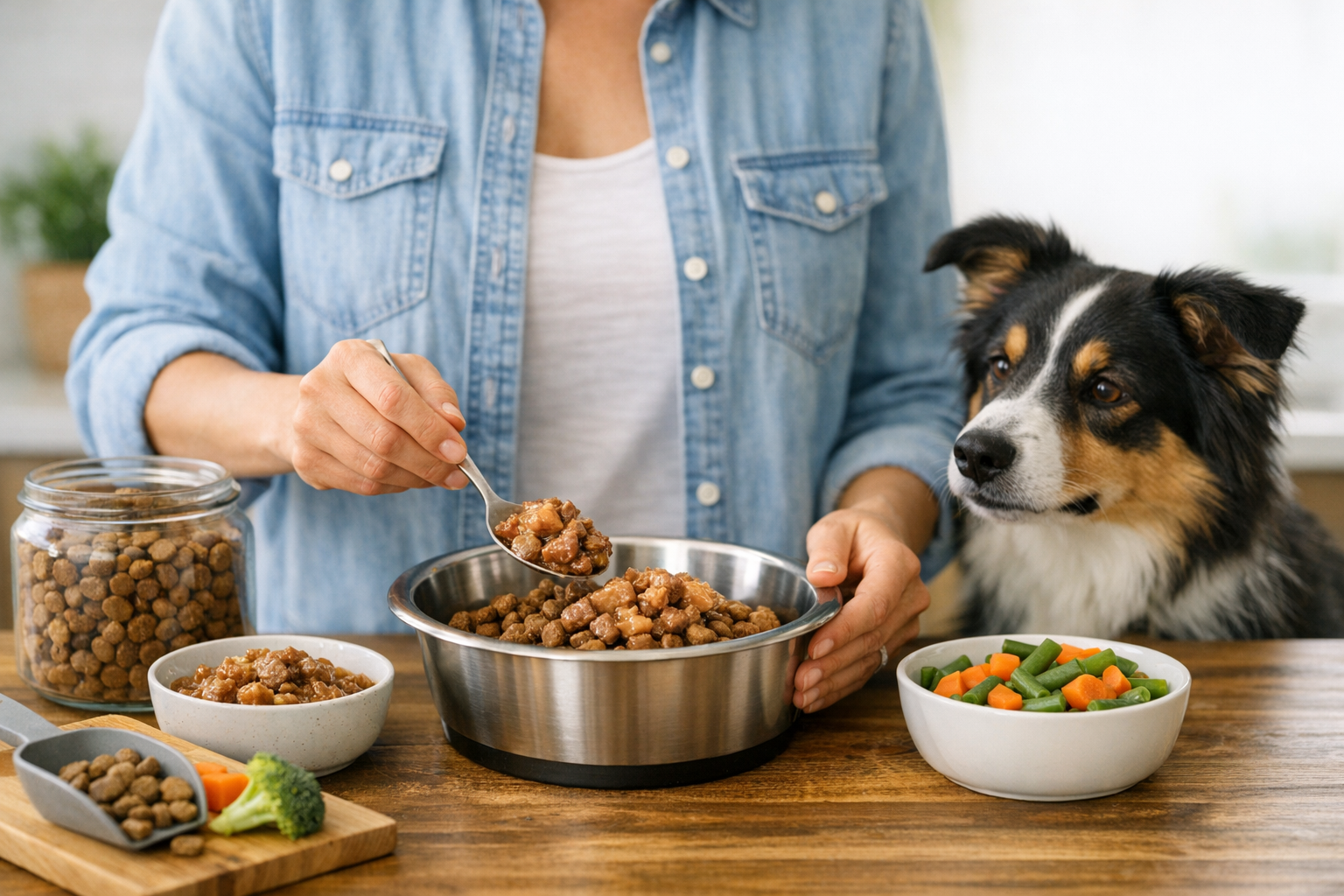
You are standing in the kitchen, watching your dog sniff their bowl and walk away. They used to love their kibble, but lately, they seem bored. Maybe you have noticed they are not drinking enough water, or perhaps you want to provide better nutrition without breaking the bank. Mixing wet and dry dog food is an excellent solution for many pet owners. At BaxterBoo, we see this transition help countless dogs regain their excitement for mealtime while staying hydrated. This article covers the benefits of mixed feeding, how to calculate the correct portions, and how to safely transition your dog to a new routine. By the end, you will know exactly how to create a balanced, delicious bowl that meets your dog's specific health needs.
Quick Answer: To mix dry and wet dog food, you must balance the calories rather than just adding the new food on top. Most owners use a 75 percent dry to 25 percent wet ratio. Always ensure both foods are labeled as complete and balanced for your dog's specific life stage.
The Benefits of a Mixed Diet
Feeding a combination of textures offers more than just a tasty meal. It combines the mechanical cleaning benefits of dry kibble with the high moisture content of canned food. This approach is often the best of both worlds for the average household dog, and our dog food category is a good place to compare options.
Improved Hydration
Many dogs do not drink as much water as they should. Dry kibble usually contains only about 10 to 12 percent moisture. In contrast, wet food can contain up to 80 percent water. By adding a scoop of wet food or a topper like those from The Honest Kitchen, you provide a significant boost to their daily fluid intake. This is particularly helpful for dogs prone to urinary tract issues or those who live in hot climates.
Palatability for Picky Eaters
Smell is a huge part of how dogs experience food. Wet food has a much stronger aroma than dry kibble. When you mix the two, the juices from the wet food coat the dry pieces. This makes the entire bowl more appealing. If you have a senior dog whose sense of smell is fading, this extra aroma can be the difference between them eating a full meal or skipping it entirely.
Dental Health Maintenance
While wet food is great for hydration, dry kibble serves a purpose for dental health. The crunching action helps scrape away some of the plaque on the teeth. By keeping a majority of the diet as dry food, you still get those dental benefits while enjoying the perks of wet food. We carry many premium dry brands like Royal Canin and Open Farm that design their kibble shapes to maximize this scrubbing effect.
Key Takeaway: Mixed feeding increases hydration through wet food and maintains dental benefits through dry kibble. It is an ideal way to encourage picky eaters to finish their meals.
Understanding the Calorie Math
The biggest mistake owners make is simply adding a scoop of wet food on top of a full serving of dry food. This leads to weight gain and long term health issues. You must replace a portion of the dry food with an equal caloric amount of wet food.
Comparing Caloric Density
Dry food is much more calorically dense than wet food. A cup of kibble might contain 400 calories, while a full can of wet food might only contain 350 calories. Because wet food is mostly water, you often have to feed a larger volume of it to match the calories in a small amount of kibble.
The 75/25 Rule
A common starting point is the 75/25 split. This means 75 percent of the calories come from dry food and 25 percent come from wet food.
- Find the total calories your dog needs per day.
- Calculate 75 percent of that number for the dry portion.
- Calculate 25 percent of that number for the wet portion.
- Convert those calorie counts into measurements using the labels on your specific food bags and cans.
Using Toppers vs. Full Meals
There is a difference between a "complete and balanced" wet food and a "topper" or "supplemental" food. Brands like Stella & Chewy's offer meal mixers that are intended to be added to kibble. Always check the label. If the food is labeled for supplemental feeding only, it should not make up more than 10 percent of your dog's daily calories. This prevents nutrient imbalances.
| Food Type | Typical Moisture | Calories | Best Use |
|---|---|---|---|
| Dry Kibble | 10-12% | High | Base of the diet; dental health |
| Canned Wet | 75-80% | Moderate | Mixed feeding; hydration |
| Raw/Dehydrated | Varies | High | High protein topper; flavor |
| Pureed Toppers | 80%+ | Low | Extra hydration; enticing picky eaters |
Vet Tip: If your dog is overweight or has a history of pancreatitis, consult your veterinarian before adding wet food. Some wet foods are higher in fat than dry kibble, and a professional can help you calculate the exact calorie count needed for weight management.
Step-by-Step: How to Transition
You should never switch a dog's diet overnight. Their digestive systems are sensitive to sudden changes in protein sources and fat levels. A slow transition over one week is the best way to prevent upset stomachs.
Step 1: Start with a tiny amount. / Add just a tablespoon of wet food to their usual dry portion. Reduce the dry portion by a small amount to keep calories level. Step 2: Monitor the stool. / Watch for any signs of diarrhea or gas. If their stomach seems fine, you can proceed after two days. Step 3: Increase the ratio. / Move to a 90/10 split for a few days. Continue to watch for any changes in energy or digestion. Step 4: Reach your target ratio. / By day seven, you should be at your desired 75/25 or 50/50 split.
Bottom line: A slow one-week transition is necessary to prevent digestive upset when mixing new textures and proteins.
Life Stage Considerations
A puppy has very different needs than a senior dog. When you mix food, both the wet and the dry components must be appropriate for that life stage.
Puppies
Puppies need high levels of protein, fat, and specific minerals like calcium and phosphorus for bone growth. If you mix an "all life stages" wet food with a "puppy" dry food, you might dilute the specific nutrients the puppy needs. It is best to use a puppy-specific formula for both.
Senior Dogs
Older dogs often struggle with kidney health or joint stiffness. Some senior-specific wet foods contain added glucosamine or lower phosphorus levels. If your senior dog has a chronic condition, your vet may recommend a prescription diet. Our pet pharmacy carries many prescription foods and medications for dogs and cats.
Working and Active Dogs
High-energy dogs may require more fat and protein than the average house pet. Mixing in a high-protein wet food from a brand like Ziwi Peak can provide the extra calories they need to maintain their weight during hunting season or agility training.
Handling and Storage Safety
Wet food requires more care than dry kibble. Once a can or pouch is opened, it becomes a breeding ground for bacteria if left at room temperature.
The Four-Hour Rule
Never leave wet food or mixed food in your dog's bowl for more than four hours. If they do not eat it within that window, throw it away. Unlike dry kibble, which can sit out all day, the moisture in wet food allows bacteria to grow quickly. This is especially important in the summer or in warm kitchens.
Proper Refrigeration
Open cans should be covered with a tight-fitting silicone lid and stored in the refrigerator. Most wet food stays fresh for three to five days when chilled. If your dog does not like cold food, you can let it sit on the counter for twenty minutes to take the chill off, but do not microwave it in the can.
Clean the Bowls Daily
When you mix food, the residue left behind is sticky. It clings to the sides of the bowl much more than dry kibble dust. Wash your dog's bowl with hot, soapy water after every mixed meal to prevent biofilm buildup.
Key Takeaway: Treat open wet food like human leftovers. Refrigerate promptly and never leave mixed bowls out for more than four hours.
Special Dietary Needs and Prescription Diets
Sometimes mixing food is not just about taste but about medical necessity. For dogs with skin allergies, kidney disease, or urinary stones, a specific diet is the primary treatment.
Many owners worry that a prescription diet will be boring for their dog. However, most prescription lines, such as Royal Canin Veterinary Diet or Farmina Vet Life, offer both dry and wet versions of the same formula. This allows you to mix the two without compromising the "therapeutic" nature of the food. If you mix a prescription dry food with a standard grocery store wet food, you may "dilute" the medicine in the food.
If your vet has prescribed a specific diet, we can help fulfill those needs. Our Autoship programme is a convenient way to keep those foods coming on schedule, and our pharmacy helps with prescription items when needed.
Vet Tip: Never mix a therapeutic or prescription diet with "regular" store-bought food without asking your vet. The precise balance of minerals and proteins in prescription food is designed to treat a specific condition, and adding outside food can interfere with its effectiveness.
Choosing the Right Brands
At BaxterBoo, we curate our selection to ensure every brand we carry meets high quality standards. When looking for foods to mix, consider these options:
- For High Protein: Ziwipeak or Stella and Chewy's offer nutrient-dense options that act as excellent toppers or mixers.
- For Sensitive Stomachs: Look for limited ingredient diets from brands like Open Farm or Acana.
- For Dehydrated Options: The Honest Kitchen provides a unique middle ground. You add water to their dehydrated food to create a "wet" texture that mixes perfectly with kibble.
- For Enrichment: If you use a Kong toy, mixing wet and dry food inside the toy and freezing it provides hours of mental stimulation.
Common Myths About Mixing Food
There are several misconceptions about mixing wet and dry food that often confuse pet owners.
Myth 1: It Causes Bloat
There is no definitive evidence that mixing wet and dry food causes Gastric Dilatation-Volvulus (bloat). However, if your dog is a "gulper" who eats too fast because they love the new wet food, they might swallow excess air. Using a slow-feeder bowl can help mitigate this risk.
Myth 2: It Ruins Their Teeth
While wet food doesn't provide the "crunch" of kibble, it does not actively rot teeth any faster than other foods, provided you maintain a regular dental care routine. Brushing your dog's teeth and providing dental treats like Greenies is the best way to ensure their mouth stays healthy, regardless of what they eat.
Myth 3: It Is Too Expensive
Mixed feeding is actually a great way to save money while still providing a premium experience. Feeding 100 percent wet food to a large dog is very expensive. By using dry food as the base and adding wet food as a 25 percent mixer, you get the health benefits of wet food at a fraction of the daily cost.
Bottom line: Mixed feeding is a cost-effective, safe way to improve your dog's mealtime experience and hydration levels.
Keeping Track of Success
Once you start mixing, keep a simple log for the first two weeks. Note how much you fed, how much they ate, and the quality of their stool. This data is incredibly helpful if you need to visit the vet for a checkup.
If your dog starts to put on weight, decrease the dry kibble portion slightly while keeping the wet portion the same. If they seem hungrier than usual, you might need to adjust the calorie math. Every dog's metabolism is different, and the feeding guides on the bag are only suggestions.
We find that most owners who switch to mixed feeding see a noticeable improvement in their dog's coat shine and energy levels within a month. The extra hydration and varied amino acid profiles from different protein sources do wonders for a dog's overall wellness.
Conclusion
Mixing dry and wet dog food is a practical way to boost hydration, entice picky eaters, and provide a variety of textures. By following the 75/25 ratio and carefully calculating calories, you can avoid unwanted weight gain while making mealtime the highlight of your dog's day. Remember to transition slowly over a week and always prioritize food safety by refrigerating open cans. If your dog has specific health concerns or requires a therapeutic diet, visit our pharmacy section to explore prescription options from our partners. Whether you are adding a scoop of canned food or a specialized topper, your dog will appreciate the extra flavor and moisture in every bite. Our Autoship program is a great way to ensure you never run out of their favorite wet and dry combinations while saving on every order.
FAQ
Can I mix different brands of wet and dry dog food?
Yes, you can mix different brands as long as both are high-quality and appropriate for your dog's life stage. However, if your dog has a sensitive stomach, sticking to the same protein source across both brands can help prevent digestive upset. Always ensure both products carry the AAFCO statement for being complete and balanced.
How long can mixed dog food stay in the bowl?
Mixed food should not stay in the bowl for more than four hours. The high moisture content in wet food allows bacteria to grow much faster than it does on plain dry kibble. If your dog is a "grazer" who likes to eat small amounts throughout the day, mixed feeding may not be the best choice unless you can pick up the bowl between sessions.
Will mixing wet food into kibble cause my dog to gain weight?
It will only cause weight gain if you do not adjust the portions correctly. You must subtract the calories of the dry food to make room for the calories in the wet food. If you simply add the wet food on top of a full serving of kibble, you are overfeeding your dog.
Is it okay to mix water with dry food instead of wet food?
Adding water to dry food is a safe and inexpensive way to increase hydration and soften the kibble. While it does not provide the same aroma or protein variety as wet food, it creates a "gravy" that many dogs enjoy. This is a good alternative if you are on a tight budget but want to help your dog get more fluids.






