
 Save 15% on your 1st Autoship learn more

 Email us
 Live Chat
 FAQs





Introduction
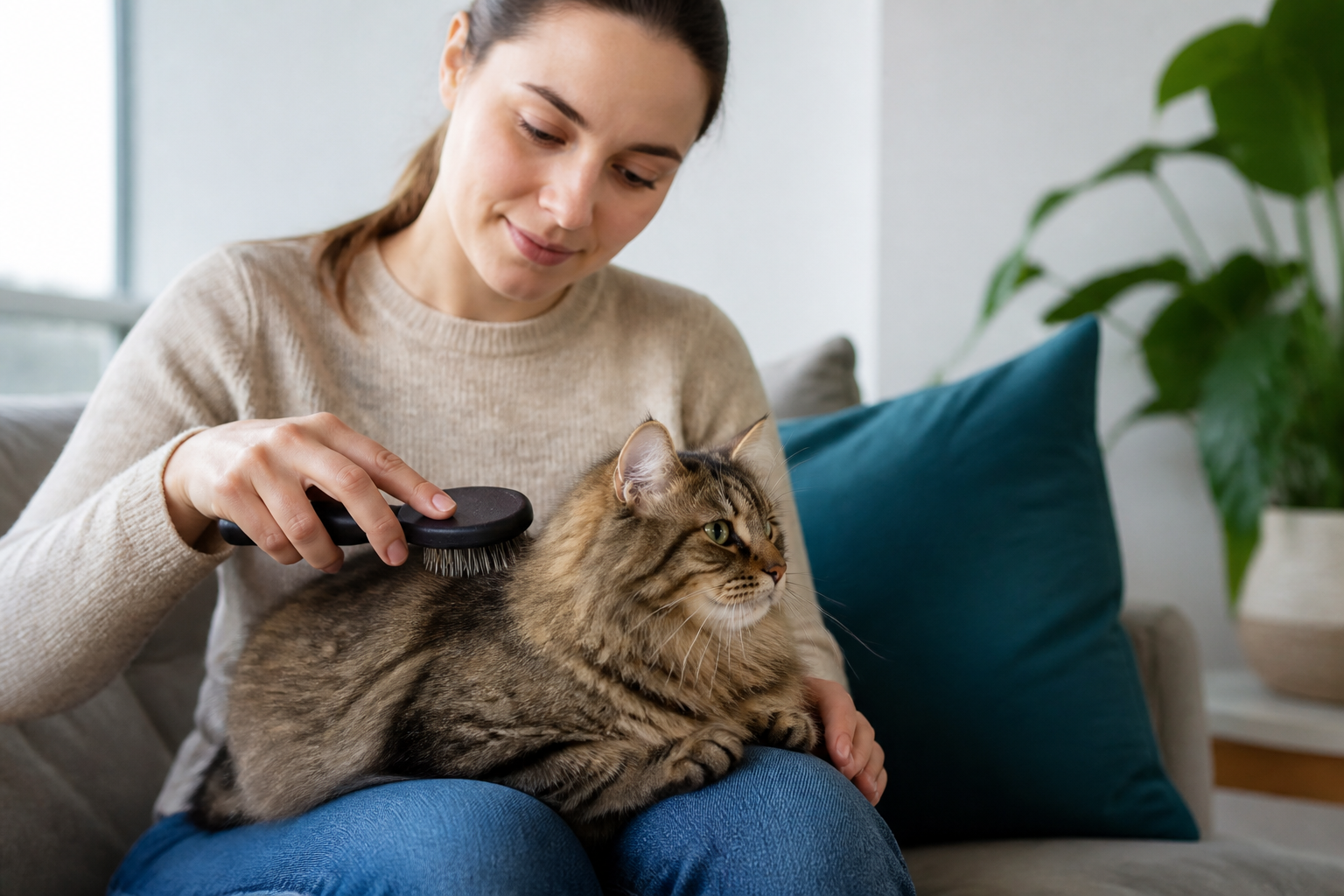
You are relaxing on the sofa with your cat when you notice a dusting of white flakes along their lower back. As you run your hand through their fur, more particles appear, making their once glossy coat look dull and dusty. This is a common sight for many feline owners, and while it often looks like a simple cosmetic issue, it is usually a signal that your cat needs a little extra help with their skin health. At BaxterBoo, we talk to cat owners every day who are looking for ways to restore that silky shine and stop the scratching. This post covers the most effective ways to manage flaky skin, from grooming techniques and hydration to high quality nutrition and environmental changes. Our goal is to help you understand why these flakes appear and how to provide the right support for your cat.
Quick Answer: Reducing cat dandruff involves a combination of regular gentle brushing, increasing moisture through wet food and water fountains, and adding skin-supporting supplements like Omega-3 fatty acids. If the flaking is accompanied by redness, hair loss, or lethargy, a visit to the veterinarian is necessary to rule out underlying medical conditions.
Understanding Cat Dandruff Versus Dander
It is easy to confuse cat dandruff with cat dander, but they are not the same thing. Every cat has dander. Dander consists of microscopic skin cells that shed naturally as part of the normal skin cycle. You cannot see dander with the naked eye, but it is often the culprit behind human allergies because it carries proteins from a cat’s saliva.
Dandruff, on the other hand, is visible. These are larger flakes of dead skin that have clumped together and become stuck in the fur. While a few occasional flakes are normal, a significant buildup indicates that the skin is either too dry, too oily, or that the cat is not grooming effectively.
Is it Dandruff or Fleas?
Before starting a treatment routine, ensure those white flakes are actually skin. Sometimes, owners mistake flea eggs for dandruff. Flea eggs are small, white, and oval, roughly the size of a grain of salt. You might also see flea dirt, which looks like tiny black pepper specks. If you see black specks or your cat is scratching excessively, check for parasites. Our cat flea and tick collection carries a variety of prevention options, including products that may require a veterinarian's prescription.
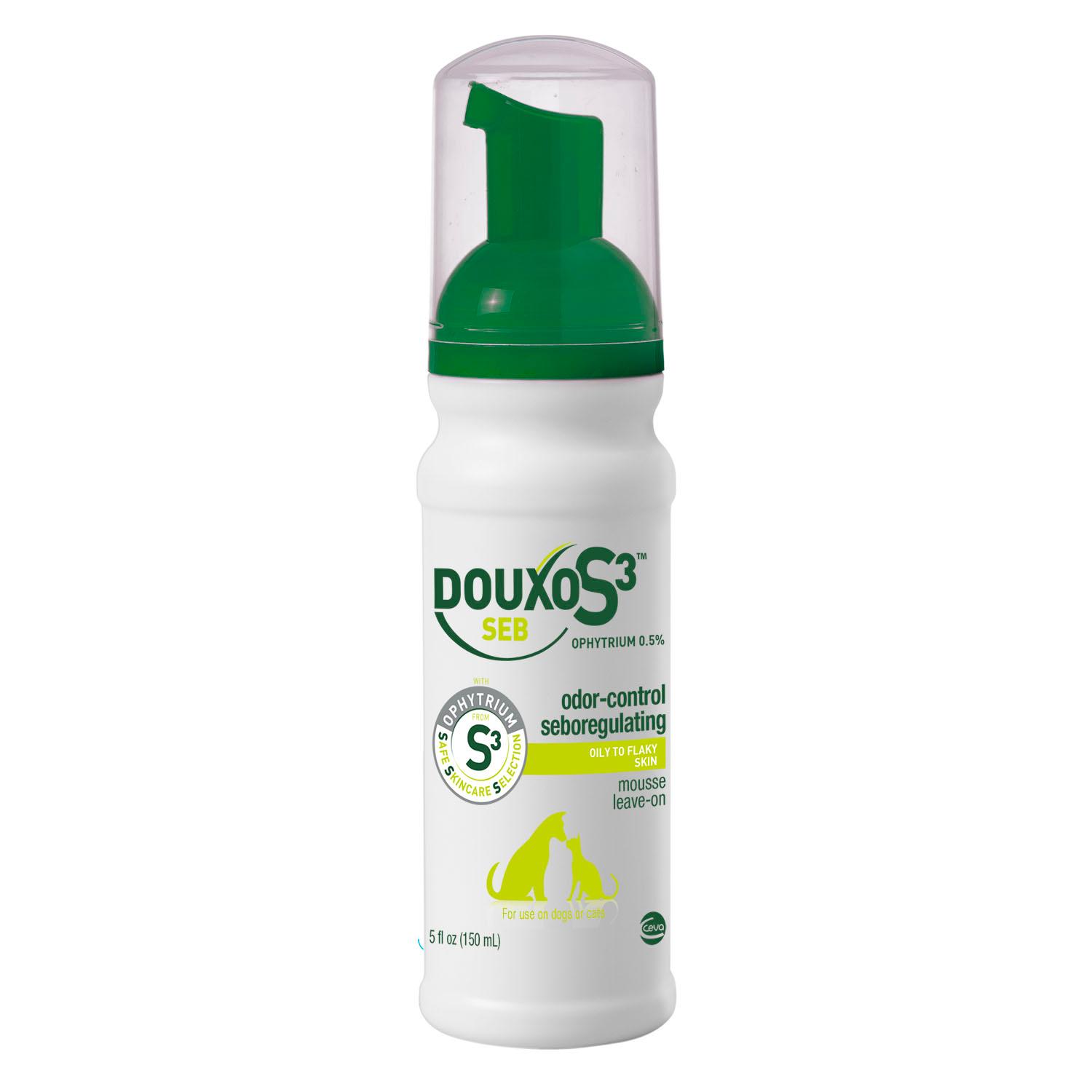
Cat Skin & Coat Care













Common Causes of Feline Flaky Skin
Identifying the root cause is the first step in learning how to reduce cat dandruff. While some causes are environmental, others are related to the cat’s physical ability to care for themselves.
Poor Grooming Habits
Cats are famous for their fastidious cleaning, but several things can get in the way of their routine.
- Obesity: If a cat is overweight, they often cannot reach the base of their tail or the middle of their back. This leads to a buildup of dead skin and natural oils in those specific areas.
- Arthritis: Senior cats with stiff joints may find it painful to twist and turn for a deep clean. If you notice dandruff mainly on the hindquarters, joint discomfort could be the reason.
- Dental Issues: If a cat’s mouth is sore, they will stop using their tongue to groom.
Environmental Dryness
Just like humans, cats suffer when the air is dry. This is most common during the winter months when indoor heating systems strip moisture from the home. This low humidity dries out the top layer of the skin, causing it to crack and flake off.
Nutritional Deficiencies
The skin is the largest organ in a cat’s body, and it requires a lot of protein and specific fats to stay healthy. If a diet is low in essential fatty acids, the skin barrier weakens. This allows moisture to escape and irritants to enter, resulting in an itchy, flaky mess.
Vet Tip: If your cat has "walking dandruff," this is actually a mite called Cheyletiella. It looks like moving flakes and is highly contagious to other pets. If you see the flakes moving or if you also develop itchy red spots, contact your veterinarian immediately for a professional diagnosis and treatment plan.
The Role of Hydration and Diet
Nutrition is often the most powerful tool we have to improve skin health. If your cat eats only dry kibble, they may be in a state of mild, chronic dehydration. Cats have a low thirst drive because their ancestors obtained most of their moisture from prey.
Switching to Wet Food
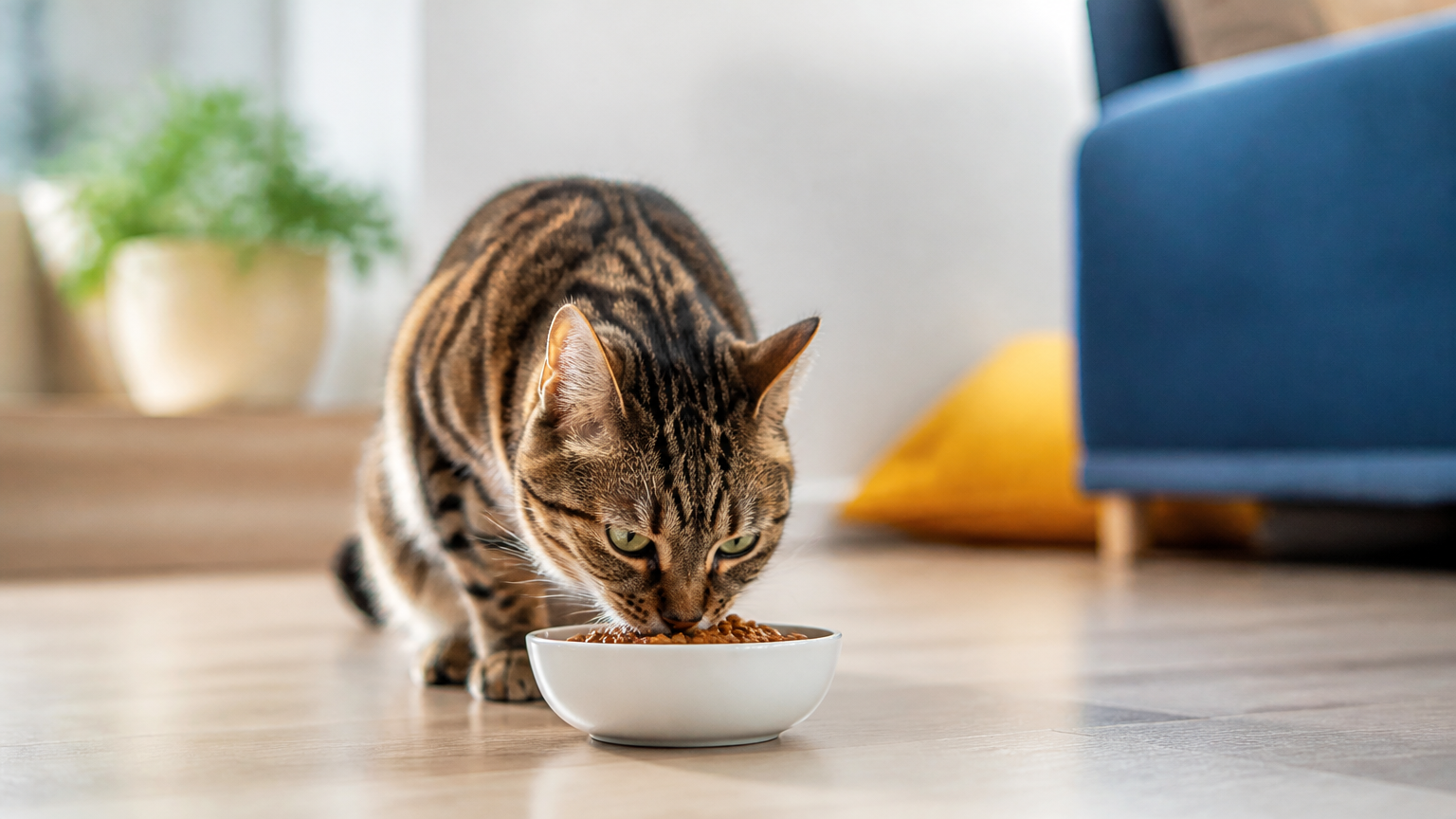
One of the easiest ways to boost hydration is to incorporate wet food into their daily routine. Brands like Tiki Cat, Fussie Cat, and Weruva offer high-moisture recipes that mimic a cat’s natural diet. The extra water intake helps hydrate the skin from the inside out. If your cat is a picky eater, try adding a splash of warm water or a specialized cat broth to their meal. Our cat food selection includes wet food options for different preferences and routines.
The Importance of Fatty Acids
Omega-3 and Omega-6 fatty acids are vital for a healthy skin barrier. These healthy fats help "glue" skin cells together, preventing moisture loss.
- Omega-3 (EPA and DHA): These are primarily found in fish oils and help reduce skin inflammation.
- Omega-6: This helps maintain the structural integrity of the skin.
We carry several supplements from trusted brands like Zesty Paws and Honest Paws that are specifically formulated to support skin and coat health. Always check with your vet before starting a new supplement to ensure it is appropriate for your cat's specific health profile. Our cat healthcare collection includes supplements and other wellness products for cats.
Prescription Diets
In some cases, dandruff is a symptom of a food allergy or a metabolic issue. If your vet suspects a specific medical cause, they may recommend a prescription diet. Our pharmacy offers options like Farmina Vet Life and Royal Canin Veterinary Diet formulas. These are designed to manage weight, support kidney function, or address skin sensitivities, helping to resolve dandruff by treating the underlying health condition.
Key Takeaway: Hydration is not just about the water bowl. Feeding wet food and ensuring a balance of Omega fatty acids are essential steps in keeping a cat’s skin supple and flake-free.
Grooming Techniques to Reduce Flakes
If your cat is struggling to groom themselves, you will need to step in. A regular grooming routine does more than just remove flakes; it stimulates blood flow to the skin and helps distribute natural oils across the coat. Our cat grooming supplies include brushes, combs, shampoos, and other helpful tools.
Choosing the Right Brush
Not all brushes are created equal. For dandruff, you want a tool that reaches the skin without being abrasive.
- Soft Bristle Brushes: Best for short-haired cats or those with sensitive skin.
- Slicker Brushes: These have fine wire bristles that are excellent for removing loose undercoat and dander.
- Rubber Grooming Mitts: These are great for cats who are nervous about traditional brushes. The rubber "teeth" massage the skin and pull away loose fur and flakes easily.
Step-by-Step Grooming Routine
Step 1: Choose a calm time. / Find a moment when your cat is relaxed, perhaps after a meal.
Step 2: Start gently. / Use a rubber mitt or soft brush to massage the skin in the direction of hair growth.
Step 3: Focus on problem areas. / Pay extra attention to the base of the tail and the lower back where flakes tend to accumulate.
Step 4: Use a damp cloth. / If there is a lot of visible dandruff, wipe the coat down with a warm, damp microfiber cloth to pick up the loose particles.
To Bathe or Not to Bathe?
Most cats do not need regular baths, and for many, the stress of a bath can actually make skin conditions worse. However, if your cat has very greasy skin or a significant buildup of flakes, a gentle bath with a moisturizing shampoo might help. Always use a shampoo specifically formulated for cats, such as those with oatmeal or aloe vera. Never use human shampoo, as the pH balance is completely different and can cause severe irritation. Our collection of cat shampoos and conditioners includes cat-safe grooming formulas.
Note: If you choose to bathe your cat, ensure you rinse the fur thoroughly. Soap residue left on the skin can cause more itching and flaking than the original dandruff.
Environmental and Lifestyle Adjustments
Sometimes the solution to cat dandruff is changing the environment rather than the cat.
Use a Humidifier
If your cat’s skin gets worse in the winter, the air in your home is likely too dry. Placing a humidifier in the room where your cat spends the most time can make a significant difference. Aim for a humidity level between 40% and 50% to keep their skin from drying out.
Encourage Drinking
Since cats are notoriously picky about water, you may need to get creative.
- Water Fountains: Many cats prefer running water over a still bowl. The movement keeps the water oxygenated and fresh.
- Multiple Stations: Place water bowls in different areas of the house so a drink is always within reach.
- Cleanliness: Cats are sensitive to smells. Wash water bowls daily with mild soap to prevent bacterial buildup.
For more ideas about choosing moisture-rich food, read our guide to sensitive-stomach cat food and hydration.
Stress Management
Stress can manifest in physical ways, including skin changes. If your cat is anxious due to a move, a new pet, or changes in the household, their skin may become more reactive. Providing vertical space, scratching posts, and interactive toys can help lower stress levels. For cats needing extra support, we offer calming diffusers and supplements in our Training and Behavior section.
Bottom line: A hydrated cat in a humid environment is far less likely to suffer from chronic dandruff.
When Should You Be Concerned?
While most dandruff is a minor issue that can be handled at home, it can sometimes be a red flag for something more serious. It is important to know the difference between a few flakes and a medical emergency.
Symptoms That Require a Vet Visit
If you notice any of the following along with dandruff, please schedule an appointment with your veterinarian:
- Red, inflamed, or bleeding skin
- Bald patches or thinning fur
- The cat is constantly biting or licking one specific area
- Foul odor coming from the skin or ears
- Changes in appetite or thirst
- Lethargy or hiding behavior
The Role of the BaxterBoo Pharmacy
Managing a cat’s long-term health often requires more than just a change in shampoo. Whether your cat needs prescription flea medication, specialized diets for hyperthyroidism, or medicated topicals, our cat pharmacy is here to help. Through our pharmacy services, we provide a reliable way to get the medications your vet prescribes delivered right to your door. This is especially helpful for senior cats managing chronic conditions like arthritis or kidney disease, where dandruff is just one part of a larger health picture.
For additional parasite-prevention ideas, explore this guide to flea and tick prevention products.
Summary of Next Steps
Reducing cat dandruff takes a bit of patience and a multi-sided approach. By addressing the skin from both the inside and the outside, you can help your cat feel more comfortable and look their best.
- Audit the diet: Ensure they are getting high-quality protein and essential fatty acids.
- Increase moisture: Add wet food to their routine and consider a water fountain.
- Start a grooming habit: Brush your cat at least two or three times a week.
- Check the air: Use a humidifier during the dry months.
- Talk to your vet: Rule out parasites or underlying health issues if home remedies do not work.
The best place to start is by looking at your cat's current nutrition. High-quality food and a regular grooming routine are the foundations of health. You can even set up our Autoship programme for your favorite wet foods and supplements to ensure you never run out, all while earning rewards through our MVP Rewards programme.
FAQ
Can I use human dandruff shampoo on my cat?
No, you should never use human dandruff shampoo on a cat. Human products often contain ingredients like zinc pyrithione or salicylic acid that can be toxic if a cat licks them off their fur. Additionally, the pH of human skin is different from cat skin, so these shampoos can cause severe dryness and irritation.
Does brushing really help with cat dandruff?
Yes, regular brushing is one of the most effective ways to reduce visible flakes. It helps remove dead skin cells before they clump together and distributes the natural oils that keep the skin moisturized. For cats that cannot groom themselves well, brushing is essential to prevent mats and skin infections.
Is cat dandruff the same as an allergy to cats?
No, they are different. Cat dandruff consists of visible skin flakes. Cat allergies in humans are usually triggered by a protein called Fel d 1, which is found in a cat's saliva and skin glands. This protein is carried on microscopic dander, which is much smaller than the dandruff flakes you see in the fur.
How long does it take to see results when treating cat dandruff?
Skin cells take time to regenerate, so you likely will not see an immediate change. If you are improving their diet or adding supplements, it usually takes four to six weeks to see a noticeable improvement in the coat's shine and a reduction in flakes. Consistency with grooming and hydration is the key to seeing long-term results.





- Site & Contents BaxterBoo.com. BaxterBoo is located in the United States.
- Privacy & Security
- Terms of Use
- Accessibility Statement
