
 Save 15% on your 1st Autoship learn more

 Email us
 Live Chat
 FAQs
FAQs





Introduction
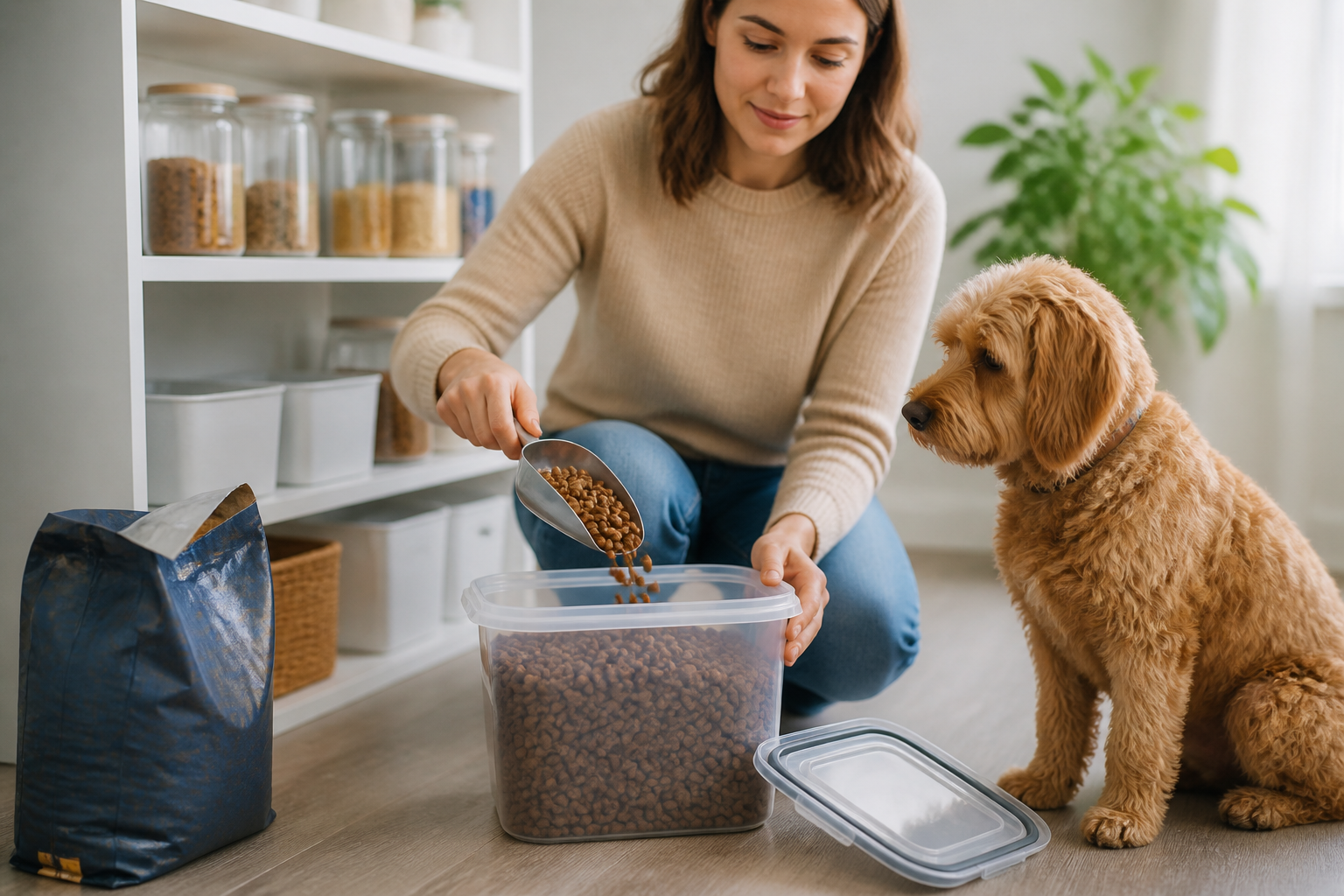
Opening a fresh bag of high-quality kibble is a satisfying moment for any pet owner. You see the rich color, smell the fresh ingredients, and know you are providing the best for your dog. However, once that seal is broken, a race against time begins. At BaxterBoo, we know that buying premium food is only the first step in supporting your dog's health. The way you handle that food after it is open determines if those nutrients actually make it into your dog's bowl. This post covers the most effective methods for keeping dry food fresh, from choosing the right container to finding the perfect spot in your home. Proper storage is the only way to protect your investment and ensure every meal is safe and nutritious.
Quick Answer: The best way to store dry dog food is to keep it in its original bag and place that entire bag inside an airtight container. Store this in a cool, dry area of your home and aim to use the food within six weeks of opening.
Why Proper Storage Is Non-Negotiable
Dry dog food may look shelf-stable, but it is a perishable product. Most high-quality kibbles are coated with fats and oils after the cooking process. These oils provide flavor and essential fatty acids. When these oils are exposed to the environment, they begin to break down. This process is called oxidation.
Proper storage does more than just keep the food crunchy. It preserves the delicate vitamins and minerals that your dog needs for a shiny coat and strong immune system. When food is left out or stored poorly, these nutrients degrade. Your dog might be eating the right amount of food but missing out on the actual health benefits.
Safety is another major concern. Open bags are an invitation to pests like ants, weevils, and rodents. These pests can carry diseases or leave behind waste that makes your dog sick. Bacteria like Salmonella can also grow in poorly stored food, especially if moisture gets into the bag. By controlling the environment, you keep these risks at bay.
Finally, there is the issue of palatability. Dogs have a much stronger sense of smell than humans. If the fats in their food have started to turn rancid, they will smell it long before you do. A dog that suddenly becomes a picky eater may actually be telling you that their food has gone stale.
The Science of Food Spoilage: Air, Light, and Moisture
Three main enemies work together to spoil your dog's food. Understanding these can help you choose the best storage spots.
Air and Oxidation
Oxygen is the primary driver of spoilage. When oxygen hits the fats in the kibble, it causes them to go rancid. This changes the chemical structure of the food. It creates a sour smell and can cause digestive upset. The more air that reaches the kibble, the faster this happens. This is why a half-empty bag spoils faster than a full one.
Light Exposure
Light, especially direct sunlight, speeds up the degradation of vitamins. It can also cause temperature fluctuations inside the bag or container. Many premium brands like our selection of Farmina products or our selection of Royal Canin products use bags designed to block light. If you pour the food into a clear plastic bin, you lose that protection.
Moisture and Mold
Moisture is perhaps the most dangerous element. If the storage area is humid, or if a wet scoop is used, mold can grow inside the bag. Some molds produce mycotoxins. These are toxic substances that can cause serious illness in dogs. Even a small amount of condensation inside a plastic bin can create a breeding ground for bacteria and fungus.
Key Takeaway: Oxygen, light, and moisture are the primary causes of kibble spoilage. Shielding food from these three elements is essential for maintaining nutritional integrity and safety.
The Gold Standard: The Original Bag Method
Many pet owners make the mistake of pouring kibble directly into a plastic bin. While this looks neat, it is often the worst way to store food. The "bag-in-container" method is the industry standard for a few important reasons.
The Original Bag Is a Barrier
Dog food manufacturers spend millions of dollars on packaging technology. Premium bags are often multi-layered. They include oil-resistant liners that keep fats from soaking through. When you pour kibble into a plastic bin, the oils from the food seep into the plastic over time. These oils can become rancid and contaminate the next bag of food you pour in.
Retaining Vital Information
The original bag contains the "best by" date and the lot number. If there is ever a product recall, you need this information to know if your dog's food is affected. The bag also lists the UPC code and full ingredient list. If your dog has an allergic reaction, having the original packaging is vital for your veterinarian to review.
Easy Cleaning
Keeping the food in the bag makes your storage container much easier to maintain. You do not have to wash the entire bin every time you buy a new bag. You simply remove the empty bag, wipe down the inside of the bin, and drop in the new one.
Selecting the Best Storage Container
Even if you keep the food in the bag, you still need a secondary container to provide an airtight seal. We carry a wide range of gear to help with this.
Airtight Plastic Bins
Look for bins with a rubber gasket in the lid. A simple snap-lid is usually not airtight. The gasket creates a true seal that keeps oxygen out and moisture away. Make sure the plastic is BPA-free and food-grade.
Stainless Steel Containers
Stainless steel is an excellent choice because it does not absorb odors or oils. It is also much harder for rodents to chew through. If you live in an area where pests are a concern, a heavy-duty metal bin is a wise investment.
Glass Jars for Small Portions
If you have a small dog or a cat, you might only need to store a few pounds at a time. Glass is non-porous and easy to sanitize. However, since glass is clear, you must keep it inside a dark pantry to protect the food from light.
Vet Tip: Always check the seal on your storage container every few months. If the rubber gasket is cracked or the lid does not fit tightly, it is time for a replacement.
Location Matters: Finding the Right Spot
Where you put the food container is just as important as the container itself. A common mistake is storing food in the garage or a laundry room.
Avoid Heat Fluctuations
A garage can reach very high temperatures in the summer. Heat is a major catalyst for spoilage and vitamin loss. Ideally, food should be stored in an environment that stays below 80 degrees Fahrenheit. A kitchen pantry or a dedicated closet in the house is usually the best spot. If you want more practical feeding and storage guidance, our blog post on how much dry food to feed a dog is a useful next step.
Keep It Off the Floor
Even in a container, it is best to keep the food elevated. Concrete floors can hold moisture or feel very cold, leading to condensation inside the bin. Use a shelf or a small pallet to keep the container at least a few inches off the ground.
Dry Environments Only
Avoid areas near utility sinks, washing machines, or water heaters. These spots tend to have higher humidity. If you live in a very humid climate, consider using a dehumidifier in your pantry to protect all your household food items.
The Dangers of "Topping Off" the Bin
It is tempting to pour a new bag of food on top of the last few cups of the old bag. This is a habit that should be avoided. When you "top off" a bin, you are mixing fresh food with older, potentially oxidized kibble.
The crumbs and oils at the bottom of the bin are the oldest. They have been exposed to air the longest. If you keep adding new food on top, that bottom layer continues to age and go rancid. Eventually, it can spoil the fresh food above it.
Step 1: Empty the bin completely. / Finish the old bag entirely before starting a new one. Step 2: Clean the container. / Wash the bin with hot, soapy water and let it dry completely. Step 3: Add the new bag. / Place the new bag inside the clean, dry bin.
Bottom line: Never mix old kibble with new food to prevent the spread of rancid oils and bacteria.
How Long Does Opened Dry Food Really Last?
A "best by" date only applies to a bag that has never been opened. Once you break the seal, the clock starts ticking. Most experts recommend using a bag of dry food within four to six weeks.
If you have a small dog but prefer to buy 40-pound bags to save money, you might be feeding stale food by the time you reach the bottom. Consider the math before you buy. If your dog eats 10 pounds of food a month, a 10-pound or 15-pound bag is the safest choice.
If you do buy in bulk, you can portion out the food into smaller airtight bags and freeze them. This stops the oxidation process. Just make sure the food is completely thawed and at room temperature before you serve it to your dog.
Recognizing the Signs of Spoiled Kibble
You should perform a quick "sniff test" every time you feed your dog. Fresh kibble usually has a nutty or meaty aroma. If you notice any of the following, it is time to discard the food.
- A sour or "paint-like" smell (this indicates rancid fats).
- Visible mold or fuzzy growth on the kibble.
- The presence of moths, beetles, or larvae in the bag.
- A change in texture, such as the kibble feeling sticky or excessively damp.
- Your dog suddenly refuses to eat or walks away from the bowl.
If you suspect the food is bad, do not try to "mask" the smell with toppers. Trust your dog's nose. Feeding spoiled food can lead to significant health issues that require a trip to the vet.
Health Risks of Feeding Spoiled Food
Feeding poorly stored food is more than a culinary insult to your dog. It can lead to genuine health problems. Rancid fats can cause oxidative stress in the body. This may contribute to inflammation and long-term health decline.
Contaminated food can cause acute gastrointestinal distress. Symptoms include:
- Vomiting
- Diarrhea
- Loss of appetite
- Lethargy
In some cases, contaminated food can lead to bacterial infections like Salmonella or E. coli. This is why keeping the original bag with the lot number is so important. If your dog gets sick, your vet will want to know exactly what they were eating.
Vet Tip: If your dog develops sudden digestive issues, bring a sample of their current food and the packaging to your appointment. This helps your veterinarian rule out food spoilage or contamination.
For dogs with sensitive stomachs or chronic health conditions, the quality of their food is even more critical. Our dog pharmacy carries FDA-approved prescription diets for dogs with specific health needs, managed through our partnership with Pet's Choice. These specialized foods require careful storage to maintain the precise nutrient balances your vet has prescribed.
Practical Tips for Bulk Buyers
We understand that buying in bulk is often the best way to manage a budget. If you choose to buy large bags, you can still keep the food fresh with a little extra effort.
First, consider using two containers. Use a small, countertop-sized airtight bin for daily feedings. Keep the large "bulk" bag in a bigger container in a cool pantry. By only opening the large bag once a week to refill the small bin, you limit the amount of oxygen that hits the bulk of the food.
Second, use a dedicated scoop. Never use your dog's food bowl to scoop directly from the bag. The bowl carries saliva and bacteria from your dog's mouth. When you dip it into the bag, you transfer those contaminants. Use a clean, dry plastic or metal scoop and wash it at least once a week.
Third, use a bag clip. Even inside an airtight bin, rolling down the top of the original bag and clipping it tight provides an extra layer of protection. This minimizes the "headspace" or the amount of air sitting inside the bag with the kibble.
Maintaining Your Equipment
Your storage bins need regular maintenance just like your dog's food bowls. We recommend washing your storage container every time you finish a bag of food. Use warm water and mild dish soap. Avoid harsh chemicals or bleach, as these can leave residues that permeate the kibble.
Ensure the bin is 100 percent dry before putting a new bag inside. Any trapped moisture will lead to mold growth. If you have a bin with wheels, check them for dirt or pet hair that could be tracked into your pantry.
Key Takeaway: Proper hygiene for your storage tools is just as important as the storage method itself. Clean tools prevent the buildup of bacteria and old, rancid oils.
Conclusion
Storing your dog's food correctly is one of the easiest ways to support their long-term health. By keeping the kibble in its original bag, using an airtight container, and choosing a cool, dry location, you ensure that every calorie provides the nutrition your dog deserves. These small habits prevent waste and protect your pet from the dangers of spoilage and pests.
- Keep food in the original bag for the best oil barrier.
- Use an airtight container with a rubber gasket.
- Store food in a cool, indoor environment under 80 degrees.
- Use all opened dry food within six weeks.
Bottom line: Treat your dog's dry food as a perishable item to ensure they receive the full benefit of every meal.
If you are looking for new storage solutions or want to set up a recurring delivery so you always have a fresh bag on hand, explore our dry dog food category. Our Autoship programme is a great way to ensure you never have to "stretch" an old bag of food past its prime.
FAQ
Can I freeze dry dog food to keep it fresh longer?
Yes, you can freeze dry dog food if you have more than your dog can eat in six weeks. It is best to portion the food into airtight freezer bags. When you are ready to use it, let the food thaw completely at room temperature before feeding to prevent moisture from condensing on the kibble.
Is it safe to store dog food in the garage?
It is generally not recommended to store dog food in a garage. Garages often experience extreme heat and humidity, which can cause the fats in the food to go rancid and the vitamins to break down. If you must store it there, use a heavy-duty, airtight metal or plastic container and try to keep it in the coolest area possible.
Why shouldn't I pour the food directly into a plastic storage bin?
Plastic bins can develop microscopic scratches over time that harbor bacteria and old, rancid oils. These oils can contaminate new food as soon as you pour it in. Keeping the food in its original bag provides a clean, oil-resistant barrier that keeps the food fresher and makes the bin easier to clean.
How often should I wash my dog's food storage container?
You should wash the container every time it is empty before you put in a new bag. Use warm, soapy water and ensure it is completely dry before adding the new bag. Regular cleaning prevents the buildup of crumbs and oils that can attract pests and cause spoilage.






