Save 15% on your 1st Autoship learn more

 Email us
 Live Chat
 FAQs
FAQs





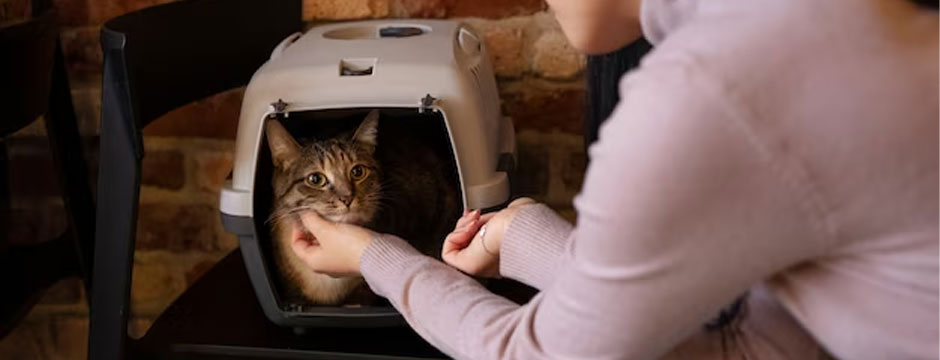
Litter box training is a crucial aspect of cat ownership. Teaching your cat to use the litter box not only promotes cleanliness and hygiene but also ensures their comfort and well-being. In this comprehensive guide, we will explore step-by-step techniques to train your cat effectively, understand their instincts, create an inviting environment, troubleshoot common issues, and ensure long-term success in litter box training.
Importance of Litter Box Training for Cats
Litter box training is essential for several reasons.
-
Firstly, it keeps your home clean and odor-free by providing a designated area for your cat's elimination needs.
-
Secondly, it prevents accidents and inappropriate elimination, saving you from frustration and potential damage to your furniture or flooring.
-
Lastly, a well-trained cat using the litter box is happier and healthier, as it aligns with their instincts and ensures proper hygiene.
Understanding Your Cat's Instincts
Cats are naturally clean animals, with a strong instinct to bury their waste. Understanding this behavior is key to successful litter box training. By replicating the conditions that align with their instincts, you can encourage them to use the litter box consistently.
Choosing the Right Type of Litter Box for Your Cat
-
Considerations for Litter Box Size and Design
Select a litter box that accommodates your cat's size comfortably. Ideally, it should be large enough for them to move around and assume their preferred position for elimination. Consider the height of the sides as well, especially if you have senior cats or kittens.
-
Identifying the Appropriate Location for the Litter Box
Place the litter box in a quiet and accessible area. Cats appreciate privacy during elimination, so avoid high-traffic locations. Additionally, ensure the litter box is easily accessible for your cat, especially if they have mobility issues.
Preparing Your Cat and Environment
Creating a Comfortable and Inviting Litter Box Area
-
Selecting the Right Type of Litter
Experiment with different types of litter to determine your cat's preference. Common options include clumping clay litter, silica gel crystals, recycled paper litter, and pine pellets. Cats may have different preferences for texture, scent, and dust levels, so find the one that suits your cat best.
-
Maintaining Cleanliness and Odor Control
Cats are meticulous creatures, so maintaining a clean litter box is crucial. Scoop the litter box daily to remove waste and clumps, and replace the litter as needed. Aim for a depth of around 2-3 inches of litter, providing enough material for your cat to dig and bury.
Gradually Introducing Your Cat to the Litter Box
-
Familiarizing Your Cat with the Litter Box's Scent and Texture
Before your cat starts using the litter box, allow them to become familiar with it. Place the litter box in a quiet room and let your cat explore it at their pace. Allow them to sniff and investigate the litter, associating it with positive experiences.
-
Using Positive Reinforcement to Encourage Exploration
Reward your cat with treats, verbal praise, or gentle strokes whenever they show interest in the litter box or use it correctly. Positive reinforcement strengthens their association between the litter box and positive experiences, encouraging them to use it consistently.
Training Techniques for Litter Box Use
Monitoring Your Cat's Behavior and Identifying Potential Issues
-
Recognizing Signs of Discomfort or Avoidance
Observe your cat's behavior around the litter box. Signs of discomfort or avoidance, such as scratching the floor or excessive meowing, may indicate an issue. It's essential to address any potential medical conditions or discomfort associated with litter box use.
-
Addressing Potential Medical Conditions Related to Litter Box Use
If your cat consistently avoids or has difficulty using the litter box, consult a veterinarian. Medical conditions such as urinary tract infections or bladder stones can cause discomfort and affect litter box usage. Prompt medical attention is crucial for resolving such issues.
Encouraging Positive Associations with the Litter Box
-
Rewarding Your Cat for Using the Litter Box
Each time your cat uses the litter box correctly, offer immediate rewards such as treats, praise, or playtime. Positive reinforcement strengthens the desired behavior and encourages them to continue using the litter box.
-
Avoiding Punishment or Negative Reinforcement
Never punish your cat for accidents or improper elimination. This can create fear or anxiety associated with the litter box and hinder their progress. Positive reinforcement and patience are far more effective in training your cat to use the litter box consistently.
Troubleshooting Common Litter Box Issues
Dealing with Accidents Outside the Litter Box
-
Identifying Potential Causes for Improper Elimination
Accidents outside the litter box can happen due to various reasons, including stress, medical issues, or territorial marking. Identifying the underlying cause is crucial in addressing the problem effectively.
-
Strategies for Retraining Your Cat to Use the Litter Box
If your cat has accidents outside the litter box, confine them to a smaller area with easy access to the litter box. Gradually increase their space as they consistently use the litter box. Clean any accident spots thoroughly to eliminate lingering odors that may attract them back to the same spot.
Managing Litter Box Aversions or Preferences
-
Assessing and Addressing Litter Box Preferences
If your cat displays aversions to the litter box, experiment with different types of litter and litter box designs. Cats may have specific preferences for texture, scent, or cleanliness. Offering various options can help you identify the one that suits your cat best.
-
Modifying Litter Box Arrangements to Suit Your Cat's Needs
Adjust the litter box set up to accommodate your cat's preferences. Some cats prefer covered litter boxes for added privacy, while others prefer open ones. Provide litter boxes on multiple levels for multi-story homes and ensure easy accessibility for senior or disabled cats.
Maintenance and Long-Term Success
Maintaining a clean litter box is essential for your cat's continued use. Scoop the litter box at least once a day and replace the litter regularly. Deep clean the litter box periodically with mild, unscented soap to prevent odor buildup.
Tips for Preventing Litter Box Problems in the Future
-
Providing Multiple Litter Boxes for Multi-Cat Households
In multi-cat households, ensure each cat has access to their litter box, plus an additional one. This reduces competition and provides sufficient options for elimination, minimizing stress and potential litter box issues.
-
Continuously Monitoring Your Cat's Behavior and Health
Observe your cat's behavior and litter box habits regularly. Changes in their elimination patterns or litter box avoidance may indicate underlying medical issues. Promptly address any concerns and consult a veterinarian if necessary.
Wrapping Up
Litter box training is a vital aspect of cat ownership that promotes cleanliness, hygiene, and your cat's well-being. By understanding your cat's instincts, creating an inviting environment, employing positive reinforcement techniques, and troubleshooting common issues, you can successfully train your cat to use the litter box consistently. Remember to maintain cleanliness, address any aversions or preferences, and provide a comfortable and stress-free environment for your feline companion. With patience, consistency, and understanding, you can establish a strong foundation for litter box training and enjoy a harmonious home with your well-trained cat.
Want to find out more? Visit us at BaxterBoo!