
 Save 15% on your 1st Autoship learn more

 Email us
 Live Chat
 FAQs
FAQs





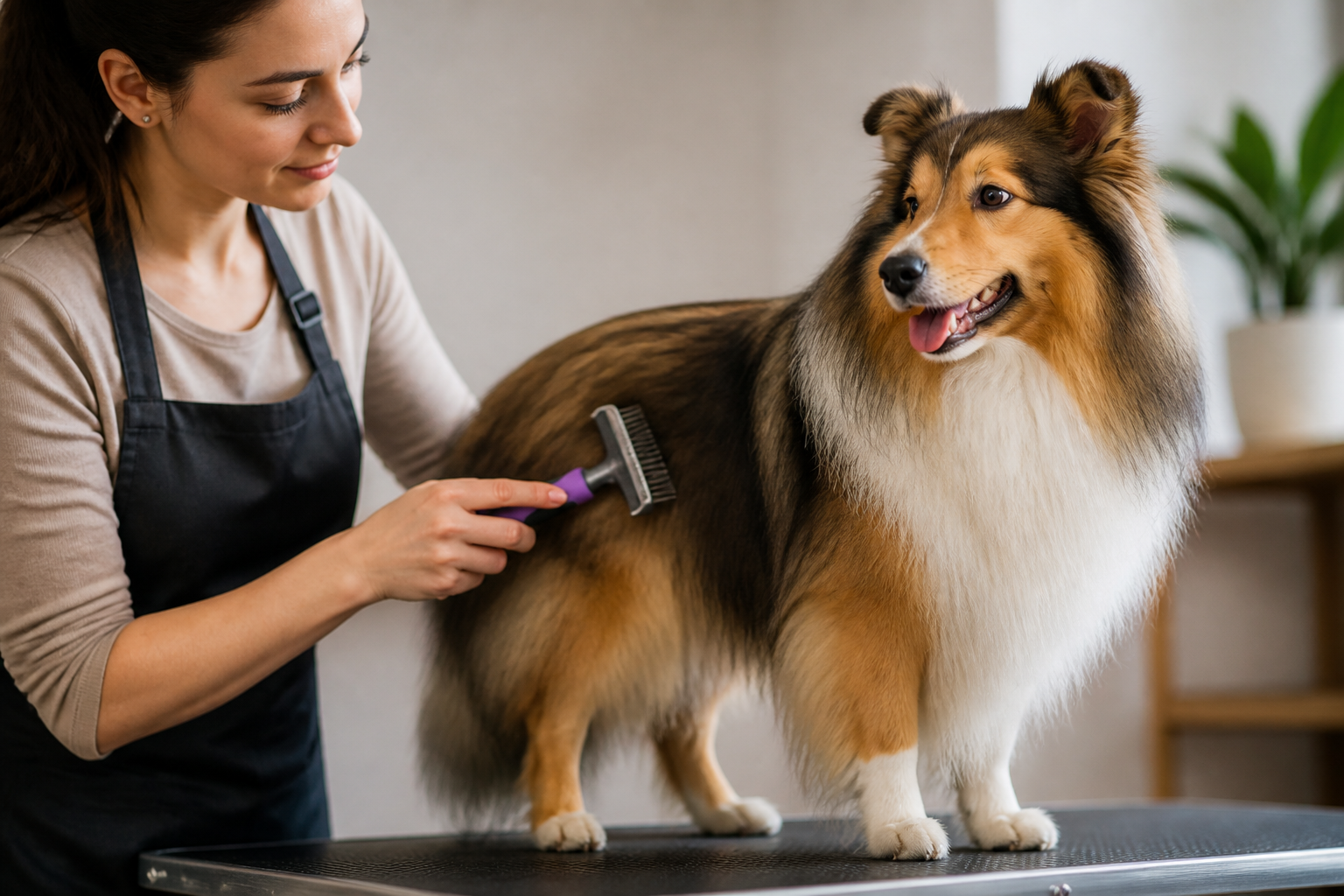
Introduction
You have likely seen those "tumbleweeds" of fur rolling across your hardwood floors. For owners of double-coated breeds like Golden Retrievers, Huskies, or German Shepherds, shedding is a constant reality. Standard brushes often only slide over the top layer of fur, leaving the thick, insulating undercoat untouched. This is where the rake brush becomes an essential part of your toolkit. At BaxterBoo, we understand that grooming a thick-coated dog can feel like an endless task without the right equipment. This guide will teach you how to identify the right rake for your dog and the exact technique to use it effectively without causing skin irritation. By mastering the rake brush, you can significantly reduce shedding and keep your pet's coat healthy and manageable.
Understanding the Dog Rake Brush
A rake brush is a specialized grooming tool designed to reach through the topcoat to pull out dead hair from the undercoat. Unlike a slicker brush or a pin brush, which primarily smooths the surface, a rake has long, sturdy teeth that penetrate deep into dense fur. They typically come in a T-shape, which allows you to apply even pressure across the coat while keeping your wrist in a comfortable position.
There are two primary styles of rakes you will encounter. The first is the pin rake. This tool features rounded, straight pins that look like a row of tiny pillars. These are best for pulling out "lint" or loose, dead fur that has already detached from the skin but is trapped in the coat. The second type is the undercoat rake, often called a dematter. These have curved, bladed teeth that are sharp on the inside curve but rounded and dull on the outside. These are designed to cut through mats and thin out the undercoat as you pull the tool through.
Quick Answer: To use a rake brush, place the teeth against the coat and pull in the direction of hair growth using short, gentle strokes. Focus on the thickest areas like the neck and haunches, ensuring you do not press the teeth hard against the dog's skin.
Is a Rake Brush Right for Your Dog?
Before you start grooming, you must determine if your dog actually needs a rake. These tools are specifically for dogs with "double coats" or very thick, long fur. A double coat consists of a harsh outer layer (guard hairs) and a soft, fuzzy inner layer (the undercoat). This undercoat is what sheds most heavily during seasonal changes.
Common breeds that benefit from a rake include:
- Alaskan Malamutes and Siberian Huskies
- Golden and Labrador Retrievers
- German Shepherds
- Collies and Australian Shepherds
- Newfoundlands and Saint Bernards
For more guidance on seasonal shedding in double-coated dogs, read our article on how Australian Shepherds shed.
If your dog has a single coat, such as a Poodle, Maltese, or Greyhound, a rake is generally not the right tool. On short-haired or single-coated dogs, the long teeth of a rake can easily scrape the skin and cause discomfort or "brush burn." Always match the length of the rake pins to the length of your dog's coat. If the pins are too short, they will not reach the undercoat. If they are too long, you risk poking the skin.
How to Use a Rake Brush on a Dog: A Step-by-Step Guide
Using a rake requires a different technique than a standard brush. Because the teeth are designed to go deep, you must be mindful of the angle and the pressure you apply.
Step 1: Prepare the Coat
Start by ensuring your dog is comfortable and standing or lying on a non-slip surface. Most groomers recommend using a rake on a clean, dry coat. Dirt and grit can dull the blades of an undercoat rake or cause friction that makes pulling the tool through more difficult. If you find significant mats, you might use a detangling spray to help the rake slide through more easily.
For additional tools, browse our dog grooming collection.
Step 2: Choose Your Starting Point
Begin at the neck or shoulders and work your way back toward the tail. This follows the natural flow of the fur and helps you stay organized so you do not miss any spots. It is often helpful to use one hand to hold the skin taut or to lift the topcoat while the other hand works the rake.
Step 3: Use the Correct Motion
Place the rake teeth against the fur and pull in the direction of the hair growth. Use short strokes, roughly six inches in length. Avoid long, sweeping motions that might catch on a hidden knot and jerk your dog's skin. The goal is to feel the resistance of the undercoat and pull the loose fur out.
A Pet Life Flex Series Undercoat Dematter Pet Rake is one option designed for working through dense coats and mats.
Step 4: Monitor Your Pressure
You should never "dig" the rake into the coat. Let the weight of the tool and the sharpness of the pins or blades do the work. If the rake gets stuck, stop immediately. Do not pull harder. Instead, lift the rake and use a comb or your fingers to gently loosen the snag before continuing.
Step 5: Clean the Rake Frequently
A rake brush will fill up with fur very quickly. As the teeth become clogged with hair, the tool becomes less effective and can start to pull on the healthy fur. Clear the hair out after every few strokes. This also allows you to see how much undercoat you are successfully removing.
Key Takeaway: Using a rake brush is about finesse rather than force. Short, controlled strokes in the direction of hair growth will remove the most undercoat while keeping the experience pleasant for your dog.
Managing Mats and Stubborn Tangles
If you encounter a mat while using your rake, do not try to power through it. Mats are often tight against the skin, and pulling them can be quite painful. This is where a bladed undercoat rake is particularly useful.
The curved blades are designed to "hook" into the mat. When you apply a gentle tugging motion, the sharpened inner edge of the blade slices through the knot. You can often break a large mat into several smaller pieces this way, which can then be brushed out with a pin brush or a finer comb. Browse our dog brushes and combs for additional detangling tools.
Vet Tip: If you discover a mat that is very close to the skin or feels hard like a rock, do not use a rake or scissors to remove it. These are best handled by a professional groomer or your vet to avoid cutting the skin. If your dog’s skin appears red or irritated after grooming, consult your vet about soothing topical treatments available through our pharmacy.
If you are dealing with a particularly "linty" coat where the hair is not yet matted but feels very dense, try the rubber band trick. Wrap a thick rubber band around the base of the rake pins. The rubber provides extra grip on the slippery dead hair, allowing you to pull it out more efficiently without having to use a bladed tool.
Grooming Sensitive Areas
A dog's body has several areas where the skin is very thin and sensitive. When using a rake, you must exercise extreme caution in these zones:
- The "armpits" and groin area
- Behind the ears
- The back of the thighs (hocks)
- The belly
In these areas, it is often better to switch from a rake to a softer slicker brush or a wide-toothed comb. If you must use a rake on the haunches or chest, use an even lighter touch than you did on the back. Keep your fingers between the rake and the skin whenever possible to act as a buffer.
We see many owners get over-enthusiastic because the rake is so effective at removing fur. However, "over-raking" an area can lead to bald spots or skin irritation. Once the rake slides through a section with little to no resistance and the tool comes away mostly clean, that section is finished.
After-Grooming Care and Skin Health
Once you have finished raking your dog, their coat should look smoother and feel lighter. This is an excellent time to finish with a soft bristle brush. This final step helps distribute the natural oils across the skin and coat, giving your dog that healthy shine.
Grooming is also the best time to perform a quick health check. As you rake through the fur, keep an eye out for:
- Fleas or Ticks: Look for "flea dirt" (small black specks) or actual pests.
- Skin Irritation: Redness, bumps, or dry, flaky patches.
- Lumps and Bumps: Feel for any new growths under the skin.
- Hot Spots: Areas that seem moist, red, and tender.
For broader grooming and maintenance ideas, see our guide to healthy dog paw care and grooming routines.
Regular grooming with a rake can help prevent skin issues by allowing more air to reach the skin surface. However, if your dog is constantly itchy or has a dull coat despite your efforts, there may be an underlying issue like allergies or a nutritional deficiency. Our pharmacy carries various FDA-approved medications and prescription diets through our partnership with Pet's Choice that can address these chronic skin conditions.
Bottom line: A rake brush is a powerful tool for maintaining skin health by removing the trapped heat and moisture held in a dense undercoat.
Tool Maintenance and Cleaning
To keep your rake brush performing well, you must take care of it. Most high-quality rakes, like those we carry at BaxterBoo, use stainless steel pins or blades. While stainless steel is rust-resistant, it is not rust-proof.
After every grooming session, remove all hair from the teeth. If you used a detangling spray or if the dog's coat was slightly damp, wipe the rake down with a dry cloth. Occasionally, you can clean the pins with a small amount of rubbing alcohol on a cotton ball to remove any buildup of skin oils or wax.
If you use a bladed rake, inspect the blades for nicks or dullness. A dull blade will pull the hair instead of cutting through mats, which makes the process painful for your pet. If the teeth are bent or the handle is loose, it is time to replace the tool. A well-maintained rake should last for years, making it a great value for any pet owner.
Conclusion
Mastering the rake brush is one of the most effective ways to manage a double-coated dog. By choosing the right tool and using gentle, short strokes, you can keep your home cleaner and your pet much more comfortable. Remember to work in sections, follow the direction of hair growth, and be especially careful around sensitive skin. Regular grooming sessions are also the perfect time to check your dog's overall health and bond with them.
- Always brush in the direction of hair growth.
- Avoid using rakes on single-coated or short-haired breeds.
- Keep the skin taut to prevent pulling or pinching.
- Clean your tool after every use to maintain its effectiveness.
For all your grooming needs, from rakes and slicker brushes to professional-grade shampoos, explore our grooming tools. If you are looking for long-term savings on your grooming essentials and preventives, consider signing up for our Autoship programme to earn a free MVP Gold membership.
FAQ
How often should I use a rake brush on my dog?
For most double-coated breeds, using a rake brush once a week is sufficient to keep the undercoat under control. During heavy shedding seasons, which usually happen in the spring and fall, you may need to use it two or three times a week. Avoid daily use with a bladed rake, as this can thin out the coat too much or irritate the skin.
Can I use a rake brush on a wet dog?
While some bladed undercoat rakes are designed to work on wet hair during a bath, most grooming rakes work best on a completely dry coat. Wet hair is more elastic and prone to stretching or breaking, which can make the grooming process less effective and potentially uncomfortable for your dog. If you do groom while wet, ensure you use a very light touch.
For related bathing guidance, read these dos and don’ts for bathing your dog.
Will a rake brush hurt my dog's skin?
If used correctly, a rake brush should not hurt your dog. The key is to avoid applying downward pressure into the skin and to use a tool with rounded tips or safety-edge blades. If your dog flinches, whimpers, or has red marks after grooming, you are likely pressing too hard or using a rake that is too long for your dog's coat type.
What is the difference between a deshedding tool and a rake?
The terms are often used interchangeably, but a rake specifically refers to the T-shaped tool with long pins or bladed hooks. Other deshedding tools might use a fine-toothed comb style that stays closer to the surface. Rakes are generally better for extremely thick, heavy coats because the long pins can penetrate deeper than a standard deshedding comb.






