Save 15% on your 1st Autoship learn more

 Email us
 Live Chat
 FAQs
FAQs





Introduction
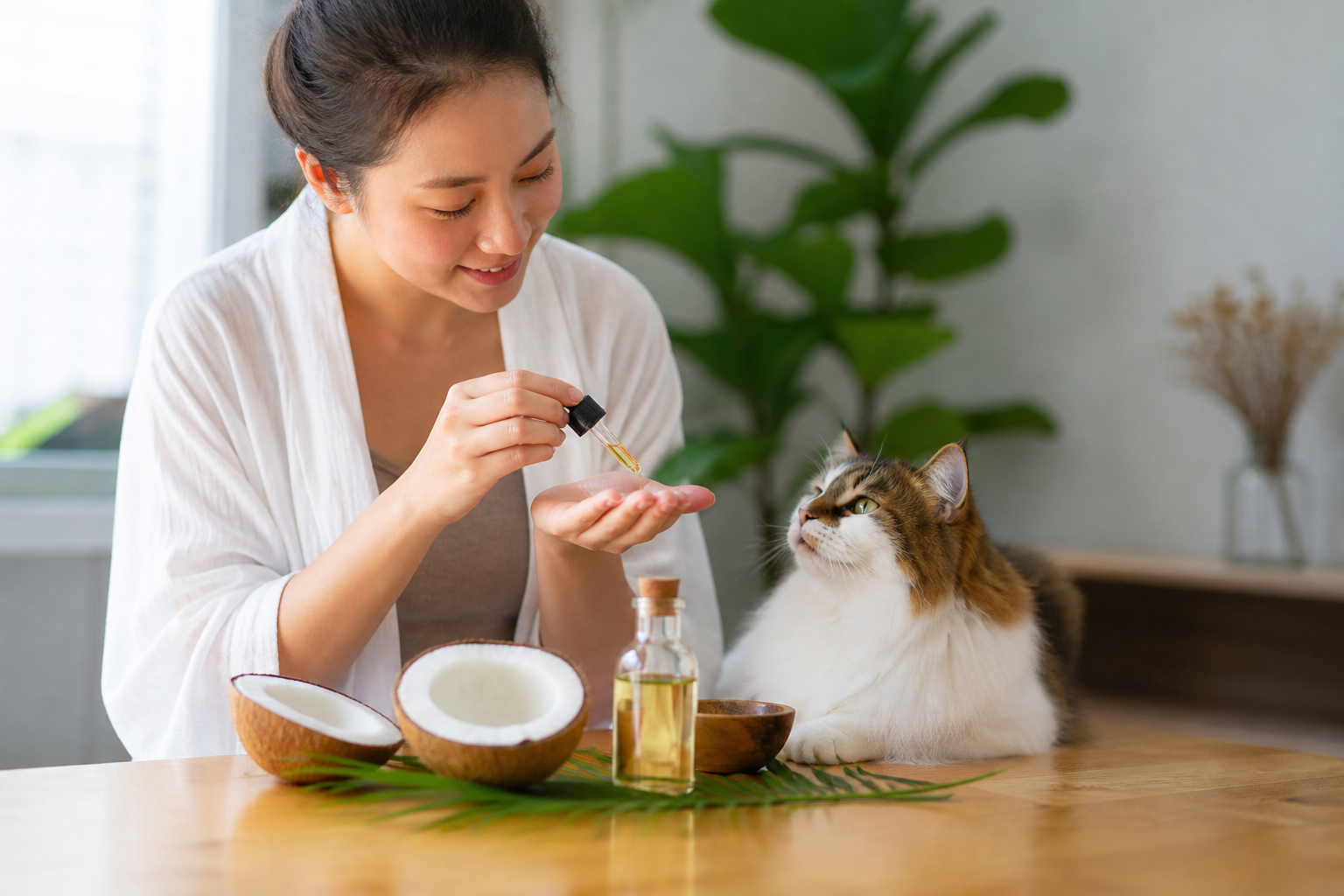
You are petting your cat and notice small white flakes scattered across their fur. On a dark-coated cat, it looks like a dusting of salt. While a few flakes might seem minor, cat dandruff often points to underlying issues with hydration, grooming, or diet. At BaxterBoo, we know how frustrating it can be to see your cat uncomfortable or their coat looking dull. Many pet owners are turning to natural remedies like coconut oil to soothe irritated skin. This post explores why dandruff happens, how coconut oil works to fix it, and the safest ways to use it. You will learn the difference between topical and oral application to help your cat achieve a shiny, flake-free coat.
Quick Answer: Coconut oil can help cat dandruff by providing healthy fats that moisturize the skin and reduce inflammation. It can be applied topically to dry patches or added to food in very small amounts to support skin health from the inside out.
Understanding Cat Dandruff and Its Causes
Dandruff in cats is officially known as seborrhea sicca. It occurs when the skin produces too many skin cells or when the natural shedding process is disrupted. Healthy skin regularly replaces itself. When this cycle speeds up or the skin becomes excessively dry, those dead cells clump together and become visible as flakes.
It is important to distinguish between simple dry skin and other conditions. Sometimes what looks like dandruff is actually a sign of a parasite or a more serious health concern. Before reaching for the coconut oil, it helps to understand why those flakes appeared in the first place.
The Grooming Connection
Cats are meticulous groomers. They spend a large portion of their waking hours cleaning their fur. This process does more than just keep them clean. Grooming distributes natural oils across the skin and removes dead cells. If a cat stops grooming effectively, dandruff is often the first visible sign.
There are several reasons a cat might stop grooming:
- Obesity: If a cat carries too much weight, they literally cannot reach certain parts of their body. You will often see dandruff concentrated on the lower back and the base of the base of the tail.
- Arthritis: Older cats often suffer from joint pain. Bending and twisting to groom the spine or hindquarters becomes painful.
- Illness: A cat that feels unwell will often lose interest in self-care. A staring coat, where the fur clumps together and looks dull, is a common indicator of systemic stress.
Environmental and Dietary Factors
Low humidity is a frequent culprit, especially during the winter months when indoor heating dries out the air. Just as your own skin might feel tight and itchy in January, your cat's skin loses moisture to the environment.
Diet also plays a major role. Skin requires specific nutrients to remain supple. If a cat's food is low in omega-3 or omega-6 fatty acids, the skin barrier weakens. This leads to moisture loss and subsequent flaking. While we carry many premium foods designed for skin health, sometimes a targeted supplement like coconut oil provides that extra boost. You can explore our cat food selection when reviewing your cat’s daily diet.
Key Takeaway: Cat dandruff is often a secondary symptom of another issue like poor grooming, low humidity, or nutritional gaps. Addressing the root cause is essential for long-term relief.
The Science of Coconut Oil for Cats
Coconut oil is unique because of its high concentration of medium-chain triglycerides (MCTs). Unlike the long-chain fats found in many other oils, MCTs are processed differently by the body. They are easily digestible and provide a quick source of energy.
The Power of Lauric Acid
The standout component in coconut oil is lauric acid. This fatty acid has natural antimicrobial, antifungal, and anti-inflammatory properties. When applied to the skin, it helps create a protective barrier. This barrier locks in moisture while discouraging the growth of yeast or bacteria that can worsen skin irritation.
Benefits Beyond the Skin
While you might be focused on those white flakes, coconut oil offers other advantages for feline health:
- Hairball Reduction: Coconut oil acts as a natural lubricant. It can help ingested fur move through the digestive tract more easily.
- Cognitive Support: In senior cats, the MCTs in coconut oil provide an alternative energy source for the brain. This can help keep older cats more alert and engaged.
- Immune Support: The antimicrobial nature of lauric acid can provide a minor boost to the immune system.
Using Coconut Oil Topically
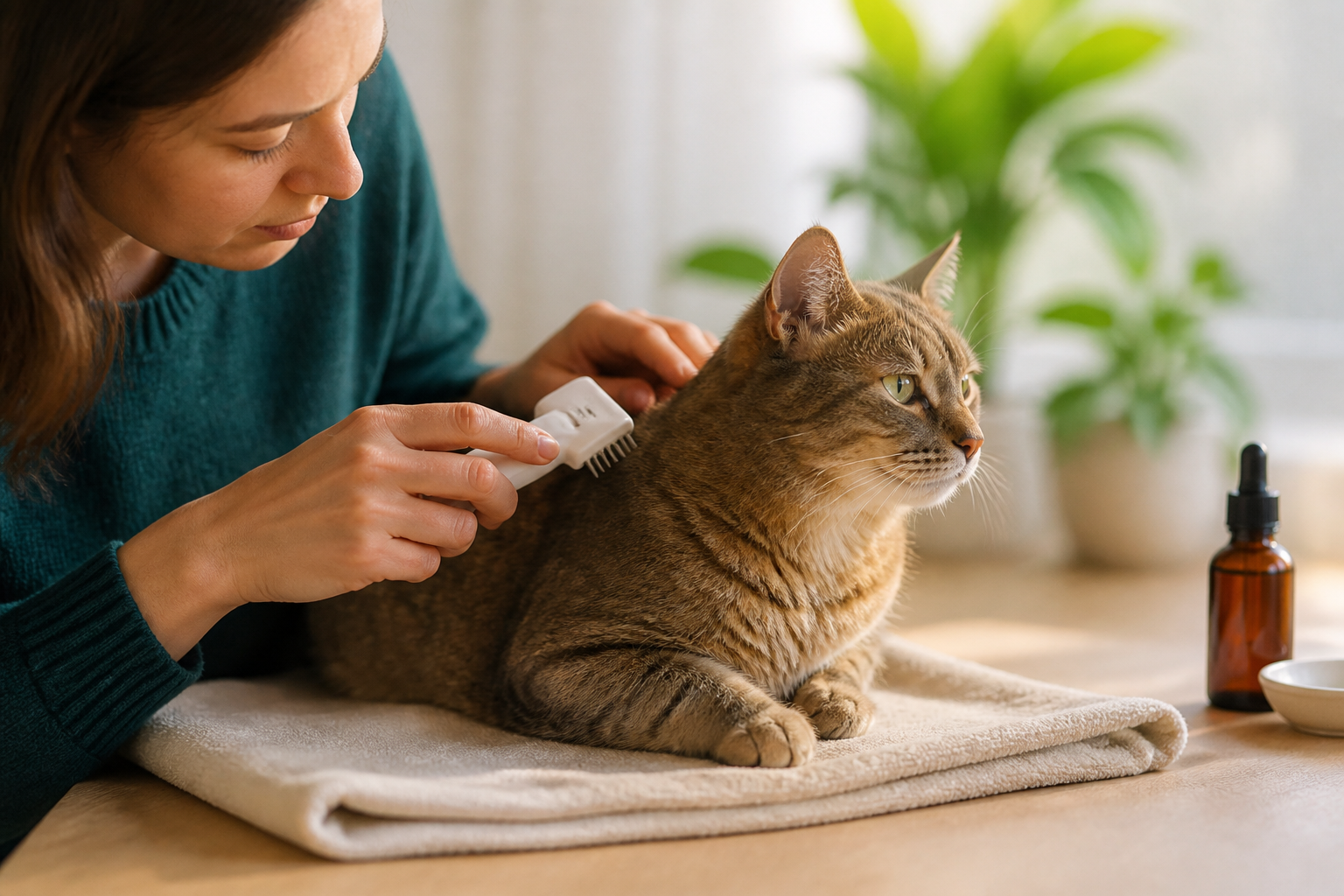
Applying coconut oil directly to your cat’s skin is the fastest way to address localized dry patches. This method is particularly useful for cats with dandruff concentrated in one area, such as the base of the tail or between the shoulder blades. For additional coat-care supplies, browse our cat grooming collection.
How to Apply It
Step 1: Choose the right oil. Always use unrefined, virgin, cold-pressed coconut oil. This version retains the most nutrients and avoids the chemicals used in the refining process.
Step 2: Warm a tiny amount. Coconut oil is solid at room temperature. Take a pea-sized amount and rub it between your palms until it melts into a clear liquid.
Step 3: Massage it in. Gently work the oil into the affected areas. Try to reach the skin rather than just coating the top of the fur.
Step 4: Distract your cat. Cats will naturally want to lick the oil off. While coconut oil is safe to eat, you want it to sit on the skin for a few minutes to absorb. Offer a favorite toy or a small treat to keep them busy.
Managing the Mess
One downside to topical application is the grease factor. If you apply too much, your cat will look oily, and they may leave spots on your furniture. Use the smallest amount possible. If the coat looks excessively greasy after an hour, you can gently blot the area with a soft, dry cloth.
Vet Tip: If your cat's dandruff is accompanied by redness, sores, or intense itching, skip the home remedies and call your veterinarian. These can be signs of a skin infection or an allergy that requires professional treatment.
Adding Coconut Oil to Your Cat's Diet
Feeding coconut oil allows the nutrients to work from the inside out. This approach is better for cats with general dryness across their entire body rather than just a few spots. Our cat healthcare products also include supplements and skin-and-coat options for discussing with your veterinarian.
Proper Dosing for Cats
When it comes to fat, more is not better. Cats have a limited ability to process high amounts of fat at once. Giving too much can lead to weight gain or, more seriously, pancreatitis.
- Start very small: Begin with 1/8 of a teaspoon daily. This allows your cat's digestive system to adjust.
- Monitor the litter box: If you notice loose stools or diarrhea, reduce the amount or stop entirely.
- The maximum dose: For an average-sized cat, do not exceed 1/2 teaspoon per day.
Most cats enjoy the taste of coconut oil. You can simply mix it into their wet food. If your cat is a picky eater, you can try dabbing a tiny bit on their paw. Their natural grooming instinct will cause them to lick it off.
Caloric Considerations
Coconut oil is calorie-dense. If your cat is already struggling with their weight, you need to be careful. Obesity is a primary cause of dandruff because it prevents grooming. Adding more calories to an overweight cat's diet might make the dandruff worse in the long run. If your cat needs to lose weight, we recommend looking into specialized diets like those found in the Farmina Vet Life range.
When Coconut Oil Isn't Enough
While coconut oil is a great tool, it is not a cure-all. Some causes of dandruff require medical intervention. If you have been using coconut oil for two weeks and see no improvement, it is time to look deeper.
Parasites and Walking Dandruff
There is a specific mite called Cheyletiella that looks exactly like dandruff. In fact, it is often called walking dandruff because if you look closely, you can see the white flakes moving. Coconut oil will not kill these mites.
If you suspect parasites, you need professional flea and tick prevention. Our pet pharmacy carries prescription products for dogs and cats. Many of these require a prescription from your vet, but they are the only way to truly clear a mite or flea infestation.
Allergies and Internal Health
Chronic dandruff can also stem from food allergies or environmental sensitivities. In these cases, the skin is reacting to an internal trigger. Your vet might recommend a prescription diet or allergy medication. We provide access to these specialized foods and medications through the veterinary diet selection, making it easy to get exactly what your vet prescribes.
Bottom line: Coconut oil is a supplement, not a replacement for veterinary care or a balanced diet.
Better Alternatives for Skin Health
If your cat doesn't like coconut oil or if you aren't seeing results, other options might work better. Coconut oil is great, but it lacks the long-chain omega-3 fatty acids (EPA and DHA) found in marine oils.
Fish Oil
Fish oil is often considered the gold standard for skin and coat health. It provides concentrated omega-3s that actively reduce inflammation throughout the body. While coconut oil is excellent for moisture, fish oil is often more effective for severe itching and chronic flaking. You can compare available options in our cat health category.
Specialized Grooming Tools
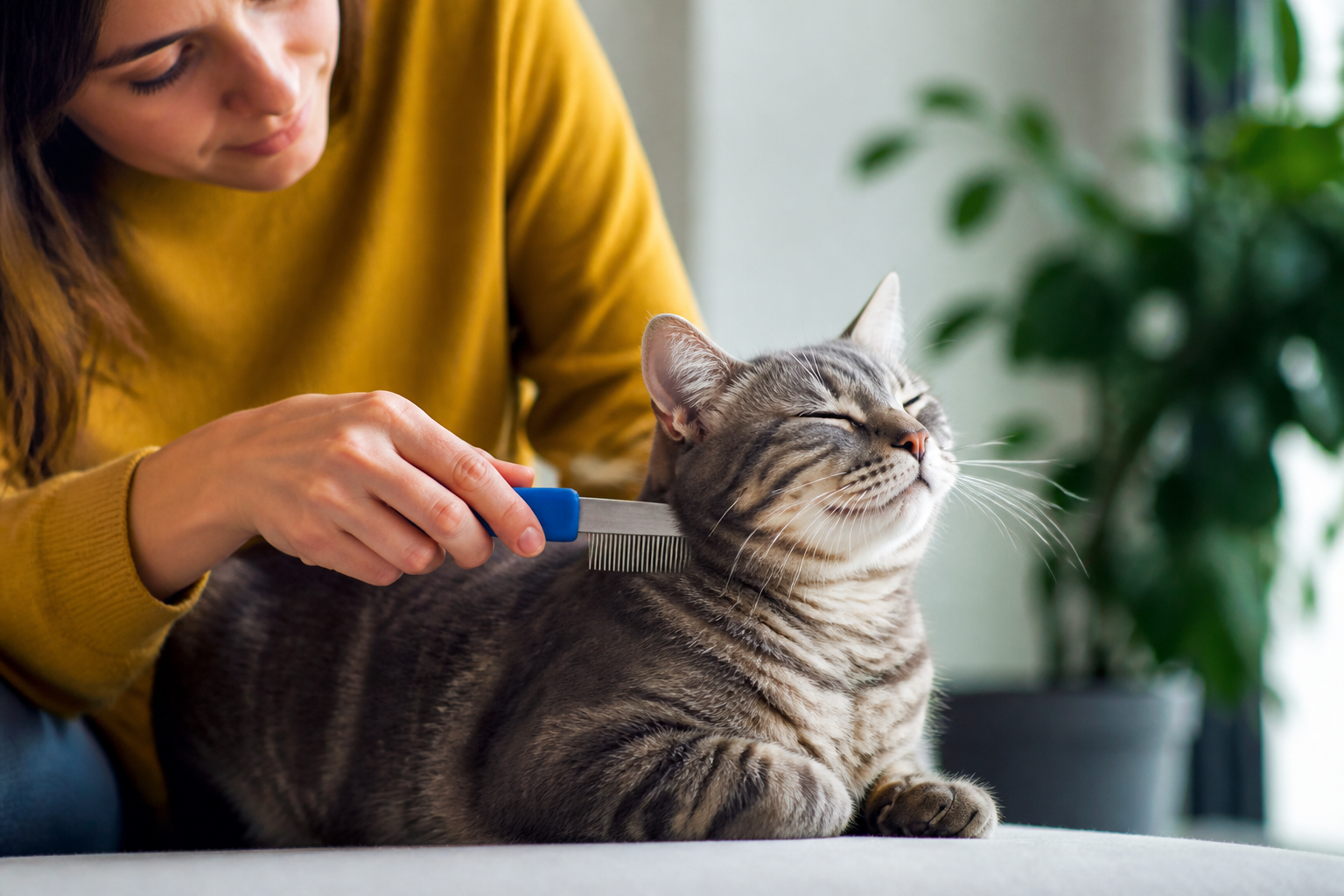
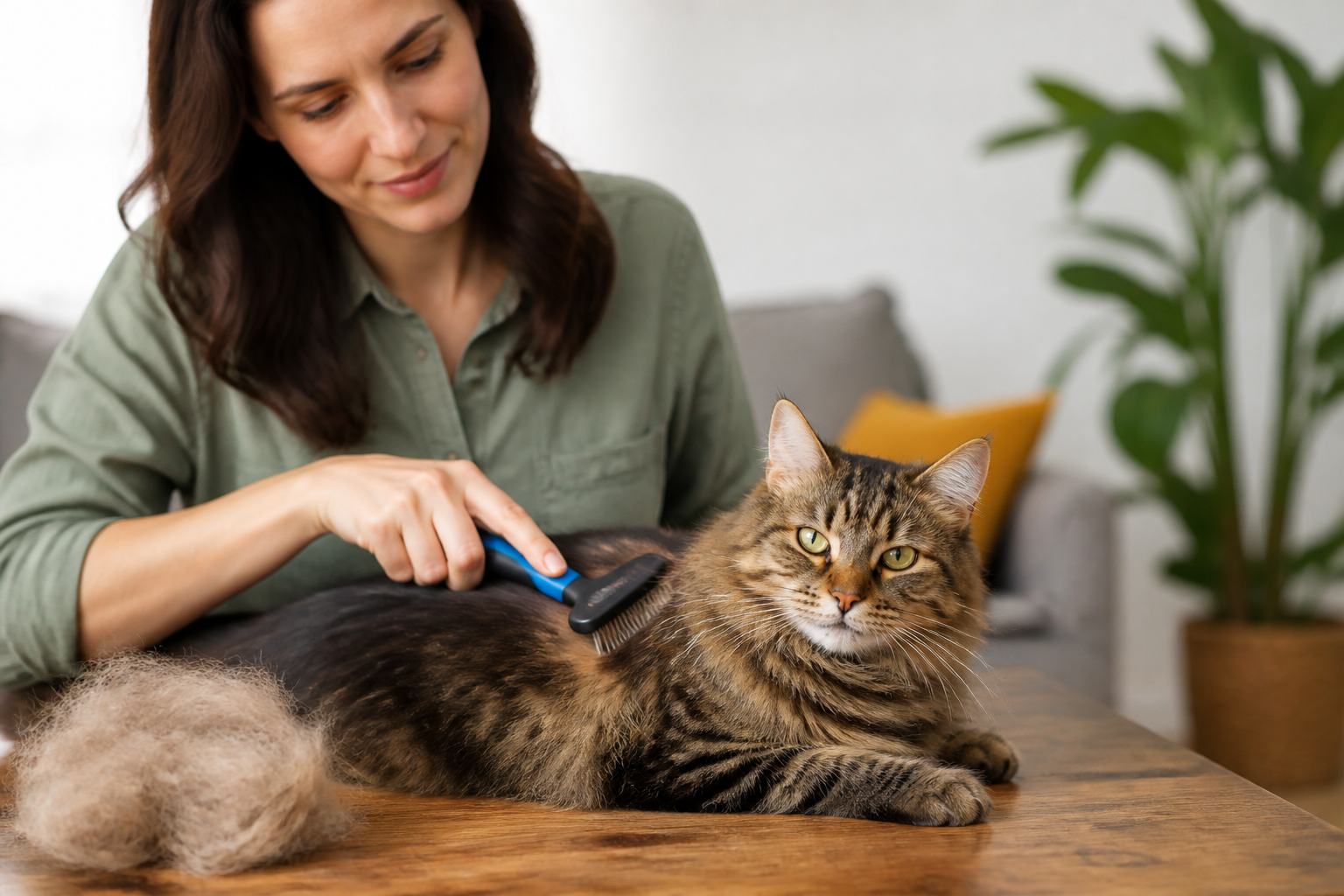
Sometimes the solution isn't what you put on the cat, but what you take off. Regular brushing is essential for cats with dandruff. A high-quality slicker brush or grooming comb helps remove dead hair and skin cells that the cat can't reach. This mimics the natural grooming process and stimulates the production of the skin's own oils.
Humidity Control
If your home is very dry, consider a humidifier. This is a simple, non-invasive way to help your cat's skin. Maintaining a humidity level between 40% and 50% can significantly reduce seasonal dandruff for both you and your pets.
Choosing the Best Products at BaxterBoo
We take pride in curating the best for your pets. When you shop for skin and coat supplies, you are choosing from brands we trust and use ourselves. Whether you need a soothing shampoo or a high-quality brush, our team is here to help you find the right fit.
If you are just starting your journey toward better pet health, our MVP Rewards program is a great way to save. You can earn up to 5% back on every purchase. For items you use every day, like food or supplements, our Autoship program offers extra savings and ensures you never run out.
Operating since 2006, we have helped thousands of pet owners navigate everything from puppyhood to the senior years. We are more than just an online store. Our warehouse in Vernon Hills is the heart of what we do, and we treat every order with the care it deserves.
Conclusion
Cat dandruff is a common issue that often responds well to simple changes at home. Coconut oil provides a natural, affordable way to moisturize dry skin and improve your cat's coat. By understanding the causes of flaking and using coconut oil safely, you can help your feline friend feel much more comfortable. Remember to start with small doses and keep an eye on your cat's overall behavior and digestive health.
- Dandruff often stems from a lack of grooming or dry air.
- Coconut oil contains lauric acid, which helps skin heal and retain moisture.
- Topical use is best for spots, while oral use supports overall skin health.
- Always consult your vet if dandruff is accompanied by sores or intense itching.
If your cat's skin issues persist, the next step is a professional evaluation. Our pet pharmacy is available to help you fulfill any prescriptions your vet may provide for allergies, parasites, or chronic skin conditions.
FAQ
Is coconut oil safe for cats to lick off their fur?
Yes, coconut oil is non-toxic and safe for cats to ingest in small amounts. Most cats will naturally groom themselves after you apply it. Just ensure you are using pure, unrefined oil without any added scents or chemicals.
How long does it take for coconut oil to fix cat dandruff?
You may see a slight improvement in skin moisture within a few days of topical application. For internal use, it generally takes two to four weeks of consistent dosing to see a noticeable change in the coat's shine and a reduction in flaking.
Can coconut oil cause diarrhea in cats?
Because coconut oil is high in fat, it can cause loose stools if introduced too quickly or given in large amounts. To avoid digestive upset, always start with a tiny dose of about 1/8 teaspoon and gradually increase it only if your cat tolerates it well.
Can I use coconut oil on my cat's ears for mites?
While coconut oil might soothe the irritation caused by ear mites, it is not an effective treatment to kill the infestation. Ear mites are very persistent and usually require medicated drops from a veterinarian to fully clear.