Save 15% on your 1st Autoship learn more

 Email us
 Live Chat
 FAQs
FAQs





Introduction
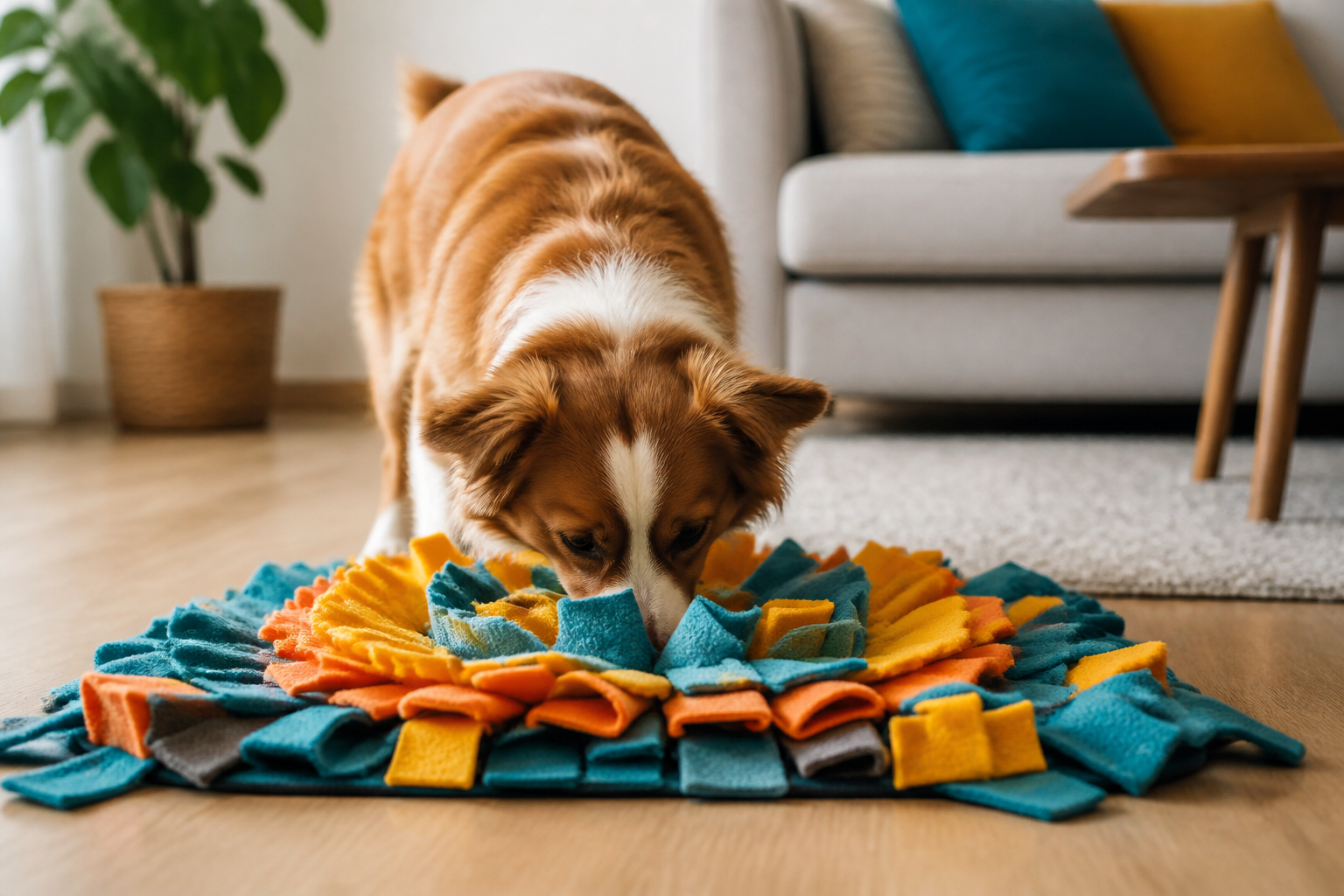
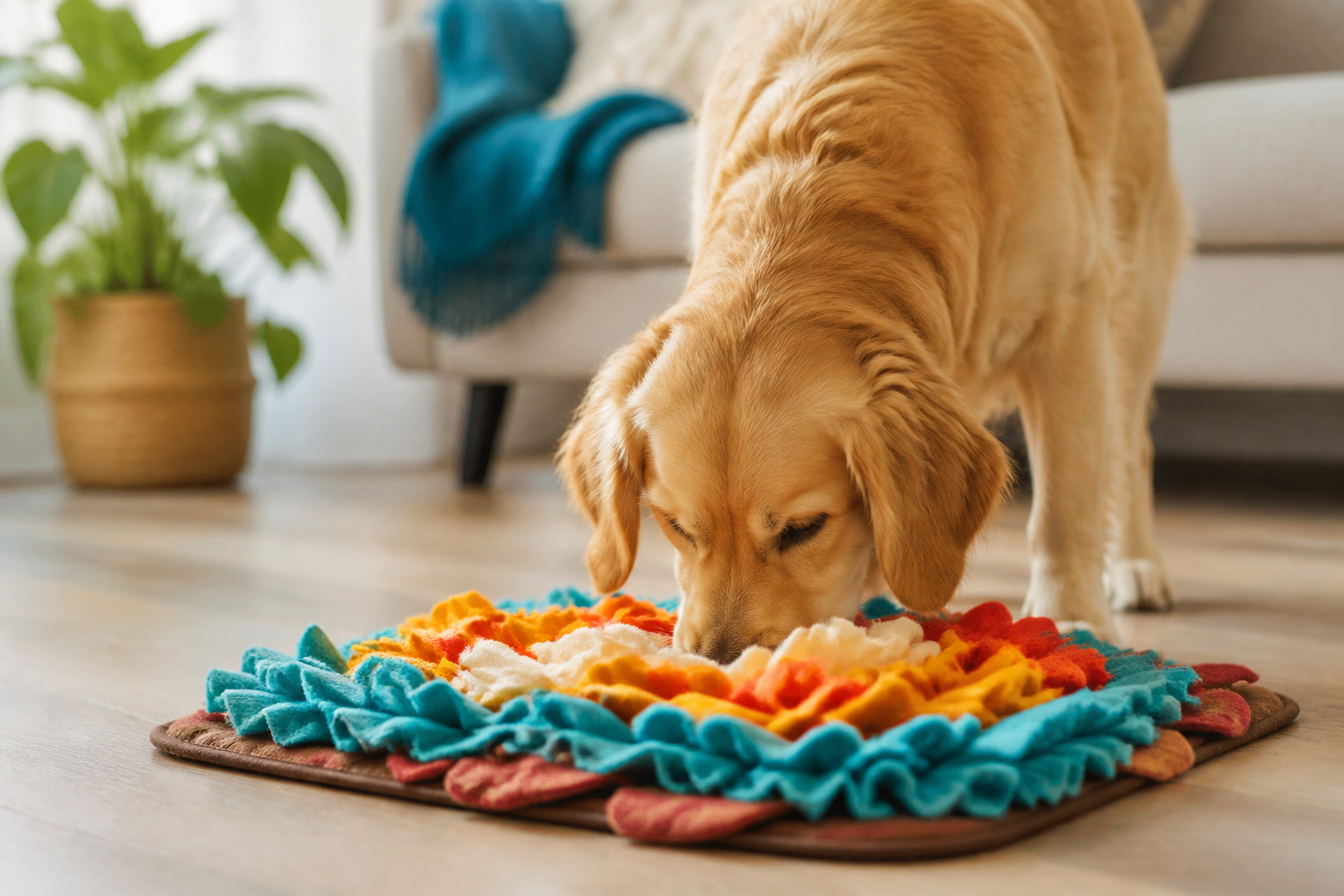
Your dog just finished a long session of foraging through their favorite felt forest. They are tired, happy, and ready for a nap. However, you look down and notice the mat is now a damp, crumb-covered mess. Saliva, leftover food particles, and dust from the floor have turned a great enrichment tool into a hygiene concern. At BaxterBoo, we know that high-quality gear only lasts when it is cared for correctly. Keeping a snuffle mat clean is essential for your pet's health and the longevity of the toy. This post covers the best methods for washing, drying, and maintaining your snuffle mat to ensure every sniff remains a safe one. Proper maintenance prevents mold and bacteria while keeping the fabric soft for sensitive noses.
Quick Answer: Most snuffle mats can be machine washed on a gentle cycle with cold water and a mild, pet-safe detergent. To protect the fibers and any plastic backing, always air dry the mat completely before allowing your pet to use it again.
Why Cleaning Your Snuffle Mat Is Essential
A snuffle mat is a wonderful tool for mental stimulation. It mimics the natural foraging behaviors of dogs and cats. Because these mats are made of many fabric layers, they trap more than just treats. They collect saliva, skin dander, and household dust. Over time, these organic materials can lead to bacterial growth or even mold if the mat stays damp.
A dirty mat can also become less interesting to your pet. If the fabric smells like old, stale kibble or sour saliva, your dog might lose interest in the fresh treats you hide. Beyond the "yuck" factor, a dirty mat can harbor allergens. This is particularly important for pets with sensitive skin or respiratory issues. If your pet shows signs of skin irritation or persistent sneezing, we recommend consulting a veterinarian to rule out environmental allergies.
Key Takeaway: Regular cleaning prevents the buildup of harmful bacteria and allergens that can thrive in the deep fabric folds of foraging toys.
Pre-Wash Preparation
Before you throw the mat into the laundry, you must prepare it. This step protects both the toy and your washing machine. Small pieces of kibble or hard treats can get stuck in the pump of your washer. They can also break down into a sticky paste that ruins the fabric.
Step 1: Shake it out. / Take the mat outside and give it a vigorous shake to remove loose crumbs and hair.
Step 2: Inspect the folds. / Run your fingers through the felt or fleece strips to find any trapped "jackpot" treats.
Step 3: Remove debris. / Use a lint roller or a pet hair brush to pull out stubborn fur that shaking missed.
Step 4: Check for damage. / Look for loose strips or torn backing that might unravel further during a wash cycle.
If you find that your pet has chewed off pieces of the fabric, remove those loose threads immediately. Ingesting fleece or felt can lead to digestive blockages. If your dog has a history of eating non-food items, our pet pharmacy carries prescription diets and medications that can help manage digestive health.
The Machine Washing Method
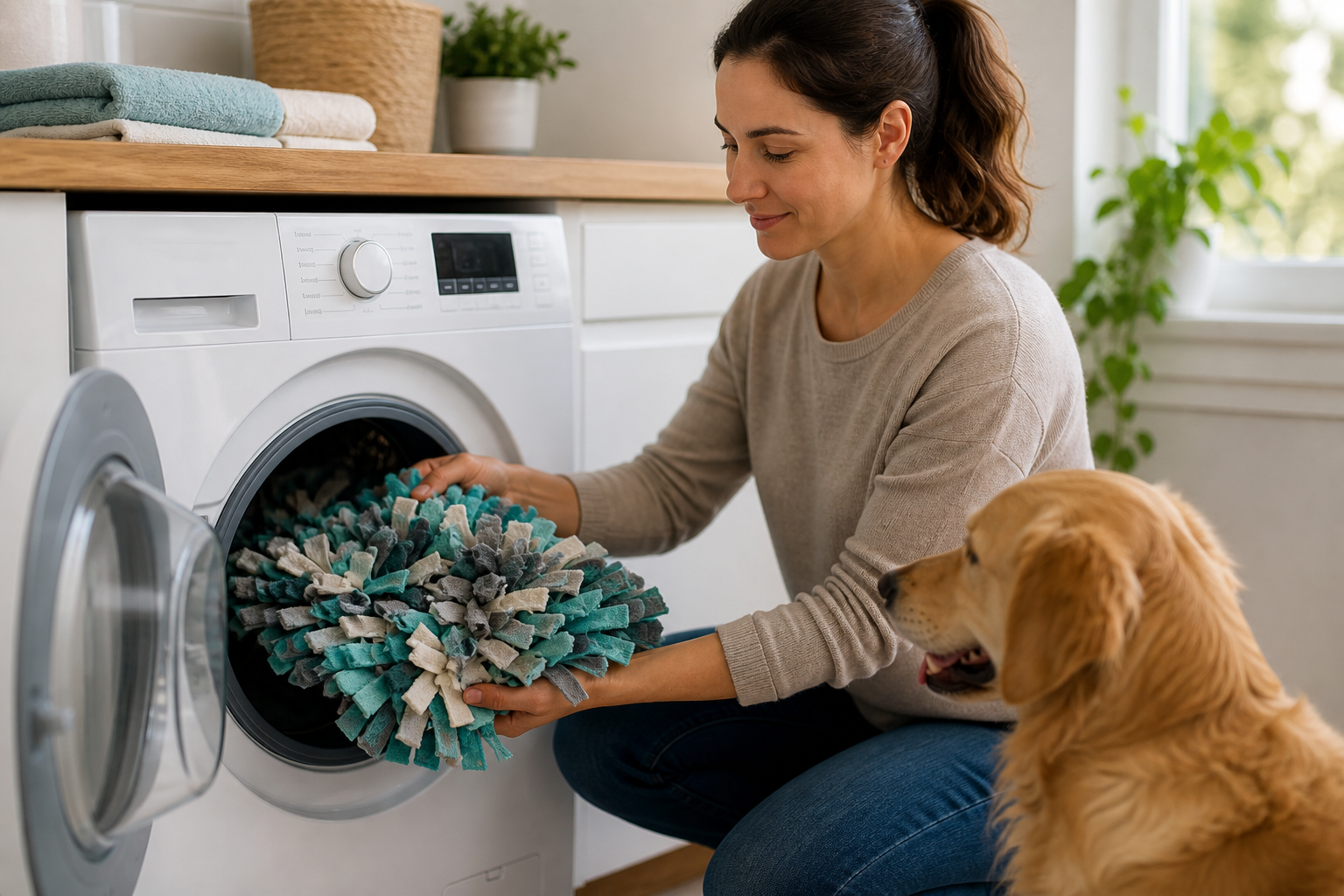
Most modern snuffle mats, like those we carry at BaxterBoo, are designed to handle machine washing. However, you cannot treat them like a standard bath towel. The friction of a heavy-duty cycle can tear the delicate strips away from the base.
Always use a mesh laundry bag. This is the best way to prevent the fabric strips from tangling or getting caught on the agitator. If the mat has a rigid plastic or rubber backing, the bag acts as a buffer.
Use a mild, fragrance-free detergent. Pets have a sense of smell that is thousands of times more sensitive than ours. A detergent that smells "mountain fresh" to you might be overwhelming and irritating to your dog. Avoid bleach and fabric softeners entirely. Bleach can break down the synthetic fibers, and softeners leave a waxy residue that holds onto dirt.
Vet Tip: Avoid using scented laundry additives or strong chemicals when washing pet bedding and toys. These can cause contact dermatitis or respiratory irritation in sensitive dogs and cats.
Hand Washing for Delicate Mats
Some snuffle mats are handmade or feature complex designs with non-removable plastic parts. If you are worried about the structural integrity of the mat, hand washing is the safest route. This method gives you total control over the pressure and temperature.
Fill a clean sink or basin with lukewarm water. Add a small amount of pet-safe soap. Submerge the mat and gently knead the fabric strips with your hands. Pay extra attention to the center of the mat where saliva and food tend to concentrate the most.
Rinse the mat thoroughly under cold running water. Continue rinsing until the water runs clear and no soap bubbles remain. Do not wring or twist the mat, as this can warp the backing or pull the strips out of their knots. Instead, press down firmly on the mat against the bottom of the sink to squeeze out excess moisture.
The Proper Way to Dry a Snuffle Mat
How you dry the mat is just as important as how you wash it. High heat is the enemy of most snuffle mats. Many are made from polyester fleece, which is essentially a form of plastic. High temperatures in a dryer can melt the fibers, making them scratchy and uncomfortable for your pet's nose.
Air drying is the gold standard. Lay the mat flat on a drying rack in a well-ventilated area. If possible, place it near a fan to speed up the process. Do not hang the mat by its corners while it is soaking wet. The weight of the water can stretch the fabric and ruin the shape.
If you must use a dryer, use the "air fluff" or "no heat" setting. Even a low heat setting can be risky for mats with rubberized anti-slip backings. These backings can crack or peel when exposed to heat. Ensure the mat is 100 percent dry before storage. Storing a damp mat in a toy box is a recipe for mildew.
Bottom line: Air drying is the safest way to preserve the texture and shape of a snuffle mat while preventing heat damage.
How Often Should You Wash It?
The frequency of cleaning depends on how your pet uses the mat. If you use it once a day for a dry kibble meal, a deep clean every two weeks is usually enough. If your dog is a heavy drooller or if you use "moist" treats like freeze-dried liver, you should wash it weekly.
Between deep cleans, you can perform spot maintenance. Shake the mat out after every single use. This prevents crumbs from settling deep into the base. If you notice a specific spot that is soiled, use a damp cloth with a tiny bit of dish soap to wipe it down.
We recommend having a second mat on hand. This allows you to rotate them. While one is in the wash or air drying, your pet can still enjoy their enrichment time with the other. This rotation also reduces the wear and tear on a single item, making both last longer. You can find additional enrichment ideas in our guide to indoor enrichment activities.
Safety and Long-Term Maintenance
No snuffle mat is truly indestructible. Over time, the constant sniffing and occasional pawing will wear down the fabric. Regular inspections are part of responsible maintenance. Check the knots or the stitching on the base at least once a month.
If your dog starts to view the mat as a tug toy or a chew toy, it is time to intervene. Snuffle mats should be put away once the food is gone. This prevents the dog from getting frustrated and chewing on the fabric. If your dog has a high chew drive, we carry a variety of durable dog toys that are better suited for heavy gnawing.
If you notice your pet is losing interest in the mat, it might not be the cleanliness. Sometimes pets need a change in the type of treats used. Using high-value treats from brands like Stella and Chewy's or Vital Essentials can reignite that foraging spark. Always remember to account for these treats in your pet's daily caloric intake to prevent weight gain.
Key Takeaway: Supervision and post-use storage are the best ways to prevent your pet from damaging their snuffle mat.
Choosing the Right Cleaning Products
When selecting a cleaner, look for products labeled as "enzymatic" if the mat has a strong odor. Enzymatic cleaners break down the proteins in saliva and food rather than just masking them. However, ensure the cleaner is specifically safe for pets.
Avoid any products containing phenols or essential oils like tea tree oil. These can be toxic to dogs and cats if residues remain on the fabric. A simple solution of one part white vinegar to four parts water can also help neutralize odors during a hand wash, but be sure to rinse it out well so the scent does not deter your pet later.
At BaxterBoo, we emphasize quality in every product we stock. Whether you are buying a new mat or the supplies to clean one, choosing the right materials makes a difference. Our commitment to pet wellness means we only recommend methods that keep your home clean and your pet healthy.
Summary of Best Practices
Cleaning a snuffle mat does not have to be a difficult chore. By following a consistent routine, you can keep this valuable enrichment tool in your rotation for years.
- Shake the mat outside after every use to remove loose debris.
- Use a mesh laundry bag for machine washing to protect the fabric strips.
- Stick to cold water and gentle cycles to prevent fiber breakdown.
- Always choose fragrance-free, pet-safe detergents.
- Air dry the mat flat to maintain its shape and avoid heat damage.
- Inspect the mat regularly for loose pieces that could become choking hazards.
Maintaining your pet's gear is a direct investment in their well-being. A clean environment helps prevent skin issues and keeps their feeding area sanitary. If you are looking for more ways to support your pet's health, the MVP Rewards programme offers a great way to save on high-quality food, treats, and wellness supplies.
Bottom line: A clean snuffle mat is a safer, more effective tool for keeping your pet mentally sharp and physically healthy.
FAQ
Can I put a snuffle mat in the dryer?
It is generally best to avoid the dryer because the heat can melt the synthetic fleece fibers or damage the rubber backing. If you must use a dryer, only use the "no heat" or "air fluff" setting to prevent the mat from warping or becoming scratchy. Air drying on a flat surface is the safest method for preserving the toy's quality.
What kind of soap is safest for washing pet toys?
Use a mild, unscented, and dye-free detergent or a dish soap specifically formulated to be pet-safe. Avoid products with heavy perfumes, bleach, or fabric softeners, as these can irritate a pet's sensitive nose or skin. If the mat is very smelly, a small amount of white vinegar mixed with water can help neutralize odors safely.
How often should I wash my dog's snuffle mat?
For most pets, washing the mat every one to two weeks is ideal to prevent the buildup of bacteria and old food oils. If your dog is a messy eater or has skin allergies, you may want to wash it once a week. Shaking the mat out after every use will help keep it cleaner between deep washes.
What should I do if my snuffle mat starts to smell like mold?
If a mat smells like mold, it likely stayed damp for too long or was stored while wet. You can try washing it with an enzymatic cleaner or a vinegar solution to kill the spores. However, if the mold is visible or the smell persists after a deep clean, it is safest to replace the mat to protect your pet's health.