
 Save 15% on your 1st Autoship learn more

 Email us
 Live Chat
 FAQs
FAQs





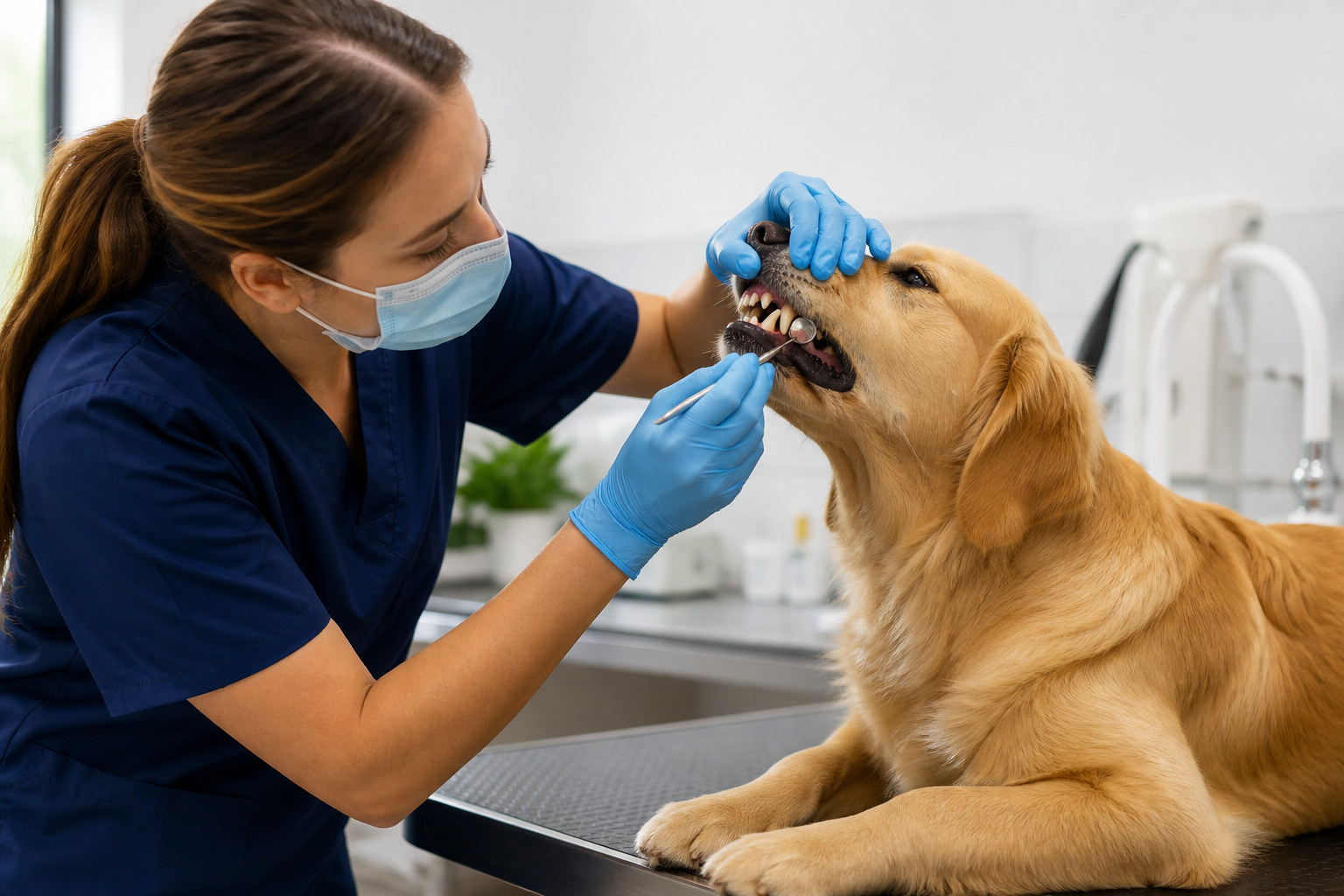
Introduction
You lean in for a morning snuggle and get a whiff of something foul. It is more than just typical dog breath. It is a sharp, metallic, or rotting smell that stays on your clothes. This scent is often the first sign that your dog needs a professional dental cleaning. At BaxterBoo, we see many owners who feel nervous about the "big dental day" at the vet. It can feel overwhelming to drop your dog off for a procedure involving anesthesia and specialized tools. This guide will walk you through exactly what happens behind the clinic doors. We cover everything from the initial exam to the final polish. Understanding this process helps you prepare for your dog's appointment and ensures they get the best possible care for a pain-free mouth.
The First Step: The Pre-Cleaning Assessment
Before any tools touch your dog's teeth, the veterinarian must ensure it is safe to proceed. This usually starts with a physical exam in the lobby or exam room while your dog is still awake. The vet looks for visible signs of trouble like broken teeth, red gums, or heavy tartar. However, an awake exam only tells part of the story. Most dental disease hides under the gumline where nobody can see it without X-rays.
To prepare for the actual cleaning, your vet will likely recommend pre-anesthetic bloodwork. This is a standard safety measure. It checks how well your dog's liver and kidneys are functioning. These organs are responsible for processing the anesthesia. If the bloodwork shows any concerns, the vet might adjust the medication or delay the procedure. This step is about minimizing risk and tailoring the care to your dog's specific health needs.
Vet Tip: If your dog is a senior or has a history of heart issues, your vet might suggest an EKG or chest X-rays before the dental. Always share your dog's full medical history and current supplements during the pre-op talk.
Why Anesthesia Is Necessary for Dogs
One of the most common questions owners ask is why dogs cannot stay awake for a cleaning. We sit still in the dentist chair, so why can't they? The reality is that a proper cleaning is impossible and unsafe on an awake dog. To truly clean the teeth, a technician must reach deep under the gums. This involves sharp instruments and vibrating ultrasonic tools. Even the calmest dog will flinch or move when they feel these sensations.
Anesthesia also allows the vet to protect your dog's airway. When the teeth are scaled, bacteria and water spray into the mouth. Without a breathing tube, your dog could inhale this contaminated water into their lungs. This can lead to aspiration pneumonia. General anesthesia ensures your dog is completely still, pain-free, and breathing safely through a protected tube. This is the only way to perform a thorough, professional-grade cleaning.
The Risks of Anesthesia-Free Cleanings
You might see "anesthesia-free" dental services offered at grooming shops or boutiques. While these may make the teeth look whiter, they are mostly cosmetic. They do not address the bacteria living under the gumline.
- They cannot reach the "pockets" where periodontal disease starts.
- They do not include X-rays to find hidden infections or bone loss.
- They can be incredibly stressful and scary for the dog.
- The scraping can leave microscopic scratches that actually help more plaque grow.
Quick Answer: Vets clean dogs teeth by using general anesthesia to perform a deep scaling above and below the gumline. They follow this with polishing and dental X-rays to ensure the entire mouth is healthy.
The Cleaning Process: Step by Step
Once your dog is safely under anesthesia, the real work begins. The veterinary team follows a specific sequence to ensure every tooth is checked and cleaned. For additional warning signs to watch for at home, read our guide to recognizing bad teeth in dogs.
Step 1: Oral Examination and Charting
The vet or a trained technician uses a dental probe to check every single tooth. They look for "pockets" where the gum has pulled away from the tooth. They also check for mobility, which means a tooth is loose. Every finding is recorded on a dental chart, much like a human dentist does.
Step 2: Dental X-rays (Radiographs)
This is arguably the most important part of the day. Up to 60 percent of a dog's tooth structure is hidden below the gumline. X-rays can reveal abscesses, bone loss, or roots that are rotting away. Without X-rays, a vet might leave a painful, infected tooth in your dog's mouth simply because the crown looks okay on the outside.
Step 3: Scaling
The team uses an ultrasonic scaler to vibrate tartar off the teeth. This tool uses high-frequency sound waves and a cooling water mist to break up hard deposits. They clean the visible surface and then move to the area under the gums. They may also use hand scalers to reach tight spots or small crevices.
Step 4: Polishing
Scaling leaves tiny, microscopic scratches on the enamel. If left alone, these scratches give bacteria a perfect place to latch on. The technician uses a motorized polisher and a special gritty paste to smooth the enamel. This makes it harder for new plaque to stick to the teeth in the weeks following the procedure.
Step 5: Irrigation and Sealing
Finally, the mouth is rinsed to remove all loosened tartar and polishing paste. Some vets may apply a fluoride treatment or a dental sealer. This helps strengthen the enamel and provides a temporary barrier against bacteria.
Key Takeaway: A professional cleaning is a medical procedure, not just a bath for the teeth. It requires X-rays and sub-gingival cleaning to be truly effective.
When Extractions Are Necessary
During the cleaning, the vet may find teeth that are too damaged to save. This is a common part of dog dental care, especially for smaller breeds with crowded mouths. If a tooth has lost significant bone support or has an infected root, it is a source of constant pain. Removing the tooth is often the kindest thing you can do for your dog.
Vets use local nerve blocks to numb the area before an extraction. This means they can keep the general anesthesia at a lower, safer level. They may also use a high-speed drill to carefully section the tooth so it comes out cleanly. After the tooth is gone, the vet often sutures the gum closed with dissolvable stitches. While it sounds scary, most dogs act much happier once a painful tooth is finally removed.
Bottom line: Extractions are a treatment for pain, and dogs can eat perfectly well (even dry food) with many teeth missing.
What to Expect During Recovery
Most dental cleanings are outpatient procedures. You will drop your dog off in the morning and pick them up in the late afternoon. When you arrive, your dog might still be a little groggy or "spacey" from the anesthesia. This is normal and should wear off within 24 hours.
Your vet will give you specific discharge instructions. If your dog had extractions, they will likely need soft food for 7 to 10 days. This allows the gum tissue to heal without being poked by hard kibble. You might also notice a small amount of pink-tinged saliva, which is common for the first day.
The Importance of Post-Op Medications
If your dog had significant work done, they might be sent home with a few prescriptions. These often include:
- Pain relief to keep them comfortable while the gums heal.
- Antibiotics if the vet found a deep infection or abscess.
Our pet pharmacy carries many of these FDA-approved medications through our partnership with Pet's Choice. Having your prescriptions handled correctly is a vital part of the recovery process. If your vet prescribes a specific dental diet or ongoing medication for a chronic condition, we can help ensure you have what you need for a smooth transition back to health.
Cost Factors for Dog Dental Cleanings
The price of a dental cleaning can vary significantly. You might get an estimate that ranges from a few hundred dollars to over a thousand. This variation is usually due to the complexity of the case. A young dog getting a routine cleaning for the first time will cost much less than an older dog with multiple extractions.
Factors that influence the final bill include:
- The size of the dog: Larger dogs require more anesthesia and supplies.
- The number of X-rays: Full-mouth X-rays take more time and specialized equipment.
- Extractions: Each tooth removed adds time and requires surgical supplies and nerve blocks.
- Location: Specialty dental clinics with board-certified veterinary dentists usually cost more than a general practice.
| Service Type | What is Included | Purpose |
|---|---|---|
| Routine Cleaning | Scaling, Polishing, Exam | Prevention and maintenance |
| Advanced Dental | X-rays, Multiple Extractions | Treating existing disease and pain |
| Specialist Care | Root Canals, Jaw Surgery | Saving teeth or treating complex issues |
Signs Your Dog Needs a Professional Cleaning
You do not always have to wait for your annual exam to know there is a problem. Many dogs are experts at hiding oral pain. They will continue to eat even with a broken tooth or a massive infection. You have to look for the subtle clues.
- Changes in eating habits: Dropping food or chewing only on one side of the mouth.
- Physical signs: Bleeding gums, excessively long teeth, or visible brown tartar.
- Behavioral shifts: Pawing at the face or becoming "head shy" when you try to pet them.
- The "Scent" test: If you can smell your dog's breath from across the room, it is time for a visit.
If you see these signs, do not wait. Dental infections do not just stay in the mouth. The bacteria can enter the bloodstream and cause damage to the heart, kidneys, and liver. Small breeds, like Pugs and Chihuahuas, are especially prone to early dental disease because their teeth are so crowded. We recommend getting these breeds in for their first cleaning by age one or two.
Maintaining Dental Health at Home
A professional cleaning is a fresh start, but it only lasts if you follow up with home care. Plaque begins to reform on a dog's teeth within hours of a cleaning. If you do nothing, that plaque will turn back into hard tartar in just a few days.
The best thing you can do is brush your dog's teeth every day. You should use a toothbrush specifically designed for dogs and a pet-safe toothpaste. Never use human toothpaste, as it often contains xylitol or detergents that can make dogs very sick if swallowed. Explore our dog dental care collection for brushes, toothpaste, wipes, and other oral-care supplies.
If brushing is not an option for your dog, there are other tools available. Dental chews, like Greenies, are a popular choice. These treats are designed to scrub the teeth as your dog chews. At BaxterBoo, we carry a wide variety of dental treats and water additives that can help slow down the buildup of plaque. While these do not replace a professional cleaning, they can definitely extend the time between veterinary visits.
Daily Dental Checklist
- Brush for at least 30 seconds on each side.
- Focus on the outside of the teeth where the cheek touches the gum.
- Offer a dental chew that is the appropriate size for your dog.
- Check the gums for any new redness or swelling once a week.
Final Steps for a Healthy Mouth
Professional dental care is one of the best investments you can make in your dog's longevity. By having your vet clean their teeth regularly, you are preventing chronic pain and serious systemic diseases. It might feel like a big commitment, but the reward is a happier dog with a much longer lifespan.
Remember that recovery is just as important as the procedure itself. Follow your vet's advice on soft food and medication. If you need help managing your dog's ongoing health needs, check out our selection of dental food and treats. Whether you need a finger brush for a puppy or prescription support through our pharmacy, we are here to help you navigate every stage of your dog's dental journey.
Key Takeaway: Consistent home care combined with regular professional cleanings is the "gold standard" for keeping your dog's mouth healthy and their breath fresh.
FAQ
How long does a dog dental cleaning take?
A routine cleaning usually takes between 45 and 90 minutes. However, if your dog needs multiple X-rays or complex extractions, the procedure can take two hours or more. This time includes the setup for anesthesia, the actual cleaning, and the careful monitoring as your dog wakes up.
Is my dog too old for a dental cleaning?
Age is not a disease, and many senior dogs safely undergo dental cleanings. The risk of leaving an active infection in an older dog's mouth is often much higher than the risk of anesthesia. Your vet will perform thorough bloodwork and heart checks to ensure your senior pet is a good candidate for the procedure.
Will my dog be in pain after the cleaning?
For a routine scaling and polishing, most dogs feel fine the same day and may even be extra hungry. If your dog has teeth extracted, they will have some soreness. Your vet will provide pain medication to manage this, and most dogs are back to their normal selves within two to three days.
Can I just use dental wipes instead of a professional cleaning?
Dental wipes are a great tool for removing daily plaque, but they cannot remove hard tartar. Once plaque mineralizes into tartar (calculus), it is like concrete on the tooth. Only the professional-grade tools used by a veterinarian can safely remove that buildup without damaging the enamel. For more ideas between cleanings, see these dog dental care tips.
Summary Checklist for Owners
- Schedule a pre-op exam and bloodwork.
- Confirm that the clinic uses dental X-rays.
- Ask about the anesthesia monitoring protocol.
- Prepare a quiet space at home for recovery.
- Stock up on soft food if extractions are expected.
- Transition to a daily brushing routine once the mouth is healed.






