
 Save 15% on your 1st Autoship learn more

 Email us
 Live Chat
 FAQs
FAQs





Introduction
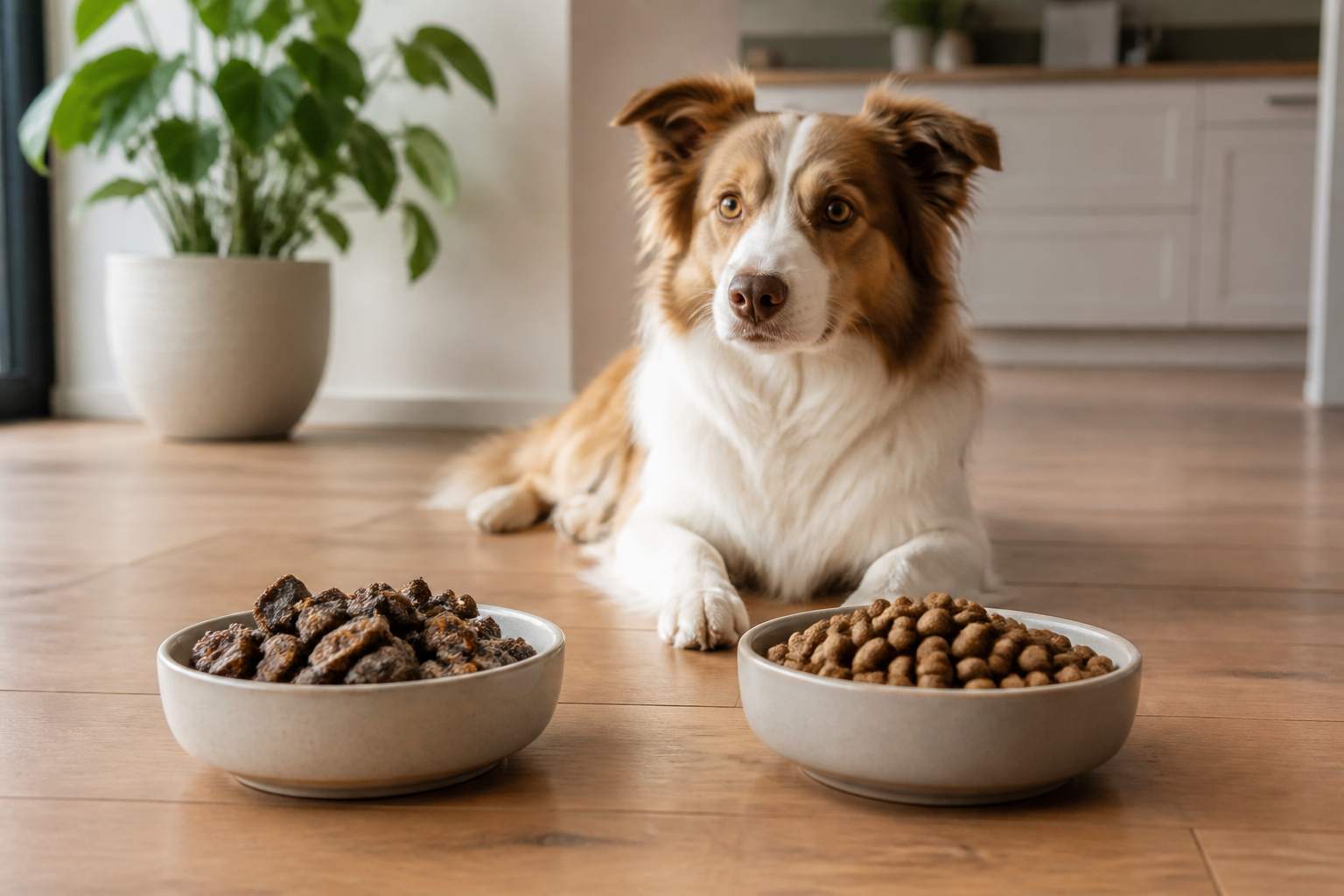
You are standing in the pet food aisle or scrolling through an online shop. You see two bags of dog food side by side. One is the familiar bag of crunchy kibble you have bought for years. The other is a smaller, more expensive bag labeled as air dried. It looks like jerky, smells like real meat, and promises superior nutrition. You might wonder if the price jump is actually worth it for your dog. At BaxterBoo, we hear this question frequently from pet owners who want to upgrade their dog’s bowl but feel overwhelmed by the options. This article will look at the science behind air drying, how it compares to the traditional extrusion process used for kibble, and which dogs benefit most from this nutrient-dense format. We want to help you decide if air dried food is the right choice for your dog’s health and your household budget.
What Exactly Is Air Dried Dog Food?
Air dried dog food is a relatively modern take on an ancient preservation method. Unlike kibble, which is cooked quickly at high temperatures, air dried food is made by placing raw ingredients into a drying chamber. Warm air circulates around the food for several hours. This slow process causes moisture to evaporate gently. It removes enough water to make the food shelf-stable without needing the intense heat of a traditional oven or an extruder.
The resulting texture is unique. It is not quite as hard as a biscuit, but it is not soft like wet food either. Most air dried foods have a pliable, jerky-like consistency. Because the moisture is removed so slowly, the ingredients do not break down in the same way they do during high-heat cooking. This allows the food to stay closer to its raw state while being much safer and easier to handle than a raw diet.
Quick Answer: Air dried dog food is a minimally processed, shelf-stable diet made by slowly evaporating moisture at low temperatures. It preserves more natural nutrients than kibble and offers a nutrient-dense, high-protein alternative that is easier to store than raw food.
The Science of the Crunch: How Kibble Is Made
To understand why many people consider air dried food better, you first have to look at how kibble is produced. Most dry dog foods are made through a process called extrusion. In this method, ingredients like meat meals, grains, and starches are mixed into a dough. This dough is then pushed through a machine called an extruder under immense pressure and very high heat.
This process is incredibly efficient. It allows manufacturers to produce massive amounts of food quickly and at a lower cost. However, high heat can be tough on sensitive nutrients. Vitamins, minerals, and essential fatty acids often degrade during the extrusion process. To make up for this loss, manufacturers usually have to spray synthetic vitamins and flavor enhancers back onto the kibble after it has been cooked.
Kibble also requires a significant amount of starch, such as corn, wheat, peas, or potatoes. This starch acts as a binder. Without it, the kibble would crumble and would not hold its familiar shape. While many dogs do fine with these carbohydrates, some owners prefer a diet with fewer fillers and more animal-based protein.
Comparing Nutrient Retention and Digestibility
One of the strongest arguments for air dried dog food is its nutrient profile. Because the air drying process uses gentle heat, the proteins and enzymes remain largely intact. For a dog, this means the food is often more bioavailable. Bioavailability refers to how easily your dog's body can absorb and use the nutrients in the food.
When proteins are subjected to extreme heat, their structure can change. This is called denaturation. While some denaturation is fine, air dried food keeps the protein structures closer to what a dog would find in nature. Many owners find that their dogs have smaller, firmer stools when eating air dried food. This is usually a sign that the dog is digesting more of the food and producing less waste.
Key Takeaway: Air dried food typically contains a higher percentage of meat and fewer carbohydrate fillers than kibble. This results in higher nutrient density and better digestibility for most dogs.
The Benefits of Air Dried Dog Food
If you are considering making the switch, there are several practical benefits to look at. These go beyond just the ingredient list.
- Palatability for Picky Eaters: Most air dried foods, like those from Ziwi Peak or Real Meat Co, have a very strong, natural meat aroma. For dogs that turn their noses up at dry kibble, the jerky-like texture and rich scent are often irresistible.
- Convenience and Storage: Unlike raw or fresh-frozen diets, air dried food does not require a freezer. It is shelf-stable and can be stored in its original bag in a cool, dry place. This makes it a great option for people who travel with their dogs or have limited kitchen space.
- Concentrated Nutrition: Because the water is removed, the calories and nutrients are highly concentrated. You generally feed much less air dried food than you would kibble. A small scoop of air dried food often has the same caloric value as a large bowl of kibble.
- Dental Health: The chewy, firm texture of air dried pieces can provide more mechanical cleaning for teeth than some types of kibble, which often shatter instantly upon contact with a tooth.
Using Air Dried Food as a Topper
You do not have to feed air dried food as a full meal to see the benefits. Many pet owners at BaxterBoo use it as a meal topper. By adding a handful of air dried morsels to a bowl of our dog food selection, you can boost the protein content and tempt a picky eater without the full cost of an air dried diet.
Potential Downsides to Consider
No dog food is perfect for every situation. There are a few reasons why air dried food might not be the right choice for every household.
The Cost Factor
The most obvious hurdle is the price. Air drying is a slow, small-batch process that uses high-quality meat. This makes the price per pound significantly higher than traditional kibble. While you do feed less by volume, the monthly cost of feeding a large breed dog exclusively air dried food can be substantial.
Moisture Content
Like kibble, air dried food is low in moisture. Most formulas contain around 10 percent to 14 percent water. If your dog does not drink much water on their own, a diet that is strictly dry could lead to dehydration or urinary issues.
Vet Tip: If you choose a dry or air dried diet, always ensure your dog has access to fresh, clean water. For dogs with a history of urinary stones or kidney issues, consult your veterinarian about whether a higher-moisture diet like wet food or a prescription formula is a safer choice.
Calorie Density and Weight Gain
Because air dried food is so concentrated, it is very easy to overfeed. A small mistake in measuring can lead to a significant excess of calories. If your dog is prone to weight gain, you must be extremely precise with your measuring scoop. Overweight dogs are at a higher risk for joint issues and heart disease.
Is Air Dried Food Safer Than Raw?
Many people view air dried food as a bridge between kibble and raw feeding. Raw diets carry a risk of bacterial contamination like Salmonella or E. coli. While the low heat of air drying does not sterilize the food in the same way high-heat cooking does, it does significantly reduce the risk of pathogens compared to completely raw meat.
Many brands also use a process called High Pressure Processing (HPP) or specific drying temperatures to ensure the food is safe for both the pet and the people handling it. It provides the nutritional benefits people seek in raw food but with the safety and shelf-stability of a dry product.
When Kibble Is the Better Choice
Kibble is not a bad food. In fact, for many dogs, it is the ideal choice. High-quality kibble from brands like NutriSource or Acana provides a complete and balanced diet that has been proven over decades.
Kibble is better if:
- You are on a budget: It is the most cost-effective way to provide balanced nutrition.
- You have a large dog: Feeding a 90 pound dog air dried food can be cost-prohibitive for many families.
- Your dog needs a specific prescription diet: Most prescription diets for conditions like kidney disease or severe allergies are formulated as kibble or wet food.
If your dog has a chronic health condition, you may need a specialized diet. Our pet pharmacy offers FDA-approved prescription pet foods through our partnership with Pet's Choice. These diets are specifically formulated to manage health issues and require a veterinarian's authorization to ensure they are the right fit for your dog's medical needs.
How to Choose a High-Quality Air Dried Food
If you decide to try air dried food, you should look for specific markers of quality on the label. Not all air dried foods are equal.
- AAFCO Statement: Ensure the bag says the food is "complete and balanced" for your dog’s life stage. Some air dried products are intended only for supplemental feeding or as treats.
- Named Proteins: Look for specific meats like "beef," "lamb," or "mackerel" as the first several ingredients. Avoid vague terms like "animal fat" or "meat by-products."
- Organ Meats: High-quality air dried foods often include heart, liver, and kidney. These are natural sources of vitamins and minerals that reduce the need for synthetic additives.
- Minimal Fillers: The best air dried foods avoid glycerin, which is sometimes used to keep the food soft but adds unnecessary sugar and calories.
| Feature | Kibble | Air Dried Dog Food |
|---|---|---|
| Processing | High-heat extrusion | Low-temperature air flow |
| Nutrient Retention | Moderate (requires synthetics) | High (naturally preserved) |
| Typical Protein Source | Meat meals and legumes | Real meat and organs |
| Shelf Life | Very long | Long (shelf-stable) |
| Cost | Budget-friendly to Mid-range | Premium |
Making the Transition
If you are moving from kibble to an air dried diet, do not do it overnight. A sudden change in protein density and fat content can cause an upset stomach or diarrhea. For additional guidance, see our article on how to transition your dog to a new food.
Step 1: Mix 25 percent air dried food with 75 percent of your dog's current kibble for three days. Step 2: If their stool remains firm, move to a 50/50 split for another three days. Step 3: Increase to 75 percent air dried food for the final three days. Step 4: Transition to 100 percent air dried food.
Observe your dog closely during this time. If you notice any vomiting or persistent soft stools, slow the transition down or consult your veterinarian. Every dog's microbiome is different, and some may take longer to adjust to a richer diet.
Special Considerations for Senior Dogs and Puppies
Life stage matters when choosing between these two formats. Puppies need very specific ratios of calcium and phosphorus for bone growth. If an air dried food is not specifically formulated for puppies, it could lead to developmental issues, especially in large breeds.
Senior dogs often benefit greatly from air dried food. As dogs age, their sense of smell can decline, making them less interested in dry kibble. The strong aroma of air dried meat can stimulate their appetite. Additionally, the softer, jerky-like texture is much easier on older teeth and gums that may be sensitive or missing.
Vet Tip: For senior dogs with declining kidney function, the high protein levels in some air dried foods might be too much. Always talk to your vet before switching an aging pet to a high-protein diet to ensure their kidneys can handle the phosphorus and protein load.
The Role of Supplements with Air Dried Food
While air dried food is nutrient-dense, some owners still choose to add supplements for specific health goals. Because these foods are high in protein but low in moisture, adding a splash of bone broth or a fish oil supplement can be beneficial. Fish oil provides omega fatty acids that support skin, coat, and joint health. If your dog is moving to an air dried diet to help with joint stiffness, you might also look into glucosamine and chondroitin supplements. We carry a wide variety of these wellness products to help round out your dog's nutritional plan.
Finding the Balance for Your Home
For many people, the best solution is a hybrid approach. You might feed kibble for breakfast and air dried food for dinner. Or you might use air dried nuggets as high-value training treats. This allows your dog to get the nutritional boost of minimally processed food without breaking your budget.
Air dried food is an excellent tool in the pet care toolbox. It offers many of the benefits of raw feeding with the convenience of a bag of kibble. Whether it is better for your dog specifically depends on their health, their taste preferences, and your lifestyle.
Bottom line: Air dried dog food offers superior nutrient preservation and palatability compared to most kibble, but its high cost and calorie density require careful management by the pet owner.
Conclusion
Deciding if air dried dog food is better than kibble comes down to your dog's unique needs and your own priorities as a pet parent. If you have a picky eater, a dog with a sensitive stomach, or a senior who needs a softer bite, air dried food can be a fantastic investment in their wellbeing. While kibble remains a reliable and affordable staple, the minimal processing of air dried options provides a level of nutritional integrity that is hard to match.
To get started with an air dried diet or to find the right kibble for your pup:
- Explore our expertly curated selection of dog food brands.
- Consider using air dried food as a topper to enhance your dog's current meals.
- Sign up for our Autoship programme to save on your favorite formulas and ensure you never run out.
- Talk to your vet if your dog has underlying health conditions that require a specific nutrient balance.
FAQ
Is air dried dog food better than kibble for dogs with allergies?
Air dried food can be very helpful for dogs with allergies because it often has a much shorter ingredient list and avoids common fillers like corn or soy. Many air dried brands focus on single-protein recipes, which makes it easier to avoid specific triggers. However, if your dog has a severe food allergy, you should still consult your vet about a prescription hydrolyzed protein diet from our pharmacy.
Do I need to add water to air dried dog food?
You do not have to add water, as air dried food is designed to be fed as a dry, shelf-stable product. However, adding a bit of warm water or low-sodium broth can help with hydration and make the food even more aromatic for picky eaters. This is especially useful for senior dogs or dogs who do not drink enough from their water bowl.
Why is air dried dog food so much more expensive than kibble?
The higher price reflects both the ingredients and the time-intensive manufacturing process. Air dried food uses high percentages of real meat rather than inexpensive plant-based fillers or meat meals. Additionally, the slow drying process takes much longer and requires more energy than the rapid extrusion used to make traditional kibble.
Can air dried dog food cause weight gain?
Yes, because it is extremely calorie-dense and nutrient-concentrated. Since the pieces are often small and the feeding portions are significantly smaller than kibble, it is very easy for owners to accidentally overfeed. To prevent obesity, you should always use a standard measuring cup and follow the feeding guidelines based on your dog's target weight rather than their current weight.






