
 Save 15% on your 1st Autoship learn more

 Email us
 Live Chat
 FAQs
FAQs





Introduction
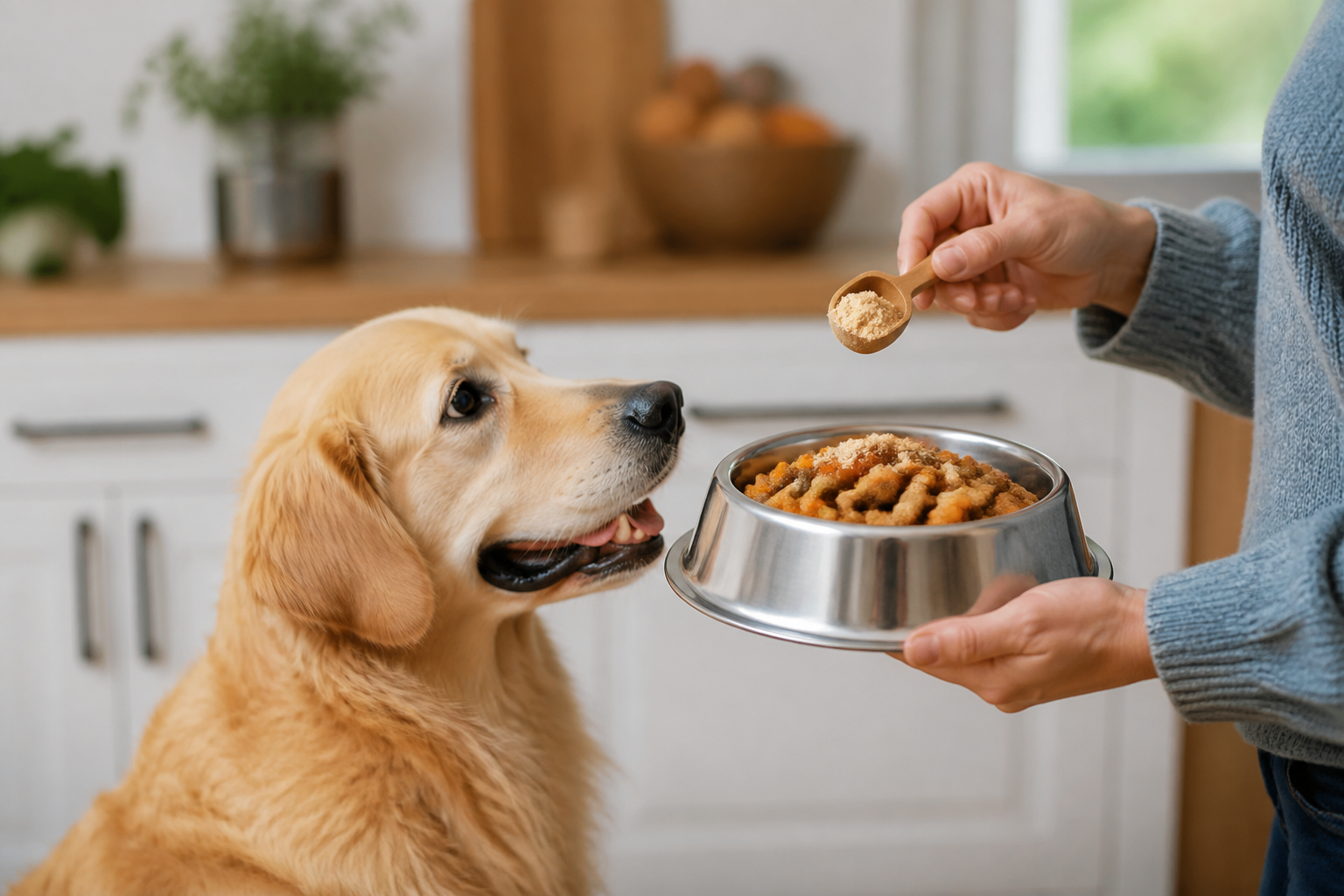
You are standing in the pet food aisle or scrolling through a product description online. You notice "brewers dried yeast" or "yeast culture" near the middle of the ingredient list. If you have heard rumors that yeast causes infections or bloating, you might feel a surge of worry. It is a common moment for many dedicated dog owners who want to ensure every bite in the bowl supports their pet's health. At BaxterBoo, we believe that understanding the science behind the label is the best way to provide that care. This article explains what dried yeast actually is and how it functions in your dog's body. We will also address the common myths surrounding this misunderstood ingredient. Dried yeast is generally a safe and highly nutritious addition to most canine diets.
Understanding Dried Yeast as a Pet Food Ingredient
Dried yeast used in dog food is almost always a form of Saccharomyces cerevisiae. This is a single-celled fungus that has played a role in human and animal nutrition for centuries. When you see it on a label, it is important to know that this yeast is "non-viable." This means the yeast cells are inactive or dead. They cannot ferment, grow, or expand inside your dog's stomach.
In the pet food industry, yeast is often a byproduct of the brewing or baking process. Manufacturers harvest the yeast after it has finished its work making beer or bread. They then dry and heat it to deactivate the cells. This process preserves the dense nutritional profile while making it safe for consumption. It is no longer a leavening agent. It is now a concentrated source of vitamins and proteins.
Quick Answer: No, dried yeast in dog food is not bad for most dogs. It is an inactive, nutrient-dense ingredient that provides essential B vitamins, minerals, and high-quality protein. It is only a concern for dogs with specific yeast allergies or certain metabolic conditions.
The Different Types of Yeast on Dog Food Labels
Not all yeast ingredients are exactly the same. Depending on how the yeast was grown and processed, it may appear under different names on your dog’s food bag. Knowing these terms helps you understand the specific benefits your dog is getting.
Brewers Dried Yeast
This is perhaps the most common type. It is the byproduct of beer brewing. It is exceptionally rich in B vitamins and minerals like chromium and selenium. Because it has a naturally bitter taste to humans, it is often treated to improve flavor for pets. Dogs generally find the savory, umami taste of brewers yeast very appealing.
Nutritional Yeast
Often called "primary dried yeast," this version is grown specifically for its nutritional content rather than as a byproduct. It is deactivated and has a nutty or cheesy flavor. It is a staple in many premium and holistic dog foods because it provides a consistent profile of amino acids and vitamins.
Yeast Extract and Hydrolyzed Yeast
These are more processed versions of yeast. To create yeast extract, the cell walls are broken down and removed. This leaves behind a concentrated mixture of proteins and flavor compounds. Hydrolyzed yeast goes a step further by using enzymes to break proteins into smaller pieces. These are often used as natural flavor enhancers to help picky eaters enjoy their meals.
Selenium Yeast
This is yeast that has been grown in a selenium-rich environment. The yeast absorbs the selenium and incorporates it into its own proteins. This makes the mineral much easier for your dog to digest and use compared to inorganic selenium supplements.
Nutritional Benefits of Yeast for Dogs
Yeast is often called a "superfood" in the context of pet nutrition. It packs a high concentration of nutrients into a very small volume. This makes it an efficient way for manufacturers to balance a recipe without adding bulk.
- B Vitamin Powerhouse: Yeast contains a nearly full spectrum of B vitamins, including B1 (thiamine), B2 (riboflavin), B3 (niacin), and B7 (biotin). These vitamins support everything from brain function to healthy skin.
- Essential Amino Acids: It is a high-quality protein source. It provides the building blocks for muscle repair, immune function, and coat growth.
- Mineral Content: It is naturally high in trace minerals like zinc, iron, and potassium. These are vital for enzyme function and heart health.
- Prebiotic Support: The cell walls of yeast contain mannan-oligosaccharides (MOS) and beta-glucans. These act as prebiotics that feed the beneficial bacteria in your dog's gut.
Key Takeaway: Dried yeast is primarily used as a functional ingredient that boosts the nutritional density and taste of dog food through high concentrations of B vitamins and amino acids.
Addressing the Most Common Concerns and Myths
There is a lot of conflicting information about yeast online. Much of the fear stems from confusing different types of yeast or applying human health concerns to dogs without context.
Does Yeast Cause Bloat?
This is a common fear. Bloat (GDV) is a life-threatening condition where the stomach twists. Some owners worry that yeast will "rise" in the stomach and cause gas buildup. However, the yeast in dog food is inactive. It cannot produce carbon dioxide or expand. Only raw, active bread dough poses a risk of fermentation in the stomach.
Does Yeast Cause Ear and Skin Infections?
Many owners assume that eating yeast will cause a yeast infection on the skin or in the ears. This is a misunderstanding of biology. The yeast species that cause infections in dogs is usually Malassezia. The yeast in food is Saccharomyces. Eating one does not cause an overgrowth of the other. Most chronic yeast infections are actually caused by underlying environmental or food allergies, not the yeast ingredient itself.
Is Yeast an Allergen?
While any protein can technically cause an allergy, yeast is not a common one. It is much less likely to trigger a reaction than beef, chicken, or dairy. If your dog is truly allergic to yeast, they will need a specialized diet. For these cases, we recommend consulting your veterinarian about prescription diets. Our pharmacy offers a variety of prescription pet foods to help manage confirmed allergies.
Vet Tip: If your dog has chronic itchy skin or frequent ear infections, do not assume yeast in the food is the culprit. Schedule a vet visit to identify the underlying cause, which is often an allergy to a different protein or an environmental trigger.
When Should You Avoid Yeast for Your Dog?
While yeast is beneficial for most, there are specific situations where you should be cautious. Like any ingredient, it is not a one-size-fits-all solution for every canine.
- Dogs with Purine Sensitivities: Yeast is high in purines. These compounds break down into uric acid. Certain breeds, like Dalmatians, are prone to forming urinary stones and may need a low-purine diet.
- Confirmed Yeast Allergies: If a veterinarian has performed an allergy test and confirmed a sensitivity to Saccharomyces, you must avoid all yeast products.
- Immune-Compromised Dogs: In very rare cases, dogs with severely weakened immune systems might struggle with even inactive yeast, though this is uncommon.
- History of Urinary Stones: If your dog has a history of ammonium urate stones, a low-protein and low-purine diet is usually necessary.
If your dog falls into one of these categories, reading labels becomes critical. Brands like Royal Canin or Farmina often offer specialized formulas for specific health needs. You can find these targeted options in our dog food collection.
Yeast as a Palatability Enhancer
One of the main reasons you see yeast in so many brands, including NutriSource or Stella and Chewy's, is flavor. Yeast provides a deep umami taste. This is the savory "fifth taste" that dogs naturally crave. It mimics the flavor of meat.
For senior dogs or those with a decreased appetite, yeast can be a life-saver. It makes the food smell and taste more enticing without the need for artificial flavorings or high amounts of salt. This is why yeast is also a frequent ingredient in high-quality treats from brands like RedBarn or Zesty Paws.
How Yeast Supports Skin and Coat Health
The high levels of biotin and other B vitamins in dried yeast play a direct role in how your dog looks. Biotin is essential for the production of keratin, which is the primary protein in hair and nails. Dogs getting adequate B vitamins from their diet often have:
- A noticeably shinier and softer coat.
- Stronger nails that are less prone to splitting.
- Less flakiness and dryness on the skin surface.
- Improved healing for minor skin irritations.
If you are looking to boost these results further, you might consider a supplement. Honest Paws and Cosequin offer various options that work alongside a balanced diet. You can also explore our dog skin and coat care selection.
Bottom line: Dried yeast is a natural, cost-effective way to support a dog's external appearance while providing internal health benefits.
How to Read Labels and Choose Quality Products
When you are browsing the selection at our store, look for transparency in labeling. A high-quality food will list its yeast source clearly. Avoid products that use vague terms like "dried fermentation solubles" without specifying the source if your dog has a sensitive stomach.
Check the placement of the yeast on the ingredient list. It is usually toward the middle or end. This indicates it is being used as a nutritional supplement or flavor enhancer rather than a primary protein source. This is exactly where it should be. Brands like Open Farm and Acana use these ingredients purposefully to round out the amino acid profile of their recipes.
Step 1: Check the specific name. / Look for "Brewers Dried Yeast" or "Nutritional Yeast" rather than vague terms.
Step 2: Note the position. / It should be a secondary ingredient, not the first or second item on the list.
Step 3: Research the brand. / Ensure the manufacturer uses high-quality, deactivated yeast from a trusted source.
Step 4: Monitor your pet. / Watch for any signs of digestive upset when transitioning to a new food with yeast.
For additional guidance on selecting pet supplements, read our guide to safe pet supplementation.
Managing Health Conditions with BaxterBoo
If you find that your dog needs a specialized diet or medication to handle skin issues that look like yeast infections, we are here to help. Sometimes, even the best food isn't enough to stop an itchy dog. In those cases, you may need FDA-approved medications.
Our pharmacy offers prescription flea and tick preventives, allergy medications, and prescription-only diets. These products are often necessary for managing the underlying causes of the symptoms people mistake for "yeast problems." By combining high-quality food from our warehouse with professional medical support, you can keep your dog comfortable and healthy.
For questions about adding nutritional support, you can also review how to choose between chews, powders, and oils.
Conclusion
Dried yeast is a valuable, safe, and efficient ingredient in the world of dog nutrition. It provides a massive boost of B vitamins, supports the immune system, and makes food taste great for your furry friend. While myths about bloat and infections persist, the science shows that deactivated yeast is a functional food that benefits the vast majority of dogs.
- Dried yeast is inactive and does not cause bloat.
- It is a dense source of B vitamins and minerals.
- Yeast infections are usually caused by a different species of fungus.
- Most dogs find the savory flavor of yeast highly palatable.
Key Takeaway: Unless your dog has a specific purine sensitivity or a confirmed allergy, dried yeast is a high-quality ingredient that supports overall wellness and vitality.
If you are ready to find a diet that meets your dog's unique needs, browse our full collection of dog food. You can also save on every order by joining the MVP Rewards programme or setting up our Autoship programme for your favorite brands.
FAQ
Does brewers yeast help keep fleas off my dog?
While many pet owners have used brewers yeast as a natural flea repellent for years, scientific evidence for this is limited. Some believe the sulfur compounds in yeast make the dog smell less attractive to pests, but it should not be your only line of defense. We recommend using FDA-approved flea and tick preventives from our flea and tick collection for reliable protection.
Can I give my dog human yeast supplements?
It is best to avoid giving your dog yeast supplements meant for humans. Human products may contain extra ingredients like xylitol or high levels of garlic that can be toxic to dogs. Always choose a pet-specific supplement or a dog food that already contains the correct, safe levels of dried yeast for their size.
Is yeast in dog food the same as the yeast that causes infections?
No, the yeast added to dog food is Saccharomyces cerevisiae, which is a nutritional fungus. The yeast that causes skin and ear infections is typically Malassezia pachydermatis. Eating nutritional yeast does not cause or worsen these types of fungal infections in healthy dogs. If your dog needs help with ear care, Nutri-Vet Ear Cleanse for Dogs is one available option.
Should I worry about "yeast culture" on a label?
Yeast culture is simply another term for a yeast-based ingredient that often includes the medium the yeast was grown on. It provides many of the same prebiotic benefits as dried yeast. As long as the yeast is deactivated, it is a safe and helpful addition to a balanced canine diet.






