
 Save 15% on your 1st Autoship learn more

 Email us
 Live Chat
 FAQs
FAQs





Introduction
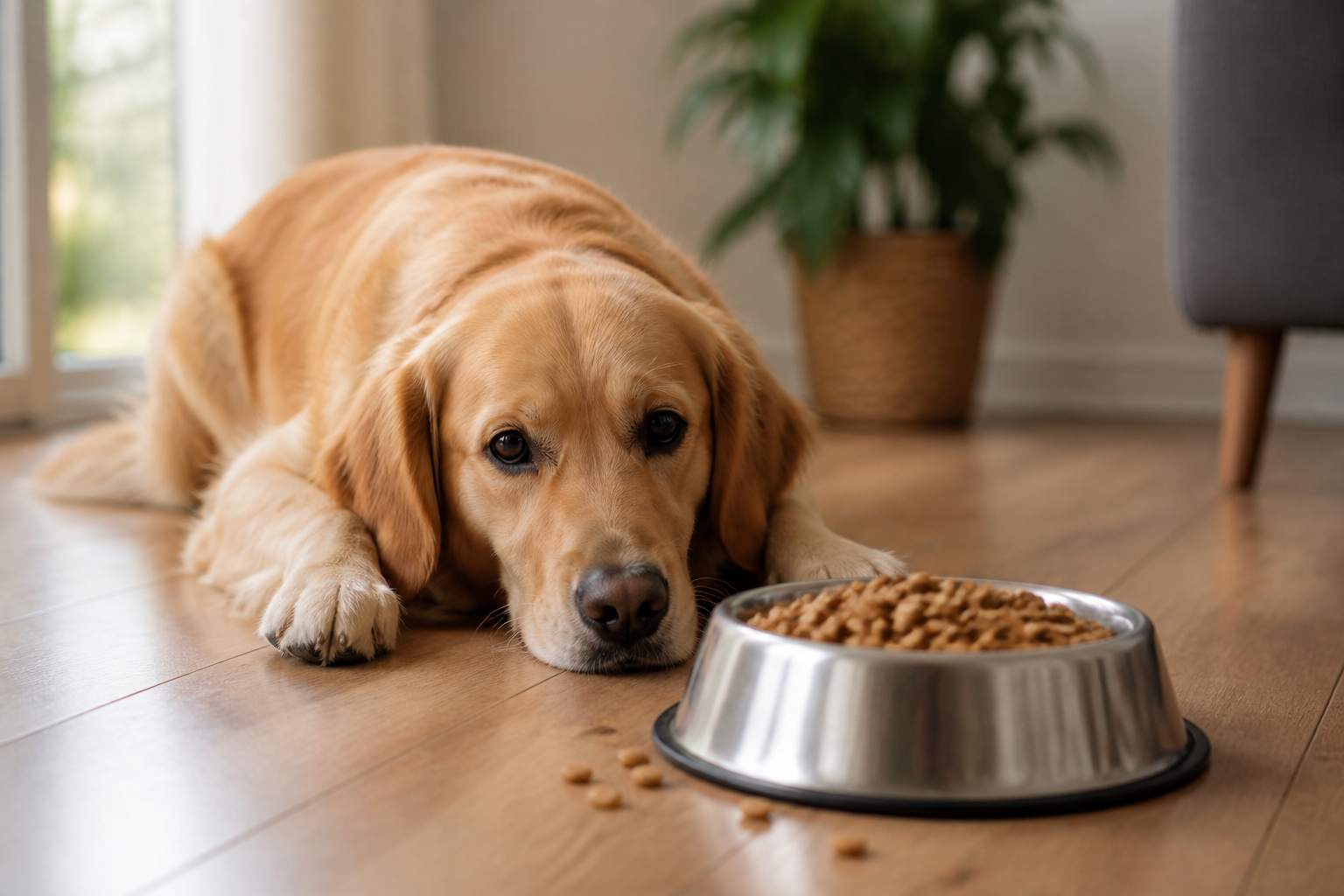
You walk into the kitchen to find the cat bowl licked clean and your dog wearing a guilty but very satisfied expression. Most multi-pet households have dealt with a dog who thinks the cat's dinner is a gourmet upgrade from their own kibble. It is a common scene because dogs find the high fat and protein content of cat food nearly irresistible. While a single stolen snack is rarely a medical emergency for a healthy dog, it often leads to questions about safety and long-term health. At BaxterBoo, we know that managing a household with both dogs and cats requires a bit of strategy to keep everyone eating the right things. This article explores why cat food is not a suitable substitute for dog food and the health risks associated with regular scavenging. We will also look at how to stop the habit and when you should contact your veterinarian.
Why Dogs Crave Cat Kibble
The reason your dog is so interested in the cat's bowl is simple: it smells and tastes better to them. Cat food is designed for obligate carnivores. This means cats must eat meat to survive. Because of this, cat food is much more concentrated in animal proteins and fats than dog food. These are the two things that appeal most to a dog's sense of smell and taste.
Dogs are omnivores. They can derive nutrition from a wide variety of sources, including grains, vegetables, and fruits. Their food reflects this balance. When a dog smells the high-meat content of a dry cat food, they see it as a high-value treat. It is basically the canine equivalent of a human choosing a cheeseburger over a salad.
Quick Answer: While a small amount of cat food is generally not toxic to dogs, it is not healthy as a regular diet. The high protein and fat levels can cause digestive upset, weight gain, and serious conditions like pancreatitis.
Biological Differences Between Dogs and Cats
To understand why cat food is not ideal for dogs, we have to look at how their bodies process nutrients. Cats have unique metabolic needs that dogs do not share. For example, cats cannot produce their own taurine. This is an essential amino acid for heart and eye health. Dog food usually does not have taurine added in high amounts because dogs can synthesize it themselves from other amino acids.
Cats also require much higher levels of Vitamin A and certain fatty acids like arachidonic acid. Dog food is formulated with the understanding that a dog's liver can convert beta-carotene into Vitamin A. Cats lack the enzyme to do this. If a dog eats cat food regularly, they are getting a massive dose of nutrients their body is already capable of managing on its own. This can lead to imbalances over time.
Nutrient Minimum Requirements (AAFCO Standards)
- Protein: Adult dogs require a minimum of 18 percent protein. Adult cats require at least 26 percent.
- Fat: Adult dogs need about 5.5 percent fat. Cats need at least 9 percent.
- Taurine: Dogs have no minimum requirement. Cats require at least 0.1 percent in dry food.
Key Takeaway: Dogs and cats have distinct nutritional requirements based on their biology as omnivores and carnivores. Feeding one the other’s food eventually leads to nutritional deficiencies or excesses.
Short-Term Risks: The Stolen Snack
If your dog just finished the cat’s leftovers, you might notice some immediate changes. For many dogs, the richness of cat food is a shock to the digestive system. This often results in "garbage gut," a general term for gastrointestinal upset caused by eating something outside of the normal diet.
Common short-term symptoms include:
- Loose stools or diarrhea
- Mild vomiting
- Abdominal gas or bloating
- Excessive thirst due to higher sodium levels
If the dog is young, healthy, and only ate a small amount, these symptoms usually pass within 24 hours. However, for dogs with sensitive stomachs, even a few kibbles can cause significant discomfort.
Long-Term Health Consequences
The real danger of cat food for dogs lies in consistent consumption. If a dog is allowed to eat cat food as a meal replacement or a frequent snack, several serious health issues can develop.
Pancreatitis
This is perhaps the most immediate serious risk. Pancreatitis is an inflammation of the pancreas that occurs when the organ becomes overworked by processing high levels of fat. Because cat food is significantly fattier than dog food, it can trigger a sudden and painful attack. Symptoms include severe vomiting, a "hunched" posture, and lethargy. This is a medical emergency that requires a vet visit.
Obesity and Weight Gain
The caloric density of cat food is much higher than dog food. A dog eating cat food is consuming far more calories per cup than they would with their own kibble. This quickly leads to weight gain. Obesity in dogs puts extra strain on joints and increases the risk of heart disease and diabetes.
Kidney and Liver Strain
The high protein levels in cat food are not just "extra energy." The liver and kidneys must process the waste products of that protein. For older dogs or those with undiagnosed early-stage kidney disease, this extra workload can accelerate organ decline. If you want to review related supplies, browse our dog healthcare category.
Vet Tip: If your dog has a history of kidney issues, liver disease, or pancreatitis, even a small amount of cat food is a reason to call your vet. They may need to monitor your dog's blood values or suggest a bland diet to prevent a flare-up.
When Cat Food Becomes a Toxicity Concern
While cat food itself is not "toxic" in the way chocolate or grapes are, certain formulations might contain ingredients that are problematic. For example, some cat foods use high levels of Vitamin D. While safe for cats, excessive Vitamin D can be toxic to dogs over time. It can lead to calcium buildup in the soft tissues and kidneys.
There is also the risk of Vitamin A toxicity. Because cat food is supplemented with pre-formed Vitamin A, a dog eating it daily could reach levels that cause joint pain, skin dryness, and even bone spurs.
Special Considerations for Specific Dogs
Not every dog reacts to cat food the same way. The size and health status of the dog play a major role in how "bad" the cat food actually is.
Small Breeds
Small dogs are much more susceptible to pancreatitis. A single bowl of cat food represents a huge percentage of their daily caloric and fat intake. For a five-pound Chihuahua, a handful of cat kibble is a massive dietary indiscretion.
Senior Dogs
Older dogs often have slower metabolisms and more fragile organs. They do not need the high protein and fat found in cat food. Furthermore, many senior dogs have early-stage kidney or heart issues that could be worsened by the high sodium and protein levels.
Puppies
Puppies need a very specific balance of calcium and phosphorus for bone growth. Cat food does not meet these ratios. Feeding a growing puppy cat food can lead to permanent skeletal deformities. For age-appropriate options, explore our puppy food selection.
How to Stop the Scavenging
If your dog has developed a taste for the cat's bowl, you need a plan to manage the household. Simply telling the dog "no" is rarely enough when the temptation is so smelly and delicious.
Step 1: Change the feeding location. / Move the cat's bowl to an elevated surface like a counter, a sturdy cat tree, or a dedicated feeding shelf. Most dogs cannot reach these high spots.
Step 2: Use physical barriers. / Install a pet gate with a small "cat door" built in. This allows the cat to enter a laundry room or spare room to eat while keeping the dog out. RC Pets makes several options that work well for this.
Step 3: Invest in technology. / Consider a microchip-activated feeder. These bowls only open when they detect the specific microchip or collar tag of your cat. This is the most effective way to ensure the dog never gets a single bite.
Step 4: Stick to a schedule. / Avoid "free feeding" the cat. Set specific meal times and pick up the bowl as soon as the cat is finished. This removes the opportunity for the dog to clean up the leftovers.
Choosing the Right Dog Food
Sometimes a dog fixates on cat food because they are not satisfied with their own diet. At BaxterBoo, we recommend looking for a high-quality dog food that mimics the high-protein aroma of cat food but maintains the correct nutritional balance for a canine. You can compare recipes in our dog food category.
Brands like Farmina and NutriSource offer grain-free or high-protein options that satisfy a dog's "meat tooth" without the risks of feeding a feline diet. If your dog is currently on a low-quality kibble with a lot of fillers, they might be instinctively seeking out the denser nutrition in the cat's bowl. Switching to a premium brand can often reduce their interest in scavenging.
Key Takeaway: Upgrading your dog's food to a high-protein, meat-first recipe can help satisfy your cravings for the cat's kibble while keeping them healthy.
Transitioning a Dog Back to Their Own Food
If your dog has been eating cat food for a while, you cannot simply swap it back to dog food overnight. This will likely cause a massive stomach upset. You should treat it like any other food transition. For additional guidance, read how to help your dog eat dry food.
- Days 1-2: 75 percent cat food mixed with 25 percent dog food.
- Days 3-4: A 50/50 split.
- Days 5-6: 25 percent cat food and 75 percent dog food.
- Day 7: 100 percent dog food.
During this week, watch for signs of lethargy or vomiting. If your dog refuses their own food, try adding a small amount of warm water or a high-quality wet dog food topper to increase the aroma.
The Role of the Pharmacy in Dietary Management
Sometimes, a dog's obsession with cat food leads to real medical problems. If your dog has developed weight issues or chronic digestive problems from their cat food habit, they may need a prescription diet. Our pet pharmacy carries FDA-approved prescription pet foods through our partnership with Pet's Choice.
These specialized diets, like those from Royal Canin or Farmina Vet Life, are formulated to manage specific conditions like obesity, kidney disease, or sensitive stomachs. If your vet prescribes a therapeutic diet to help your dog recover from a bout of pancreatitis or to manage weight loss, you can fulfill that prescription directly through us. We also offer medications for nausea or digestive support that may be needed during the recovery phase.
Bottom line: While a stolen bite of cat food is usually fine, regular consumption is a shortcut to long-term health complications that may require veterinary intervention.
Monitoring Your Dog's Health
Keep a close eye on your dog's body condition. You should be able to feel their ribs without a thick layer of fat over them, and they should have a visible waist when viewed from above. If the "cat food habit" has caused them to lose this shape, it is time for a change.
Watch for changes in energy levels. A dog who is eating too much fat may become lethargic. Conversely, some dogs might become hyperactive or "food obsessed" if the high-calorie cat food is causing blood sugar spikes. Consistent behavior and a steady weight are the best indicators that your dog is on the right nutritional path.
The Exceptions: When Cat Food is Okay
There are very rare instances where a vet might actually suggest a bit of cat food for a dog. This is usually restricted to dogs who are terminally ill, battling cancer, or suffering from extreme muscle wasting and refusal to eat. In these cases, the goal is simply to get calories into the dog by any means necessary.
However, this is a strictly medical decision. Never use cat food as a meal topper or "appetite stimulant" for a healthy dog without professional advice. It often backfires by making the dog a pickier eater who refuses their own balanced food in hopes of getting more of the fatty cat kibble.
Summary of Best Practices
- Keep cat food bowls out of reach by using heights or gates.
- Never use cat food as a primary meal for any dog.
- Monitor for signs of pancreatitis if your dog eats a large amount of cat food.
- Provide a high-quality dog food to satisfy your dog's nutritional needs.
- Consult your veterinarian if your dog shows signs of chronic digestive upset.
FAQ
Can my dog die from eating dry cat food?
While it is very unlikely for a dog to die from a single incident of eating cat food, it is possible for complications to be fatal. A severe case of pancreatitis caused by high fat intake can be life-threatening if not treated immediately by a veterinarian. Chronic consumption can also lead to obesity and organ failure, which shortens a dog's lifespan.
My dog ate a whole bowl of cat food, what should I do?
If your dog is healthy, the first step is to monitor them for vomiting or diarrhea. You may want to skip their next scheduled meal to give their digestive system time to process the heavy load of protein and fat. If they appear lethargic, have a painful abdomen, or cannot stop vomiting, you should contact your vet immediately.
Why does my dog prefer cat food over their own?
Cat food contains higher levels of meat protein and animal fat, which creates a much stronger and more appealing aroma than standard dog food. To a dog, cat food tastes like a concentrated treat. If your dog is consistently choosing the cat's bowl, they may be craving a higher-quality, meat-focused dog food.
Can I use cat food as a high-value training treat for my dog?
It is not recommended. While a few kibbles won't hurt most dogs, it can lead to "counter surfing" and increased scavenging of the cat's bowl. It is better to use high-quality dog treats that are formulated for canine digestion. Using cat food as a treat can also be dangerous for dogs with underlying conditions like kidney disease or a history of pancreatitis.






