
 Save 15% on your 1st Autoship learn more

 Email us
 Live Chat
 FAQs
FAQs





Introduction
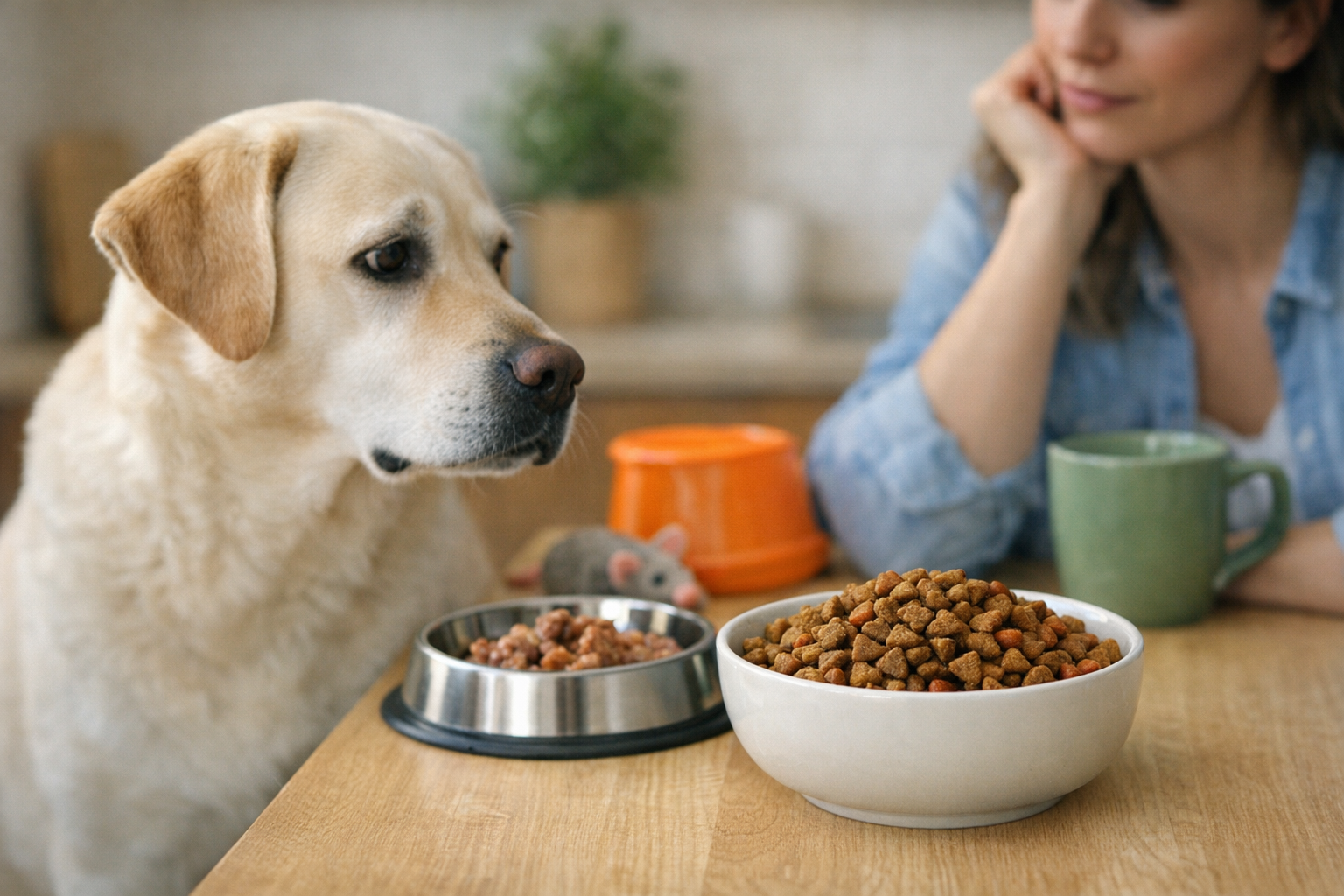
You might have just walked into the kitchen to find your dog with their head buried in the cat's bowl. They look up with a guilty but satisfied expression. It is a common scene in many American homes where pets share a space. While an occasional stolen snack might seem harmless, it leads to a very important question. Is dry cat food bad for dogs? At BaxterBoo, we know how much you care about keeping every member of your pet family healthy and happy. This post explores the nutritional differences between these foods and the potential health risks of a dog eating cat kibble. We will also provide practical tips for keeping your dog out of the feline stash. While a single bite is rarely a crisis, regular consumption of cat food can lead to significant health issues for your dog.
The Biological Foundation of Pet Nutrition
The main reason cat food is not suitable for dogs is rooted in biology. Cats and dogs have evolved to process nutrients in very different ways. Cats are obligate carnivores. This means they must eat animal tissue to survive. Their bodies require specific nutrients that are only found in meat. Dogs are classified as omnivores. They have more flexibility in their diet. A dog can get nutrients from animal sources and plant based ingredients.
Because of these biological differences, the manufacturers of high quality brands like Farmina and Royal Canin formulate their recipes differently. Cat food is designed to be much denser in protein and fat. It is crafted to satisfy the intense metabolic needs of a feline. When a dog eats this food, they are consuming a nutritional profile that their body is not built to handle on a daily basis.
Quick Answer: A small amount of cat food is generally not toxic to dogs. However, regular consumption can cause obesity, pancreatitis, and gastrointestinal distress. It is always best to keep your dog on a diet specifically formulated for their needs as an omnivore.
The Major Nutritional Differences
When you look at a bag of dry cat food, you are seeing a concentrated source of energy. The Association of American Feed Control Officials (AAFCO) sets different standards for each species. These standards ensure that the food meets the basic health requirements for that specific animal.
Protein and Fat Levels
Cat food typically contains much higher levels of protein and fat than dog food. The minimum protein requirement for adult cats is 26 percent. For dogs, that minimum is only 18 percent. Fat levels follow a similar pattern. Cat food usually starts at a minimum of 9 percent fat. Dog food can be as low as 5.5 percent. While protein is good for dogs, too much of it can put a strain on their system. The high fat content is often the most immediate concern for a dog's digestion.
Essential Amino Acids and Taurine
Taurine is an amino acid that is critical for cat health. Cats cannot produce enough of it on their own. Without it, they can suffer from heart failure and blindness. Most cat foods are heavily supplemented with taurine to meet this need. Dogs can generally synthesize their own taurine. While extra taurine is not necessarily harmful to dogs, the balance of other amino acids like methionine and arginine is specifically tuned for feline biology.
Vitamin A and Arachidonic Acid
Cats cannot convert beta carotene into Vitamin A the way dogs can. Therefore, cat food contains preformed Vitamin A. If a dog eats too much cat food over a long period, they could potentially ingest levels of Vitamin A that are too high for their system. Cats also require arachidonic acid, which is a fatty acid found in animal fats. Dogs can produce this themselves. Feeding a dog cat food means giving them nutrients they already produce, which can throw off their natural internal balance.
Immediate Risks of Eating Cat Food
If your dog gets into the cat food once, the most likely outcome is an upset stomach. However, the severity depends on the size of the dog and how much they ate. A small dog eating a large bowl of cat kibble is at a much higher risk than a large dog eating a few morsels.
Gastrointestinal Distress
The high fat content in cat food is very rich. For a dog used to a balanced dog diet, this sudden influx of fat can lead to vomiting or diarrhea. You might notice your dog acting lethargic or showing signs of abdominal pain. Their stomach might feel tight or look bloated. In most cases, these symptoms pass within twenty four hours.
The Danger of Pancreatitis
Pancreatitis is a serious condition where the pancreas becomes inflamed. This often happens when a dog eats a meal that is extremely high in fat. Because cat food is so fatty, it can trigger an acute bout of pancreatitis. This is a painful and potentially life threatening condition. Symptoms include repeated vomiting, a hunched back, and severe abdominal pain.
Vet Tip: If your dog shows signs of severe abdominal pain or persistent vomiting after eating cat food, contact your veterinarian immediately. Our pharmacy offers FDA approved medications for managing chronic conditions and recovery through our partnership with Pet's Choice, but a professional diagnosis is the first step.
Long Term Health Complications
The real danger of cat food for dogs lies in long term habits. Some owners use cat food as a meal topper or a treat because dogs find it so tasty. This practice can lead to several chronic health problems.
Obesity and Weight Gain
Because cat food is so calorie dense, it is very easy for a dog to overeat. A small handful of cat kibble has many more calories than the same amount of dog kibble. Regular consumption almost always leads to unhealthy weight gain. Obesity in dogs puts extra stress on the joints and can lead to mobility issues later in life. It also increases the risk of heart disease and diabetes.
Kidney and Liver Strain
High protein diets are not suitable for all dogs. This is especially true for senior dogs or those with underlying kidney or liver issues. Processing excessive amounts of protein creates waste products that the kidneys must filter. Over time, a diet of cat food can exacerbate existing organ problems. If your dog has a history of health issues, keeping them away from the cat's bowl is a top priority.
Nutritional Imbalances
Dog food is formulated with a specific ratio of fiber, vitamins, and minerals. Cat food lacks the fiber levels that many dogs need for healthy digestion. It also lacks the specific balance of carbohydrates that provide steady energy for an omnivore. Over months or years, a dog eating primarily cat food will likely develop deficiencies or toxicities that affect their coat, skin, and energy levels.
Why Dogs Crave Cat Food
It is no secret that dogs love cat food. Many owners struggle to keep their dogs away from the feline feeding station. The reason is simple. Fat and protein are highly palatable. Cat food is designed to be very smelly and tasty to entice picky cats. To a dog, cat kibble smells like a high value treat. It is essentially the "junk food" of the pet world for a canine. The crunchy texture and intense meaty flavor are hard for most dogs to resist.
Practical Strategies for Separation
Managing a multi pet household requires a bit of strategy. You want to make sure your cat feels safe while eating and your dog stays away from the wrong food. There are several effective ways to achieve this.
Use the High Ground
Cats are natural climbers. Dogs are generally not. One of the easiest solutions is to move the cat's food bowl to a counter, a sturdy shelf, or the top of a tall cat tree. This allows the cat to eat in peace. It also keeps the food completely out of the dog's reach. Just make sure your cat is physically able to jump to the new location safely.
The Door Prop Method
A door prop is a simple tool that holds a door open just wide enough for a cat to pass through. It prevents the door from opening wide enough for a medium or large dog. This allows you to keep the cat's food in a specific room, like a laundry room or a spare bathroom, where the dog cannot follow.
Technology and Microchip Feeders
If you have a dog that is the same size as your cat, physical barriers might not work. In these cases, a microchip feeder is a great investment. These feeders only open when they detect a specific pet's microchip or an RFID collar tag. When the cat approaches, the lid opens. When the dog approaches, the lid stays shut. This is the most reliable way to ensure each pet eats only their designated food.
Scheduled Feedings
Free feeding is the practice of leaving food out all day. This is very difficult to manage in a multi pet home. Switching to scheduled feedings can solve the problem. Feed your pets at the same time but in different rooms. Close the door or use a baby gate to separate them. Once the meal is over, pick up any leftover cat food. This removes the temptation for the dog to scavenge later in the day.
Key Takeaway: Separation is the best prevention. Using vertical space or technology like microchip feeders ensures that your dog stays on their own diet and your cat gets the nutrients they need without competition.
Steps for Transitioning and Recovery
If you have been feeding your dog cat food as a treat or a main meal, you need to make a change. It is important to do this carefully to avoid further stomach upset.
Step 1: Consult your veterinarian. / Ask for a health check to ensure the cat food has not caused any underlying issues like high liver enzymes or kidney strain.
Step 2: Start a gradual transition. / Mix a small amount of high quality dog food into the cat food. Slowly increase the dog food portion over seven to ten days.
Step 3: Choose a high quality dog food. / Select a brand like NutriSource or The Honest Kitchen that offers great palatability to help your dog forget the cat food.
Step 4: Monitor for symptoms. / Watch for changes in appetite or bowel movements during the transition. If your dog refuses to eat the new food, speak to your vet about an appetite stimulant or a different flavor profile.
Managing a Dog with a Sensitive Stomach
Some dogs are naturally more sensitive to dietary changes. If your dog has a history of digestive issues, even a few pieces of stolen cat food can cause trouble. We carry a variety of supplements and specialty foods at BaxterBoo to support digestive health. Brands like Zesty Paws or Honest Paws offer probiotics that can help balance a dog's gut flora.
If your dog manages to eat a significant amount of cat food and becomes ill, your vet may recommend a prescription diet. These diets are specifically formulated to be easy on the digestive system during recovery. Our pharmacy can help fulfill these prescription needs through our partnership with Pet's Choice. Having access to these specialized foods and medications ensures your dog gets back on their feet quickly.
When to Seek Veterinary Care
Most cases of a dog eating cat food do not require an emergency vet visit. However, you should be able to recognize when the situation is serious. If your dog consumes a large amount of cat food, monitor them closely for the next forty eight hours.
Seek immediate care if you notice:
- Continuous vomiting that does not stop after a few hours
- Severe, bloody diarrhea
- A bloated or distended abdomen that is painful to the touch
- Extreme lethargy or a refusal to move
- Yellowing of the eyes or gums (jaundice)
These symptoms can indicate pancreatitis or other internal distress. A quick response is vital for a positive outcome. Your vet can provide fluids and medication to manage the inflammation and pain.
The Role of High Quality Dog Food
The best way to stop a dog from wanting cat food is to provide a satisfying dog food. If your dog is getting all the nutrients and calories they need from a delicious source, they may be less likely to scavenge. High quality dog foods use real meat as the first ingredient and avoid unnecessary fillers. This makes the food more appealing to a dog's natural instincts.
We offer over 500 trusted brands to help you find the perfect match for your pet. From grain free options to limited ingredient diets, there is a food for every need. If your dog is a "picky eater" who only wants the cat's food, try switching to a wet dog food or adding a topper like The Honest Kitchen. These add moisture and intense flavor that can compete with the smell of cat kibble.
Bottom line: While cat food tastes great to dogs, it lacks the balanced nutrition they need and poses risks like obesity and pancreatitis.
Summary of Action Steps
Keeping your dog healthy involves more than just picking the right bag of kibble. it involves managing the environment of your home. If you have both cats and dogs, take these steps to ensure everyone stays in their own lane when it comes to dinner time.
- Evaluate your current feeding setup and identify where the dog has access to cat food.
- Move the cat's food to a higher location or a restricted room.
- Switch from free feeding to scheduled meal times.
- Monitor your dog's weight and digestive health regularly.
- Consult your vet if your dog frequently steals cat food or shows signs of illness.
At BaxterBoo, we have been helping pet owners since 2006 with expertly curated products. Our team understands the challenges of multi pet homes. Whether you need a tall cat tree to move the food out of reach or a specialized supplement for a sensitive stomach, we are here to support you. You can also take advantage of our MVP Rewards programme to earn back on every purchase. If your dog has chronic health needs due to dietary issues, our pharmacy partnership with Pet's Choice provides easy access to the medications they need.
FAQ
Can a dog eat cat food for one day if I run out of dog food?
Yes, a healthy adult dog can typically eat a meal or two of cat food if you are in a pinch. It is not toxic, but it is very rich, so you should monitor them for any signs of an upset stomach or diarrhea. Once you get more dog food, transition them back immediately to avoid long term nutritional imbalances.
Why does my dog prefer cat food over their own dog food?
Dogs are attracted to the high fat and protein content in cat food, which makes it smell and taste more like a treat than a standard meal. Cat food is also designed with high palatability to satisfy feline preferences, and dogs find that intense meaty aroma very enticing. If your dog is refusing their own food, they may be holding out for the "better" smelling option in the cat's bowl.
Can eating cat food cause pancreatitis in dogs?
Yes, cat food is significantly higher in fat than dog food, and a sudden high fat meal can trigger an acute bout of pancreatitis. This condition involves the inflammation of the pancreas and can be very painful and dangerous for dogs. If your dog has a history of a sensitive stomach or is prone to weight issues, even a small amount of cat food can be a risk factor for this condition.
Is wet cat food worse for dogs than dry cat food?
Both wet and dry cat foods are formulated for felines and present similar nutritional risks for dogs, such as excessive protein and fat. However, wet cat food is often even more calorie dense and aromatic, which might make a dog more desperate to steal it. The high moisture content in wet food is generally fine, but the underlying nutritional profile remains unsuitable for a dog's long term health.






