
 Save 15% on your 1st Autoship learn more

 Email us
 Live Chat
 FAQs
FAQs





Introduction
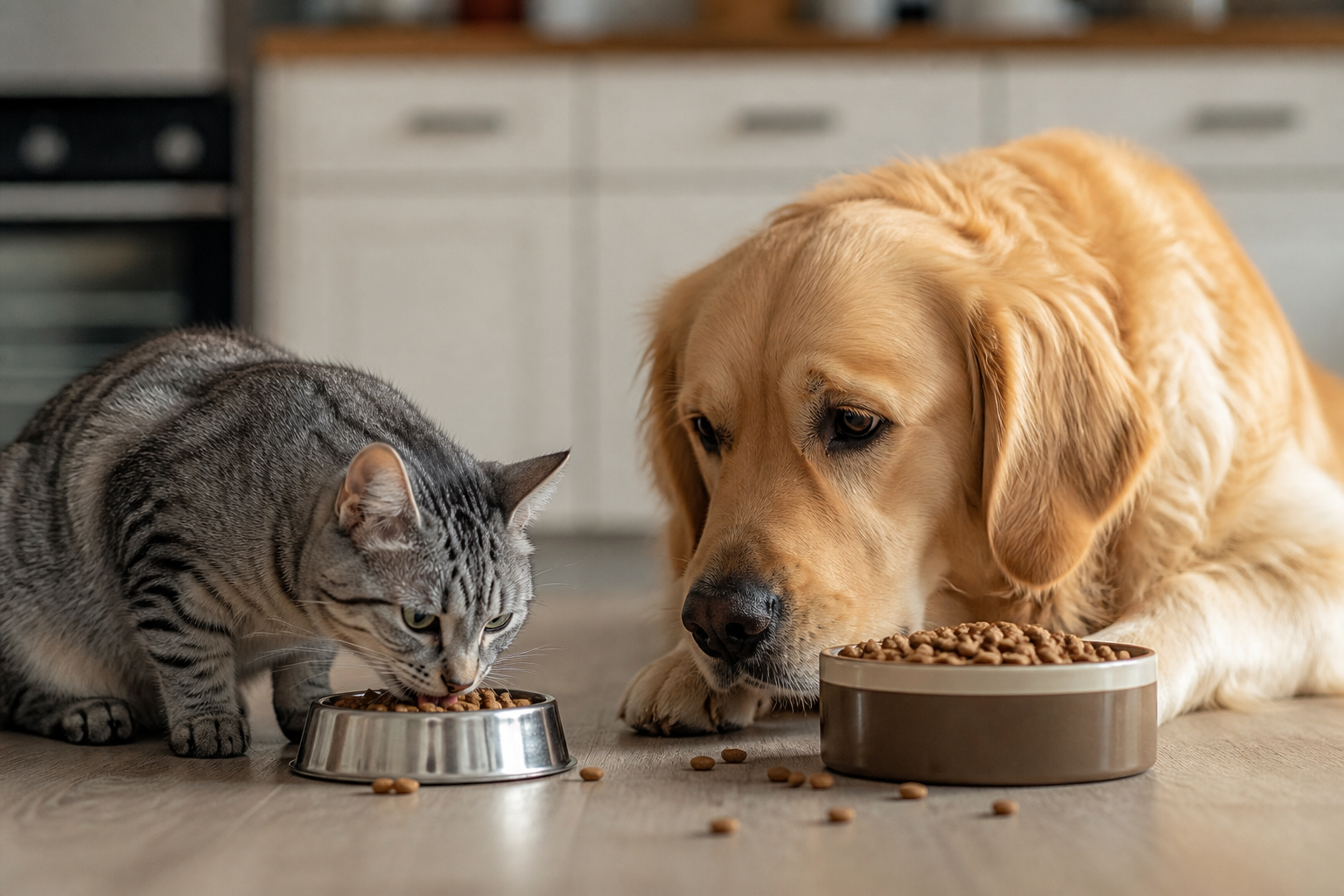
You hear a rhythmic crunching sound coming from the laundry room. By the time you get there, your dog is licking the bottom of the cat's bowl with a satisfied look. It is a scene played out in millions of American homes every day. While a few stolen bites usually result in nothing more than a guilty look, feeding cat food consistently can lead to real health issues for your canine companion. At BaxterBoo, we understand the challenge of managing a multi-pet household where everyone wants what is in the other bowl. This article looks at the nutritional differences between the species, the risks of feeding cat kibble to dogs, and how to keep your dog out of the cat's dinner. Understanding these risks helps you provide the best care for every member of your furry family.
Quick Answer: While a few bites of dry cat food are generally not toxic, it is not a safe long-term diet for dogs. The high protein and fat content can cause weight gain, digestive upset, or even serious conditions like pancreatitis in sensitive dogs.
Why Dogs Find Cat Food Irresistible
If you have ever wondered why your dog treats the cat's bowl like a five star restaurant, the answer is simple. Cat food is designed for obligate carnivores. This means it is packed with high levels of animal protein and fat to satisfy a cat's biological needs. To a dog, this makes the kibble smell and taste much richer than their own balanced meals.
Dogs are opportunistic scavengers. In the wild, they would eat almost anything they could find. The intense aroma of cat food triggers their natural instinct to eat calorie-dense food. While your dog might think they have hit the jackpot, their digestive system is not built to handle that specific balance of nutrients on a regular basis.
Nutritional Differences: Dogs vs. Cats
Dogs and cats have very different biological requirements. Dogs are omnivores. This means they can thrive on a diet that includes a mix of animal proteins, healthy fats, and plant-based ingredients like grains or vegetables. Cats are obligate carnivores. They must have meat to survive because their bodies cannot produce certain essential nutrients on their own.
Commercial pet foods are formulated to meet standards set by the Association of American Feed Control Officials (AAFCO). The requirements for a "complete and balanced" meal vary significantly between the two species.
| Nutrient | AAFCO Minimum for Adult Dogs | AAFCO Minimum for Adult Cats |
|---|---|---|
| Protein | 18% | 26% |
| Fat | 5.5% | 9% |
| Taurine | Not Required | 0.1% (Dry) |
| Vitamin A | 5,000 IU/kg | 3,332 IU/kg |
The Protein and Fat Gap
Cat food typically contains much higher concentrations of protein and fat than dog food. While protein is vital for dogs, an excess of it is often unnecessary for a healthy adult dog. The real concern is the fat. Many dry cat foods contain double or triple the fat content found in standard dog kibble. This high caloric density is why dogs find it so tasty, but it is also why it can be dangerous.
Essential Amino Acids and Vitamins
Cats require specific nutrients like taurine and arachidonic acid in their diet because they cannot synthesize them. Most dogs can produce these on their own. Additionally, cat food often has higher levels of Vitamin A. While cats handle these levels well, a dog that eats cat food exclusively could eventually face Vitamin A toxicity. This can lead to joint pain, brittle bones, and skin problems.
Key Takeaway: Cat food is a concentrated source of protein and fat that lacks the fiber and carbohydrate balance a dog needs for long-term health.
Is Dry Cat Food Harmful? The Immediate Risks
If your dog sneaks a few pieces of kibble, you probably do not need to rush to the emergency room. Most healthy adult dogs will be fine after a small amount. However, there are immediate risks for dogs with sensitive stomachs or those who consume a large volume at once.
Gastrointestinal Upset
The most common result of a dog raiding the cat's bowl is an upset tummy. Because the food is so rich, it can lead to vomiting or diarrhea. This is often the body's way of reacting to a sudden change in diet or a "fat bomb" that the pancreas was not prepared to process.
The Danger of Pancreatitis
Pancreatitis is a serious inflammation of the pancreas. It often occurs when a dog eats something very high in fat. The pancreas becomes overstimulated and begins to digest itself. Symptoms include severe abdominal pain, a "praying" posture (front legs down, rear end up), repeated vomiting, and lethargy. This is a medical emergency that requires immediate veterinary attention.
Vet Tip: If your dog has a history of pancreatitis or a sensitive stomach, even a small amount of cat food can be dangerous. Always monitor your pet for signs of distress after they eat something outside their normal diet and consult your vet if vomiting persists.
Long-Term Health Consequences
The problems really start to stack up when cat food becomes a regular part of a dog's diet. It is not just about a one-time stomach ache. Over months or years, the nutritional imbalance can lead to chronic health conditions.
Weight Gain and Obesity
Because cat food is so calorie-dense, dogs who eat it regularly tend to pack on the pounds quickly. Obesity in dogs is linked to a shorter lifespan and a higher risk of other diseases. This includes heart disease, respiratory issues, and increased pressure on the joints. If you have a senior dog or a breed prone to hip dysplasia, those extra pounds can significantly impact their quality of life.
Kidney and Liver Strain
High levels of protein and phosphorus can be hard on a dog's kidneys and liver over time. For a healthy puppy, this might not be an immediate issue. However, for an older dog or one with undiagnosed underlying health concerns, the extra work required to process these nutrients can accelerate organ decline.
When Cat Food Becomes a Medical Necessity
There are rare instances where a veterinarian might actually recommend a high-protein, high-calorie diet for a dog. This usually happens when a dog is recovering from a severe illness, struggling with a lack of appetite, or fighting cancer. In these cases, the nutrient density of cat food can be a tool.
However, this should only ever be done under strict veterinary supervision. If your dog has specific health needs like weight management or kidney support, we provide access to professional resources. Through our partnership with Pet's Choice, our pet pharmacy offers a wide range of FDA-approved medications and prescription diets. If your vet prescribes a specific therapeutic food to manage your dog's health, you can fulfill those needs through our pharmacy services.
Key Takeaway: Never substitute cat food for a prescription dog diet unless your veterinarian specifically instructs you to do so for a medical reason.
Practical Solutions for Multi-Pet Homes
Keeping the dog out of the cat's bowl is a classic struggle. It requires a combination of environmental changes and consistent training. Here are some of the most effective ways to keep your pets eating the right food.
Elevated Feeding Stations
Cats are natural climbers. Dogs, for the most part, stay on the ground. One of the simplest solutions is to move the cat's food bowl to a high surface. A sturdy counter, a dedicated cat tree, or a shelf can keep the food out of the dog's reach while allowing the cat to eat in peace. This also helps the cat feel more secure from a "kibble-stealing" dog.
Selective Feeders
Technology has made multi-pet feeding much easier. Microchip-activated feeders only open when they sense the specific microchip or RFID collar tag of the assigned pet. This is an excellent investment for households where the dog is a persistent thief or the cat likes to graze throughout the day.
Door Props and Gates
If you prefer to feed your pets in separate rooms, physical barriers are your best friend. A simple baby gate can keep a large dog out of a laundry room or bathroom where the cat eats. For smaller dogs, you can use door props that keep the door open just wide enough for a cat to slip through but too narrow for a dog.
Scheduled Meal Times
Free-feeding (leaving food out all day) is the hardest way to manage a multi-pet home. Transitioning your cat to scheduled meal times allows you to monitor exactly how much they eat. It also means the food is only available when you are around to supervise. If your cat does not finish their meal, pick it up and put it away to remove the temptation for your dog.
Step-by-Step Transition to Separate Feeding
Step 1: Identify a "safe zone" for your cat where the dog cannot easily go.
Step 2: Move the cat's food to this area and offer small meals twice a day.
Step 3: Supervise the feeding for the first week to ensure the dog stays back.
Step 4: Use a "Leave It" command if the dog approaches the cat's area.
Step 5: Reward the dog for staying in their own space during the cat's mealtime.
Training Your Dog to "Leave It"
Environmental barriers are great, but training is a permanent solution. The "Leave It" command is one of the most important skills a dog can learn. It can prevent them from eating cat food, dropped chocolate, or dangerous items on a walk.
Start by holding a low-value treat in a closed fist. When your dog stops sniffing or pawing at your hand, say "Yes!" and give them a high-value treat from your other hand. Gradually move to an open hand, then to the floor, and eventually to the cat's bowl. Consistency is key. Every time your dog chooses to ignore the cat's food, they should be rewarded with praise or a dog-safe treat.
Choosing the Right Food for Your Dog
If your dog is constantly hunting for cat food, they might not be satisfied with their current diet. Our dog food category offers options designed to provide the right balance of taste and nutrition. We carry over 500 trusted brands, including options like Royal Canin, Open Farm, and Stella & Chewy's. These brands offer recipes that use high-quality animal proteins and healthy fats that appeal to a dog's palate without the risks of cat food.
If you are worried about your dog's nutrition or weight, our MVP Rewards programme is a great way to save while trying different premium options. You can earn up to 5% back on your purchases. For convenience, our Autoship programme ensures you never run out of your dog's favorite food, helping you avoid the temptation to grab the cat's bag in an emergency.
Bottom line: Investing in a high-quality, species-appropriate diet is the best way to keep your dog's nose out of the cat's bowl.
What to Do If Your Dog Ate a Large Amount of Cat Food
If your dog managed to get into a whole bag of cat kibble, stay calm but take action. The sheer volume of food can cause bloating even if the ingredients were safe.
- Remove the food. Take away any remaining cat food immediately.
- Check for symptoms. Look for signs of distress, such as a distended belly, unproductive retching, or extreme lethargy.
- Withhold the next meal. Giving the digestive system a break for 12 to 24 hours can help prevent further upset.
- Provide fresh water. Ensure they stay hydrated, especially if they experience diarrhea.
- Call your vet. If your dog is small, senior, or has existing health issues, a quick call to the clinic is always the safest path.
We also partner with FIGO Pet Insurance to help owners manage the costs of unexpected veterinary visits. Having a plan in place for emergencies like acute pancreatitis can give you peace of mind when things go wrong in the kitchen.
Conclusion
Sharing a home with both dogs and cats is a joy, but it does come with unique management tasks. While dry cat food is not a poison, it is certainly not a health food for dogs. The differences in protein, fat, and vitamin levels make it an inappropriate long-term diet that can lead to obesity, stomach upset, and serious conditions like pancreatitis. By using elevated feeding, microchip feeders, and consistent training, you can ensure that each pet gets the nutrition they need.
Our warehouse in Vernon Hills has been helping pet owners since 2006. Whether you need a sturdy gate to block off the kitchen or a high-quality dog food that is just as tasty as the cat's version, we are here to help. If your pet's dietary habits have led to health concerns, remember that our pharmacy is available for all your prescription needs through Pet's Choice. Keep your dog's bowl full of the right stuff, and they will be much less likely to go looking for trouble in the laundry room.
Key Takeaway: Protecting your dog from the risks of cat food requires a mix of environmental management, proper training, and a high-quality canine diet.
FAQ
Can a dog die from eating cat food?
While it is very unlikely that a dog will die from eating a small amount of cat food, it is possible in extreme cases. The high fat content in cat food can trigger severe pancreatitis, which can be fatal if not treated immediately by a veterinarian. Chronic consumption can also lead to obesity and organ strain, which shorten a dog's overall lifespan.
Is one meal of cat food okay for my dog?
If you run out of dog food, a single meal of cat food is generally safe for a healthy adult dog. You may notice some minor digestive upset like soft stools or gas because the food is much richer than they are used to. However, you should return to a balanced dog food as soon as possible to avoid nutritional imbalances.
Why does my dog prefer cat food over dog food?
Dogs are naturally drawn to the high fat and protein content in cat food, which gives it a much stronger aroma and more intense flavor. It is essentially the "junk food" of the pet world for a dog. If your dog is a picky eater, you might find that they find the meaty smell of cat kibble much more enticing than their own.
Can dogs eat cat treats as a reward?
An occasional cat treat is not usually harmful to a dog, but it should not become a habit. Cat treats are often even higher in calories and fat than cat kibble. For a better alternative, look for high-quality dog treats that use similar protein-rich ingredients but are formulated for a dog's digestive system.






