
 Save 15% on your 1st Autoship learn more

 Email us
 Live Chat
 FAQs
FAQs





Introduction
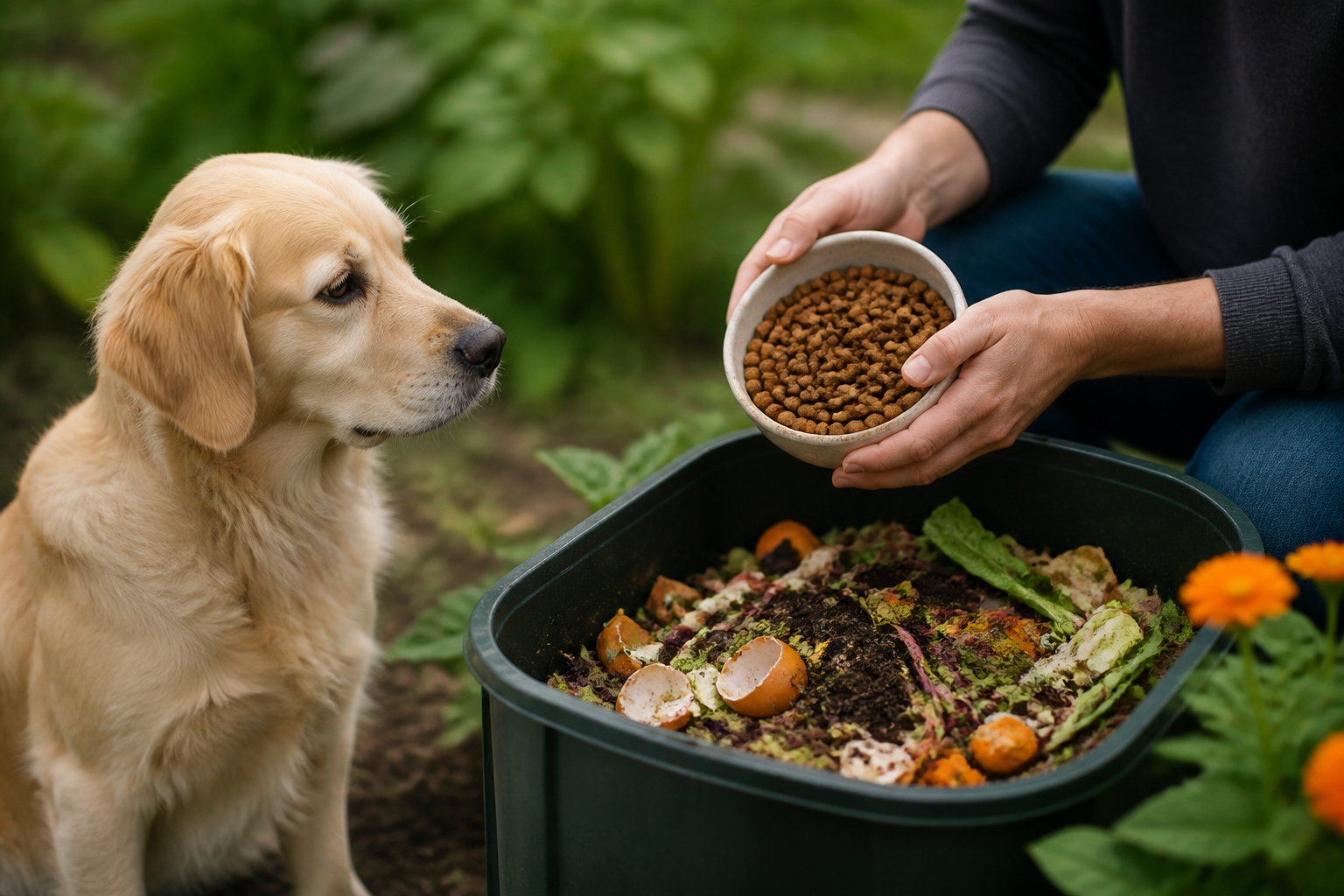
You stand in your garage holding a heavy bag of dry kibble that just hit its expiration date. Or perhaps your dog has decided they no longer like their current flavor, leaving you with a half-full container of perfectly good-smelling (to them) nuggets. You do not want to toss it in the trash where it will sit in a plastic bag at the landfill. You wonder if those protein-packed bits can actually help your garden grow instead. At BaxterBoo, we get this question often from eco-conscious pet parents who want to close the loop on waste. This article explores the science of composting dry dog food, the risks of attracting unwanted backyard visitors, and the best ways to turn old food into nutrient-rich soil. Dry dog food is indeed compostable, but its high fat and protein content mean you cannot simply toss it on top of a pile and walk away.
Quick Answer: Yes, dry dog food is compostable because it is made of organic materials like grains, meats, and fats. However, it is considered a nitrogen-rich "green" material that must be buried deep and balanced with carbon-rich "browns" to prevent odors and pests.
The Science of Composting Dog Food
Composting is a natural process where microscopic organisms break down organic matter into a dark, crumbly soil amendment. To do this effectively, these microbes need a balance of carbon and nitrogen. In the world of composting, we call these "browns" and "greens."
Most dry dog foods are packed with nitrogen. This comes from the protein sources like chicken, beef, or fish meal found in brands we carry, such as NutriSource or Stella and Chewy's. Because nitrogen acts as a fuel for the microbes that heat up your compost pile, adding kibble can actually jump-start a sluggish bin.
However, dry food also contains fats and oils. While these are organic, they take longer to break down than simple vegetable scraps. If the fat content is too high, it can coat other materials in the pile and slow down the oxygen flow. This leads to a smelly, anaerobic mess. To avoid this, you must treat dog food as a high-potency additive rather than the bulk of your pile.
The Role of Ingredients
The specific ingredients in your dog's food change how it behaves in the bin. A grain-free food made primarily of peas and meat will have a different nitrogen profile than a grain-inclusive food made with brown rice or oatmeal.
- Proteins: These provide the nitrogen that fuels microbial growth.
- Grains: These act as a mix of carbon and nitrogen, breaking down relatively quickly.
- Fats: These are energy-dense but can cause odors if they go rancid before they decompose.
- Minerals: Elements like calcium and phosphorus in the food eventually end up in your garden soil.
Key Takeaway: Dry dog food is a high-nitrogen "green" material. It should be used sparingly to fuel the composting process rather than serving as the primary ingredient in the bin.
Managing the Meat and Odor Factor
The biggest hurdle to composting pet food is the smell. Manufacturers design kibble to smell delicious to dogs, which means it also smells delicious to raccoons, rats, opossums, and the neighbor's dog. When animal proteins and fats begin to break down, they release odors that can carry for a long distance.
In a traditional backyard pile, these smells are a dinner bell for pests. If you live in an area with high wildlife activity, you must be extra cautious. The goal is to facilitate "hot composting," where the internal temperature of the pile reaches at least 130 degrees Fahrenheit. This heat breaks down the fats and proteins quickly, reducing the window of time that the food smells like food.
If your pile stays cold, the kibble will just sit there and rot. This is when the smell becomes a problem for you and a draw for critters. Always ensure your pile is active and moist before adding significant amounts of old dog food.
Best Practices for Your Compost Pile
If you have decided to compost your dry dog food, you need a plan. You cannot just sprinkle it on the surface. Follow these steps to ensure the food breaks down without causing a headache.
Step 1: Check the quality. / Make sure the food is not heavily contaminated with chemicals or non-organic additives. Most premium brands we stock are fine, but avoid composting food that has been treated with heavy artificial dyes.
Step 2: Hydrate the kibble. / Dry dog food is designed to be shelf-stable and low in moisture. Before adding it to the pile, soak it in a bucket of water for an hour until it becomes a soft mush. This helps microbes access the nutrients immediately.
Step 3: Dig a deep hole. / Move the top layers of your compost pile aside. You want to bury the softened kibble at least 10 to 12 inches deep in the center of the pile where the heat is highest.
Step 4: Balance with browns. / For every scoop of dog food you add, add three scoops of carbon-rich material. This includes shredded cardboard, dry leaves, or straw. This prevents the nitrogen from turning into smelly ammonia gas.
Step 5: Cover and wait. / Refill the hole with active compost and a fresh layer of dry leaves on top. This acts as a "biofilter" to trap any escaping smells.
Composting Checklist
- Only add small amounts at a time (about 5 percent of the total pile volume).
- Always bury the food in the "hot zone" of the bin.
- Ensure the bin is secure or has a locking lid.
- Monitor for any signs of digging or pests.
- Turn the pile a few days after adding the food to redistribute the heat.
Choosing the Right Composting System
Not all composting setups are created equal when it comes to handling animal products. Some are much better at excluding pests and containing smells.
| System Type | Suitability for Dog Food | Pros | Cons |
|---|---|---|---|
| Open Pile | Low | Easy to turn and manage. | Very likely to attract pests and rodents. |
| Stationary Plastic Bin | Medium | Keeps the pile contained and somewhat hidden. | Can still be chewed through by determined rats. |
| Tumbler | High | Fully enclosed and elevated off the ground. | Can be difficult to keep at a high temperature. |
| Electric Indoor Unit | Very High | Processes small amounts quickly with no odor. | Limited capacity and requires electricity. |
| Trench Composting | High | Burying deep in the garden soil prevents smells. | Requires digging and slow decomposition. |
For most suburban pet owners, a tumbler or a trench is the safest bet. The tumbler keeps the food away from paws and noses, while trench composting uses the earth itself to mask the scent and provide a home for worms to do the work.
Special Considerations: Prescription Diets and Health
If your dog is on a prescription diet for a specific health condition, you should pause before composting the leftovers. Through our partnership with Pet's Choice, our pet pharmacy provides many FDA-approved prescription foods for issues like kidney disease, urinary health, or severe allergies.
Some of these specialized diets, like Farmina Vet Life, contain specific mineral balances or therapeutic additives. While the food is organic, the medications or high levels of certain supplements might not be something you want in your vegetable garden soil. If your dog is taking oral medications that might be present in their saliva or leftover food, it is safer to dispose of that food in the trash.
Vet Tip: If your pet is on a prescription diet or taking heavy medications, consult your veterinarian before composting their uneaten food. Some medications can persist in the environment and may affect the beneficial microbes in your compost or the plants in your garden.
Furthermore, never compost dog food that has been contaminated by dog waste. While the food itself is fine, dog feces can carry pathogens and parasites that backyard compost piles rarely get hot enough to kill. Keep your food scraps and your pet waste systems completely separate to ensure your garden soil remains safe for handling.
The Environmental Impact of Diversion
When you choose to compost dry dog food rather than throwing it away, you are making a meaningful impact on the environment. In a landfill, organic waste is buried under layers of trash where no oxygen can reach it. This causes it to break down through a process that creates methane, a greenhouse gas much more potent than carbon dioxide.
By composting at home, you allow for aerobic decomposition. This produces carbon dioxide and rich organic matter that can be returned to the earth. This finished compost improves soil structure, helps the ground hold more water, and reduces the need for chemical fertilizers. Even if you only compost the small bits left at the bottom of the bowl, you are helping to reduce the nearly 30 percent of the meat industry's environmental footprint that is attributed to pet food.
Bottom line: Composting dog food keeps organic matter out of landfills and reduces methane emissions while building healthy garden soil.
When to Avoid Composting
There are times when the bin is not the right place for old kibble. If you have a massive amount of food, such as several large bags that got wet or expired, a backyard bin will likely be overwhelmed. The sheer volume of nitrogen and fat will cause the pile to collapse and smell.
In these cases, consider these alternatives:
- Donation: If the food is not expired or moldy, many local shelters will take opened bags to feed to the animals in their care.
- Wildlife Feeding: If you live in a rural area, small amounts can be left out for wild animals away from your home, though this can disrupt local ecosystems and should be done with caution.
- Industrial Composting: Check if your city has a green bin program. These industrial facilities reach much higher temperatures than backyard bins and can safely handle meat-based pet foods and large quantities of fat.
Conclusion
Composting dry dog food is a practical way to handle waste if you follow a few simple rules. By treating kibble as a nitrogen-rich additive, burying it deep, and balancing it with plenty of dry leaves or cardboard, you can create high-quality fertilizer for your ornamental plants. Remember to keep an eye on your bin for pests and avoid composting food if your dog is on heavy medications. If you want to make sure your dog is getting the best nutrition with minimal waste, explore our selection of dry dog food and smart feeding accessories. Our experts handpick every product to ensure your pet stays healthy and your home stays happy.
Key Takeaway: Success with composting dog food relies on deep burial and a 3-to-1 ratio of brown materials to kibble.
FAQ
Can I compost dog food that has gone moldy?
Yes, moldy dog food is perfectly fine for the compost pile. The molds currently on the food are simply beginning the decomposition process that your compost microbes will eventually finish. Just be careful not to inhale the spores when you are moving the food into the bin.
Is it safe to use dog food compost on a vegetable garden?
It is generally safe if the compost has fully matured and reached high temperatures during the process. However, many gardeners prefer to use "meat-inclusive" compost only on ornamental flower beds or trees to be extra cautious about potential pathogens or lingering medications.
How long does it take for kibble to disappear in the compost?
If the pile is hot and the kibble was soaked in water first, it can break down in as little as two to three weeks. In a cold or dry pile, hard kibble can sit unchanged for months because the outer coating is designed to resist moisture and spoilage.
What should I do with the empty dog food bag?
Most multi-wall paper dog food bags can be composted if you shred them first, as they provide excellent "brown" material. However, if the bag has a plastic or foil liner, it must go in the trash or a specialized recycling bin, as those liners will never break down in your garden.






