
 Save 15% on your 1st Autoship learn more

 Email us
 Live Chat
 FAQs
FAQs





Introduction
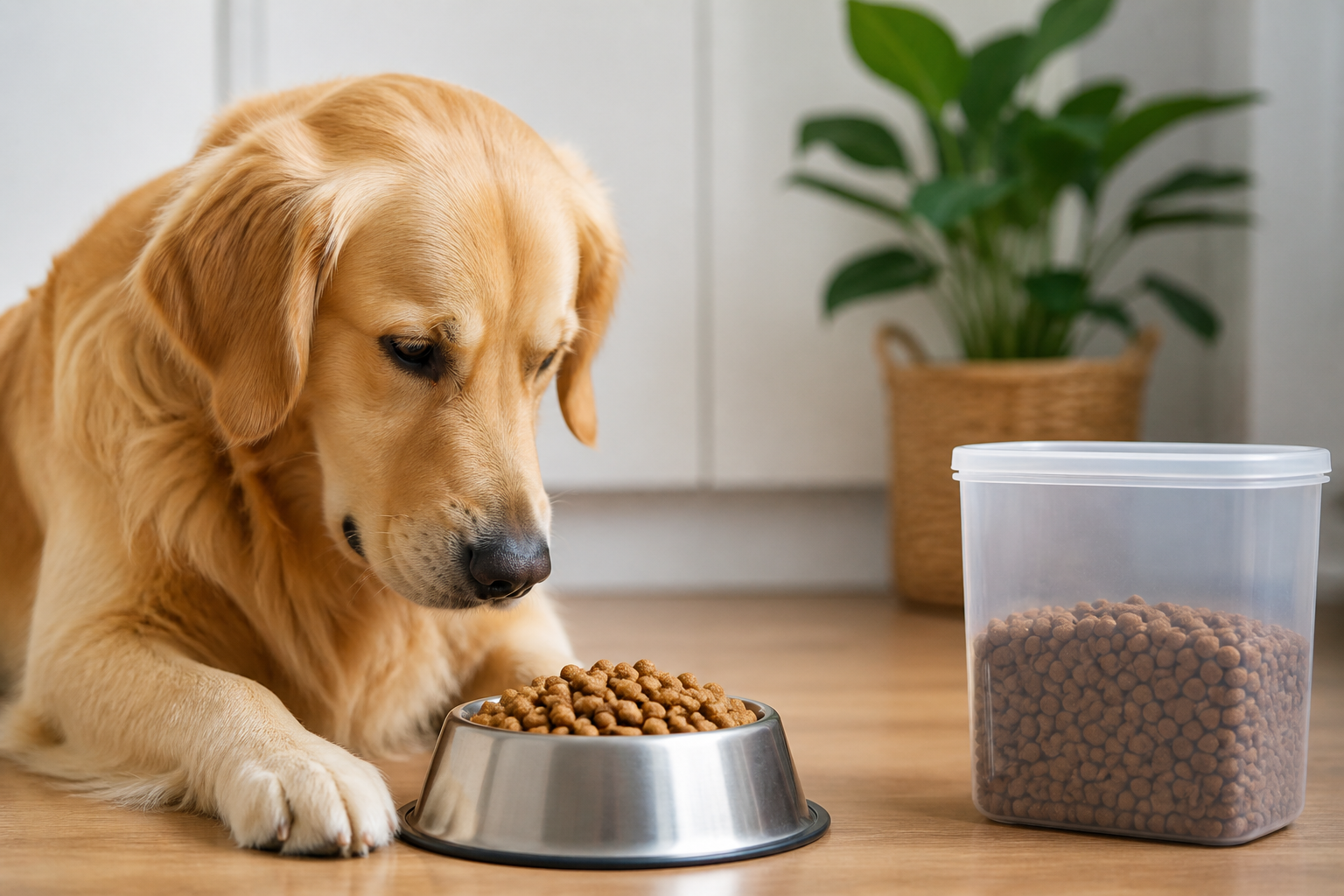
You are standing in your pantry, holding a half-full bag of kibble, and squinting at the tiny stamped numbers on the back. You realize the date passed two weeks ago. This is a common moment for many pet owners who want to save money but refuse to compromise on their pet's health. At BaxterBoo, we see this question often from our community in Vernon Hills and across the country. While it might be tempting to finish the bag, the answer is not a simple yes or no. This post covers the risks of rancidity, how nutrition degrades over time, and the best ways to keep your dog's meals fresh. You will learn how to spot spoiled food and why that printed date matters more than you might think.
Quick Answer: Dry dog food is generally safe for a very short window after the best-by date if it was stored properly and remains unopened. However, the nutritional quality drops and fats can turn rancid once the date passes. If the food smells sour, looks moldy, or your dog refuses it, you should discard it immediately.
Understanding Best By vs. Expiration Dates
Most pet food manufacturers do not use a hard expiration date like you might see on a gallon of milk. Instead, they use a best-by or use-by date. This date is a calculation by nutritionists and food scientists. They determine how long the vitamins, minerals, and fats in the recipe will stay at their peak potency.
When a brand like Royal Canin or NutriSource creates a formula, they include specific levels of nutrients to meet AAFCO standards. The best-by date is the manufacturer's promise that the food meets those nutritional claims until that day. After that point, the quality begins to decline. It does not mean the food becomes toxic at midnight on that date. It means the manufacturer can no longer guarantee the nutritional value or the stability of the fats.
Unopened bags have a much longer shelf life than opened ones. Most dry kibble is shelf-stable for 12 to 18 months from the date of manufacture. Once you break the seal, that window shrinks significantly. Oxygen is the primary enemy of freshness. When air hits the kibble, the degradation process accelerates.
The Problem with Rancid Fats
The biggest risk with expired dry dog food is lipid oxidation. This is the chemical process where fats and oils break down when exposed to air and light. Most premium dog foods are rich in healthy fats, such as omega-3 and omega-6 fatty acids. These are vital for a shiny coat and brain health, but they are also the most unstable ingredients.
When these fats turn rancid, they produce a distinct, sour smell. You might notice it smells like old paint or wet cardboard. Your dog, with a nose much more sensitive than yours, will definitely notice it. Eating rancid fats is more than just an unpleasant experience for your dog.
Rancidity creates free radicals and toxic compounds that can cause health issues. Short-term effects include stomach upset, vomiting, and diarrhea. Long-term consumption of oxidized fats can lead to more serious issues like liver damage or chronic inflammation. If you are managing a dog with a sensitive stomach or a specific health condition, the stability of these fats is even more critical.
Vet Tip: If your dog shows signs of persistent vomiting, lethargy, or a sudden loss of appetite after eating from a new or old bag of food, consult your veterinarian. They can help determine if the issue is food-related or a separate health concern that requires medical intervention.
Nutritional Degradation over Time
Even if the food does not smell rancid, it might be nutritionally empty. Vitamins are sensitive to heat, light, and time. Over months of storage, especially past the best-by date, these vitamins begin to break down. This is particularly true for water-soluble vitamins like B-complex and C, as well as fat-soluble vitamins like A and E.
If your dog eats expired food for a long period, they may develop subtle nutritional deficiencies. They might not get the immune support or energy levels they need to thrive. Manufacturers often add a surplus of vitamins to account for some natural loss, but they cannot account for the loss that happens months past the expiration date.
We carry brands like Farmina and Open Farm that use high-quality, natural preservatives like tocopherols (Vitamin E). These are great for your dog's health, but they do not last as long as synthetic chemicals. This makes the best-by date on high-end, natural foods even more important to follow.
How to Spot Spoiled Dog Food
Your dog is usually the best judge of food quality. If your normally enthusiastic eater suddenly walks away from their bowl, take it seriously. They can smell spoilage long before human noses can. However, you should still perform a regular check of every bag you open.
The Smell Test
Open the bag and take a deep breath. Fresh kibble should smell like the ingredients, usually a mix of grain and meat. If you get a whiff of something sour, metallic, or musty, the food is likely bad. Do not try to mask the smell by mixing in toppers. If it smells off, it belongs in the trash.
The Sight Test
Look for signs of mold or moisture. Dry food should be uniformly dry and crunchy. If you see fuzzy patches, white or green spots, or any clumping, moisture has entered the bag. Mold produces mycotoxins, which are highly dangerous to dogs. Also, look for signs of pests. Tiny holes in the bag or the presence of grain weevils mean the food is contaminated and unsafe.
The Texture Test
Kibble that has gone bad may feel greasy or sticky to the touch. This happens when the fats migrate to the surface and oxidize. If the texture seems different than the last bag you purchased, it is a red flag.
Key Takeaway: Always trust your dog's instinct. If they refuse to eat a food they usually love, check the date and the smell of the bag before assuming they are just being picky.
Proper Storage to Extend Freshness
How you store your dog's food is just as important as the date on the bag. Many people make the mistake of pouring the kibble directly into a plastic bin. This is actually one of the worst things you can do for food freshness.
Keep it in the Original Bag
The bags used by brands like Stella and Chewy's or Acana are high-tech. They are designed with specialized liners to prevent fat migration and keep oxygen out. When you pour the food out, you lose that protection. Plus, the fats from the food can seep into the pores of a plastic container. These residual fats turn rancid over time and contaminate the new food you pour in.
Use an Airtight Secondary Container
The best method is to place the entire original bag inside an airtight container. This provides a double barrier against air, moisture, and pests. Make sure the container is made of food-grade, BPA-free plastic or metal.
Control the Environment
Store the food in a cool, dry place. The temperature should ideally stay below 80 degrees Fahrenheit. Many people store dog food in a garage or a laundry room, but these areas often have high heat and humidity. Heat is a catalyst for oxidation. A pantry or a cool closet is the best spot for your dog’s meals.
Bottom line: Storing kibble in its original bag inside a cool, airtight bin is the most effective way to keep it fresh until the best-by date.
When to Contact the Pharmacy
For dogs on prescription diets, the stakes are higher. If your pet requires a specific formula for kidney health, weight management, or allergies, the nutritional integrity is a medical necessity. Our pet pharmacy partnership with Pet's Choice allows us to provide FDA-approved prescription foods and medications with the same care we give to our retail products.
If you notice your prescription food from a brand like Royal Canin Vet Life is nearing its date, do not wait until it expires to order more. Prescription diets often have specific formulations that are more sensitive to time. We can help you manage your orders through our pharmacy services to ensure you always have a fresh supply of the specific nutrition your dog needs for their condition.
Smart Shopping and Autoship
One of the easiest ways to ensure you never have to worry about expired food is to adjust your shopping habits. While buying the largest bag available might seem like a great deal, it is only a bargain if your dog can finish it while it is fresh.
- Calculate the consumption: A bag of dry food should ideally be finished within 6 weeks of opening.
- Buy for the size of your dog: If you have a toy breed, a 30-pound bag will likely go stale before they get halfway through it.
- Check dates at the store: Always look for the furthest date out when picking up a bag in person.
At BaxterBoo, we offer an Autoship program that takes the guesswork out of your schedule. You can set your deliveries to match exactly how long it takes your dog to finish a bag. This ensures that a fresh bag arrives just as you are reaching the bottom of the current one. This prevents the need to "stock up" on huge quantities that might sit in your pantry and expire.
Plus, our Autoship customers receive a free MVP Gold membership, which adds even more value to every order. It is a practical way to keep your kitchen stocked with fresh, high-quality nutrition without having to keep a close eye on the calendar.
Feeding Seniors and Sensitive Dogs
Senior dogs and those with chronic health issues are more susceptible to the effects of expired food. As dogs age, their immune systems and digestive tracts may become less efficient. A small amount of rancid fat or a slight vitamin deficiency that a young, healthy dog might handle could cause a significant setback for a senior.
If you are managing a senior dog's health, freshness is a pillar of their care. We carry various mobility aids and supplements like Cosequin to support their joints, but the foundation of their health is always their daily meal. For these pets, we recommend strictly adhering to best-by dates and ensuring the highest storage standards.
If your senior dog is on medication for ongoing health needs, remember that our pharmacy can help with those prescriptions too. Keeping their food fresh and their medications consistent is the best way to support their golden years.
Summary of Best Practices
Caring for your dog means paying attention to the details, including the fine print on their food packaging. While a few days past the best-by date might not cause an emergency, using expired food as a habit is a risk to your dog's long-term wellness.
- Always keep kibble in its original packaging to maintain the protective seal.
- Store food in a cool, dry place, away from sunlight and humidity.
- Discard any food that smells sour, looks moldy, or shows signs of pests.
- Use our Autoship program to ensure a steady supply of fresh food.
- Consult your vet if you suspect your dog has eaten spoiled food and is showing symptoms.
We are here to help you navigate these everyday pet care choices. Whether you are visiting our warehouse superstore in Vernon Hills or ordering online for home delivery, our goal is to provide the expert guidance you need. Keeping your dog's food fresh is a simple but powerful way to show them you care.
Key Takeaway: Freshness equals nutrition. Protect your dog’s health by respecting best-by dates and using proper storage techniques.
FAQ
Can I feed my dog dry food that is one month past the expiration date?
If the bag is unopened and has been stored in a cool, dry place, the food is likely safe but may have lost some nutritional potency. However, if the bag has been open for more than six weeks or smells slightly off, it is best to discard it to avoid the risk of rancid fats. Always perform a smell and sight test before serving any food that is past its best-by date.
What happens if a dog eats expired dry food?
In many cases, a dog might just experience mild gas or a slight change in stool consistency. However, if the fats in the food have turned rancid or if mold has developed, the dog could suffer from vomiting, severe diarrhea, or even food poisoning. Long-term consumption of expired food can lead to vitamin deficiencies because the nutrients break down over time.
Does unopened dry dog food really expire?
Yes, even unopened bags will eventually expire. The natural preservatives used in high-quality dog foods have a limited lifespan and will eventually stop preventing the fats from oxidizing. Most manufacturers recommend using unopened dry food within 12 to 18 months of the production date for maximum safety and nutrition.
How can I tell if the fats in my dog's food have gone rancid?
The most reliable way to detect rancidity is through your sense of smell. Rancid dog food often has a sharp, sour, or "off" odor that smells like old oil, paint, or chemical solvents. You may also notice that the kibble feels unusually oily or sticky to the touch. If your dog, who usually loves their food, suddenly refuses to eat, they are likely detecting rancid fats that you cannot yet smell.






