
 Save 15% on your 1st Autoship learn more

 Email us
 Live Chat
 FAQs
FAQs





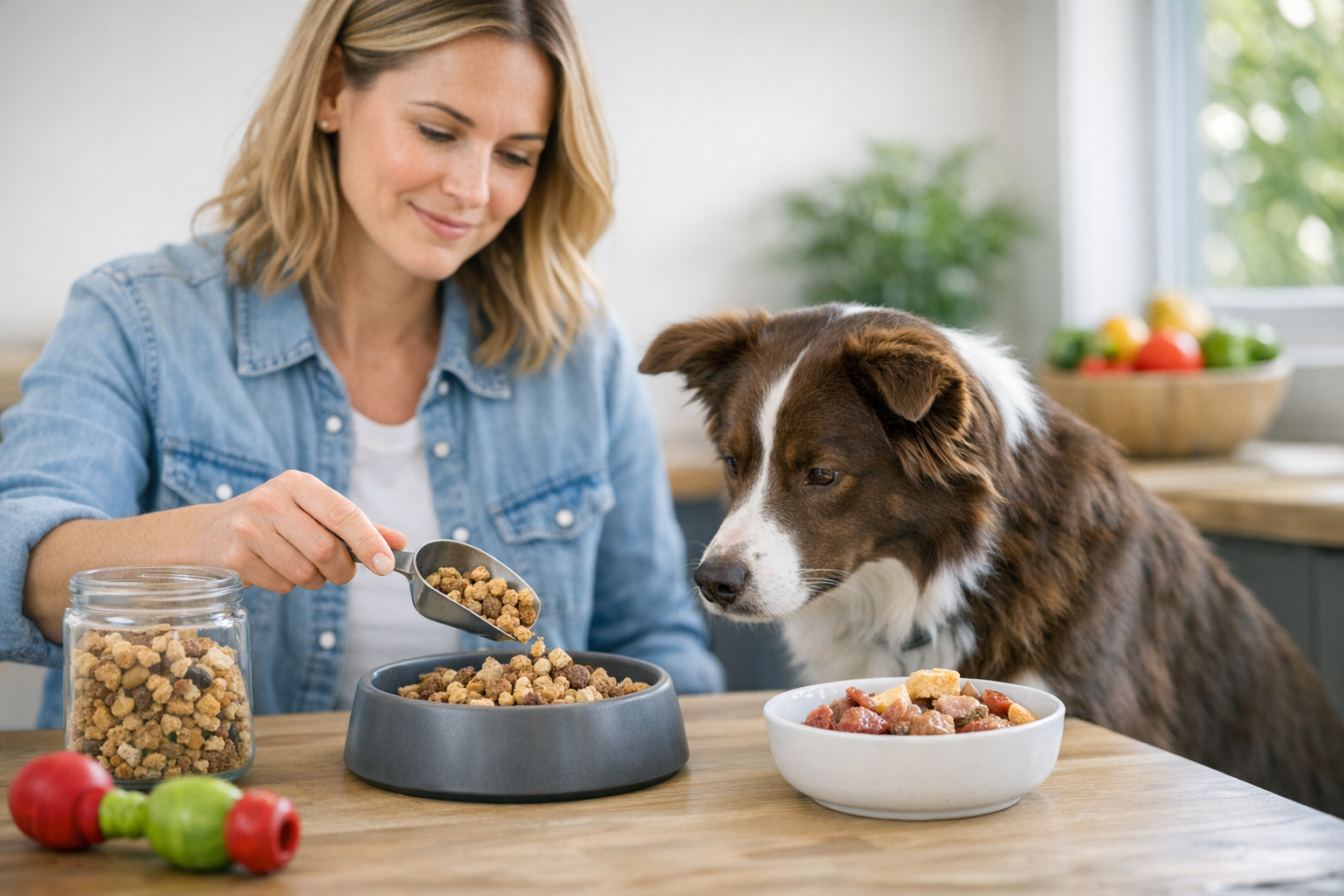
Introduction
You are standing in the pet food aisle or browsing our online shop. You see those bags of lightweight nuggets that cost a bit more than the average bag of kibble. You wonder if the nutritional benefits really justify the price tag for your pup. At BaxterBoo, we get this question from dog owners all the time. It is a modern way to feed your pet that promises the quality of raw food with the convenience of a dry bag. This article covers exactly what freeze-dried food is and why it might be a great choice for your dog. We will also look at how to handle it safely and how it compares to other diets. By the end, you will know if this premium option fits your budget and your dog's lifestyle.
Quick Answer: Freeze-dried dog food can be an incredibly healthy, nutrient-dense option, but its value depends on the quality of the formula and your dog's specific needs. While it offers the benefits of a raw diet in a shelf-stable format, it is only truly "healthy" if it is complete and balanced for your dog's life stage. It is highly palatable and minimally processed, making it great for picky eaters and dogs with sensitive stomachs.
What Exactly is Freeze Dried Dog Food?
Freeze-dried dog food is essentially raw food that has had almost all of its moisture removed. Unlike kibble, which is cooked at high temperatures, this food stays raw throughout the entire process. The ingredients usually include high-quality meats, organs, bones, and sometimes fruits or vegetables. Because it is not cooked, the natural structure of the proteins and enzymes remains intact.
The Science of Sublimation
The process starts by freezing the raw ingredients at very low temperatures. Once the food is frozen solid, it goes into a vacuum chamber. This is where a process called sublimation happens. The ice in the food turns directly into water vapor without ever becoming a liquid. This removes about 98 percent of the moisture. The result is a lightweight, shelf-stable product that looks like the original ingredient but feels like a dry cracker.
Minimal Processing
Most traditional dog foods go through a process called extrusion. This involves high heat and pressure to create those familiar crunchy shapes. Heat can destroy some of the natural vitamins and minerals found in meat. Freeze-drying avoids this. It preserves the nutrition and flavor without the need for heavy synthetic additives or artificial preservatives. We carry brands like our selection of Stella & Chewy's products that prioritize these high-quality, minimally processed ingredients.
How to Choose a Healthy Freeze-Dried Food
When evaluating whether a specific freeze-dried food is good for dogs, you need to look beyond the marketing. To ensure your dog stays healthy over the long term, use this checklist:
- Look for the AAFCO Statement: Ensure the bag states the food is "complete and balanced" for your dog’s specific life stage. Avoid products intended for "intermittent or supplemental feeding" unless you are only using them as a treat.
- Check for Named Proteins: A healthy formula will list specific animal sources, like beef, chicken, or lamb, rather than generic "meat meal."
- Evaluate the Calcium/Phosphorus Ratio: This mineral balance is vital for skeletal health, especially for growing puppies and large breeds.
- Search for Functional Nutrients: Premium healthy formulas often include Omega-3 fatty acids for skin and joint health, as well as probiotics to support a robust digestive system.
The Main Benefits for Your Dog
Many owners choose freeze-dried food because it offers the nutritional profile of a raw diet without the mess of a freezer. It provides a level of nutrient density that is hard to find in standard dry foods, and you can explore our freeze-dried dog food collection to compare options.
Maximum Nutrient Retention
Because there is no high-heat cooking involved, the vitamins and minerals stay in their natural state. This means your dog's body can often absorb and use these nutrients more effectively. Proteins remain undelatured, which is just a fancy way of saying they stay in the form your dog’s body is designed to digest.
Better Digestion and Bioavailability
Dogs have short digestive tracts designed to process animal proteins quickly. Freeze-dried foods are usually very low in starches and fillers like corn or wheat. This often leads to smaller, firmer stools because the dog is actually using more of the food they eat. It can be a great option for dogs that struggle with the high carbohydrate content found in some kibbles.
A Solution for Picky Eaters
The freeze-drying process locks in the natural aroma and taste of the meat. To a dog, this food smells like a fresh kill in the wild. If you have a dog that turns their nose up at every bowl of kibble, freeze-dried nuggets or toppers can be a total lifesaver. The intense flavor often encourages even the fussiest dogs to finish their meals.
Key Takeaway: Freeze-drying preserves nearly 100 percent of the natural nutrients and flavors of raw meat, offering a highly digestible and palatable alternative to cooked kibble.
Safety Concerns and Handling
Even though the food is dry and shelf-stable, it is still raw meat. This leads many to ask: is freeze dried dog food safe? While manufacturers take steps to ensure safety, it requires more care than handling traditional kibble.
Managing the Pathogen Risk
Bacteria like Salmonella or E. coli can survive the freeze-drying process. While many manufacturers use a technique called High-Pressure Pasteurization (HPP) to kill pathogens, the food is still considered a raw product. It is important to stay informed about raw food recall history, as even with modern safety protocols, contamination can occasionally occur. Most healthy dogs can handle small amounts of bacteria that might bother a human, but safety is still a priority for the household.
Safe Handling Practices
- Wash your hands with warm, soapy water after touching the food.
- Clean your dog’s bowl after every single meal.
- Sanitize any surfaces or measuring cups that come into contact with the nuggets.
- Store the food in a cool, dry place and keep the bag tightly sealed.
Vet Tip: If you have young children, elderly family members, or anyone with a compromised immune system in your home, be extra cautious with raw products. Consult your veterinarian before starting a raw or freeze-dried diet to ensure it is appropriate for your dog’s specific health status and your household environment.
Who Should Use Caution with Freeze-Dried Diets?
Not every dog is a perfect candidate for a raw-style freeze-dried diet. You should consult your vet before switching if your dog falls into these categories:
Dogs with Compromised Immune Systems
Dogs fighting chronic illness or undergoing certain treatments may have more difficulty processing the natural bacterial load of raw products.
Specific Health Conditions
If your dog has advanced kidney disease, they may require a strictly controlled phosphorus level that some high-protein freeze-dried diets exceed. Similarly, dogs with a history of pancreatitis need very specific fat levels that must be carefully managed in a raw-style diet.
Growing Large Breed Puppies
While many formulas are safe, large breed puppies are extremely sensitive to the calcium/phosphorus ratio. Feeding a formula not specifically balanced for "growth of large breed dogs" can lead to permanent skeletal issues.
Comparing Freeze Dried to Other Formats
It helps to see how freeze-dried food stacks up against the other options you might see on our shelves. Every type of food has its place depending on your lifestyle and your dog's needs.
| Feature | Freeze-Dried | Air-Dried | Dehydrated | Traditional Kibble |
|---|---|---|---|---|
| Processing | Extremely Low Heat | Low Heat | Low Heat | High Heat |
| Nutrient Loss | Minimal | Minimal | Moderate | Significant |
| Shelf Life | Excellent | Excellent | Excellent | Good |
| Price | High | High | Moderate | Low to Moderate |
| Preparation | Dry or Rehydrated | Feed as is | Usually Rehydrated | Feed as is |
Freeze Dried vs. Traditional Kibble
Kibble is convenient and affordable. It is also great for dental health because the crunch can help scrape away some plaque. However, kibble requires starches to hold its shape. Freeze-dried food does not. If your dog needs a high-protein, low-carb diet, freeze-dried is a strong choice.
Freeze Dried vs. Air-Dried Dog Food
Air-dried dog food is another popular shelf-stable alternative to kibble. While freeze-drying removes moisture through cold and a vacuum, air-drying uses low-heat circulation to gently remove water. This makes air-dried food slightly denser and often tougher in texture, whereas freeze-dried is light and porous. Both are excellent for nutrient retention compared to kibble.
Freeze Dried vs. Dehydrated Food
These two are often confused. Dehydrated food is made by blowing warm air over the ingredients for a long time. This is a form of cooking, even if it is slow. Freeze-drying uses a vacuum and cold temperatures. Freeze-dried food usually rehydrates faster and tastes more like fresh meat than dehydrated options.
Practical Ways to Feed Freeze Dried Food
You do not have to feed a bowl full of freeze-dried nuggets to see the benefits. There are several ways to incorporate this nutrition into your dog's routine, including options from our food topper collection.
Using as a Full Meal
This is the most expensive way to feed, but it provides the most consistent nutrition. If you choose this route, make sure the bag has an AAFCO statement. This ensures the food is complete and balanced for your dog's life stage. Puppies and senior dogs have different needs, so check the label carefully.
Using as a Meal Topper or Mixer
If a full diet of freeze-dried food is outside your budget, try using it as a topper. Crumble a few nuggets over your dog’s regular kibble. This adds a boost of high-quality protein and fresh enzymes without the high cost of a full meal. Many of our customers at BaxterBoo use this method to help picky eaters get excited about dinner.
Calorie Density and Portion Control
Because freeze-dried food has the water removed, it is extremely calorie-dense. A small amount of food contains a lot of energy. It is very easy to overfeed if you use the same measuring cup as you did for kibble. To keep your dog at a healthy weight, always use the manufacturer’s feeding guidelines based on your dog's ideal weight, rather than the volume they were used to eating before.
The Importance of Rehydration
While you can feed freeze-dried food dry, adding water is usually better. Since the food has almost no moisture, your dog has to drink a lot of water to compensate. Adding warm water, bone broth, or goat milk back into the food helps with digestion. It also keeps your dog hydrated, which is vital for kidney health.
How to rehydrate properly:
- Measure the correct amount of food for your dog's weight.
- Crumble the nuggets to allow the water to penetrate.
- Add warm water according to the package instructions.
- Wait 3 to 5 minutes for the food to absorb the liquid.
Cost and Value Considerations
There is no getting around it: freeze-dried food is expensive. The process of using a vacuum chamber for 24 hours or more is costly for manufacturers. However, many owners find the long-term value worth it.
Because the food is so nutrient-dense, you often feed much smaller portions than you would with kibble. A small bag might look like it only lasts a few days, but the calorie count per ounce is very high. Some owners also find that they save money on vet visits over time. Better digestion and a healthier coat can mean fewer trips to the clinic for allergies or stomach issues.
For readers comparing premium foods and ways to stretch a budget, our blog post on discounted dog food is a useful next step.
Health and Weight Management
A freeze-dried diet can be a helpful tool for weight management. Because these foods are typically free from starches and sugars, they have a lower glycemic index. This means they do not cause the same spikes in blood sugar that carb-heavy kibbles do.
If your dog is overweight, switching to a high-protein, low-carb diet can help them lose fat while maintaining muscle. This is especially important for senior dogs who may be less active but still need quality protein to support their joints and organs.
Bottom line: Freeze-dried food is a premium nutrition tool that can help manage weight and improve energy levels by removing unnecessary fillers and starches.
Specialized Nutrition and Pharmacy Needs
While a high-quality diet is the foundation of health, some dogs have medical conditions that require more than just over-the-counter food. Issues like chronic kidney disease, severe allergies, or heart conditions may require a prescription diet.
Our pharmacy carries prescription pet foods and medications through our pet pharmacy. If your veterinarian recommends a specific therapeutic diet, we can help you manage those needs alongside your regular supplies. Always consult your vet before making a major change to your dog's diet, especially if they are currently managing a health condition.
Transitioning Your Dog to a New Diet
Never switch your dog's food overnight. Their digestive systems need time to adjust to new protein levels and the lack of fiber found in traditional kibble. A slow transition helps prevent upset stomachs and diarrhea.
If you want a general refresher on switching formulas, our blog post on how to switch from dry to wet dog food covers the gradual approach.
Step 1: Mix 25% of the new freeze-dried food with 75% of their old food for 2 to 3 days. Step 2: If their stool remains firm, move to a 50/50 mix for another 3 days. Step 3: Increase to 75% freeze-dried food and 25% old food for the final 3 days. Step 4: Move to 100% of the new diet.
If at any point your dog has loose stools, slow down the process. Give them a few more days at the previous level before increasing the new food again.
For a broader look at feeding changes, should you feed your dog wet and dry food is also worth a read.
Conclusion
Freeze-dried dog food offers a powerful combination of raw nutrition and modern convenience. It is an ideal choice for owners who want the best for their dogs but do not have the time to prep raw meals. Whether you use it as a full meal or a simple topper, the benefits for skin, coat, and digestion are significant. At BaxterBoo, we pride ourselves on carrying a curated selection of brands that meet the highest safety and nutritional standards.
- Minimal processing preserves vital enzymes.
- Highly palatable for the pickiest eaters.
- Lightweight and shelf-stable for easy storage.
- Easy to rehydrate for added kidney support.
The best next step is to explore our collection of freeze-dried dog food and toppers. If you want to save on every order, consider our Autoship programme. It gives you savings on recurring orders and a convenient way to keep your dog's food stocked.
For additional savings on eligible brands, the MVP Rewards programme is another smart way to shop.
FAQ
Do I have to add water to freeze-dried dog food? While you can feed it dry, it is highly recommended to rehydrate the food with warm water or broth. This helps with digestion and ensures your dog stays properly hydrated since the food has had almost all moisture removed. Rehydrating also makes the food more aromatic and flavorful for your pet.
Is freeze-dried food safe for puppies? Yes, many freeze-dried foods are formulated for all life stages, including puppies. You must check the bag for an AAFCO statement that specifically mentions growth or all life stages. Puppies have high protein and mineral requirements, so ensuring the food is balanced for their needs is essential for healthy development.
How long does an open bag of freeze-dried dog food last? Once a bag is opened, it typically stays fresh for about 30 days if stored in a cool, dry place. Always keep the bag tightly sealed to prevent moisture from the air from getting in. Because the food is so dry, it does not spoil as quickly as wet food, but the fats can go rancid over time if exposed to too much oxygen.
Can freeze-dried food help with my dog's allergies? Many dogs with food sensitivities do well on freeze-dried diets because they contain fewer ingredients and no fillers. By removing common allergens like corn, soy, and wheat, you may see an improvement in skin and coat health. However, you should work with your veterinarian to identify specific triggers and ensure a new diet is the right solution for your dog's allergies.






