
 Save 15% on your 1st Autoship learn more

 Email us
 Live Chat
 FAQs
FAQs





Introduction
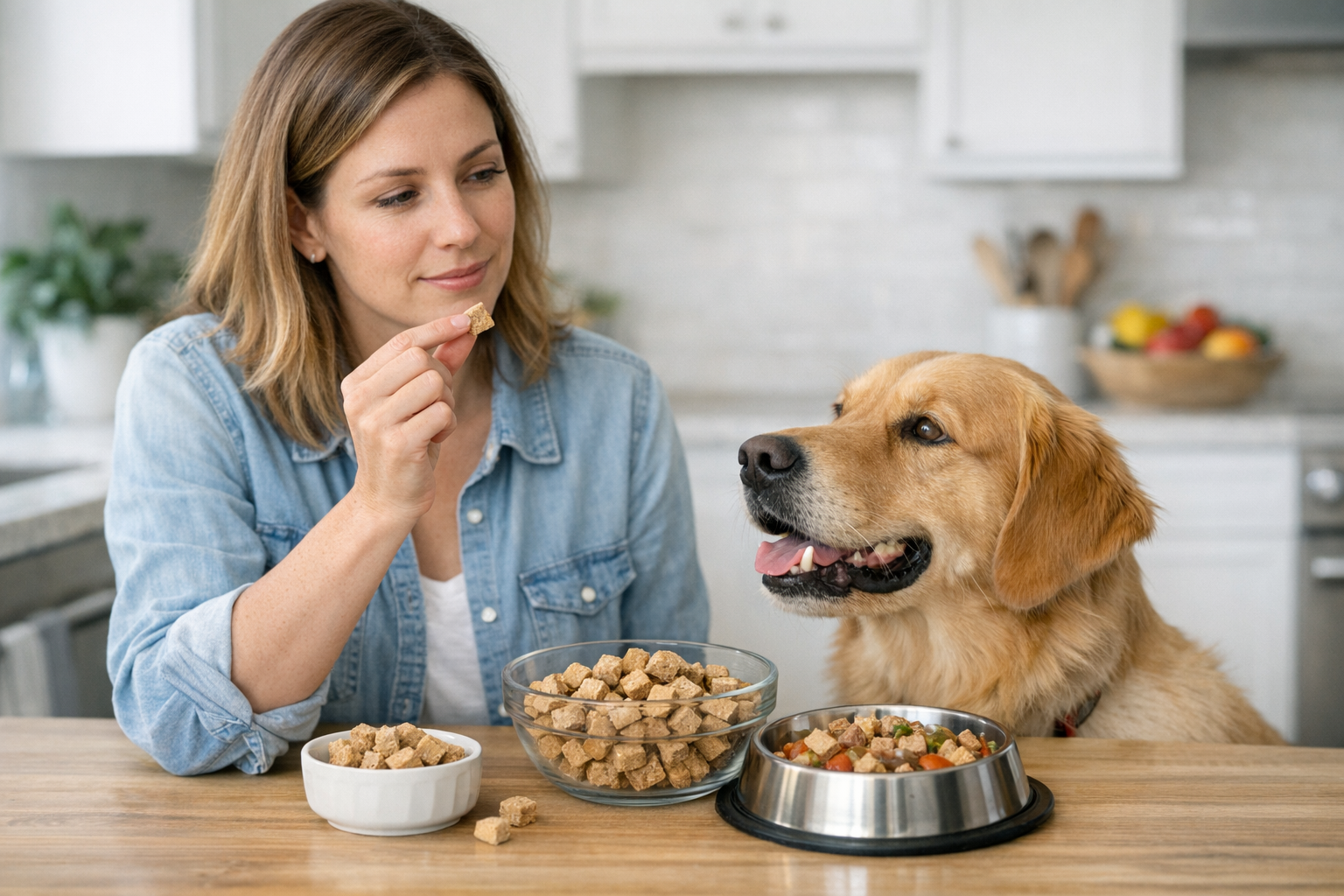
You stand in the pet food aisle or scroll through an online shop and see a bag of freeze dried nuggets that look like real meat. It seems like the perfect solution for a dog that refuses kibble or for an owner who wants the benefits of raw food without the messy freezer bags. However, as you look at the premium price tag and the "raw" label, you might find yourself asking if this format is truly safe for your pet and your family. At BaxterBoo, we know that choosing a diet is one of the most important decisions you make for your dog. This article explores the science behind freeze drying, the potential risks of pathogen exposure, and the best practices for handling these products. We will help you determine if this nutrient-dense option is a safe and practical fit for your household.
Quick Answer: Freeze dried dog food is generally safe when sourced from reputable brands that use safety steps like High-Pressure Pasteurization (HPP). However, because it is minimally processed raw meat, it carries a higher risk of bacterial contamination than cooked kibble and requires careful handling.
What Exactly Is Freeze Dried Dog Food
To understand if this food is safe, you first have to understand how it is made. Freeze drying is a process called sublimation. The food is first frozen at extremely low temperatures. It is then placed in a vacuum chamber where the ice is turned directly into vapor without ever becoming liquid. This removes nearly all the moisture from the meat and vegetables while leaving the cellular structure intact.
Most freeze dried dog foods are technically raw. Because the process does not use high heat like the extrusion used for kibble, the proteins and enzymes remain in their natural state. This is why many people call it "raw food for the pantry." It provides the convenience of a shelf-stable product with the nutritional profile of a fresh, raw diet. If you want to browse more options, start with our freeze-dried food category.
We see many owners turning to this format because it is lightweight and highly palatable. It does not require refrigeration until it is rehydrated. This makes it a popular choice for traveling, hiking, or simply saving space in a small kitchen. While it looks like a dry biscuit, it is a very different product from traditional dry dog food.
The Big Question: Is It Safe from Bacteria
The most significant safety concern with freeze dried food is the presence of pathogens like Salmonella, Listeria, and E. coli. Many people assume that because the food is dry, the bacteria are gone. This is a dangerous misconception. Bacteria can survive in a dormant state for years when they are dried out. In fact, scientists often use freeze drying as a way to preserve bacteria for study in laboratories.
If a piece of raw chicken contains Salmonella before it is freeze dried, it will likely still contain it after the process is finished. This is why the sourcing of the meat is critical. If you are feeding a raw-based diet, you are relying entirely on the manufacturer to ensure the raw materials were clean to begin with.
To combat this risk, many high-quality brands use a process called High-Pressure Pasteurization, or HPP. This involves putting the food under intense pressure to kill harmful bacteria without using heat. This maintains the raw nutritional profile while significantly lowering the risk of illness. When you shop at BaxterBoo, you can look for brands that openly discuss their safety testing and HPP protocols, like our selection of Stella & Chewy's products.
Key Risks to Consider
- Pathogen survival: Bacteria like Salmonella do not die just because moisture is removed.
- Cross-contamination: Handling the food can spread bacteria to your kitchen counters or your own hands.
- Shedding: Even if your dog does not get sick, they can shed live bacteria in their stool after eating raw food.
- Incomplete nutrition: Some "treat" versions are not balanced for daily meals.
Vet Tip: Always consult your veterinarian before switching to a raw or freeze dried diet, especially if your dog has a compromised immune system or underlying health issues. They can help you determine if your dog's gut health is prepared for a minimally processed diet.
The Difference Between Freeze Dried and Dehydrated
It is easy to confuse freeze dried food with dehydrated or air-dried options. However, the safety profile and nutritional density change depending on the method. Dehydration usually involves low heat over a long period. This heat is often enough to "cook" the food slightly, which can reduce the bacterial load more than freeze drying alone.
Air-dried food, like the products from Ziwi Peak, is also different. It uses a twin-stage process that eliminates pathogens while maintaining a texture similar to jerky. This often sits in a middle ground between raw and cooked.
Freeze drying is the gold standard for nutrient preservation because it uses the least amount of heat. Vitamins that are sensitive to temperature, such as Vitamin B and Vitamin C, stay intact. This makes the food incredibly nutrient-dense, meaning you often feed much less than you would with kibble. If you are comparing meal enhancers and add-ins, take a look at our food topper and broths category.
Benefits of Feeding a Freeze Dried Diet
Despite the safety concerns regarding bacteria, there are many reasons why owners choose this format. For many, the health benefits outweigh the extra steps required for safe handling.
One of the primary benefits is digestibility. Because the proteins are not denatured by high heat, many dogs find it much easier to process. This often results in smaller, firmer stools. If your dog has a sensitive stomach or struggles with the high carbohydrate content in most kibble, a freeze dried diet may offer relief.
The palatability is also unmatched. The freeze drying process concentrates the natural aromas and flavors of the meat. This makes it a "secret weapon" for owners of picky eaters or senior dogs with a declining sense of smell. You can use it as a complete meal or simply crumble a little over their regular food to encourage them to eat.
Key Takeaway: Freeze drying preserves the highest level of natural nutrients and flavor, making it an excellent choice for picky eaters and dogs with certain digestive sensitivities.
Safety for the Humans in the House
When we talk about the safety of freeze dried dog food, we aren't just talking about the dog. We are talking about the humans who handle the food and live in the home. This is often where the real risk lies.
If you have young children, elderly family members, or anyone with a weakened immune system in your house, you must be extremely careful. Toddlers often put their hands in the dog's bowl or crawl on the floor where the dog might have dropped a piece of food. Because freeze dried food is raw meat, it should be treated with the same caution you use when preparing raw chicken for your family dinner.
You should wash your hands thoroughly after every feeding. Use hot, soapy water to clean the dog's bowl immediately after they finish eating. Do not leave rehydrated freeze dried food sitting out for hours, as bacteria will multiply rapidly once moisture is added back into the meat.
Safe Handling Checklist
- Wash hands with soap and water after touching the food or the bowl.
- Sanitize all surfaces that the food touches, including countertops.
- Keep the food bag sealed and stored in a cool, dry place.
- Use a dedicated scoop for the dog food and wash it regularly.
- Monitor children to ensure they do not touch the dog's food or bowl.
Nutritional Balance and AAFCO Standards
Another safety aspect that is often overlooked is nutritional completeness. Just because a food is made of high-quality meat does not mean it has everything a dog needs to thrive. In the wild, canines eat the whole animal, including organs, bones, and the stomach contents of their prey. A bag of freeze dried muscle meat alone is not a balanced diet.
You must check the label for the AAFCO (Association of American Feed Control Officials) statement. It should say that the food is "complete and balanced" for your dog's specific life stage. Some freeze dried products are labeled as "mixers" or "toppers" and are intended for supplemental feeding only. Feeding these as a primary diet can lead to serious nutritional deficiencies over time.
We carry many brands at BaxterBoo, such as Stella and Chewy's and Vital Essentials, that offer complete and balanced freeze dried meals. These recipes include the correct ratios of meat, organs, and bone, often with added vitamins and minerals to ensure your dog gets exactly what they need. You can also compare options from our selection of NutriSource products.
Is Freeze Dried Food Good for All Life Stages
The safety of this food also depends on the age and health of your dog. While many freeze dried foods are formulated for all life stages, there are specific things to keep in mind.
Puppies
Puppies have very specific requirements for calcium and phosphorus to support their fast-growing bones. If a freeze dried diet is not perfectly balanced for growth, it can cause permanent skeletal issues. Additionally, a puppy's immune system is still developing. They may be more susceptible to the bacteria found in raw diets than a healthy adult dog.
Senior Dogs
Senior dogs often benefit from the high-quality protein in freeze dried food, which helps maintain muscle mass. However, older dogs are more likely to have underlying issues like kidney disease. Because freeze dried food is very high in protein and low in moisture, you must be careful. Rehydrating the food is essential for seniors to ensure they stay hydrated and don't put unnecessary strain on their kidneys.
Dogs with Health Conditions
If your dog is managing a chronic illness, food choice becomes a medical decision. For example, dogs with pancreatitis may need a lower fat content than what many meat-heavy freeze dried diets provide. Our pharmacy at BaxterBoo works with Pet's Choice to provide prescription diets for dogs with specific medical needs. If your vet recommends a prescription diet, you should prioritize that over boutique retail options.
Bottom line: While freeze dried food is nutrient-dense, it must be AAFCO-compliant and appropriate for your dog's specific age and health status to be considered safe for long-term feeding.
The Role of Rehydration
One of the biggest mistakes owners make is feeding freeze dried food completely dry without providing enough water. While the nuggets are shelf-stable, they are designed to be rehydrated. When a dog eats a large amount of dry, freeze dried meat, the food absorbs moisture from the dog's digestive tract. This can lead to dehydration or constipation.
Adding warm water, goat milk, or bone broth back into the food "awakens" the flavors and makes it much easier to digest. It also helps support kidney and bladder health by increasing the dog's overall water intake. Most brands recommend a 1:1 ratio of water to food, but you can adjust this based on your dog's preference.
Step 1: Measure the correct portion. / Use the scoop or weight recommended on the bag for your dog's weight. Step 2: Crumble the nuggets. / Breaking them into smaller pieces allows the water to penetrate the center more quickly. Step 3: Add warm liquid. / Use water or a dog-safe broth, but avoid anything with added salt or onions. Step 4: Wait several minutes. / Let the food sit until it has a soft, meat-like consistency before serving.
Managing the Cost Safely
There is no denying that freeze dried dog food is expensive. Because it takes about four pounds of raw meat to make one pound of freeze dried food, the price reflects the concentrated nutrition. Some owners try to save money by stretching the food too far or buying "treat" bags to use as meals.
A safer and more budget-conscious way to use freeze dried food is as a "topper" or "mixer." You can feed a high-quality kibble like Farmina or NutriSource as the base and add a handful of freeze dried nuggets on top. This gives your dog the nutritional boost and taste of raw food without the high cost of an exclusive diet.
Our Autoship program is another great way to manage costs. You can save on your first order and earn MVP Rewards points on every purchase. This allows you to provide the best nutrition for your dog while keeping your budget in check.
Transitioning to a Freeze Dried Diet
If you decide that freeze dried food is right for your dog, do not switch overnight. A sudden change from processed kibble to raw meat can cause significant digestive upset, including vomiting and diarrhea. This is often mistaken for a "bad" reaction to the food, but it is usually just the gut adjusting to a different protein structure.
Start by adding a very small amount of the freeze dried food to your dog's regular meals. Over the course of 7 to 10 days, slowly increase the amount of freeze dried food while decreasing the old food. Watch your dog's stool closely during this time. If it becomes loose, slow down the transition. If you want to read more about saving on food while you shop, see our guide to discounted dog food.
If your dog experiences persistent digestive issues during a transition, it is important to contact your veterinarian. They may recommend a temporary prescription diet or a probiotic supplement like those from Zesty Paws to help balance the gut flora.
Identifying High-Quality Brands
Not all freeze dried foods are created equal. When you are looking for the safest options, you should look for several key indicators of quality.
First, look for the source of the protein. Reputable brands will name the specific animal and often the country of origin. Avoid anything that uses vague terms like "meat meal" or "animal by-products." Brands like Open Farm and Acana are transparent about their sourcing and animal welfare standards.
Second, check for the safety measures mentioned earlier. Does the brand use HPP? Do they conduct third-party lab testing for pathogens? Many of the brands we carry at BaxterBoo provide this information on their websites or packaging. If a brand is unwilling to talk about their safety protocols, it is best to choose a different option. For more branded choices, browse our selection of Vital Essentials products.
Finally, look at the ingredient list. The first few ingredients should be identifiable meats and organs. Avoid products with excessive fillers, artificial colors, or chemical preservatives. Since the freeze drying process preserves the food naturally, there is no need for harsh chemicals.
Storing Your Food Properly
Proper storage is a vital part of food safety. Even though freeze dried food is shelf-stable, it can still spoil if it is exposed to moisture or extreme heat. Once a bag is opened, the clock starts ticking on its freshness.
Keep the food in its original packaging if it has a high-quality zip seal. If not, move it to an airtight glass or plastic container. Store the container in a cool, dark pantry. Avoid storing it under the sink or in a damp basement, as moisture can lead to mold growth. Most opened bags should be used within 30 to 60 days for maximum freshness and safety.
If you ever notice a strange smell, a change in color, or any sign of fuzzy growth on the nuggets, throw the bag away immediately. Do not risk your dog's health on a compromised bag of food.
Conclusion
Is freeze dried dog food safe? The answer is a qualified yes. It is a highly nutritious, minimally processed option that many dogs thrive on. However, it requires a higher level of awareness and hygiene than traditional kibble. By choosing reputable brands that use HPP, following strict handling protocols, and ensuring the diet is nutritionally balanced, you can safely incorporate this format into your dog's routine.
- Choose brands that prioritize safety and HPP.
- Always rehydrate the food to support digestion and kidney health.
- Treat the food like raw meat to protect your family from bacteria.
- Ensure the food meets AAFCO standards for a complete and balanced diet.
If you are ready to explore the world of freeze dried nutrition, we invite you to browse our dog food category. Whether you want a full meal or a tasty topper, we carry the trusted brands your dog will love.
FAQ
Does freeze drying kill Salmonella and other bacteria?
No, freeze drying does not kill bacteria. It simply removes the moisture that bacteria need to grow and multiply, causing them to go into a dormant state. To ensure safety, many manufacturers use High-Pressure Pasteurization (HPP) or other safety steps before the freeze drying process to eliminate pathogens.
Can I feed freeze dried food to my dog every day?
Yes, you can feed it every day as long as the product is labeled as "complete and balanced" according to AAFCO standards. If the bag says it is for "supplemental or intermittent feeding only," it should only be used as a treat or a topper, as it lacks the full spectrum of nutrients a dog needs for long-term health.
Why do I need to add water to freeze dried dog food?
Adding water is important because the freeze drying process removes nearly 99% of the food's moisture. If fed dry, the meat will absorb moisture from your dog's stomach and intestines, which can lead to dehydration and slow down digestion. Rehydrating also makes the food more aromatic and appealing to picky pets.
Is freeze dried food better for dogs than kibble?
Freeze dried food is often considered more nutrient-dense and digestible than kibble because it is not processed with high heat. This helps preserve natural vitamins and amino acids. However, kibble is generally more affordable and carries a lower risk of bacterial contamination, so the "better" choice depends on your dog's health needs and your lifestyle.






