
 Save 15% on your 1st Autoship learn more

 Email us
 Live Chat
 FAQs
FAQs





Introduction
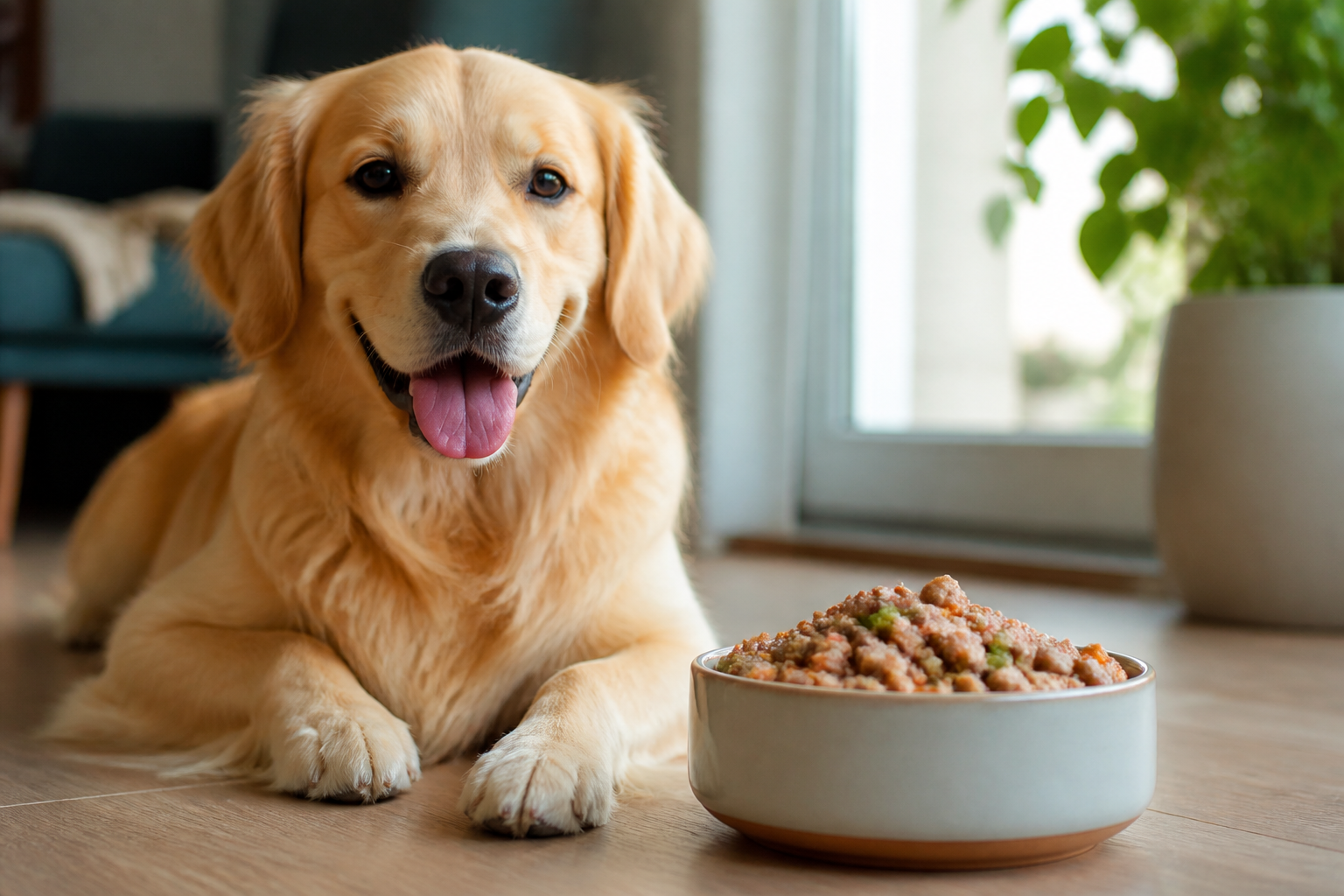
You are standing in the pet food aisle or scrolling through dozens of options online, trying to find the best possible nutrition for your dog. You want the benefits of a raw diet but do not have the freezer space or the time for messy meal prep. This is exactly when most pet parents start wondering if freeze-dried options are the right move. At BaxterBoo, we see more people every day moving toward these minimally processed foods to give their dogs a nutritional boost.
This article explores the science behind freeze-drying, the specific health benefits for your dog, and how to safely introduce these recipes into your routine. We will also cover safety concerns and how to choose a high-quality brand. Choosing the right food is one of the most important decisions you make for your pet's long-term wellness.
Quick Answer: Freeze-dried food is an excellent, nutrient-dense option for most dogs because it preserves the integrity of raw ingredients without high-heat processing. It offers the benefits of a raw diet in a shelf-stable, convenient format that is highly palatable for picky eaters.
What Exactly Is Freeze-Dried Dog Food?
Freeze-drying is a specific preservation method that removes moisture from raw ingredients through a process called sublimation. Unlike traditional kibble, which is cooked at very high temperatures, freeze-dried food starts with raw meat, fruits, and vegetables. These ingredients are frozen to a very low temperature. Then, they are placed in a vacuum chamber where the ice turns directly into water vapor without ever becoming a liquid.
This method is unique because it removes the water while keeping the cell structure of the food intact. This means the flavor, aroma, and nutritional profile stay very close to the original raw state. The final product is a lightweight, shelf-stable nugget or patty that looks and smells like real meat because it basically is real meat.
The Difference Between Freeze-Dried and Dehydrated
Many people confuse these two categories. Dehydration uses low heat and air circulation to dry out food over a long period. While it is better than high-heat cooking, the heat used in dehydration can still break down some delicate vitamins and enzymes. Freeze-drying uses cold rather than heat, which protects those sensitive nutrients even better.
Why the Raw Element Matters
Most freeze-dried foods are considered raw diets. Because the ingredients are never cooked, the natural enzymes and amino acids remain active. Many pet owners choose this because it mimics a more ancestral way of eating. It provides high-quality animal protein as the primary energy source rather than starches or grains.
Is It Healthy for Your Dog?
The short answer is yes. For most healthy dogs, freeze-dried food provides a high level of bioavailability. This term simply means your dog's body can easily absorb and use the nutrients in the food. When food is cooked at high temperatures, some proteins can become denatured and harder to digest. Freeze-drying keeps the protein in its most natural form.
Key Takeaway: Freeze-drying preserves nearly 100% of the nutrients found in the original raw ingredients, providing a level of nutrition that high-heat kibble cannot match.
Nutrient Retention
Vitamins like B-complex and certain minerals are sensitive to heat. Since freeze-drying skips the oven, these nutrients stay in the bowl. You will often see brands like our selection of Stella & Chewy's products or Vital Essentials focusing on "whole prey" ingredients. This means they include muscle meat, organs, and bone, which provide a natural spectrum of vitamins without needing as many synthetic additives.
Improved Digestion
Because these foods are minimally processed and usually free from heavy fillers like corn or soy, they are often easier on the gut. Many owners notice smaller, firmer stools after switching. This is a sign that the dog is absorbing more of the food and passing less waste.
The Pros of Feeding Freeze-Dried Food
There are several reasons why this category has grown so quickly in the pet industry. It solves many of the problems associated with traditional raw feeding while offering better quality than standard dry food.
- Palatability: The aroma of freeze-dried meat is intense. If you have a picky eater who turns their nose up at kibble, freeze-dried food or toppers often do the trick.
- Convenience: You get raw nutrition without the freezer. It is lightweight and perfect for travel or hiking.
- Shelf Stability: Unopened bags can last a long time. Even once opened, as long as you keep it in a cool, dry place, it stays fresh for weeks.
- No Artificial Preservatives: The removal of moisture is the preservative. This means manufacturers do not need to add chemical stabilizers to keep the food from spoiling.
Support for Skin and Coat
The high levels of natural fats and intact fatty acids in freeze-dried recipes support healthy skin. Many dogs show a shinier, softer coat after a few weeks on a raw-based diet. This is particularly helpful for dogs that struggle with seasonal dryness or dull fur.
Vet Tip: If your dog has a history of kidney issues or requires a low-protein diet, consult your veterinarian before switching to a freeze-dried raw food. These recipes are typically very high in protein and phosphorus, which may not be suitable for pets with specific medical conditions.
Potential Cons and Safety Considerations
No pet food is perfect for every situation. While freeze-dried food has many benefits, there are a few factors you should weigh before making the switch.
Cost Factors
Freeze-drying is an expensive and slow process. This makes the final product more expensive per pound than traditional kibble. Many owners find a balance by using freeze-dried food as a "mixer" or "topper" rather than a full meal to manage costs while still providing a nutritional boost.
Pathogen Risks
Because the food is raw, there is a small risk of bacteria like Salmonella or Listeria. Most reputable brands use a process called High-Pressure Pasteurization (HPP). This uses extreme pressure to kill pathogens without using heat. However, you must still practice good hygiene. Wash your hands and your dog's bowl thoroughly after every feeding.
Nutritional Balance
Not all freeze-dried products are intended to be a full meal. Some are "supplemental only," meaning they are just treats or toppers. Always look for the AAFCO (Association of American Feed Control Officials) statement on the bag. It should say the food is "complete and balanced" for your dog's life stage.
How to Feed Freeze-Dried Food Safely
One of the best things about this food is its versatility. You do not have to go "all or nothing" to see the benefits. We carry a wide variety of options at BaxterBoo that fit different feeding styles.
As a Full Meal
If you feed it as a primary diet, you will usually need to rehydrate it. While you can feed it dry, adding water ensures your dog stays hydrated. It also makes the food easier to chew and digest. Simply crumble the patties or nuggets and add warm water or bone broth.
As a Topper or Mixer
This is the most popular way to use freeze-dried food. You can sprinkle a handful of "meal mixers" over your dog's regular kibble. This adds a burst of raw protein and flavor. Brands like our selection of Open Farm products offer specific toppers designed for this purpose.
As High-Value Training Treats
Because the scent is so strong, freeze-dried liver or heart nuggets make incredible training treats. They are usually single-ingredient, making them great for dogs with allergies or sensitive stomachs.
Bottom line: Adding even a small amount of freeze-dried food to your dog's current diet can significantly improve the nutrient density of their meals.
Transitioning Your Dog to Freeze-Dried Food
You should never switch your dog's food overnight. Their digestive systems contain specific enzymes and bacteria tailored to what they currently eat. A sudden change can cause upset stomachs or diarrhea.
Step 1: Start with a small amount. / Replace about 10 percent of their current meal with the new freeze-dried food.
Step 2: Monitor their reaction. / Watch for any signs of gas or loose stools over the next two days.
Step 3: Gradually increase the ratio. / If they are doing well, move to 25 percent new food for a few days, then 50 percent.
Step 4: Complete the transition. / Over 7 to 10 days, slowly phase out the old food until you reach the desired amount of freeze-dried nutrition.
A Note on Hydration
If you are transitioning to a mostly freeze-dried diet, watch your dog's water intake. Since kibble has about 10 percent moisture and freeze-dried food has even less, your dog may need to drink more. Rehydrating the food with water is the best way to prevent dehydration.
Choosing the Best Brands
When you browse the selection at our warehouse or online, look for brands with transparent sourcing. High-quality freeze-dried food should have a clear list of ingredients. You want to see specific animal proteins like "beef heart" or "chicken bone" rather than vague terms like "meat by-products."
We carry several trusted names that prioritize safety and nutrition:
- Stella and Chewy's: Known for their patties and meal mixers that include organic produce.
- Vital Essentials: Focuses on a limited-ingredient, "whole prey" approach.
- Open Farm: Offers humanely raised meats and a high level of transparency in their supply chain.
- Acana and Orijen: These brands often include freeze-dried "infusions" in their kibble or stand-alone treats.
Managing Health Conditions
If your dog has chronic health issues, such as severe allergies or recurring digestive distress, a specialized diet might be necessary. Our pharmacy offers prescription pet foods through our partnership with Pet's Choice. If your veterinarian recommends a specific prescription diet, we can help you manage those needs alongside your regular supplies.
Is It Right for Puppies and Seniors?
Freeze-dried food is generally excellent for all life stages, but there are specific things to look for.
For Puppies
Puppies need a specific ratio of calcium to phosphorus for bone growth. Ensure the bag explicitly states it is formulated for puppies or "all life stages." The high protein content is great for growing muscles, but the mineral balance must be precise.
For Seniors
Older dogs often lose their appetite or struggle with dental issues. The soft texture of rehydrated freeze-dried food is easy on aging teeth. Additionally, the high palatability helps keep senior dogs interested in their meals. The natural glucosamine and chondroitin found in recipes that include ground bone or cartilage can also support joint health.
Vet Tip: For senior dogs with declining kidney function, the high protein levels in many freeze-dried raw foods can be taxing. Always check with your vet to see if a lower protein, high-quality cooked diet or a prescription formula is a better fit for an aging pet.
Handling and Storage Tips
Since you are dealing with a raw product, proper storage is vital for safety. Even though it is shelf-stable, it is not invincible.
- Seal the bag tightly: Exposure to air can cause the fats in the food to oxidize and go rancid.
- Keep it cool and dark: Store the bag in a pantry rather than on a sunny countertop.
- Use rehydrated food quickly: Once you add water to freeze-dried food, it is just like fresh raw meat. If your dog doesn't eat it within 30 minutes, pick it up and refrigerate it or throw it away.
- Wash everything: Bowls, scoops, and your own hands should be cleaned after every meal to prevent the spread of bacteria.
Our Autoship programme is a great way to ensure you never run out of your dog's favorite recipe. It also saves you money on every order and gives you a free MVP Gold membership. This is especially helpful for freeze-dried food, as keeping a consistent supply is key to maintaining your dog's digestive health.
Conclusion
Freeze-dried food is a powerful tool for improving your dog's health through better nutrition. It offers the high-protein, nutrient-dense benefits of a raw diet with the convenience of a dry food. Whether you use it as a complete meal, a tasty topper for picky eaters, or a high-value training treat, it provides vitamins and enzymes that are often lost in standard processing.
- Freeze-drying preserves nearly all natural nutrients without high heat.
- It is highly palatable and easy to digest for most dogs.
- Safety requires proper handling and choosing "complete and balanced" recipes.
- It can be used as a topper to make premium nutrition more affordable.
Key Takeaway: If you want to elevate your dog's diet without the hassle of traditional raw feeding, freeze-dried food is a safe, effective, and highly nutritious choice.
If you are ready to start your dog on a more natural diet, explore our full collection of dog food and treats. If your dog has specific medical requirements, remember to visit our pet pharmacy for prescription options and health supplies. You can also earn rewards on future purchases with our MVP Rewards programme.
FAQ
Do I have to add water to freeze-dried dog food? While you can feed it dry, rehydrating the food is highly recommended. Adding water or broth helps with digestion and ensures your dog stays properly hydrated, especially since freeze-dried food has almost no moisture. It also enhances the aroma, making it more appealing to your dog.
Is freeze-dried dog food safer than frozen raw food? Both formats carry similar risks because they contain raw ingredients. However, many freeze-dried brands use High-Pressure Pasteurization (HPP) to kill bacteria while the food is still in the packaging. This makes it significantly safer than unpasteurized raw meat, though you should still follow safe handling practices.
Can I mix freeze-dried food with regular kibble? Yes, this is a very common way to feed it. Many pet parents use freeze-dried pieces as a "topper" or "mixer" to add high-quality protein and flavor to a standard kibble diet. This is a great way to provide the benefits of raw food while keeping your monthly food budget manageable.
How long does a bag of freeze-dried dog food last? Unopened bags usually have a shelf life of one to two years. Once opened, most manufacturers recommend using the bag within 30 to 60 days for maximum freshness. Because the moisture has been removed, it does not spoil as fast as fresh food, but the natural fats can eventually go rancid if exposed to too much air.






