
 Save 15% on your 1st Autoship learn more

 Email us
 Live Chat
 FAQs
FAQs





Introduction
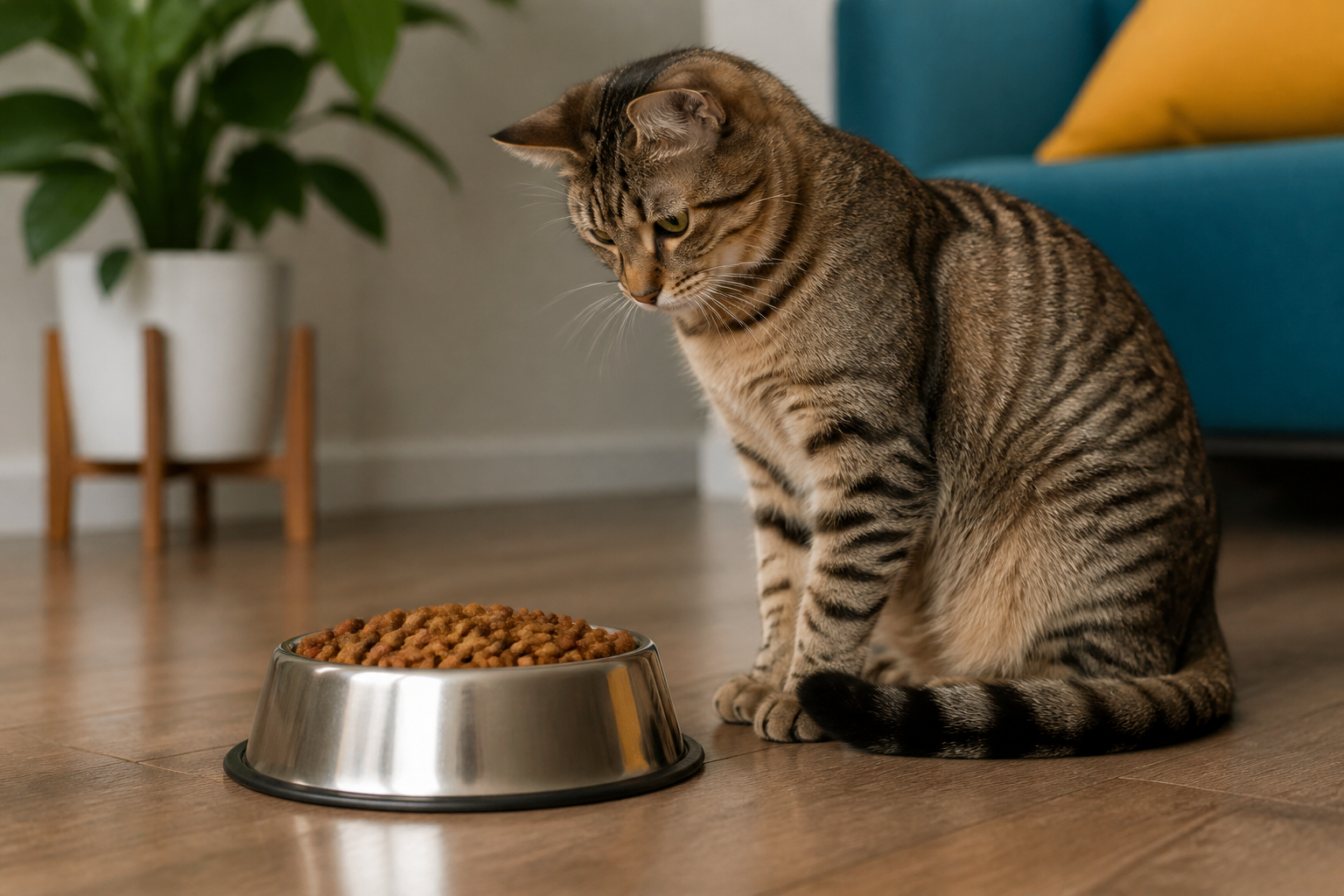
You walk into the kitchen and find your cat crouched over the dog's bowl, happily crunching away on large kibble. It is a common sight in multi-pet households. Perhaps you ran out of cat food and wonder if a scoop of your dog's dinner will do for the night. While it might seem like a convenient fix, the nutritional needs of these two species are worlds apart. At BaxterBoo, we see this question often from pet owners who want to ensure their feline friends stay healthy and energized. This article explores the biological reasons why dog food is not a suitable long-term diet for cats. We will look at essential nutrients, the risks of malnutrition, and how to manage a multi-pet home. While an occasional nibble is rarely an emergency, relying on dog food can lead to serious health complications for your cat.
Quick Answer: It is not toxic for a cat to eat a few pieces of dry dog food. However, it is bad for them to eat it as a regular meal because it lacks essential nutrients like taurine and high protein levels. Over time, a dog food diet can cause heart disease, blindness, and severe malnutrition in cats.
The Biological Divide: Carnivores vs. Omnivores
To understand why dog food is insufficient, you have to look at the biology of the animals. Cats are obligate carnivores. This means their bodies are biologically designed to process meat and only meat to get their essential nutrients. Their digestive systems are shorter and more specialized for animal protein.
Dogs are omnivores. They have the flexibility to derive nutrition from both animal and plant sources. Because dogs can process grains, vegetables, and fruits more efficiently than cats, their food is formulated with a different balance of ingredients. When a cat eats food meant for an omnivore, they are essentially eating a diet that their body cannot fully utilize.
Protein Requirements
Cats require significantly more protein than dogs. Protein provides the amino acids that fuel a cat's energy and maintain their muscle mass. Dog food is often formulated with lower protein levels because dogs can get energy from carbohydrates and fats more easily than cats. If a cat eats dog food regularly, they will slowly become protein deficient. This can lead to muscle wasting and a weakened immune system.
The Role of Amino Acids
Amino acids are the building blocks of protein. Two specific amino acids, taurine and arginine, are vital for cats. Dogs can actually synthesize their own taurine. Because of this, dog food manufacturers do not always add extra taurine to their formulas. Cats cannot make their own taurine. They must get it directly from their food. Without it, a cat can develop a life-threatening heart condition called dilated cardiomyopathy or go blind due to retinal degeneration.
Essential Nutrients Missing in Dog Food
It is not just about protein. Several vitamins and fatty acids are balanced differently in dog and cat formulas. These differences are based on what each animal can produce in their own body.
Vitamin A
Dogs can convert beta-carotene from plants into Vitamin A. This is why you see ingredients like carrots or sweet potatoes in many dog foods. Cats lack the enzyme necessary to make this conversion. They require preformed Vitamin A, which is typically found in animal liver or added as a supplement in cat-specific food. A cat eating only dog food will eventually suffer from a Vitamin A deficiency, affecting their skin, coat, and night vision.
Arachidonic Acid
This is an essential fatty acid that cats must consume. Dogs can produce it internally, so dog food is rarely supplemented with it. Arachidonic acid is necessary for a cat's inflammatory response and blood clotting. It also plays a role in their reproductive health and skin integrity.
Niacin (Vitamin B3)
Cats have a limited ability to convert the amino acid tryptophan into niacin. Most other animals can do this easily. Because cats lose so much niacin through their urine, they need much higher levels in their diet than dogs do. Dog food simply does not meet this specific requirement.
Key Takeaway: Cat food is a highly specialized fuel. Dog food lacks the taurine, Vitamin A, and high protein concentrations that cats need to survive and thrive.
What Happens if Your Cat Sneaks a Few Bites?
If your cat steals a few kibbles from the dog's bowl once in a while, do not panic. Most dry dog foods are not toxic to cats. The immediate danger is very low unless your cat has a specific allergy or a very sensitive stomach. You might notice some mild gastrointestinal upset.
Common short-term symptoms include:
- Mild diarrhea
- Occasional vomiting
- Slight lethargy
- Lack of interest in their own food
These symptoms usually clear up on their own once the cat returns to their proper diet. However, if the vomiting is persistent or your cat stops eating altogether, you should contact your veterinarian.
The Long-Term Dangers of a Dog Food Diet
The real danger lies in the long term. If a cat eats dog food for weeks or months, their health will begin to decline. Since BaxterBoo began in 2006, we have helped many owners find the right specialized diets to recover from nutritional imbalances.
One of the most serious risks is Dilated Cardiomyopathy (DCM). This is a condition where the heart muscle becomes thin and weak. It cannot pump blood effectively. This is directly linked to taurine deficiency. Another risk is Hepatic Lipidosis, or fatty liver disease. This can happen if a cat is not getting enough protein and starts to break down its own body fat too quickly.
Vet Tip: If you notice your cat is losing weight, has a dull coat, or seems unusually tired, they may be experiencing a nutritional deficiency. Always consult a veterinarian before switching diets or if you suspect your cat has been eating the wrong food for an extended period. Your vet may recommend a prescription diet from our pet pharmacy to help restore their health.
Comparing Nutritional Standards
The Association of American Feed Control Officials (AAFCO) sets the standards for pet food nutrition in the United States. Looking at their minimum requirements helps visualize why these foods are not interchangeable.
| Nutrient | Dog Food Minimum (Adult) | Cat Food Minimum (Adult) |
|---|---|---|
| Crude Protein | 18% | 26% |
| Crude Fat | 5.5% | 9% |
| Taurine | Not Required | 0.10% |
| Vitamin A | 5,000 IU/kg | 9,000 IU/kg |
| Arachidonic Acid | Not Required | 0.02% |
This table shows that even at the minimum level, cats need significantly more of almost everything. Feeding a cat dog food is like trying to run a high-performance engine on the wrong grade of fuel. It might run for a little while, but eventually, the engine will fail.
Emergency Situations: What to Do if You Run Out of Cat Food
We have all been there. It is late at night, the bag of cat food is empty, and the stores are closed. If you are in a pinch, a single meal of dog food is better than letting your cat go hungry, but it is not the best option.
Instead of reaching for the dog's dry kibble, look in your refrigerator. Several human foods are safer and more nutritious for cats in an emergency.
Safe temporary alternatives include:
- Plain, cooked chicken (no bones, no seasoning)
- Cooked eggs (scrambled or boiled)
- Canned tuna or salmon in water (drained)
- Plain, cooked turkey
These options provide the high protein and moisture that cats need. Once the morning comes, you can restock your supply of high-quality brands like Farmina, Orijen, or Stella and Chewy's from our cat food selection.
Transitioning Back to Cat Food
If your cat has had a few "off-brand" meals, transition them back to their regular food immediately. Most cats will happily go back to their more flavorful feline diets. Cat food is usually more calorie-dense and has a stronger aroma, making it more appealing to them than dog food.
Why Do Cats Want to Eat Dog Food?
You might wonder why your cat is so persistent about eating the dog's food if it is not good for them. Often, it is simple curiosity. Cats are inquisitive animals. If they see the dog eating something with enthusiasm, they want to see what the fuss is about.
In some cases, it is about the texture. Some cats enjoy the larger, crunchier kibble found in dog food. In other cases, it could be a behavioral issue. A cat might eat from the dog's bowl to assert dominance in the household. It is rarely because they find the flavor superior. In fact, most cats are quite picky because they have fewer taste buds than dogs.
How to Stop the Sneaking: Management Strategies
Keeping your pets in their own bowls is essential for their health. It also helps you track exactly how much each pet is eating. This is important for weight management and early detection of illness.
Step 1: Set up separate feeding stations.
Place the cat's bowl in a spot the dog cannot reach. This could be a high counter, a sturdy cat tree, or a separate room with a baby gate that has a small cat door.
Step 2: Establish a schedule.
Avoid free feeding. Leaving food out all day invites grazing and bowl-switching. Put the food down for 20 to 30 minutes, then pick up whatever is left. This teaches your pets that mealtime is specific and prevents the cat from wandering over to the dog's bowl later.
Step 3: Use technology.
If you have a very persistent cat, consider a microchip-activated feeder. These bowls only open for the pet with the programmed microchip or collar tag. This is the most effective way to ensure the cat eats cat food and the dog eats dog food.
Step 4: Supervise mealtimes.
At least in the beginning, stay in the room while they eat. If you see the cat moving toward the dog's bowl, gently redirect them back to their own. Consistent training can break the habit over time.
Supporting Feline Health with the BaxterBoo Pharmacy
Sometimes, a cat's interest in other food is a sign of a nutritional gap or an underlying health issue. If your cat has managed to eat a large amount of dog food or is showing signs of illness, professional help is necessary. We provide more than just standard pet supplies. Our pharmacy offers FDA-approved medications and prescription pet foods through our partnership with Pet's Choice.
If your veterinarian diagnoses your cat with a condition like heart disease or kidney issues stemming from poor nutrition, a prescription diet may be required. These diets are precisely formulated to manage specific health needs. You can easily fulfill these prescriptions through our website, ensuring your cat gets the exact nutrients required for recovery.
Bottom line: While the pharmacy is there for specialized medical needs, preventing nutritional deficiencies through a proper feline diet is the best way to keep your cat healthy.
The Importance of Flavor and Texture
Cats are famously finicky. If your cat is constantly trying to eat the dog's food, they might be bored with their current diet. Cat food comes in many forms: dry, wet, freeze-dried, and air-dried. Brands like Tiki Cat or Fussie Cat offer a wide variety of textures and flavors that might satisfy your cat's cravings.
If your cat likes the crunch of the dog's dry food, try a high-protein option from our dry cat food category with larger kibble sizes. If they seem to like the meaty smell, try mixing a little wet food or a topper into their dry kibble. This makes their own food more enticing than the dog's.
Monitoring Your Multi-Pet Household
Living with both dogs and cats is rewarding, but it requires a bit of extra diligence. Keep an eye on your pets during the transition to a new feeding routine. If your dog starts losing weight, the cat might be stealing more than just a few bites. If the cat seems bloated or has soft stools, they are likely getting into the dog's dish.
A Note on Dog Treats
Just like dog food, dog treats are not formulated for cats. While a small piece of a plain biscuit is usually fine, some dog treats contain ingredients that are hard for cats to digest. High-fat treats or those with certain seasonings can lead to pancreatitis in cats. Always stick to treats specifically designed for felines. We carry a wide selection of our cat treats from brands like PureVita and Vital Essentials that provide the protein hit cats crave without the risks of dog-specific products.
Conclusion
Feeding your cat the right food is one of the most important parts of being a pet owner. While it might not seem like a big deal if your cat shares the dog's bowl, the nutritional consequences are real. Cats need high protein, taurine, and specific vitamins that dog food simply cannot provide. By managing mealtimes and providing a high-quality, species-appropriate diet, you can avoid the risks of malnutrition and long-term organ damage.
- Cats are obligate carnivores and need animal-based protein.
- Dog food lacks essential taurine, which is vital for a cat's heart and eyes.
- Short-term consumption may cause mild stomach upset, but long-term use is dangerous.
- Use separate feeding areas or microchip feeders to prevent bowl-sharing.
- Consult your vet if your cat shows signs of nutritional deficiency or illness.
If your cat needs a specialized or prescription diet to get back on track, remember that our pharmacy is available to help through our Pet's Choice partnership. You can also save on your favorite feline formulas by using our Autoship programme, ensuring you never run out of the food your cat needs to stay healthy.
Bottom line: Keep the dog food for the dogs and the cat food for the cats to ensure everyone in your home stays happy and healthy.
FAQ
Is dry dog food toxic to cats?
No, dry dog food is not typically toxic to cats. Most ingredients in standard dog food are safe for a cat to consume in very small quantities. The danger is not poisoning, but rather the lack of essential nutrients that a cat needs to survive.
Can I feed my cat dog food for one night?
If you are in an emergency and have no other options, a single meal of dog food will not harm a healthy cat. However, it is better to feed them plain, cooked chicken or eggs if you have them. You should return to a proper cat food diet as soon as possible.
What are the signs of taurine deficiency in cats?
Taurine deficiency often takes months to show symptoms. The most common signs include a gradual loss of vision and a decrease in energy or trouble breathing due to heart weakness. Because these signs are serious, you should seek veterinary care immediately if you notice them.
How can I stop my cat from eating the dog's food?
The best way to stop this behavior is by feeding your pets in separate rooms or elevating the cat's bowl where the dog cannot reach. You can also use microchip-activated feeders that only open for the correct pet. Avoiding free feeding and sticking to a schedule also helps reduce the temptation.






