Save 15% on your 1st Autoship learn more

 Email us
 Live Chat
 FAQs
FAQs





Introduction
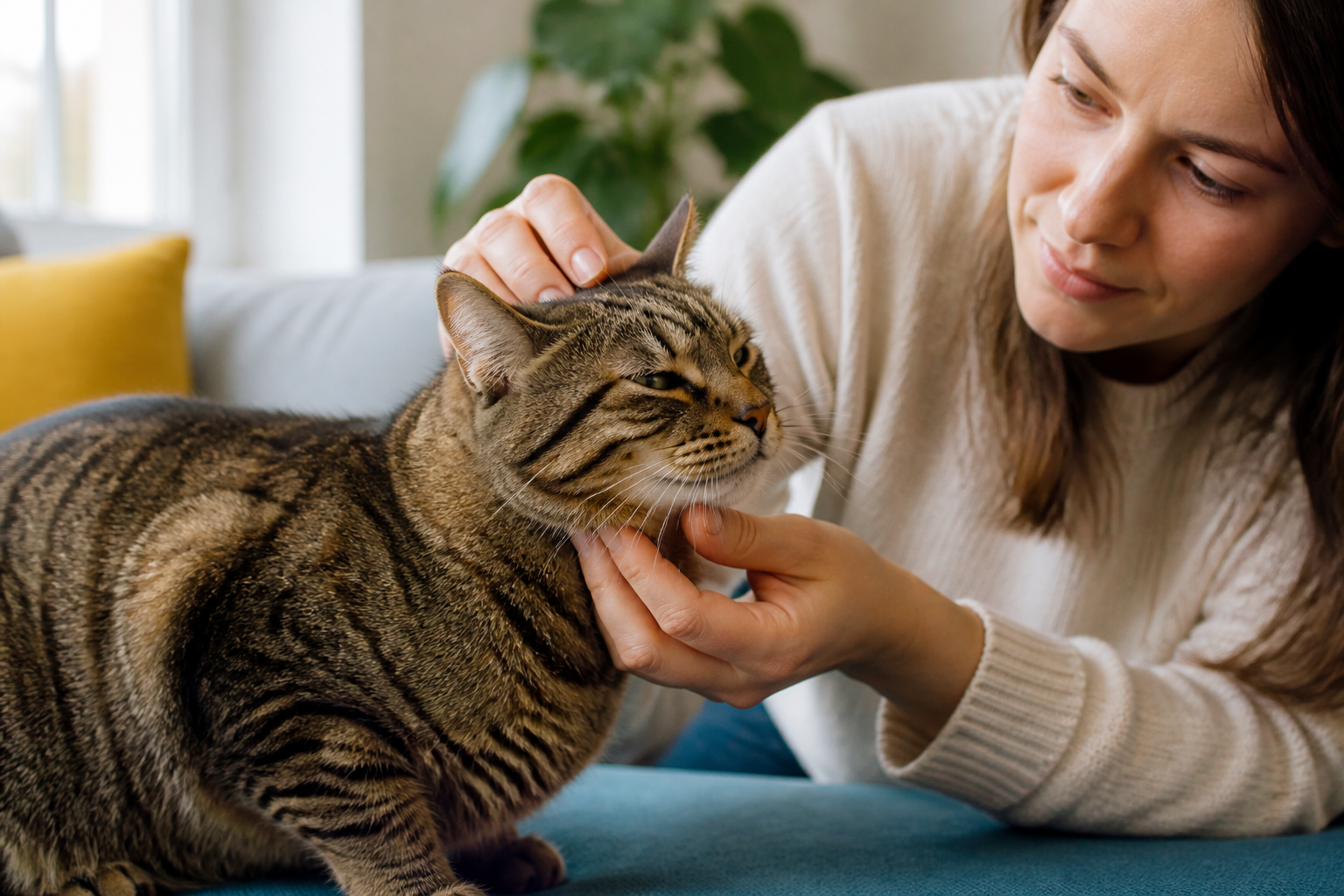
Petting your cat should be a relaxing moment of bonding. You might notice small white specks scattered across their back or near the base of their tail during these moments. This discovery often leads to immediate worry about their skin health and comfort. At BaxterBoo, we know that a glossy coat is a sign of a happy cat. This post covers why those flakes appear and when they signal a larger health issue. We will explore the causes ranging from dry air to hidden medical conditions. While a few flakes are common, knowing the difference between normal shedding and a medical concern is vital for your cat's well-being. This guide helps you determine if those flakes are a minor nuisance or a sign that a vet visit is needed.
The Difference Between Dander and Dandruff
It is common for owners to use the terms dander and dandruff interchangeably. However, they are quite different in the world of feline health. Every cat has dander. It consists of microscopic dead skin cells that shed naturally as part of the skin’s renewal process. Because these cells are so small, you typically cannot see them with the naked eye. Dander is what often triggers allergies in humans, but it is a perfectly normal part of a healthy cat's life.
Dandruff is different because it is visible. These are larger clumps of dead skin cells that have pulled away from the surface. They often look like white or gray flakes resting on top of the fur. While dander is a sign of a functioning body, dandruff is usually a sign that something has disrupted the skin's natural balance.
Quick Answer: Dandruff in cats consists of visible white flakes of dead skin, while dander is microscopic and normal. While a few flakes can be common, excessive dandruff often indicates an underlying issue like poor grooming, dry air, or a medical condition.
When Should You Worry About Cat Dandruff?
In many cases, a small amount of flaking is not an emergency. Cats shed skin just like humans do. If you only see a few flakes during a seasonal change and your cat is acting normally, it might be a simple case of dry skin. However, you should look for other symptoms that suggest the dandruff is a symptom of a bigger problem.
Pay close attention to your cat's behavior and the condition of their skin underneath the fur. If the skin looks red, inflamed, or greasy, the dandruff is likely not a standalone issue. You should also watch for excessive scratching or biting at the skin. This level of irritation suggests that your cat is uncomfortable and may have an infection or parasites. You can browse our cat healthcare options for additional everyday wellness support.
Key Takeaway: Monitor your cat for "red flag" symptoms like hair loss, persistent itching, lethargy, or changes in appetite. If these accompany the dandruff, it is time to consult your veterinarian for a professional diagnosis.
Environmental Triggers and Dry Air
One of the most common reasons for feline dandruff is the environment. Just like our own skin gets dry in the winter, a cat's skin reacts to low humidity. When we turn on the heaters in our homes, the moisture in the air drops significantly. This lack of humidity can cause the skin to lose its natural oils, leading to flaking and itchiness.
This is often a seasonal issue. If the dandruff only appears when the weather gets cold and disappears in the spring, the air quality is likely the culprit. You can often manage this by adding moisture back into your home. Using a humidifier in the rooms where your cat spends the most time can make a big difference in their comfort level.
Seasonal Transitions
Spring and fall can also bring about changes in the coat. As cats shed their thick winter undercoat or prepare for the cold, their skin turnover may increase. This transition can sometimes lead to temporary flaking. Regular brushing during these periods helps remove the dead hair and skin before it becomes a visible problem.
The Grooming Gap: Why Some Cats Stop Cleaning
Cats are famous for their cleanliness. They spend a significant portion of their waking hours grooming. This process does more than just keep them clean. It distributes natural skin oils across the fur and removes dead skin cells. When a cat stops grooming effectively, those dead skin cells build up and become visible as dandruff. Explore our cat grooming supplies for brushes, combs, shampoos, and other grooming tools.
There are several reasons why a cat might stop their normal grooming routine. These are often physical barriers that make it difficult or painful for them to reach certain areas. You will often see the most dandruff on the lower back and the base of the tail because these are the hardest spots for a cat with mobility issues to reach.
Obesity and Grooming
Weight plays a huge role in feline hygiene. If a cat is overweight, they simply may not be able to reach their back or hindquarters. The skin in these areas becomes neglected. Oils build up, the fur becomes greasy, and flakes of skin accumulate. In these cases, the dandruff is a symptom of a weight problem that needs to be addressed through diet and exercise. For additional guidance, read about helping an indoor cat lose weight.
Senior Cats and Arthritis
As cats age, they often develop osteoarthritis. This condition makes it painful to twist and turn into the positions required for grooming. A senior cat might want to stay clean but finds the process too uncomfortable to finish. If you notice your older cat has a dull, flaky coat, it could be a sign that they are managing joint pain.
Vet Tip: If your cat is struggling to groom due to age or weight, schedule a vet visit to discuss pain management or a weight loss plan. They may also benefit from a prescription diet to support joint health, which you can often fulfill through a trusted pharmacy partner.
Parasites and "Walking Dandruff"
Sometimes, what looks like dandruff is actually something much more active. External parasites are a common cause of skin scaling. Fleas are the most frequent culprit. The irritation from flea bites causes inflammation and scratching, which leads to flaky skin. Even indoor cats can get fleas, so year-round prevention is essential for skin health.
There is also a specific type of mite called Cheyletiella. This condition is literally nicknamed "walking dandruff." These mites are large enough to be seen with the naked eye. As they move under the scales of the skin, it looks like the flakes are moving on their own. This condition is highly contagious between pets and can even affect humans.
Identifying Mites and Fleas
If you suspect parasites, look closely at the flakes. Flea dirt looks like small black pepper flakes, while dandruff is white or gray. If the white flakes seem to be shifting or moving, it is almost certainly a mite infestation. Both issues require medical treatment to clear up the infestation and soothe the skin. For more prevention information, see this guide to flea and tick products.
Internal Health and Systemic Disease
In some instances, the state of a cat's coat is a window into their internal health. The skin is the body's largest organ. When internal systems are struggling, the skin and fur are often the first places to show signs of trouble. This is why a vet will often check a cat's coat quality during a routine wellness exam.
Several systemic conditions can cause changes in skin turnover and oil production. These include:
- Hyperthyroidism: An overactive thyroid can cause the coat to become greasy or unkempt.
- Diabetes Mellitus: This can lead to poor skin condition and a lack of grooming.
- Kidney Disease: Dehydration from kidney issues often results in dry, flaky skin.
- Allergies: Food or environmental allergies can cause significant skin inflammation and scaling.
The Importance of Diagnostic Testing
Because dandruff can be a sign of these serious conditions, you should never ignore persistent flaking. A veterinarian can run blood work and skin scrapes to rule out these internal issues. Getting an early diagnosis for something like hyperthyroidism can make a massive difference in your cat's quality of life.
Bottom line: When dandruff occurs alongside changes in thirst, appetite, or energy levels, it is likely a symptom of an internal health condition that requires veterinary intervention.
The Role of Nutrition in Skin Health
What your cat eats directly impacts the quality of their skin and coat. The skin requires specific nutrients to maintain its moisture barrier and elasticity. If a cat's diet is lacking in essential fatty acids, the skin can become dry, brittle, and prone to flaking. Browse skin and coat cat food options when reviewing nutrition choices with your veterinarian.
High-quality protein is also vital. Hair is made mostly of protein. If a cat is not getting enough, their body will prioritize internal organs over their fur. This leads to a dull, thin, and flaky coat. We carry many premium brands at BaxterBoo, such as Farmina, Open Farm, and Stella and Chewy's, including our selection of Stella & Chewy's products.
Omega Fatty Acids
Omega-3 and Omega-6 fatty acids are the building blocks of healthy skin. They help reduce inflammation and keep the skin's moisture barrier intact. Many cats benefit from a fish oil supplement or a food specifically formulated for skin and coat health. Always talk to your vet before adding supplements to ensure they are appropriate for your cat's specific health needs.
Managing Cat Dandruff at Home
If your vet has ruled out serious medical conditions, there are several steps you can take at home to manage the flakes. The goal is to support the skin's natural health and help your cat with the grooming process. Consistency is key when it comes to improving coat quality.
Regular Brushing
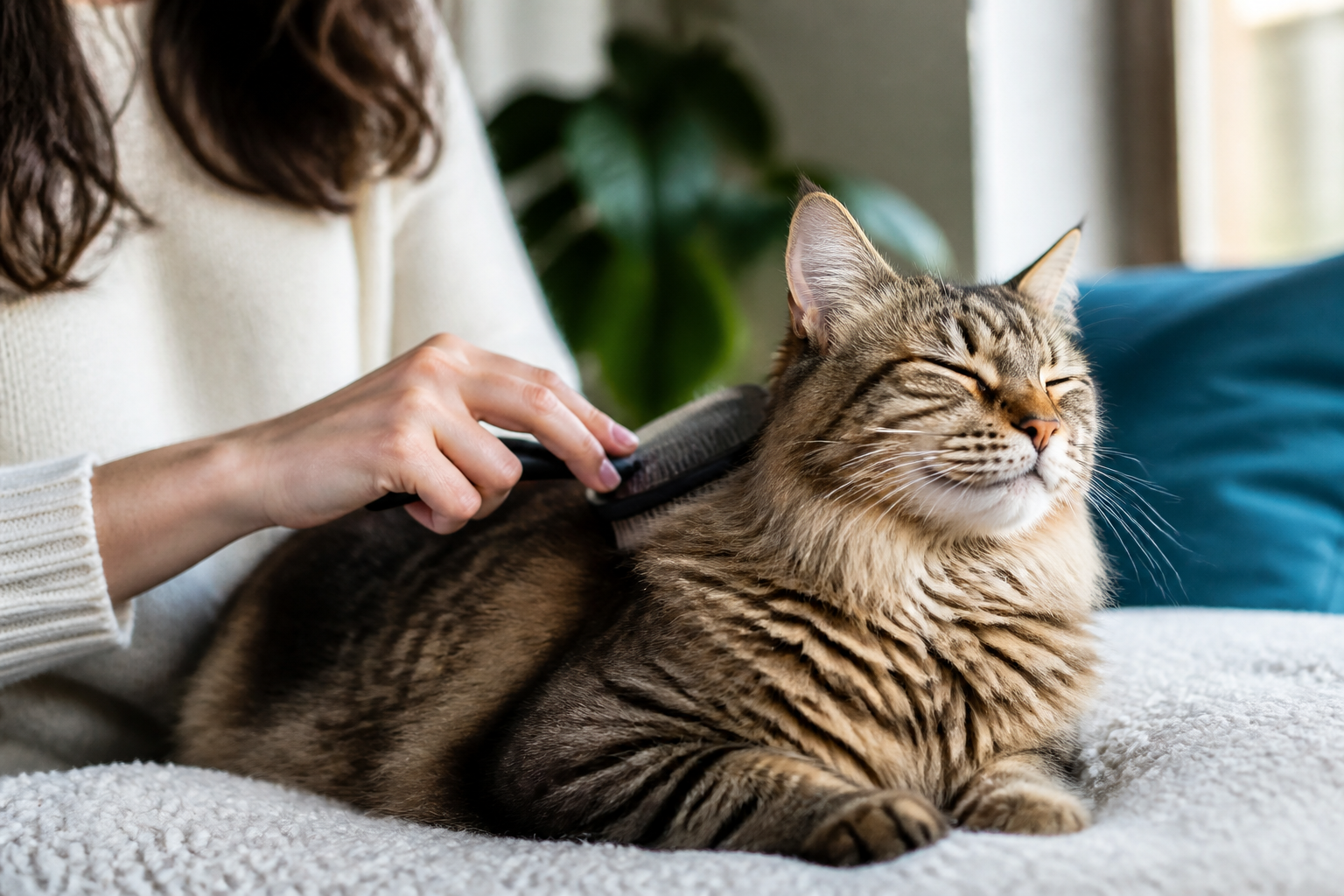
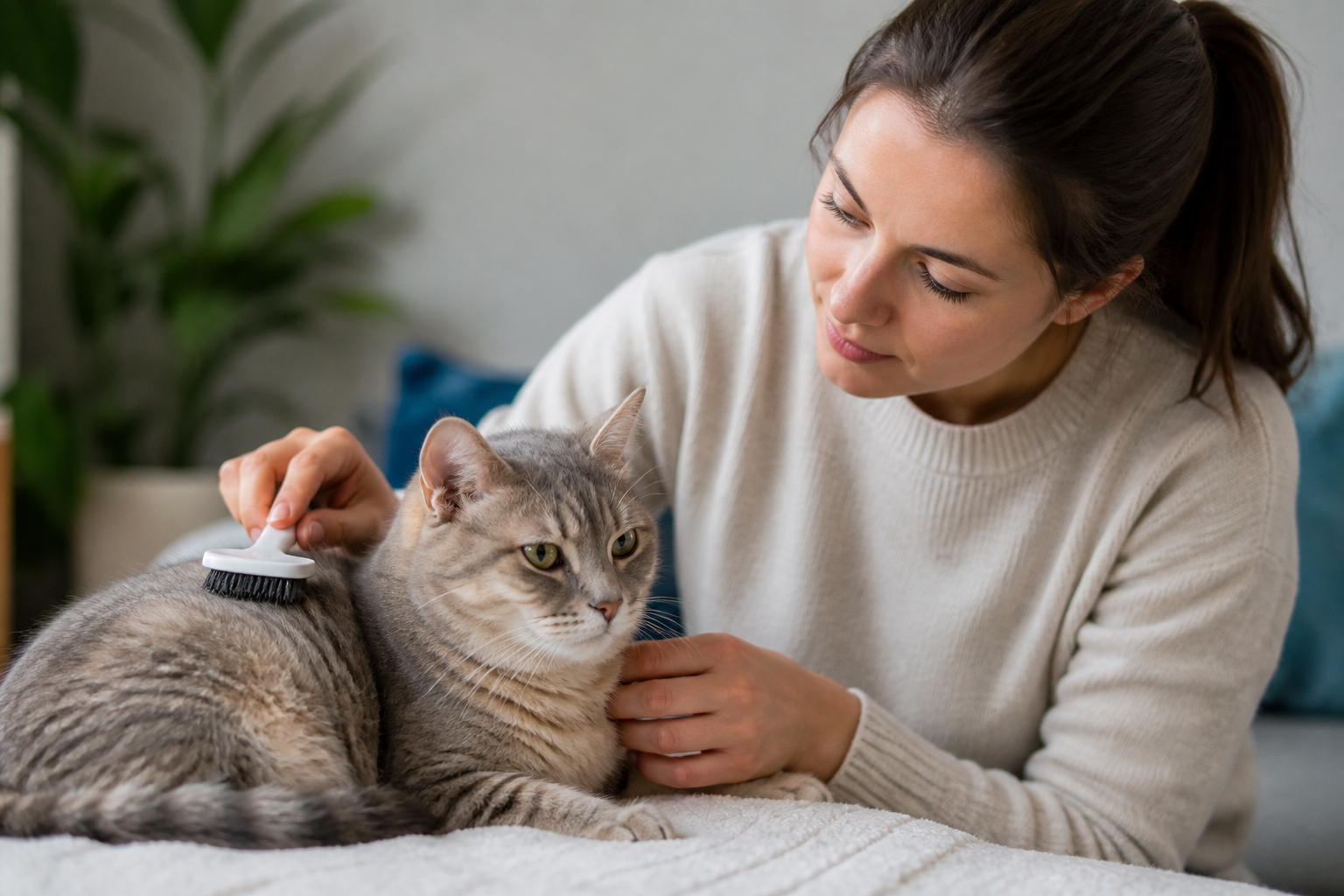
Brushing is the most effective way to manage dandruff. It mimics the natural grooming process by removing dead hair and skin. It also helps distribute the natural oils from the skin across the entire coat. For short-haired cats, brushing once or twice a week is usually enough. Long-haired cats or those with mobility issues may need daily sessions.
Step-by-Step Grooming Routine
Step 1: Choose the right tool. Use a soft slicker brush or a grooming glove that is gentle on the skin. We recommend brands like Kong for durable and effective grooming tools.
Step 2: Start gently. Begin at the head and move toward the tail, following the direction of hair growth.
Step 3: Target the problem areas. Spend extra time on the lower back and the base of the tail where flakes tend to accumulate.
Step 4: Keep it positive. Use treats and praise to make grooming a bonding experience rather than a chore.
Hydration and Humidity
Ensure your cat is drinking enough water. Proper hydration keeps the skin supple from the inside out. Consider a pet fountain if your cat is a picky drinker, as many cats prefer running water. As mentioned earlier, using a humidifier during dry months can also prevent the skin from drying out in the first place.
Veterinary Treatments and the BaxterBoo Pharmacy
When home remedies and basic grooming aren't enough, medical intervention is necessary. Your vet might prescribe specialized treatments depending on the cause of the dandruff. This is especially true for cases involving infections, severe allergies, or parasites.
Many of these treatments are available through our pet pharmacy. Through our partnership with Pet's Choice, we offer FDA-approved medications and prescription pet foods. If your vet determines that your cat needs a prescription diet like Royal Canin Veterinary Diet or Farmina Vet Life, you can easily fulfill those needs with us.
Prescription Options
- Medicated Shampoos: These can treat fungal or bacterial infections that cause scaling.
- Allergy Medications: These help reduce the inflammation that leads to dry skin.
- Prescription Diets: Specifically formulated to support the skin barrier or manage weight.
- Parasite Preventives: High-strength options to clear mites or fleas.
Key Takeaway: Many causes of excessive dandruff require professional medical treatment. Our pharmacy provides a convenient way to access the prescription medications and diets your veterinarian recommends.
Conclusion
Finding dandruff on your cat can be concerning, but it is often a manageable issue. Whether it is caused by dry winter air, a few extra pounds making grooming difficult, or a need for better nutrition, there are clear steps you can take. Start by observing your cat for other symptoms and increasing your brushing routine. If the flakes persist or your cat seems uncomfortable, a vet visit is the best way to ensure there isn't an underlying health condition. At BaxterBoo, we are here to support you with everything from high-quality grooming tools to prescription medications through our pharmacy. Taking a proactive approach to your cat's skin health will keep their coat shiny and their purrs loud for years to come. Consider signing up for our Autoship programme to ensure you never run out of the supplements and food that keep your cat's skin healthy.
FAQ
Can I use human dandruff shampoo on my cat?
No, you should never use human dandruff shampoo on a cat. These products contain ingredients and medications that can be toxic to cats if ingested during grooming. Human shampoos also have a different pH level than feline skin, which can cause further irritation and dryness. Always use a shampoo specifically formulated for cats and approved by your veterinarian.
Does my cat's weight affect their dandruff?
Yes, obesity is a leading cause of dandruff in cats because it physically prevents them from grooming their entire body. Overweight cats often cannot reach their lower back or the base of their tail. This lack of grooming allows dead skin cells and oils to build up, resulting in visible flakes. Managing your cat's weight can often resolve dandruff issues in these areas.
Is cat dandruff the same thing as a flea infestation?
Dandruff and fleas are different, though they can happen at the same time. Dandruff consists of white or gray flakes of dead skin. Fleas are small, dark insects, and their waste (flea dirt) looks like tiny black specks of pepper. If you see white flakes that appear to be moving, your cat may have "walking dandruff," which is actually a type of mite called Cheyletiella.
Will a change in diet help my cat's flaky skin?
A diet change can often improve skin health if the current food is lacking essential nutrients. Skin and coat health rely heavily on high-quality protein and omega-3 fatty acids. If your cat has a food allergy, switching to a limited-ingredient or prescription diet can reduce skin inflammation. Always consult your veterinarian before making significant changes to your cat's diet to ensure it meets their specific needs.