
 Save 15% on your 1st Autoship learn more

 Email us
 Live Chat
 FAQs
FAQs





Introduction
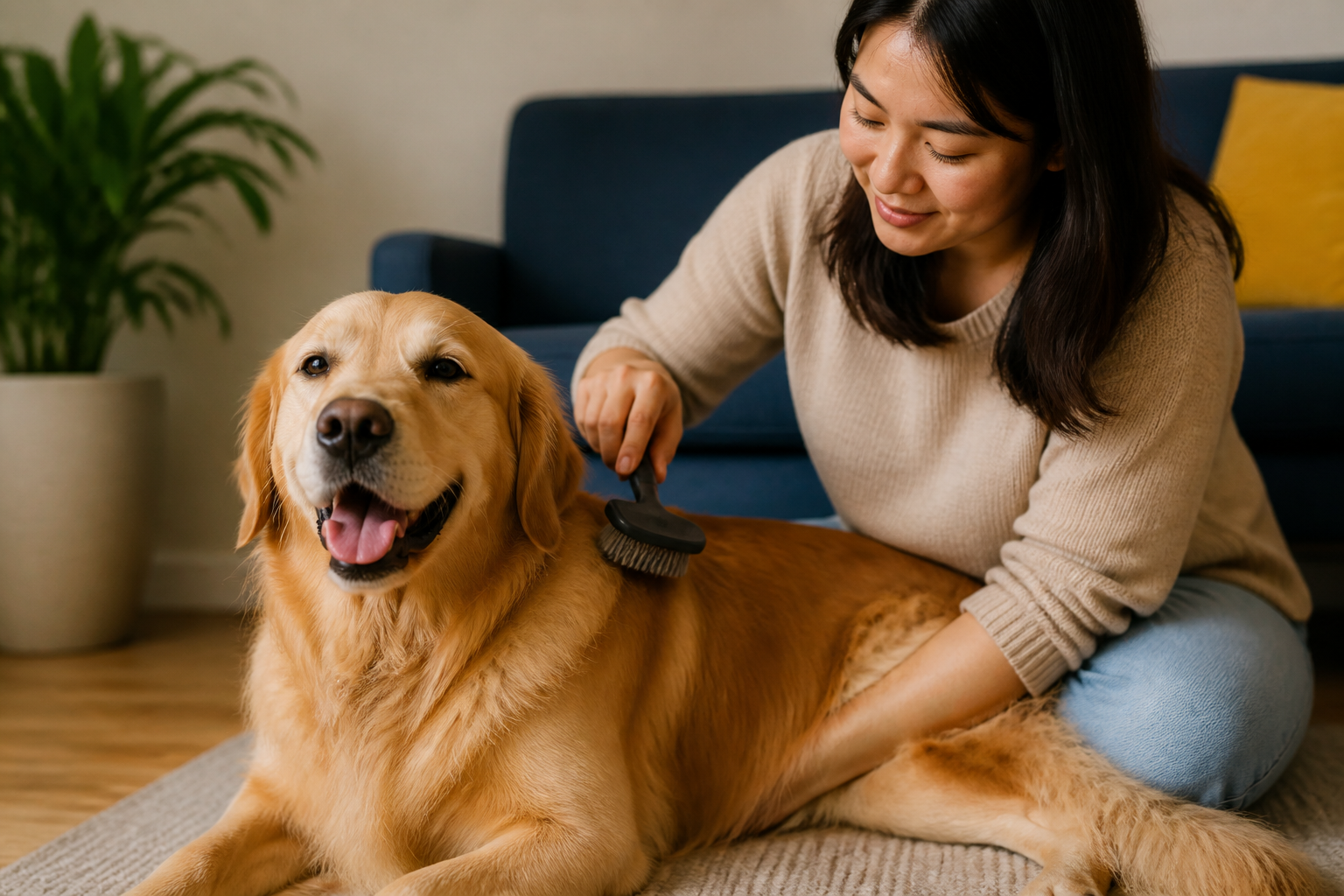
You are sitting on the rug with a slicker brush in one hand and your dog wagging their tail in front of you. It feels like a great way to bond while keeping that layer of fur off your sofa. However, you might wonder if you can actually overdo it. While many owners assume more grooming is always better, the answer depends entirely on your dog's specific coat and skin sensitivity. At BaxterBoo, we want to help you find the perfect balance between a tidy home and a comfortable pet. This guide will explore how different coat types react to daily grooming and the signs that you might be brushing too much. Brushing is a vital part of care, but your technique and frequency must match your dog's unique needs.
Quick Answer: Daily brushing is excellent for dogs with long, curly, or silky coats to prevent painful mats. However, for dogs with short or smooth coats, daily brushing can lead to skin irritation known as brush burn if you are not careful.
The Reality of Daily Brushing
Brushing your dog is about more than just managing the hair on your carpet. It is a health check and a massage all in one. When you run a brush through their fur, you distribute natural skin oils. These oils act as a biological barrier and keep the coat shiny. You also have the chance to spot small lumps, ticks, or skin irritations that might hide under a thick coat.
For many dogs, a daily session is the highlight of their day. It provides a calm moment of connection between you and your pet. However, the skin underneath that fur is thinner and more sensitive than human skin. If you use a tool that is too abrasive or apply too much pressure, you can cause microscopic scratches. These scratches can lead to redness and discomfort.
Most experts agree that frequency is less important than technique. If you are gentle and use the right tools, daily brushing is rarely "bad." It becomes a problem when the grooming schedule does not align with the physical requirements of the hair type. A Poodle needs far more frequent attention than a Boxer. Understanding where your dog falls on this spectrum is the first step toward a healthy routine.
Understanding Your Dog's Coat Type
Every breed has a different hair structure. Some have fur that grows to a certain length and sheds, while others have hair that grows continuously. This distinction changes how often you should reach for the grooming kit.
Smooth Coats
Smooth-coated dogs like Boxers, Pointers, and Dalmatians have very short hair that lies close to the skin. They are generally low maintenance. Because there is very little hair to cushion the skin, these dogs are the most likely to suffer from brush burn. You only need to brush them once or twice a week to keep them tidy. Daily brushing is usually unnecessary and may irritate their skin.
Short Coats
Dogs like Labradors and Beagles have slightly more hair than smooth-coated breeds, but it is still relatively short. A weekly session with a slicker brush is usually enough to remove dead hair. You can follow this with a rubber curry brush to polish the coat. While daily brushing is not strictly harmful for these breeds, it does not provide much extra benefit unless they are in a heavy shedding cycle.
Double Coats
German Shepherds, Huskies, and Samoyeds possess a dense undercoat and a tougher outer coat. These dogs are prolific shedders. During the spring and fall, they "blow" their coats, meaning the undercoat comes out in large clumps. During these seasons, daily brushing is almost a requirement to keep the hair under control. In the off-season, two or three times a week is often sufficient.
Curly and Drop Coats
Poodles and Bichons have curly coats that trap shed hair, which leads to tangles. Yorkshire Terriers and Maltese have "drop coats" with long, fine hair that resembles human hair. Both types are highly prone to matting. For these dogs, daily brushing is highly recommended. If you skip even a few days, small knots can quickly turn into tight mats that pull on the skin and cause pain. For more guidance, read our advice on grooming curly-haired dogs.
Key Takeaway: Match your brushing frequency to the length and texture of the hair. Long, fine, or curly hair needs daily attention, while short, smooth hair thrives with a once-weekly schedule.
The Danger of Brush Burn
Brush burn is a common issue when owners get overzealous with grooming tools. It is essentially a skin abrasion caused by repeated friction from brush bristles or metal pins. You might notice it after a long grooming session or if you focus too much on one specific spot like the thighs or the base of the tail.
Symptoms of brush burn include:
- Red or pink skin visible through the hair.
- The dog licking or scratching a specific area after grooming.
- Small scabs or bumps.
- The dog shying away when they see the brush.
To avoid this, always check the skin as you work. If the skin looks flushed, stop immediately. Move the brush in long, gentle strokes rather than short, scrubbing motions. If your dog already has irritated skin, you should pause all brushing until the area heals completely.
Vet Tip: If your dog develops red, weeping, or painful skin after brushing, consult your veterinarian. They can check for secondary infections. Our pharmacy carries medicated sprays and creams that can soothe irritated skin.
Choosing the Right Tools for the Job
The brush you choose is just as important as how often you use it. Using a heavy-duty de-shedding tool on a dog with a thin coat is a recipe for irritation. We carry over 500 brands at BaxterBoo to ensure you can find the exact match for your pet. Browse our dog grooming supplies to compare brushes, shampoos, conditioners, and other care products.
- Slicker Brushes: These have fine wire bristles. They are excellent for removing tangles and mats in curly or medium-length coats.
- Pin Brushes: These look like human hairbrushes with tipped ends. They are great for long-haired dogs to provide a finished look without pulling too much.
- Bristle Brushes: These are best for short-haired or smooth-coated dogs. They help distribute oils and remove surface dust without scratching the skin.
- Rubber Curry Brushes: These are gentle tools that massage the skin. They are perfect for short-haired breeds and are very unlikely to cause brush burn.
- Undercoat Rakes: These reach deep into double coats to pull out dead hair. They should be used sparingly and never with heavy pressure.
When you use a new tool, start with a very light touch. See how your dog reacts and check the skin after a few strokes. This gradual approach helps you learn the limits of your dog's tolerance.
Essential Steps for a Safe Daily Routine
If you decide that daily brushing is right for your dog, follow a consistent process. This keeps the experience positive and prevents physical damage.
Step 1: Inspect the skin / Look for any existing redness, lumps, or sores before you start.
Step 2: Apply a detangling spray / If your dog has long or curly hair, a light mist helps the brush glide through without tugging.
Step 3: Brush in the direction of hair growth / Never brush against the grain as this can be uncomfortable and cause the hair to snap.
Step 4: Use the "line brushing" technique / For thick coats, part the hair and brush from the skin outward in small sections.
Step 5: Reward and finish / End every session with a small treat or a favorite game to build a positive association.
For additional bathing and detangling guidance, see our tips on bathing your dog.
When Brushing Reveals Skin Problems
Sometimes, the act of brushing brings a hidden health issue to light. If you notice that your dog's skin is extremely flaky, or if they have "hot spots" that are bald and moist, brushing more often will not solve the problem. In fact, it might make it worse.
Persistent skin issues are often linked to allergies, parasites, or environmental sensitivities. If your dog is constantly itchy despite your best grooming efforts, it is time for a professional opinion. Our pharmacy provides access to FDA-approved medications for allergies and skin infections. Working with your vet to address the root cause is much more effective than trying to "brush away" the flakes.
We often recommend looking into high-quality food options as well. Brands like Farmina or Zesty Paws supplements can support skin and coat health from the inside out. A healthy coat starts with a healthy diet, and the right nutrients can make the hair much easier to manage.
Key Takeaway: Brushing is a tool for maintenance, not a cure for underlying skin conditions. Use your grooming time to monitor your dog's overall skin health.
The Role of Dental Brushing
While this guide focuses on the coat, the term "brushing" often brings up questions about dental care. Unlike coat grooming, daily dental brushing is never bad. In fact, it is the gold standard for pet health.
Bacteria and plaque begin to form on the teeth within hours of a meal. If left alone, this plaque hardens into tartar that you cannot remove at home. Daily tooth brushing prevents gum disease and protects your dog's internal organs from bacteria entering the bloodstream.
Always use a toothpaste formulated specifically for dogs. Human toothpaste contains ingredients like xylitol or high levels of fluoride that are toxic to pets. A quick thirty-second brush of the outer surfaces of the teeth once a day can save you from expensive professional cleanings later. You can also explore our dog dental care selection or read our pet dental care tips.
Managing Seasonal Changes
Your grooming routine should not stay the same all year. Most dogs undergo changes in their coat based on the temperature and the amount of daylight.
In the spring, many breeds shed their heavy winter coats. This is the "blow out" phase. During this time, you can safely increase your brushing frequency. You might find that you fill a whole trash can with fur in a single week. Using a row rake or a de-shedding tool during this phase prevents that hair from ending up in your carpets.
In the winter, you might want to brush less frequently or more gently. The air is drier, and the skin can become more prone to itching. Using a moisturizing conditioner or a waterless shampoo can help maintain the skin's moisture barrier when the heater is running inside your home. For more information about seasonal coat changes, read how seasonal shedding affects dogs.
Training a Reluctant Dog
Not every dog enjoys the brush. If your dog hides when they see the grooming kit, daily brushing can become a source of stress. You can change this by using "cooperative care" techniques.
Start by just showing the brush and giving a high-value treat. Do not even touch them with it yet. Once they are happy to see the tool, touch them with the back of the brush and give another treat. Slowly work up to a single stroke, then two. By breaking the process into tiny, rewarding steps, you can turn a scary chore into a relaxing habit.
If your dog is extremely anxious, you might consider calming aids. We carry a variety of anxiety and calming products that can help take the edge off during grooming sessions. A calm dog is much less likely to wiggle, which reduces the chance of accidental scratches or nicks.
The Benefits of Professional Grooming
Even if you brush your dog every day, a visit to a professional groomer every four to eight weeks is a smart move. Professionals have high-velocity dryers that can blow out trapped hair you might miss. They also handle tasks that many owners find difficult, such as trimming hair around the paw pads and ears.
A professional groomer can also give you feedback on your home routine. If they find mats that you missed, they can show you how to improve your technique. This partnership ensures your dog stays in top condition year-round.
Bottom line: Daily brushing is a powerful tool for bonding and health, provided you respect your dog's skin limits and use the correct equipment.
Summary of Brushing Frequency by Breed Type
| Coat Type | Recommended Frequency | Primary Tool |
|---|---|---|
| Smooth (Boxer) | 1-2 times per week | Bristle Brush or Curry Brush |
| Short (Labrador) | Once per week | Slicker and Rubber Brush |
| Double (Husky) | 2-3 times per week* | Undercoat Rake and Slicker |
| Curly (Poodle) | Daily | Slicker Brush and Comb |
| Drop (Yorkie) | Daily | Pin Brush and Slicker |
| Wire (Schnauzer) | Once per week | Slicker and Bristle Brush |
*Increase to daily during seasonal shedding.
Conclusion
Brushing your dog every day is a fantastic way to keep their coat beautiful and their skin healthy. It is only "bad" if you use the wrong tools or ignore the signs of skin irritation. For long-haired and curly-coated breeds, daily care is the best way to prevent painful matting. For smooth-coated dogs, a lighter touch and less frequent schedule are usually better for their sensitive skin. Remember to keep sessions short, positive, and gentle.
If you notice skin redness or persistent itching during your grooming sessions, it may be time to consult a veterinarian. You can find a wide range of supportive tools, supplements, and skin care products in our shop.
- Sign up for our MVP Rewards programme to earn back on every grooming purchase.
- Consider our Autoship programme for regular deliveries of shampoos and dental treats so you never run out.
- Visit our Medical and Mobility section if your dog needs extra support during grooming sessions.
FAQ
Can I give my dog brush burn with a soft brush?
Yes, it is possible if you apply too much pressure or brush the same spot for too long. Even soft bristles create friction against the skin. Always use long, light strokes and move to a different area if the skin begins to look pink or flushed.
What should I do if my dog has a mat I cannot brush out?
Never try to cut a mat out with scissors, as it is very easy to accidentally snip the dog's skin. Instead, apply a detangling spray or a small amount of cornstarch to the knot to help loosen the fibers. If the mat is tight against the skin, it is safest to have a professional groomer or veterinarian remove it with electric clippers.
Does daily brushing reduce shedding?
Daily brushing does not stop the biological process of shedding, but it does manage where that hair ends up. By removing the dead hair with a brush, you prevent it from falling onto your furniture and clothes. It also prevents the shed hair from getting trapped in the coat and causing mats.
Is it okay to brush my dog when their coat is wet?
For most dogs, it is better to brush them when they are dry or only slightly damp. Wet hair is more elastic and can stretch and break more easily. If you must brush a wet dog, use a wide-toothed comb or a brush specifically designed for wet hair to avoid causing damage to the coat.






