
 Save 15% on your 1st Autoship learn more

 Email us
 Live Chat
 FAQs
FAQs





Introduction
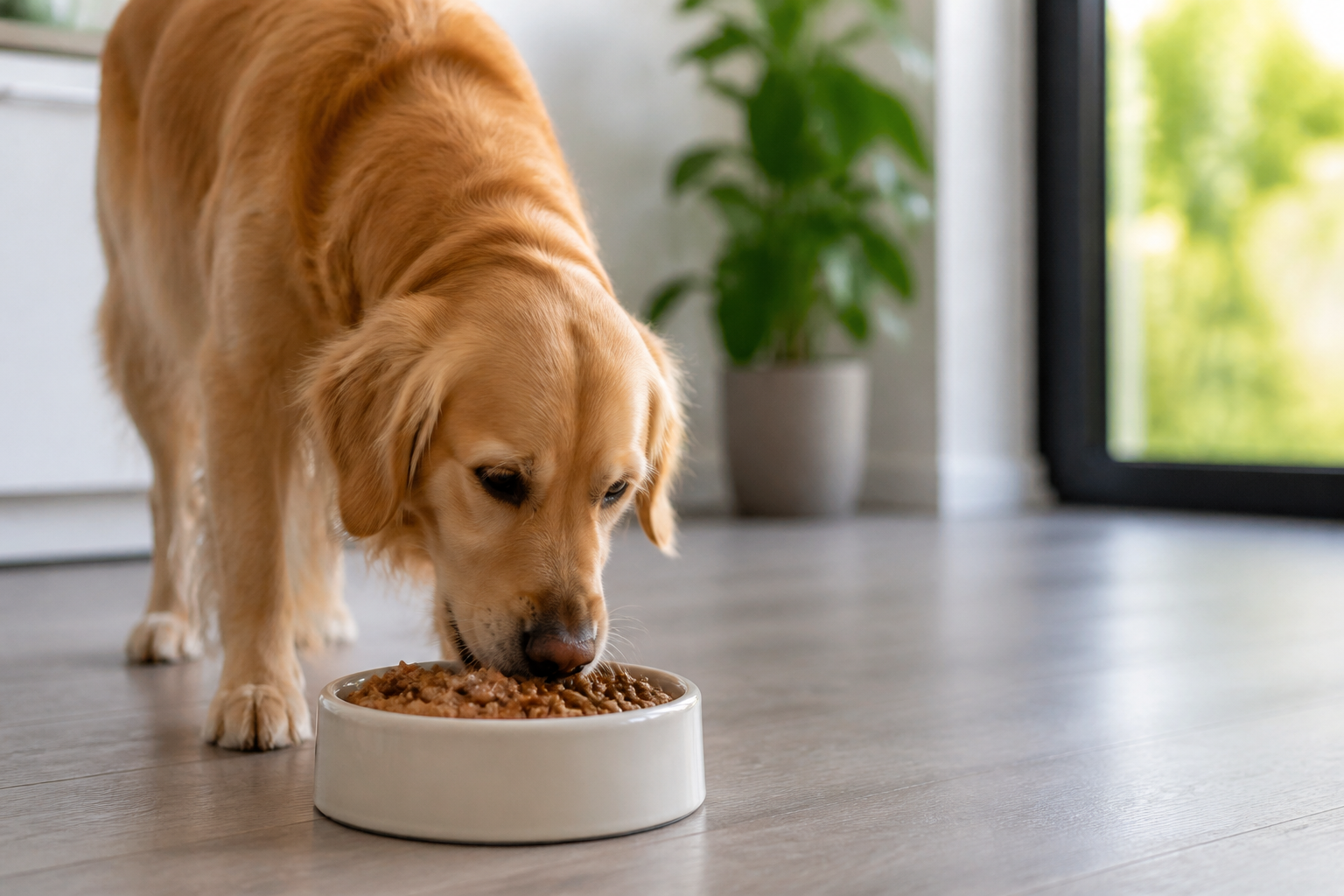
You are standing in your kitchen with a half-empty bag of kibble and a single can of wet food. Your dog is watching you with intense focus. You want to make their dinner more exciting, but you worry about whether mixing these two types of food is safe. You might wonder if it will cause a stomach ache or lead to unwanted weight gain. At BaxterBoo, we help pet parents navigate these daily nutritional choices every single day. Mixing wet and dry dog food is not bad for your pet. In fact, it can provide several health and behavioral benefits when done correctly. This article will explain the safety, benefits, and best practices for combining textures to keep your dog healthy and happy.
Quick Answer: It is perfectly safe to mix wet and dry dog food as long as both products are high-quality and nutritionally balanced. This method can improve hydration and appetite, but you must carefully track total calories to avoid overfeeding.
The Basic Safety of Mixing Textures
The most common concern for pet owners is whether mixing different food types causes digestive distress. For most healthy dogs, the answer is no. Their digestive systems are capable of processing both kibble and canned food at the same time. The key is ensuring that both the wet and dry components are labeled as complete and balanced.
This label means the food meets the nutritional standards set by the Association of American Feed Control Officials. When both foods are balanced, you are simply mixing two different delivery methods of essential vitamins and minerals. You are not diluting the nutrition. You are simply changing the texture and moisture content of the meal.
Many high-quality brands that we carry, such as our selection of Stella & Chewy's products and our selection of Farmina products, offer both wet and dry versions of their formulas. These are often designed to be used together. Using the same brand for both the wet and dry portions can make the transition easier for your dog's stomach. It ensures the ingredient profiles are similar.
Key Takeaway: Mixing is safe for most dogs if you use "complete and balanced" foods. Always check the label to ensure both products meet your dog's current life stage requirements.
Benefits of a Mixed Diet
There are several reasons why you might want to stop serving plain kibble. Most dogs find the variety much more rewarding. It can change their entire attitude toward mealtime.
Improved Hydration
Many dogs do not drink enough water from their bowls. This is especially true for certain breeds or older dogs. Dry kibble usually contains only about 10 percent moisture. Wet food often contains 75 percent moisture or more. By adding a scoop of wet food, you are effectively "hiding" water in their meal. This extra hydration supports healthy kidney function and can help prevent urinary tract issues.
Better Palatability for Picky Eaters
If your dog often walks away from their bowl, they might be bored or find the kibble too hard to chew. Wet food has a much stronger aroma than dry food. This scent triggers a dog's natural desire to eat. Mixing even a small amount of wet food with kibble can make the entire meal smell more appetizing. For dogs who are recovering from surgery or illness, this can be the trick that gets them eating again.
Cost-Effective Nutrition
Feeding a large dog exclusively on high-quality wet food can become very expensive. Canned food generally costs more per ounce than dry food. Mixing the two allows you to provide the luxury of wet food without the high price tag of an all-can diet. You can use the kibble as the nutritional base and the wet food as a flavorful topper.
Vet Tip: If your dog has a history of kidney stones or urinary crystals, the extra moisture from wet food is often a recommended part of their care plan. Always consult your vet before making major changes for a dog with a chronic condition.
Managing Calories and Weight
The biggest risk of mixing wet and dry food is accidental overfeeding. It is easy to assume that a "topper" of wet food does not count as a full meal. However, those extra calories add up quickly.
Kibble is very calorie-dense. A small cup of dry food might contain 400 calories. A can of wet food might contain 350 calories. If you add half a can to a full serving of kibble, your dog is suddenly eating 175 extra calories every day. This will lead to weight gain over time.
To do this correctly, you must use a bit of math. If you want to replace 25 percent of the meal with wet food, you must remove 25 percent of the dry food. Do not just add wet food on top of a full portion of kibble. Every calorie matters for a dog's long-term health.
How to Calculate the Ratio
- Check the calorie count (kcal) per cup for your dry food.
- Check the calorie count (kcal) per can for your wet food.
- Decide on a split, such as 75 percent dry and 25 percent wet.
- Measure the dry portion accurately with a standard measuring cup.
- Use a kitchen scale if you want to be even more precise.
Bottom line: You must reduce the amount of kibble when adding wet food to prevent obesity and joint stress.
Specific Life Stage Considerations
Different dogs have different needs when it comes to food textures. What works for a puppy might not be ideal for a senior dog.
Senior Dogs and Dental Health
Older dogs often suffer from dental disease or missing teeth. For these dogs, hard kibble can be painful to crunch. Mixing wet food with dry food helps soften the kibble. This makes it easier for them to chew and swallow. Additionally, a senior dog’s sense of smell often fades. The strong aroma of wet food from brands like our selection of Stella & Chewy's products can help keep them interested in their food.
Puppies and Growth
Puppies need a specific balance of calcium and phosphorus to grow strong bones. If you are mixing food for a puppy, both the wet and the dry food must be formulated specifically for puppies. Never mix an "adult maintenance" wet food with puppy kibble. This could throw off the delicate nutrient balance they need for development.
Therapeutic and Prescription Diets
If your veterinarian has prescribed a specific diet for a health condition, be very careful. For example, if your dog eats a prescription diet for skin allergies or kidney health, you should only mix the wet and dry versions of that specific prescription. Adding a standard "supermarket" wet food to a therapeutic dry food can ruin the effectiveness of the diet.
Our pet pharmacy carries prescription diets and medications through our pharmacy services. Always talk to your vet before mixing a prescription food with anything else.
The Best Way to Transition
You should never switch your dog's diet overnight. Even if you are just adding a little wet food, their stomach needs time to adjust. A sudden change can lead to gas, bloating, or diarrhea.
Step 1: Start with a very small amount. / Add just one tablespoon of wet food to their normal dry meal.
Step 2: Monitor their stool. / If their digestion stays normal for two days, you can increase the amount.
Step 3: Gradually shift the ratio. / Over the course of a week, slowly decrease the kibble and increase the wet food until you reach your goal.
Step 4: Watch their weight. / Check their body condition every few weeks to ensure they are not gaining or losing too much weight.
Hygiene and Storage Tips
One major difference between wet and dry food is how long it can stay in the bowl. Dry kibble can sit out for several hours without spoiling. Wet food is a different story.
Once you open a can of wet food, it begins to oxidize and attract bacteria. You should never leave mixed food in your dog's bowl for more than 30 to 60 minutes. If your dog does not finish the meal, throw the leftovers away. Leaving it out can lead to foodborne illness or attract pests like flies.
Store opened cans of wet food in the refrigerator. Use a tight-fitting silicone lid or move the food to an airtight glass container. Most wet food stays fresh in the fridge for about three to five days. If your dog does not like cold food, you can let it sit at room temperature for a few minutes before serving. Do not microwave the food in the can, as the metal can spark.
Mixing Checklist
- Check for "Complete and Balanced" on both labels.
- Ensure both foods match your dog's life stage (puppy, adult, or senior).
- Use a clean bowl for every meal.
- Refrigerate opened cans immediately.
- Wash your measuring spoons and scoops daily.
Common Myths About Mixing Food
There are several misconceptions about feeding dogs a mixed diet. Understanding the facts will help you feel more confident in your choices.
The "Kibble Cleans Teeth" Myth
Many people believe that dogs must eat 100 percent dry food to keep their teeth clean. The idea is that the crunching action scrapes away plaque. While some dental-specific kibbles are designed for this, most standard kibble shatters too quickly to provide much benefit. Mixing wet food into the diet does not significantly increase the risk of dental decay. The best way to manage dental health is through regular brushing and professional cleanings, regardless of what food they eat.
The "Digestive Confusion" Myth
Some people worry that the stomach cannot handle different textures at once. This is not true. Dogs evolved as scavengers and hunters. Their systems are designed to handle a variety of proteins, fats, and moisture levels in a single sitting. As long as the ingredients are high-quality, like those found in our selection of Farmina products or our selection of Stella & Chewy's products, your dog will be fine.
The "Spoiled Dog" Myth
You might hear that mixing wet food will make your dog a "diva" who refuses to eat plain kibble ever again. While it is true that dogs prefer the taste of wet food, this is usually a positive thing. A dog who enjoys their food has a better quality of life. If you ever need to go back to plain kibble, you can do so by slowly reversing the transition process.
Key Takeaway: Do not let myths stop you from improving your dog's mealtime. Focus on calorie control and food safety instead.
The Final Word on Mixed Feeding
Mixing wet and dry dog food is an excellent way to provide variety, hydration, and improved taste. It is especially helpful for older dogs with dental issues or younger dogs who are picky about their kibble. The most important factors are choosing high-quality brands and maintaining a strict calorie count.
At BaxterBoo, we carry over 500 trusted brands to help you find the perfect combination for your pet. Whether you are looking for premium kibble from our selection of Orijen products or savory wet toppers from our selection of Tiki Dog products, we have the selection you need. If your dog has a specific health condition that requires a prescription diet, our pharmacy services are here to help you get the right food and medication delivered to your door.
To start your dog on a new mixed feeding routine, we recommend checking out our dog food category to browse both wet and dry options. You can also sign up for our Autoship programme to save on every order. This ensures you never run out of the food your dog loves.
Bottom line: Mixing food is safe, healthy, and rewarding for dogs when you manage the portions and keep things clean.
FAQ
Does mixing wet and dry food cause diarrhea?
It can cause loose stools if you introduce the wet food too quickly. Most dogs have sensitive digestive systems that need time to adjust to new ingredients or higher moisture levels. Start with a very small amount and slowly increase it over a week to prevent stomach upset.
Can I mix two different brands of dog food?
Yes, you can mix different brands as long as both are complete and balanced for your dog's life stage. However, if your dog has a sensitive stomach, sticking to one brand for both the wet and dry portions might be easier for them to digest. Avoid mixing brands if your dog is on a therapeutic or prescription diet.
How do I store a half-used can of dog food?
You should cover the can with a tight lid and place it in the refrigerator immediately after opening. It is best to use the remaining food within three to five days to ensure freshness and safety. If you do not plan to use it that quickly, some wet foods can be frozen in small portions.
How much wet food should I add to my dog's kibble?
A common ratio is 75 percent dry food and 25 percent wet food, but this depends on your dog's caloric needs. You must always reduce the amount of kibble when you add wet food to avoid overfeeding. Consult the feeding guidelines on both packages or ask your vet to help you calculate the exact portions for your dog's weight.






