
 Save 15% on your 1st Autoship learn more

 Email us
 Live Chat
 FAQs
FAQs





Introduction
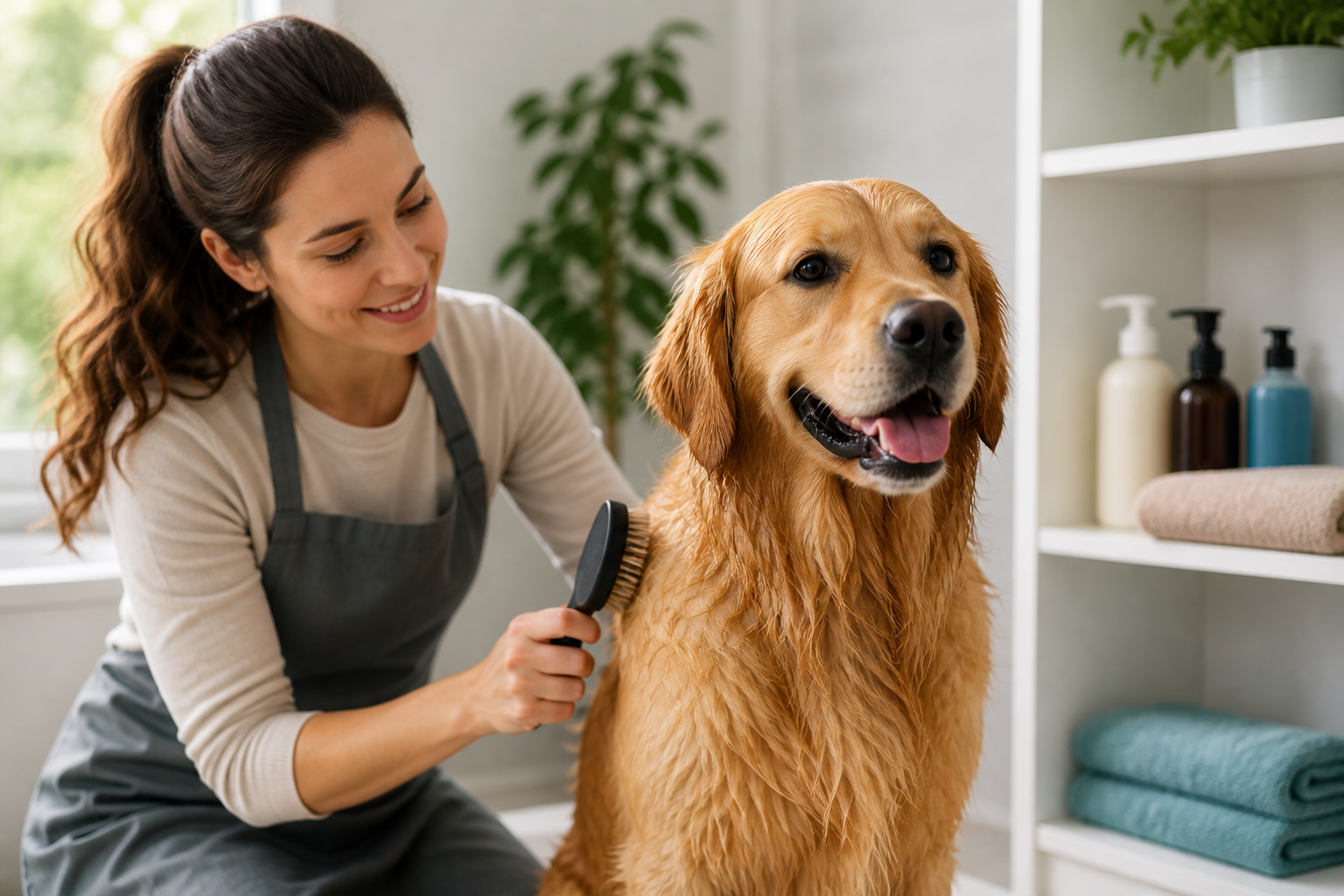
You have just finished bathing your dog and the house smells like a mixture of wet fur and lavender shampoo. You reach for the brush while they are still in the towel, but then you hesitate. You might wonder if you should wait until the coat is completely dry to avoid pulling on their skin. On the other hand, you may have heard that brushing while wet is the only way to manage a thick undercoat. At BaxterBoo, we help pet parents navigate these daily care questions with practical advice from people who live and breathe pet care. This post explores the pros and cons of wet versus dry brushing, the science of hair health, and how to choose the right method for your dog. Finding the right balance will keep your dog's coat shiny and their skin healthy.
Quick Answer: Most dogs should be brushed when their coat is dry or slightly damp with a grooming spray. Brushing a soaking wet coat can lead to hair breakage and skin irritation, while brushing a bone-dry coat often causes static and frizz.
The Science of Your Dog's Coat
To understand why the wet versus dry debate matters, we have to look at the structure of the hair itself. A dog's hair is held together by three types of bonds: hydrogen, disulfide, and salt bonds. These bonds determine the strength, elasticity, and shape of every single strand.
Hydrogen bonds are the ones most affected by water. When your dog's hair gets wet, these bonds temporarily break. This makes the hair more elastic, meaning it can stretch much further than usual. While this sounds like a good thing, it actually makes the hair significantly weaker. If you pull a brush through hair that is saturated with water, you risk stretching the strands until they snap.
The outer layer of the hair, called the cuticle, also reacts to moisture. When water enters the hair shaft, the cuticle swells and lifts. This creates a rougher surface on the hair. Rough hair creates more friction, which leads to those frustrating knots and mats. This is why many groomers warn against brushing a dog that is dripping wet without any protection.
Key Takeaway: Water weakens the hair's internal structure and makes the cuticle swell. This increases the risk of breakage and tangling if you are not careful with your technique.
The Dangers of Brushing a Soaking Wet Dog
Many owners think that brushing during a bath is the best way to get deep into the coat. However, there are several reasons why brushing a soaking wet dog can be counterproductive.
First, water can act like a glue for existing mats. If your dog has tight clumps of fur near the skin, adding water causes those fibers to swell and tighten. This is often called the shoelace effect. Just like a wet knot in a shoelace is harder to untie than a dry one, a wet mat is much more difficult to work through. You may end up pulling on the skin more than necessary, which causes pain and makes your dog dread grooming sessions.
Second, the lack of lubrication is a major issue. Pure water is not a lubricant for hair. In fact, it can make the hair feel "squeaky" and provide more resistance against the pins of a brush. Without a conditioning agent, the brush will tug at the hair rather than glide through it.
Finally, wet skin is more delicate than dry skin. When the skin is warm and damp from a bath, it is softer and more prone to "brush burn" or irritation. Even a gentle slicker brush can leave red marks if used too vigorously on wet skin.
When Dry Brushing Is the Best Choice
For the vast majority of breeds, dry brushing is the gold standard for maintenance. This is especially true for dogs with double coats, like Golden Retrievers, German Shepherds, or Siberian Huskies.
Dry brushing allows you to remove the "dead" undercoat before it has a chance to get wet and heavy. When you brush a dry dog, the hair is at its strongest tensile state. It resists breaking and allows the brush to pull out loose fur that is already detached from the follicle.
Dry brushing is also the most effective way to find hidden mats. You can feel the resistance of a knot more clearly when the hair is dry. If you find a mat while the dog is dry, you can use a detangling tool or your fingers to gently pull it apart without the added complication of water weight.
Benefits of Dry Brushing Before the Bath
- Prevents mats from tightening once they hit the water.
- Reduces the amount of loose fur that ends up clogging your drain.
- Allows shampoo to reach the skin more effectively.
- Keeps the hair at its maximum strength to prevent breakage.
Vet Tip: If your dog has sensitive skin or existing hotspots, always brush them while dry and very gently. If you notice any unusual lumps, bumps, or persistent redness during your brushing routine, consult your veterinarian for a proper exam. Our pharmacy at BaxterBoo also carries skin-soothing treatments if your vet recommends a specific medicated approach.
The Exception: Why Some Pros Love Wet Brushing
Despite the risks, there is a technique known as wet brushing that many professional groomers swear by. However, they are not just using water. The secret to successful wet brushing is the heavy use of conditioner.
When a dog is in the tub and their coat is saturated with a high-quality conditioner, the "slip" provided by the product offsets the weakness of the wet hair. The conditioner coats the hair shaft, smoothing down the cuticle and allowing the brush to glide through without snagging. You can compare available options in our dog shampoo and conditioner collection.
This method is particularly popular for curly-coated breeds like Poodles or Doodles. These dogs have hair that grows in a spiral, which naturally traps shed fur. If you wait until a Poodle is completely dry to brush them, you may deal with extreme static and frizz. Brushing while the conditioner is still on the coat in the tub can help distribute the product evenly and start the detangling process safely.
The Proper Way to Wet Brush
Step 1: Wash the dog thoroughly with a gentle shampoo to remove dirt and oils.
Step 2: Apply a generous amount of conditioner and let it sit for several minutes.
Step 3: Use a wide-toothed comb or a specialized wet brush with flexible pins to gently work through the coat.
Step 4: Rinse the conditioner out completely and towel dry by blotting, not rubbing.
Key Takeaway: Wet brushing should only be done when the hair is protected by a heavy conditioner. Never attempt to brush a wet dog that has only been shampooed.
The Middle Ground: The Damp Brushing Method
If dry brushing feels too harsh and wet brushing feels too messy, the damp method is often the perfect compromise. This involves using a grooming spray or a leave-in conditioner on a dry coat.
A light misting of a detangling spray provides just enough moisture to eliminate static electricity. Static is a common problem in dry climates or during the winter months. When you brush a bone-dry coat, the friction creates a static charge that makes the hair fly away and tangle even more.
A grooming spray acts as a barrier. It lubricates the hair so the brush moves smoothly, but it doesn't saturate the hair enough to break the hydrogen bonds. This keeps the hair strong while making the process much more comfortable for your pet. At BaxterBoo, we often recommend this approach for daily maintenance.
Understanding Different Coat Types
Not every dog needs the same grooming schedule. The answer to whether you should brush wet or dry often depends on what kind of fur your dog has.
Double Coats
Dogs like Labradors or Collies have a stiff outer coat and a soft, fluffy undercoat. You should almost always brush these dogs dry. If you try to brush a wet double coat, the undercoat becomes a heavy, soggy mess that is nearly impossible to manage. Dry brushing with a de-shedding tool like a Kong ZoomGroom can help pull out the loose undercoat efficiently.
Silky Coats
Yorkshire Terriers and Maltese have hair that is very similar to human hair. These breeds are prone to breakage. For them, a damp brush with a leave-in conditioner is usually best. It protects the long, fine strands from snapping while keeping the coat looking polished.
Wire Coats
Terriers with wire coats have a very specific texture that is meant to be weather-resistant. These coats should be brushed dry. Adding water softens the wire texture, which is usually not what owners of these breeds want.
Curly Coats
Poodles and Bichon Frises can handle a bit more moisture. Brushing them while damp helps define the curls and prevents the "poof" factor that comes from dry brushing. For more curly-coat guidance, see our tips for grooming dogs with curly hair.
Bottom line: Identify your dog's specific coat type before choosing your grooming method to ensure you are protecting the hair bonds.
Tool Selection for Wet and Dry Sessions
The brush you choose is just as important as the amount of water you use. Using the wrong tool on wet hair can cause significant damage. Our dog brushes and combs selection includes tools for detangling, smoothing, and coat maintenance.
For dry brushing, a slicker brush is the most common tool. It has fine, short wires close together that are excellent at grabbing loose fur. However, those wires can be sharp. If the hair is wet and the skin is soft, a slicker brush can easily cause irritation.
For wet or damp brushing, a pin brush is a better choice. Pin brushes have longer, more widely spaced teeth, usually with rounded tips. These pins can reach through the wet hair to the skin without scratching. They are designed to detangle rather than remove undercoat.
If you are working on a dog with a lot of mats, a stainless steel comb is essential. You can use the comb to check your work after you think you have finished brushing. If the comb catches, there is still a knot that needs attention.
| Tool Type | Best Used For | Wet or Dry? |
|---|---|---|
| Slicker Brush | Undercoat removal and smoothing | Best for Dry |
| Pin Brush | Detangling long hair | Good for Damp or Wet |
| Rubber Curry Brush | Short-haired breeds and massaging | Great for Wet (in bath) |
| Metal Comb | Checking for mats and finishing | Best for Dry or Damp |
Common Grooming Mistakes to Avoid
Even with the best intentions, it is easy to make mistakes that lead to a "bad hair day" for your dog.
One major mistake is neglecting to rinse the shampoo out completely. If any soap residue is left on the skin, it will cause itching and flakiness. When you brush the dog later, you might mistake this flakiness for dandruff or a skin condition. Always rinse until the water runs completely clear, then rinse for another minute just to be sure.
Another mistake is vigorous towel drying. If you take a towel and rub your dog back and forth quickly, you are essentially matting the hair on purpose. This creates thousands of tiny tangles that you will then have to brush out. Instead, wrap your dog in a towel and squeeze gently to blot the moisture out. For more bathing guidance, read these dos and don'ts for bathing your dog.
Finally, many owners forget to brush the "friction areas." These are the spots where the hair rubs together, such as under the armpits, behind the ears, and where the collar sits. These areas mat quickly and often require a bit of grooming spray and a careful comb-through regardless of whether the rest of the dog is wet or dry.
The Role of Nutrition and Health in Coat Care
While brushing is important, a healthy coat starts from the inside. If your dog's hair is brittle and breaks easily regardless of whether it is wet or dry, there may be a nutritional gap.
Premium foods like Royal Canin or Farmina Vet Life are formulated to support skin and coat health with specific ratios of Omega-3 and Omega-6 fatty acids. If the coat is dull, dry, or thinning, it is a good idea to talk to your vet.
Sometimes, persistent skin issues require more than just a good brushing routine. If your dog is constantly itching or has developed a fungal infection from moisture being trapped in the coat, they may need medicated help. Through our partnership with Pet's Choice, the BaxterBoo pharmacy provides access to prescription shampoos and treatments that can help get the skin back to a healthy state. A healthy skin barrier makes the grooming process much more comfortable for your pet.
Managing the Senior Dog's Coat
As dogs age, their skin becomes thinner and their coats may become more sparse or brittle. Senior dogs also often struggle with joint stiffness, which makes standing for a long grooming session difficult.
For seniors, we recommend keeping the sessions short and sticking to the damp brushing method. Using a warm damp cloth to wipe them down followed by a gentle brushing can be very soothing. It stimulates blood flow to the skin and provides a gentle massage for tired muscles.
If your senior dog has mobility issues, you can brush them while they are lying on a soft bed. You don't always need to have them standing on a grooming table or in a tub. Comfort should be the priority for older pets. We also carry mobility aids and joint supplements like Cosequin to help keep them comfortable during their daily routines.
Tips for a Stress-Free Grooming Session
Grooming should be a bonding experience, not a battle. Whether you are brushing wet or dry, keep the mood light and positive.
- Use high-value treats to reward your dog for staying still.
- Start with the areas your dog likes being touched, like the chest or shoulders.
- Keep sessions short, especially if you are working on a difficult mat.
- Use a calm, soothing voice throughout the process.
- If your dog shows signs of stress, like panting or pulling away, take a break.
If you are consistent, your dog will eventually learn that the brush means treats and attention. This makes your job much easier and keeps their coat in top condition.
Summary of Best Practices
Maintaining a dog's coat is a balance of science and patience. While dry brushing is the safest and most common method for most owners, wet brushing has its place when done with the right products.
Key Takeaway: Dry brush before the bath to remove loose fur and identify mats. Use a conditioning spray for daily damp brushing to prevent static. Only brush a wet dog if they are covered in conditioner and you are using a flexible pin brush.
By following these guidelines, you can prevent unnecessary breakage and keep your dog looking their best. Whether you are visiting our warehouse in Vernon Hills or ordering your grooming supplies online, we are here to support your pet care journey. Our curated selection of dog grooming supplies ensures you have the right tools for whichever method you choose.
FAQ
Can I brush my dog's hair while they are still in the bath?
Yes, but only if you have applied a generous amount of conditioner first. Brushing a dog with just shampoo or water in their hair can cause the strands to stretch and snap. Use a rubber curry brush or a wide-toothed comb to gently work the conditioner through the fur. This is a great way to distribute the product and start the de-shedding process before you even leave the tub.
Why does my dog's hair feel frizzy after I brush it dry?
Frizz is usually caused by static electricity or damage to the hair cuticle. When you pull a dry brush through dry hair, it creates a static charge that makes the hairs repel each other. To fix this, lightly mist the coat with a grooming spray or a leave-in conditioner before you start. This adds just enough moisture and lubrication to keep the hair smooth and controlled.
What should I do if I find a large mat while my dog is wet?
If you find a large mat on a wet dog, do not try to brush it out immediately. Applying more pressure to a wet mat can make it tighter and more painful for the dog. Instead, apply extra conditioner to the spot and try to gently pull it apart with your fingers. If that doesn't work, wait until the dog is completely dry, apply a detangling spray, and use a specialized mat-breaking tool or a comb to slowly work it out.
Is it okay to let my dog air dry without brushing?
Air drying is fine for short-haired breeds, but for long-haired or double-coated dogs, it can lead to problems. As the hair dries, it can "clump" together, forming new tangles. For best results, towel dry your dog by blotting out the water, then give them a quick brush once they are about 80 percent dry. This helps the coat lay flat and ensures that moisture isn't trapped against the skin, which can lead to hot spots or irritation.






