
 Save 15% on your 1st Autoship learn more

 Email us
 Live Chat
 FAQs
FAQs





Introduction
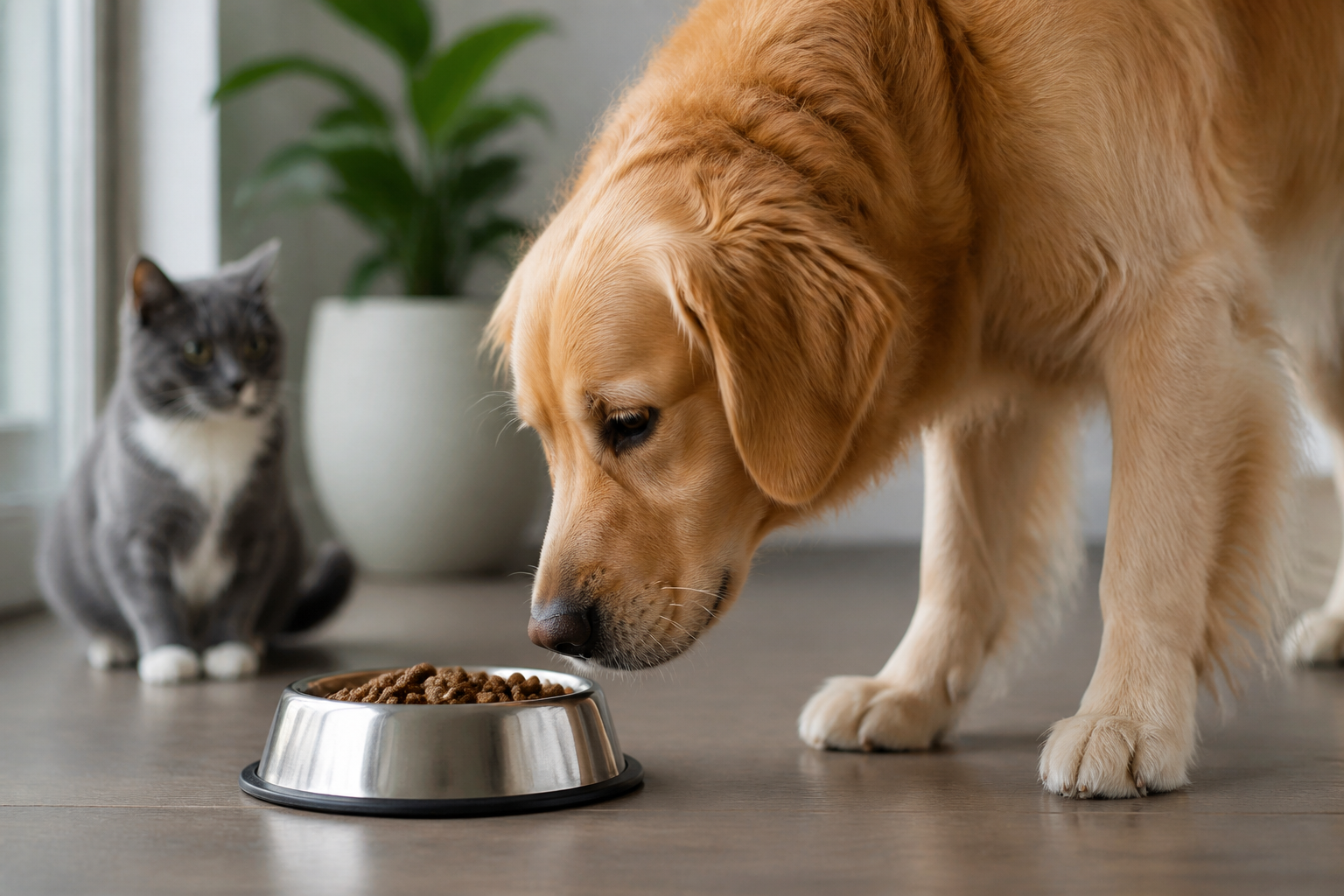
You are finishing up the dishes when you hear a rhythmic crunching coming from the laundry room. You find your dog with their head buried deep in the cat's bowl, happily polishing off the last of the salmon-flavored kibble. It is a scene played out in multi-pet households across the country every single day. Most dogs find the rich scent and high fat content of cat food nearly impossible to resist. At BaxterBoo, we have talked to countless owners who worry if this kitchen-counter heist requires an emergency vet trip or if it is just a harmless snack. This guide covers the nutritional differences between the species, the risks of long-term feeding, and how to protect your cat's dinner. While a single stolen bite usually is not a crisis, making cat food a habit can lead to serious health complications for your dog.
Why Dogs Are Drawn to the Cat Bowl
It is no secret that many dogs prefer the cat's dinner to their own. The reason is simple: cat food is designed to be highly palatable for a much pickier eater. Cats are obligate carnivores, meaning their bodies require meat to survive. To satisfy those needs, manufacturers pack cat kibble with significantly higher levels of protein and fat than what you find in standard dog food.
This creates a very strong, meaty aroma that acts like a magnet for dogs. Your dog does not see a nutritional imbalance when they look at that bowl. They see a high-calorie, flavor-dense treat that smells much more interesting than their own balanced meal. Many dogs also enjoy the smaller, crunchier texture of cat kibble, which can feel like a new variety of treat.
The Biological Difference Between Dogs and Cats
To understand why sharing food is a problem, you have to look at how these two animals process nutrients. Dogs are omnivores. They have evolved to derive energy and nutrition from a wide variety of sources, including animal proteins, grains, and vegetables. Their digestive systems are flexible and efficient at breaking down complex carbohydrates.
Cats operate on a completely different biological blueprint. As obligate carnivores, their bodies are specifically tuned to process animal tissues. They have a much shorter digestive tract designed for rapid protein absorption. They also have unique requirements for specific amino acids and vitamins that dogs can often produce on their own or find in plant-based ingredients.
Quick Answer: It is safe for most healthy dogs to eat a few pieces of cat food as an occasional treat. However, it should never replace a balanced dog diet because the high fat and protein levels can cause weight gain and digestive distress.
Comparing Nutritional Profiles
The Association of American Feed Control Officials (AAFCO) sets the standards for pet food in the United States. When you look at the minimum requirements for each species, the gap becomes clear. Adult dog food typically requires a minimum of 18 percent protein and 5.5 percent fat. In contrast, adult cat food requires at least 26 percent protein and 9 percent fat.
These are just the minimums. Many premium dry cat foods found in our cat food category actually contain 30 to 40 percent protein. For a dog, this is like eating a diet of rich dessert every single day. While it might taste great, it puts an enormous amount of pressure on their internal organs to process those concentrated nutrients.
Key Nutrient Variations
- Taurine: Cats must have this amino acid added to their food to prevent heart and eye disease. Most dogs can synthesize their own taurine.
- Vitamin A: Cats require preformed Vitamin A from animal sources. Dogs can convert beta-carotene from plants into Vitamin A.
- Arachidonic Acid: This is an essential fatty acid that cats cannot produce on their own, but dogs can.
- Protein Density: Cat food is significantly more calorie-dense, which can quickly lead to obesity in dogs.
Short Term Risks of Eating Cat Food
If your dog just finished a whole bowl of cat kibble, the most immediate concern is gastrointestinal upset. Because cat food is so rich, it can be a shock to a dog's digestive system. You might notice your dog acting restless or showing signs of abdominal discomfort.
Common short term symptoms include:
- Vomiting shortly after eating.
- Loose stools or diarrhea.
- Excessive gas and bloating.
- Decreased appetite for their own food.
Most of the time, these symptoms resolve within 24 hours. If the vomiting is persistent or if your dog seems lethargic, it is time to call your veterinarian.
Vet Tip: If your dog consumes a large amount of cat food, consider skipping their next scheduled meal. This gives their digestive system time to process the high fat load without adding more work.
The Danger of Pancreatitis
The most significant medical risk for a dog eating cat food is pancreatitis. This is an inflammation of the pancreas, an organ that helps digest food and regulate blood sugar. When a dog eats a meal that is much higher in fat than they are used to, it can cause the pancreas to become overactive and inflamed.
Pancreatitis is a painful and potentially life-threatening condition. Some dogs are more sensitive to fat than others. For a sensitive dog, even a small handful of cat kibble can trigger an attack. Symptoms of pancreatitis include hunched posture, severe abdominal pain, repeated vomiting, and fever. This condition requires immediate veterinary intervention and often involves hospitalization and fluid therapy.
Long Term Health Complications
Feeding cat food as a regular part of a dog's diet leads to a different set of problems. Over time, the nutrient imbalances can take a toll on the body. One of the primary issues is weight gain. Because cat kibble is so calorie-dense, a dog eating it daily will likely become obese quite quickly. Obesity leads to joint pain, respiratory issues, and a shorter lifespan.
The high protein levels also pose a risk to dogs with underlying health conditions. If a dog has early-stage kidney or liver disease, the extra protein puts a massive strain on these organs. The kidneys have to work much harder to filter the waste products of protein metabolism. In a healthy dog, this might go unnoticed for a while. In a dog with compromised organs, it can lead to a rapid decline in health.
Key Takeaway: Cat food is a "nutritional mismatch" for dogs. While it is not toxic, the high fat and protein levels are formulated for a feline's unique metabolism and can damage a dog's organs over time.
Managing Multi-Pet Feeding
Keeping your dog away from the cat's bowl is the best way to prevent these issues. This often requires a change in how you manage your home environment. Many dogs are opportunistic scavengers and will continue to steal food as long as it is accessible.
Physical Barriers
The most effective way to stop the behavior is to move the cat's food to a place the dog cannot go. Since cats are natural climbers, feeding them on a sturdy counter, a high cat tree, or a dedicated feeding shelf works well. If you have a senior cat who cannot jump, you can use a baby gate with a small pet door that only the cat can fit through.
Technology Solutions
If your dog and cat are similar in size, physical barriers might not work. In these cases, microchip-activated feeders are excellent tools. These feeders only open when they sense the specific microchip or collar tag of your cat. When the cat walks away, the lid closes, keeping the dog locked out.
Scheduled Feedings
Many people leave dry cat food out all day for "free feeding." This creates a constant temptation for the dog. Switching to scheduled meal times allows you to monitor exactly what each pet is eating. You can feed your pets in separate rooms and close the doors until everyone is finished.
Key Takeaway: Prevention is easier than training. Using vertical space or microchip technology removes the temptation entirely and reduces household stress.
Transitioning Back to Dog Food
If your dog has developed a "cat food addiction" and refuses their own kibble, you will need to be patient. You can make their dog food more appealing by adding a small amount of warm water or a vet-approved topper to enhance the aroma. Avoid the temptation to give in and offer cat food just because they are being picky. A healthy dog will not starve themselves and will eventually return to their own balanced diet.
We carry a wide variety of high-quality dog foods from trusted brands like Royal Canin, ACANA, and Orijen. These formulas provide the meaty flavor dogs crave but with the precise balance of fiber and minerals they need for long-term health. Finding a dog food your pet truly loves is the best way to keep them from eyeing the cat's bowl.
When to See a Veterinarian
If your dog is a frequent cat-food thief, it is worth mentioning to your vet during your next check-up. They can perform blood work to ensure your dog’s kidney and liver values remain within a healthy range. This is especially important for senior dogs who may be less able to handle nutritional imbalances.
If your dog develops chronic issues like weight gain, skin allergies, or recurring stomach upset from their dietary habits, your vet may recommend a therapeutic diet. Our pet pharmacy carries a range of FDA-approved prescription pet foods. These specialized diets can help manage weight, support kidney function, or soothe a sensitive digestive tract if your dog has experienced a bout of pancreatitis.
Steps for a Food Stealing Incident
Step 1: Determine the amount consumed. / Check how much was missing from the cat's bowl to gauge the potential for a stomach upset.
Step 2: Monitor for physical symptoms. / Watch for vomiting, diarrhea, or a distended abdomen over the next twelve to twenty-four hours.
Step 3: Provide plenty of fresh water. / Hydration helps the body process the extra salt and protein found in cat kibble.
Step 4: Rest the digestive system. / Offer a bland meal or wait until the next scheduled feeding time to let the stomach settle.
Keeping Your Dog Healthy
At BaxterBoo, we believe that the best care starts with the right nutrition. We have been helping pet owners find the perfect gear and food since 2006, and we know how tricky it can be to manage a multi-pet home. While an occasional stolen piece of cat kibble is not a reason to panic, keeping the two diets separate is vital for your dog's longevity.
Our team carefully curates our selection to ensure you have access to the best products for every life stage. Whether you need a high-protein dog food that satisfies a meat-lover or a gate to keep the dog out of the laundry room, we are here to help.
Bottom line: Stick to species-specific food to avoid the risks of pancreatitis and obesity.
Conclusion
While the answer to "is it ok for dogs to eat dry cat food" is technically yes for a single bite, it is a firm no for a regular diet. The high fat and protein levels in cat food are simply too much for the average dog to handle. By using high feeding stations, separate rooms, or microchip feeders, you can protect your dog's health and your cat's dinner. If your dog has managed to snag a large amount of cat food and is showing signs of distress, consult your veterinarian immediately. For those managing ongoing health needs or looking for specialized nutrition, our pharmacy and wide selection of dog foods provide everything you need to keep your pup on the right track. Explore our dog food category or check out the MVP Rewards programme to earn back on every bag of the right food for your dog.
FAQ
Can a dog get sick from eating just one bowl of cat food?
Yes, some dogs can experience immediate vomiting or diarrhea because cat food is much richer than their standard diet. For dogs with a sensitive stomach or a history of pancreatitis, even one bowl can trigger a painful inflammatory response. It is always best to monitor your dog closely if they manage to raid the cat's food supply.
Why does my dog seem to like cat food more than their own?
Cat food contains higher levels of fat and animal protein, which produces a much stronger and more enticing aroma. Since dogs rely heavily on their sense of smell to determine what is tasty, the concentrated scent of cat kibble makes it seem like a high-value treat. Many dogs also enjoy the specific crunch and small size of cat-specific recipes.
Will cat food make my dog gain weight?
If eaten regularly, cat food will almost certainly lead to weight gain in dogs because it is significantly more calorie-dense than dog food. A small amount of cat kibble contains many more calories than the same amount of dog kibble. This extra energy is quickly stored as fat if the dog is not extremely active.
Is there any benefit to giving a dog cat food?
There are very few situations where cat food is beneficial for a dog, though a vet might occasionally suggest it for a dog that is severely underweight or refusing all other food. In these rare cases, the high calorie and protein content can help with weight gain. However, this should only be done under strict veterinary supervision to avoid damaging the kidneys or causing pancreatitis.






