
 Save 15% on your 1st Autoship learn more

 Email us
 Live Chat
 FAQs
FAQs





Introduction
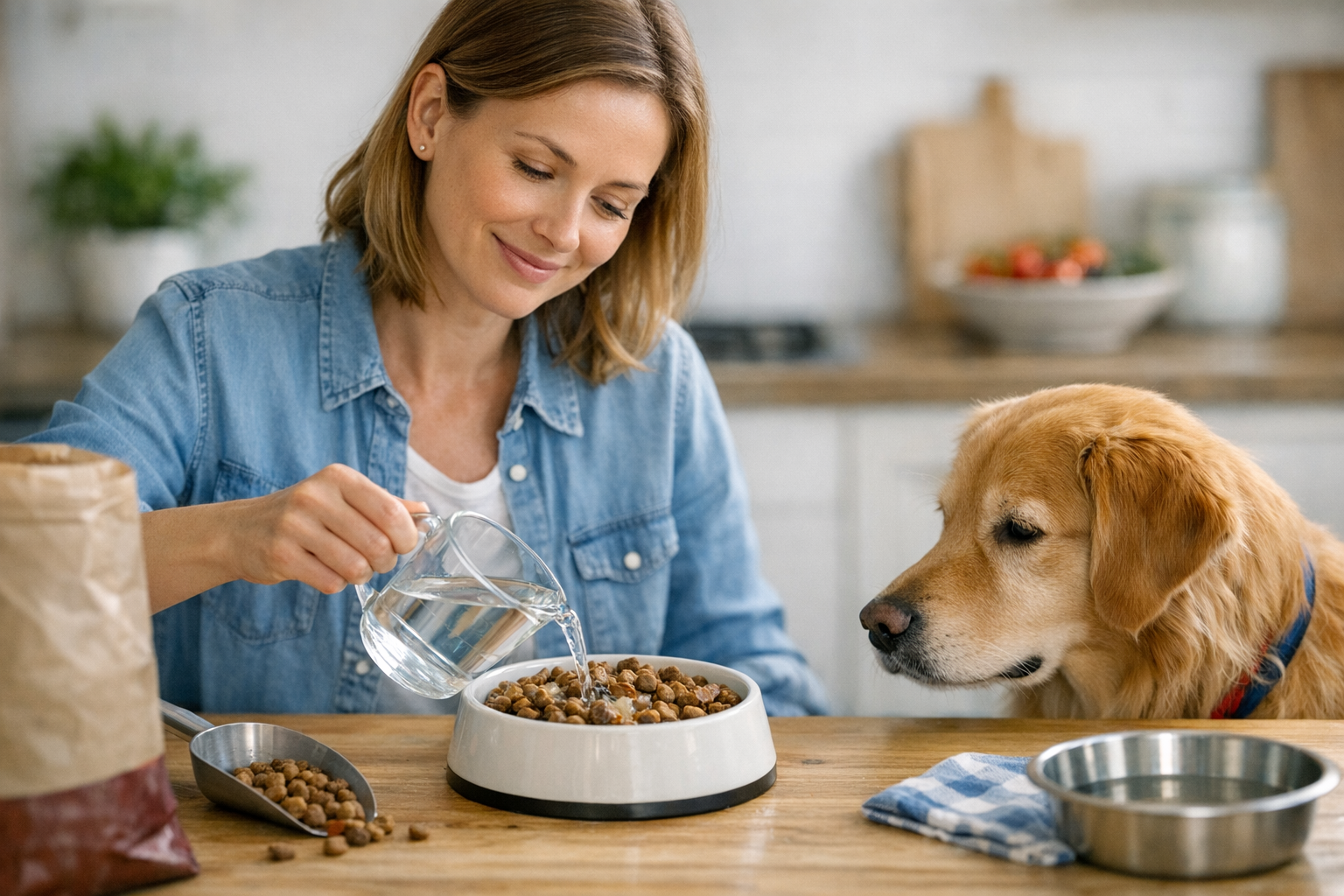
You fill your dog's bowl with premium kibble, but they just stare at it with a look of hesitation. Perhaps your puppy is struggling to crunch through those hard nuggets, or your senior dog has slowed down because of dental discomfort. It is a common scene in many households. You might wonder if a little splash of water could make the meal more appealing or easier to manage. At BaxterBoo, we hear this question frequently from owners who want to support their pet's nutrition without causing digestive upset. If you are comparing options, start with our dog food category. Adding water to dry food is a common practice, but it requires a bit of care to do safely. This post covers the benefits of softening kibble, the potential risks of bacteria, and how to transition your pet properly. While adding moisture is generally helpful, there are specific safety rules every pet owner should follow.
Why Pet Owners Consider Softening Kibble
Adding water to dry food is not just about making the food "mushy." It fundamentally changes the eating experience for your dog. For many pets, dry kibble can be a bit monotonous. The hard texture is designed for shelf stability and convenience, but it does not always align with how a dog would eat in a natural setting.
Quick Answer: Yes, it is perfectly okay to soften dry dog food with water. It can improve hydration, make the food easier to chew for seniors or puppies, and enhance the natural aroma of the meal to encourage picky eaters.
The most immediate benefit is hydration. Many dogs are "lazy drinkers" who do not visit the water bowl as often as they should. By adding water directly to their food, you ensure they receive a significant portion of their daily fluid intake during mealtime. This is particularly important for dogs prone to urinary tract issues or those living in hot climates.
Another reason is palatability. Dry food is coated with fats and flavor enhancers that smell much stronger when they are warmed and moistened. If your dog has lost interest in their diet, a little warm water can release those scents, making the bowl much more enticing. For young dogs especially, our puppy shop can be a helpful next stop when you are thinking through feeding changes.
The Physical Benefits of Moistened Food
When you add water to kibble, the pellets act like small sponges. They expand and soften, which changes how the food moves through the digestive tract. This can be a significant advantage for certain types of dogs.
Support for Senior Dogs and Puppies
Senior dogs often suffer from periodontal disease, missing teeth, or sensitive gums. Crunching down on hard kibble can be physically painful for them. Softening the food allows them to eat a complete, balanced diet without the discomfort of chewing. Puppies, on the other hand, often go through a "teething" phase where their mouths are sore. Softened food provides the nutrition they need for growth without irritating their developing gums.
Satiety and Weight Management
Dry food is incredibly nutrient dense. This means a small volume of food contains a lot of calories. For a dog on a weight loss plan, the portion in their bowl might look disappointing. When you add water, the kibble expands, often doubling in size. This increased volume helps the dog feel physically full, even if they are eating the same number of calories. This "satiety" factor can prevent your dog from begging for scraps shortly after finishing their dinner.
Preventing "Bolting"
Some dogs eat like they are in a race. They bolt their food down whole without chewing. This can lead to choking or a messy cleanup later if they regurgitate the unchewed kibble. Softened food is much harder to "bolt" in the same way, and if they do swallow it quickly, the pre-moistened texture is much easier on the esophagus and stomach.
Key Takeaway: Softening kibble is a practical way to manage hydration, dental discomfort, and satiety, making it an excellent choice for senior pets and picky eaters.
Potential Drawbacks and Safety Concerns
While adding water has many benefits, it is not without risks. Moisture and warmth are the two primary ingredients for bacterial growth. Once you add water to a bowl of kibble, you have essentially created a "wet food" environment, and the rules for food safety change immediately.
The Risk of Spoilage
Dry kibble is designed to sit out. Many owners "free feed," leaving a bowl of dry food out all day. You cannot do this with moistened food. Once water is added, the food should not sit at room temperature for more than 60 minutes. After an hour, bacteria such as Salmonella or Listeria can begin to multiply, especially in warmer weather.
Impact on Dental Health
There is a long standing debate about whether dry kibble actually cleans a dog's teeth. While the mechanical "scrubbing" action of dry kibble is not a substitute for brushing, it does provide some level of abrasion that can help reduce plaque buildup. When you soften the food, you lose that abrasive quality. If you choose to feed softened food long term, you may need to be more diligent with dental treats or tooth brushing.
Digestive Changes
Some recent studies have looked at the impact of water-softened food on the gut microbiome. In some cases, feeding softened food to healthy dogs resulted in a shift in gut bacteria, sometimes increasing the presence of certain pathogenic bacteria. While this is not a concern for every dog, it highlights that changing the texture of food can change how the body processes it.
Vet Tip: If your dog has a sensitive stomach or chronic digestive issues, consult your veterinarian before making the switch to softened food. They can help you determine if a prescription diet from our pet pharmacy is a better fit for your pet's specific needs.
How to Properly Soften Dry Dog Food
If you decide to start softening your dog's food, doing it the right way ensures the best results and the highest level of safety. Follow these steps to create a perfect meal for your pup.
Step 1: Choose your liquid. / While plain water is the most common choice, you can also use low-sodium bone broth designed for dogs.
Step 2: Use the right temperature. / Warm water is best because it soaks in faster and releases more aroma. Avoid boiling water, as it can destroy some of the heat-sensitive vitamins in the kibble and burn your dog's mouth.
Step 3: Find the right ratio. / Start with a 1:4 ratio (one part water to four parts kibble). You can increase this to a 1:1 ratio if your dog prefers a very soft, mushy texture.
Step 4: Allow time to soak. / Let the bowl sit for 10 to 15 minutes. This gives the moisture time to reach the center of the kibble.
Step 5: Serve and monitor. / Offer the food to your dog and watch how they react. If they leave any behind, pick it up and discard it after an hour.
Checklist for Success
- Use filtered or clean tap water.
- Never use human-grade broths containing onions or garlic.
- Wash the food bowl thoroughly with soap after every softened meal.
- Monitor your dog for any changes in stool consistency during the first week.
Bottom line: Preparation is key. Using warm water and allowing a 15-minute soak creates a safe, palatable meal that mimics the texture of wet food.
Alternatives to Plain Water
Sometimes plain water is not enough to convince a truly stubborn eater. If you are looking to boost nutrition alongside moisture, there are several other options to consider.
Dog-Safe Bone Broth
Bone broth is packed with collagen, amino acids, and minerals that support joint health and digestion. For more ideas on adding moisture and flavor, browse our food topper and broths category. These are much safer than grocery store versions, which often contain high levels of salt or toxic ingredients like onions.
Goat Milk
Raw or fermented goat milk is often called "universal milk" because it is highly digestible for both dogs and cats. It is loaded with probiotics that support a healthy immune system. Adding a splash of goat milk to kibble provides moisture plus a massive boost of beneficial bacteria for the gut.
Wet Food Toppers
If you want to keep some of the crunch but add moisture and flavor, consider a wet food topper. Our selection of Stella & Chewy's products includes food toppers and meal mixers that can help make mealtime more enticing. Mixing a small amount of wet food with dry kibble and a little water creates a variety of textures that many dogs find irresistible.
Dehydrated or Freeze-Dried Food
If you find yourself constantly adding water to kibble, you might prefer a dehydrated food like The Honest Kitchen. These foods are designed to be rehydrated before serving. They provide the convenience of dry food storage with the high moisture content of a fresh diet.
Special Considerations for Senior Dogs
As dogs age, their nutritional needs change. They may require more protein to maintain muscle mass but fewer calories overall. They also face more health challenges that make eating difficult.
Our NutriSource selection is one place to look if your senior dog needs a formula made for easier digestion and life-stage support. If your senior dog has kidney disease, heart issues, or severe food allergies, your vet might prescribe a specific diet. Many of these prescription foods come in dry versions that can be safely softened with water or broth to help your senior dog stay hydrated and well-fed.
For dogs with cognitive decline or severe joint pain, the act of leaning down to a bowl can be a chore. Using an elevated feeder and softening the food can make mealtime the best part of their day again. If you notice your senior dog is suddenly refusing food they used to love, it is important to visit a veterinarian. Refusal to eat can be a sign of underlying pain, kidney issues, or dental problems that need professional attention.
Key Takeaway: Senior dogs benefit the most from softened food, but changes in appetite should always be discussed with a vet to rule out medical issues.
Transitioning Your Dog to Softened Food
Most dogs handle the addition of water very well, but if your pet has a very sensitive stomach, you should move slowly. Sudden changes in the "moisture load" of a meal can occasionally cause loose stools.
Start by adding just a tablespoon or two of water to their regular portion. Do this for a couple of days to make sure their digestion stays consistent. Once they are used to the change, you can gradually increase the amount of water until you reach the desired consistency.
If you are switching from a strictly dry diet to a rehydrated dehydrated food or a wet food mix, use a 7 to 10 day transition period.
- Days 1-3: 75% old food, 25% new softened food.
- Days 4-6: 50% old food, 50% new softened food.
- Days 7-9: 25% old food, 75% new softened food.
- Day 10: 100% new softened food.
This slow pace gives the enzymes in the digestive tract time to adjust to the new texture and moisture levels.
Maintaining a Clean Feeding Environment
One of the biggest mistakes owners make when softening food is neglecting bowl hygiene. Dry kibble leaves behind a dusty residue of fats and carbohydrates. When you add water, that residue becomes a "biofilm." This is a slimy layer of bacteria that can cling to the sides of plastic or ceramic bowls.
To keep your pet safe, you should wash their bowl after every single meal. Stainless steel bowls are the best choice because they are non-porous and do not develop the tiny scratches where bacteria like to hide. If you use a slow-feeder bowl with many crevices, our slow-feed bowls collection may be worth a look for a better mealtime setup.
When Softened Food is Not Enough
There are times when simply adding water to kibble won't solve the problem. If your dog is losing weight, acting lethargic, or having trouble swallowing even soft food, it is time for a professional evaluation.
If you are also supporting joint comfort alongside feeding changes, our selection of Cosequin products can be a natural companion to a conversation about senior care. Whether it is medication for dental pain, supplements for joint support like Cosequin or Zesty Paws, or prescription allergy diets, we are here to help you manage your pet's long term health. Always work closely with your vet to ensure that any dietary changes are supporting your dog's specific medical needs.
Vet Tip: If your dog is bolting their food even when it is softened, consider using a slow-feeder bowl or a lick mat. This forces them to slow down and can help prevent digestive upset.
Conclusion
Softening dry dog food with water is a simple, effective way to improve your pet's life. It bridges the gap between the convenience of kibble and the hydration benefits of wet food. By using warm water or dog-safe broth and following strict hygiene rules, you can help your puppy grow, your senior dog eat comfortably, and your picky eater finally finish their bowl. If you want a convenient way to keep food on hand, our Autoship programme can help make regular refills easier. We are committed to helping you find the right balance for your pet's health.
- Softening food improves hydration and palatability.
- Use warm water and soak for 10 to 15 minutes.
- Discard uneaten moistened food after one hour.
- Maintain strict bowl hygiene to prevent bacterial growth.
Bottom line: Adding water to kibble is a safe and beneficial practice as long as you prioritize food safety and bowl cleanliness.
Explore our MVP Rewards programme and our full range of dog food to find the perfect match for your pup’s needs.
FAQ
Does adding water to dry dog food cause diarrhea?
For most healthy dogs, adding water does not cause diarrhea, though it may result in slightly softer stools initially. If your dog has a very sensitive stomach, start with a small amount of water and increase it gradually over several days. If diarrhea persists, it may be a sign of an underlying issue or a reaction to a specific ingredient in the food.
Can I use hot water to soften the kibble faster?
It is best to use warm water rather than hot or boiling water. Extremely high temperatures can degrade some of the heat-sensitive vitamins and probiotics added to the kibble. Additionally, hot water can create "hot spots" in the food that might burn your dog's mouth if it is not stirred and cooled properly.
Is it better to use bone broth instead of water?
Bone broth can be a great alternative to water because it adds extra nutrients like collagen and minerals. However, you must use broth specifically made for dogs. Human-grade broths often contain high levels of sodium, onions, and garlic, all of which can be toxic or harmful to your dog's health.
How long can moistened dog food sit out?
Moistened dry food should not sit out at room temperature for more than 60 minutes. Once water is added, the risk of bacterial growth increases significantly. If your dog does not finish their meal within an hour, you should discard the leftovers and wash the bowl thoroughly to ensure their next meal is safe.






