
 Save 15% on your 1st Autoship learn more

 Email us
 Live Chat
 FAQs
FAQs





Introduction
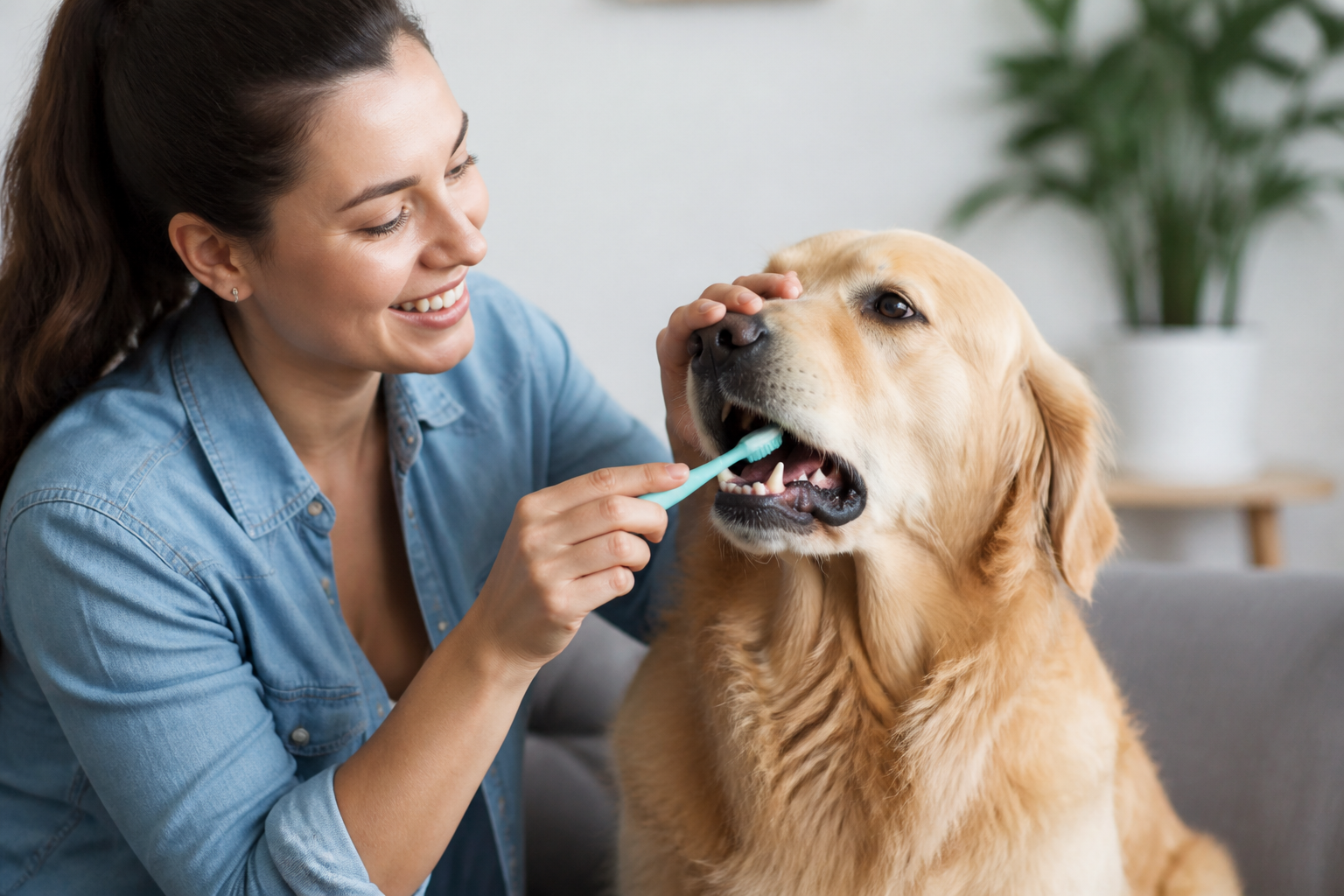
You are relaxing on the couch when your dog hops up to give you a big, sloppy kiss. Instead of a sweet moment, you are hit with a wave of foul breath that makes you turn away. This is a common situation for many pet owners. We often assume "dog breath" is just a part of owning a pet. However, that smell is usually the first sign of dental disease. At BaxterBoo, we know that a healthy mouth leads to a healthy dog. This post will cover why oral hygiene is vital and how you can manage it at home. You will learn about brushing techniques, the right tools, and when it is time to see a professional. Cleaning your dog's teeth is not just about fresh breath. It is a critical part of their long-term wellness.
Quick Answer: Yes, you should absolutely clean your dog's teeth. Regular brushing and professional cleanings prevent periodontal disease, which can lead to tooth loss and serious systemic health issues like heart or kidney disease.
Why Dental Care Is Not Optional
Many owners think that dogs in the wild did fine without toothbrushes. This is a common myth that can lead to health problems. Modern dogs live much longer than their ancestors. They also eat different diets that can contribute to plaque buildup. If you ignore your dog's oral health, you are inviting bacteria to take up residence in their mouth.
Plaque is a sticky film of bacteria that forms on the teeth within hours of eating. If it is not brushed away, it mixes with minerals in the saliva. This process turns plaque into tartar, also known as calculus. Tartar is hard and cannot be removed with a toothbrush. It provides a rough surface where even more bacteria can grow. This cycle leads to inflammation of the gums, known as gingivitis.
If gingivitis is left untreated, it progresses to periodontal disease. This condition destroys the bone and tissues that hold the teeth in place. At this stage, your dog may experience significant pain. They might struggle to eat or become irritable. The bacteria from the mouth can also enter the bloodstream. From there, it can travel to the heart, liver, and kidneys. This can cause organ damage over time.
Key Takeaway: Oral health is connected to systemic health. Preventing plaque buildup protects your dog's heart and organs, not just their teeth.
Signs Your Dog Needs Dental Attention
It is easy to miss the early signs of dental trouble. Dogs are experts at hiding pain. This is an instinct from their wild ancestors who could not afford to show weakness. You must be proactive in checking their mouth. Lift their lips regularly to look at the teeth and gums.
Common signs of dental disease include:
- Persistent bad breath that does not go away
- Red, swollen, or bleeding gums
- Yellow or brown crust on the teeth (tartar)
- Excessive drooling
- Pawing at the mouth or face
- Dropping food while eating or refusing hard kibble
- Loose or missing teeth
If you notice any of these signs, a vet visit is necessary. Bleeding gums are a clear signal that infection is present. You should not try to scrape away heavy tartar yourself. This can damage the enamel and cause more pain.
For more warning signs to watch for, read our guide to recognizing bad teeth in dogs.
Vet Tip: If your dog has a sudden change in eating habits or seems to "clack" their teeth while chewing, they may have a painful abscess or fracture. Consult your veterinarian immediately for a professional oral exam.
The Right Tools for the Job
You cannot use your own toothpaste on your dog. Most human toothpastes contain fluoride. Many also contain Xylitol, which is a sweetener that is highly toxic to dogs. Even small amounts can be fatal. You must use a toothpaste specifically formulated for canines. These come in flavors like poultry, beef, or peanut butter to make the experience more pleasant.
For the brush, you have a few options. A finger brush is a small rubber cap with bristles that fits over your index finger. This is often the best choice for beginners. It gives you more control and feels less threatening to the dog. As they get used to the sensation, you can move to a long handled dog toothbrush. These often have angled heads to reach the back molars. If you are in a pinch, a soft bristled child's toothbrush can also work well.
Consider starting with Nutri-Vet Dog Toothpaste, which is formulated specifically for dogs.
Step-by-Step Guide to Brushing
Brushing a dog's teeth requires patience. You cannot expect them to sit still for a full cleaning on the first try. The goal is to make it a positive part of their routine.
Step 1: Get them used to your touch. Spend a few days just lifting their lips. Rub your finger along their gums. Give them a treat and praise afterward.
Step 2: Introduce the toothpaste. Let your dog lick a small amount of dog safe toothpaste off your finger. Most dogs love the flavor and will see it as a treat.
Step 3: Start with the front teeth. Put a little paste on the brush or your finger. Gently rub the front teeth in a circular motion. Keep the session very short.
Step 4: Move to the back. Gradually work your way toward the molars. This is where most tartar builds up. Focus on the outside of the teeth, as this is where the most plaque accumulates.
Step 5: End on a high note. Always follow a brushing session with a reward. This could be a favorite toy or a walk. You want them to look forward to the next time.
For additional guidance, review these pet dental care tips for building a brushing routine.
Bottom line: Consistency is more important than perfection. Brushing three times a week is good, but daily brushing is the gold standard for preventing disease.
The Role of Diet and Dental Chews
What your dog eats can impact their oral health. There is a long standing debate about wet food versus dry food. Some believe that dry kibble helps "scrape" the teeth clean. While some specialized dental diets do this, standard kibble often crumbles too quickly to provide much benefit. Wet food can sometimes stick to the teeth more easily, which might speed up plaque formation.
Dental chews and toys are a great supplement to brushing. We carry a wide selection of products like Greenies dental chews and Kong toys at BaxterBoo. These items are designed to encourage chewing. The mechanical action of chewing helps rub away soft plaque before it hardens. Some chews also contain enzymes that help break down bacteria.
For more options, browse our dog dental and breath care collection.
However, chews are not a total replacement for brushing. They mostly reach the tips of the teeth. They do not often reach the gum line where periodontal disease starts. Also, be careful with very hard objects. Rawhide, bones, and antlers can sometimes cause tooth fractures if the dog chews too aggressively.
Key Takeaway: Use dental chews and toys as a secondary tool. They work best when combined with regular brushing and professional checkups.
Breed Specific Dental Risks
Not all dogs are created equal when it comes to dental health. Small breeds and toy dogs are at a much higher risk for problems. This is because they have the same number of teeth as large dogs but much smaller mouths. This leads to overcrowding. Food and bacteria get trapped easily in the tight spaces between their teeth.
Breeds like Yorkies, Chihuahuas, and Poodles often need professional cleanings much earlier than larger breeds. Brachycephalic dogs, which are those with flat faces like Pugs and Bulldogs, also face challenges. Their jaw structure is often misaligned. This means their teeth do not meet correctly, which prevents the natural cleaning that happens when a dog chews.
Larger dogs are not immune, but their issues are often different. They are more likely to suffer from broken or fractured teeth due to their strong jaw pressure. They may also develop gum recession as they age. No matter the size of your dog, a customized dental plan is necessary.
Professional Cleanings and the Pharmacy
Even with perfect home care, most dogs will eventually need a professional dental cleaning. This is done under general anesthesia. Many owners feel nervous about anesthesia, but it is the only way to perform a thorough cleaning. It allows the vet to clean under the gum line and take X-rays.
X-rays are critical because most dental disease happens where you cannot see it. A tooth might look healthy on the surface but have a rotted root or an abscess underneath. If a tooth is dead or badly infected, the vet will remove it. Dogs actually feel much better once a painful, diseased tooth is gone.
For dogs with chronic dental issues or those recovering from oral surgery, our pet pharmacy offers a vital resource. Through our partnership with Pet's Choice, we provide access to FDA approved medications. This includes antibiotics for oral infections and pain relief for post surgery recovery. We also carry prescription diets, such as Farmina Vet Life, which are formulated for specific health needs. These products require a prescription from your vet, but they can be a game changer for long term management.
Our pharmacy makes it easy to get these essential items delivered to your door. This ensures your dog never misses a dose of the medication they need to stay healthy. Whether it is a specialty rinse or a prescription kibble, we have the resources to support your vet's treatment plan.
Vet Tip: Annual wellness exams are the best time to discuss professional cleanings. Your vet can grade your dog's dental health and tell you if it is time for a "prophy" or professional cleaning.
When to Start a Dental Routine
The best time to start cleaning your dog's teeth is when they are a puppy. Puppies have 28 deciduous teeth that eventually fall out. Their permanent teeth, usually 42 in total, begin to emerge around four to six months of age. Getting a puppy used to having their mouth handled makes life much easier when they are adults.
If you have an older dog and have never brushed their teeth, do not worry. It is never too late to start. You just need to move more slowly. Senior dogs often have more sensitivity, so be extra gentle. They are also the group most likely to benefit from the health boost that comes with a clean mouth.
| Age Group | Dental Focus Area | Recommended Action |
|---|---|---|
| Puppy | Socialization | Get them used to mouth handling and flavored paste. |
| Adult | Prevention | Daily or weekly brushing and dental chews. |
| Senior | Monitoring | Watch for signs of pain and prioritize professional exams. |
Managing the Cost of Dental Care
Dental care can be expensive, especially if extractions are involved. This is why prevention is so important. A tube of toothpaste and a brush cost very little compared to oral surgery. We also offer several ways to save on your pet's essentials.
Our MVP Rewards program allows you to earn points on every purchase. These points can be used for future discounts on things like dental treats and toothbrushes. If you use a specific dental chew or food regularly, consider our Autoship programme. It saves you money on your first order and ensures you never run out of supplies. We also partner with FIGO Pet Insurance, which can help cover the costs of unexpected dental injuries or illnesses.
By staying on top of home care, you reduce the frequency of professional cleanings. This keeps your dog healthier and keeps your costs down over the long run. It is an investment in your dog's quality of life.
Conclusion
Deciding to clean your dog's teeth is one of the best things you can do for their health. It prevents pain, keeps their breath fresh, and protects their vital organs. Start slowly with the right tools and keep the sessions positive. Remember that brushing is the foundation, but dental chews and professional exams are also necessary. If your dog needs specific medications or a prescription diet for their oral health, our pet pharmacy is here to help. We are dedicated to providing the products and knowledge you need to give your pet a long, happy life.
- Brush at least three times a week using dog safe toothpaste.
- Provide dental chews and toys to help manage plaque.
- Check your dog's mouth regularly for redness or bad breath.
- Schedule an annual exam with your vet to discuss professional cleanings.
Bottom line: A little bit of daily care goes a long way in preventing serious and expensive health problems down the road.
FAQ
How often should I clean my dog's teeth at home?
Ideally, you should brush your dog's teeth every day to prevent plaque from turning into tartar. If daily brushing is not possible, aim for at least three times a week. Consistency is key because plaque can harden into tartar within 24 to 48 hours.
Can I use a human toothbrush on my dog?
Yes, you can use a human toothbrush if it has soft bristles. A child sized toothbrush is often the best fit for most dogs because the head is smaller. However, never use human toothpaste, as it contains ingredients like Xylitol and fluoride that are toxic to dogs.
Do dental chews actually work as well as brushing?
Dental chews are a helpful tool, but they are not a replacement for brushing. They help remove plaque from the tops of the teeth through mechanical chewing action. They often fail to reach the gum line, which is where most dental disease begins.
My dog's gums bleed when I brush them. Is this normal?
Minor bleeding can occur if your dog has early stage gingivitis, but it is not "normal." It is a sign that the gums are inflamed and need more regular care. If the bleeding is heavy or the gums look very red and swollen, you should stop brushing and consult your veterinarian.






