Save 15% on your 1st Autoship learn more

 Email us
 Live Chat
 FAQs
FAQs





Introduction
You are relaxing on the sofa with your cat. You reach down to scratch their favorite spot at the base of the tail. Instead of just soft fur, you see a shower of white flakes. You might also notice a thinning patch of hair that was not there last week. Seeing your pet deal with skin irritation is stressful for any owner. At BaxterBoo, we understand that a glossy coat is more than just a beauty standard. It is a primary indicator of your cat's overall wellness. This post covers the common causes of flaky skin, why your cat might be losing fur, and the best ways to restore their skin health. Understanding these signs is the first step toward helping your feline friend feel comfortable again.
What Exactly Is Cat Dandruff?
Dandruff is more than just a cosmetic issue. It occurs when the sebaceous glands in your cat's skin overproduce oils. These oils are meant to protect the skin. When there is too much oil, it irritates the surface and causes skin cells to clump together. These clumps fall off as the visible white flakes you see on their fur or bedding.
It is important to distinguish between dander and dandruff. Dander consists of microscopic skin cells that every healthy cat sheds. You cannot see dander with the naked eye. Dandruff is much larger and very visible. While all cats produce dander, not every cat should have dandruff. If you can see the flakes, it usually means the skin barrier is struggling.
Quick Answer: Cat dandruff is the result of skin cells shedding too quickly or clumping together due to excess oil or extreme dryness. It often appears as visible white flakes and can be accompanied by thinning fur if the cat is scratching or over-grooming.
Why Dandruff and Hair Loss Often Go Together
When a cat has dandruff, their skin is often itchy or tender. This leads to a cycle of scratching and over-grooming. A cat's tongue is covered in tiny barbs called papillae. These are great for cleaning fur but can be very abrasive on irritated skin. If a cat licks the same spot repeatedly to soothe an itch, they will eventually lick the hair away.
This type of hair loss is called traumatic alopecia. The hair is not falling out on its own. Instead, the cat is physically removing it because of the discomfort. In other cases, the hair loss is caused by the same underlying medical issue that caused the dandruff. For example, a fungal infection like ringworm attacks both the skin and the hair shaft. This results in brittle fur that breaks off easily alongside flaky patches.
Common Causes of Flaky Skin and Thinning Fur
Identifying the cause of skin issues can feel like detective work. There are several reasons why your cat might be showing these symptoms.
Poor Nutrition
A cat's skin and coat require a massive amount of protein. In fact, up to 30 percent of a cat's daily protein intake goes toward maintaining their skin and fur. If their diet lacks high-quality, digestible protein, their coat is the first thing to suffer.
Essential fatty acids are also critical. Omega-3 and Omega-6 fatty acids support the skin's moisture barrier. Cats cannot produce these on their own. They must get them from their food. Without these fats, the skin becomes brittle and the fur loses its shine.
Environmental Factors
The air inside your home plays a significant role in your cat's skin health. During the winter, central heating can strip the moisture from the air. This dries out your cat's skin and leads to seasonal dandruff. Similarly, an environment that is kept too warm year-round can trigger an overproduction of oils as the skin tries to compensate for the heat.
Parasites and Infections
Fleas are a leading cause of skin problems. Some cats have a specific allergy to flea saliva. A single bite can cause a massive reaction that leads to intense scratching, dandruff, and bald spots.
Other parasites like the Cheyletiella mite cause a condition known as walking dandruff. These mites are large enough to be seen moving under the skin flakes. Fungal infections like ringworm are also common. These require specific medical treatment to stop them from spreading to other pets or humans in the house.
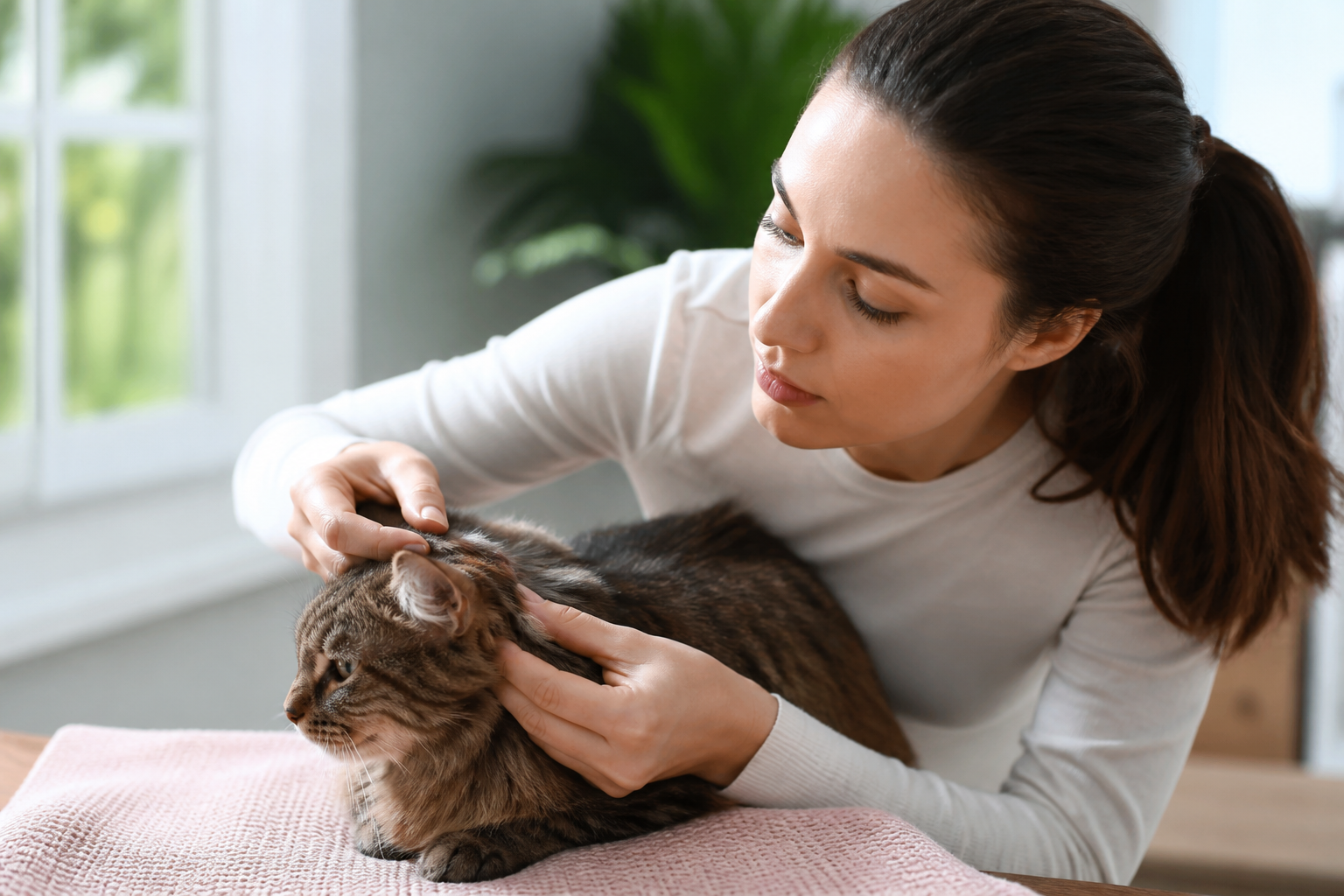
Vet Tip: If your cat is losing hair in perfectly circular patches or has red, inflamed skin, please consult your veterinarian. These are common signs of ringworm or parasitic infestations that require prescription-strength treatment.
The Role of Weight and Mobility
Sometimes, dandruff is not a skin disease but a mobility issue. Cats are meticulous groomers. If a cat is overweight, they may not be able to reach the base of their tail or their lower back. When those areas are not groomed, dead skin cells and oils build up and turn into dandruff.
Senior cats with arthritis face a similar challenge. If it hurts to twist and reach certain spots, they will simply stop cleaning them. You might notice that the dandruff is concentrated in one specific area that is hard for the cat to reach. In these cases, the solution involves managing the underlying mobility issue and helping your cat with their daily grooming. For additional guidance, read how to help your indoor cat lose weight.
Key Takeaway: Dandruff concentrated on the lower back or base of the tail is often a sign that your cat cannot physically reach that area to groom themselves properly.
When to Seek Veterinary Care
While a few flakes might seem minor, skin issues can indicate deeper health problems. You should schedule a vet visit if you notice any of the following:
- Large bald patches or complete hair loss in certain areas.
- Skin that looks red, inflamed, or has open sores.
- Constant scratching or biting at the skin.
- A greasy or foul-smelling coat.
- Changes in appetite or litter box habits.
Health conditions like hyperthyroidism or diabetes can affect a cat's coat quality. Our cat pharmacy carries prescription medications for chronic conditions. If your vet determines that a medical condition is causing the skin issues, we can help you manage it with the right prescription.
Practical Steps for Managing Dandruff at Home
Once your vet has ruled out serious infections, you can take steps to improve your cat's comfort.
Improve Hydration
Dehydration is a common culprit for dry skin. Many cats do not have a high thirst drive. They prefer to get their moisture from their food. If your cat eats only dry kibble, they may be slightly dehydrated.
- Try adding wet food to their daily routine.
- Use a pet water fountain. Cats are often more attracted to moving water than a still bowl.
- Add a little water or plain bone broth to their meals.
Consistent Grooming
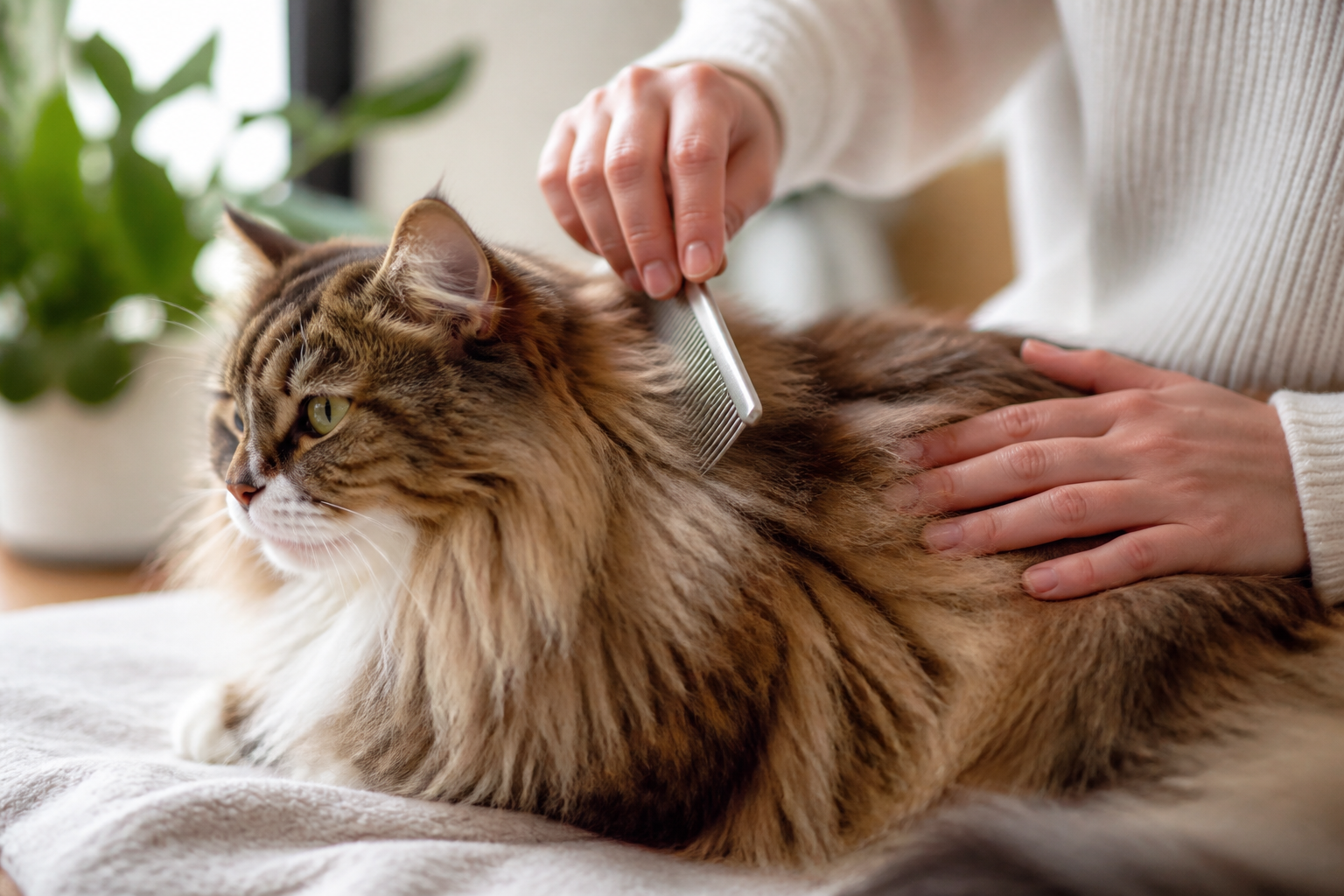
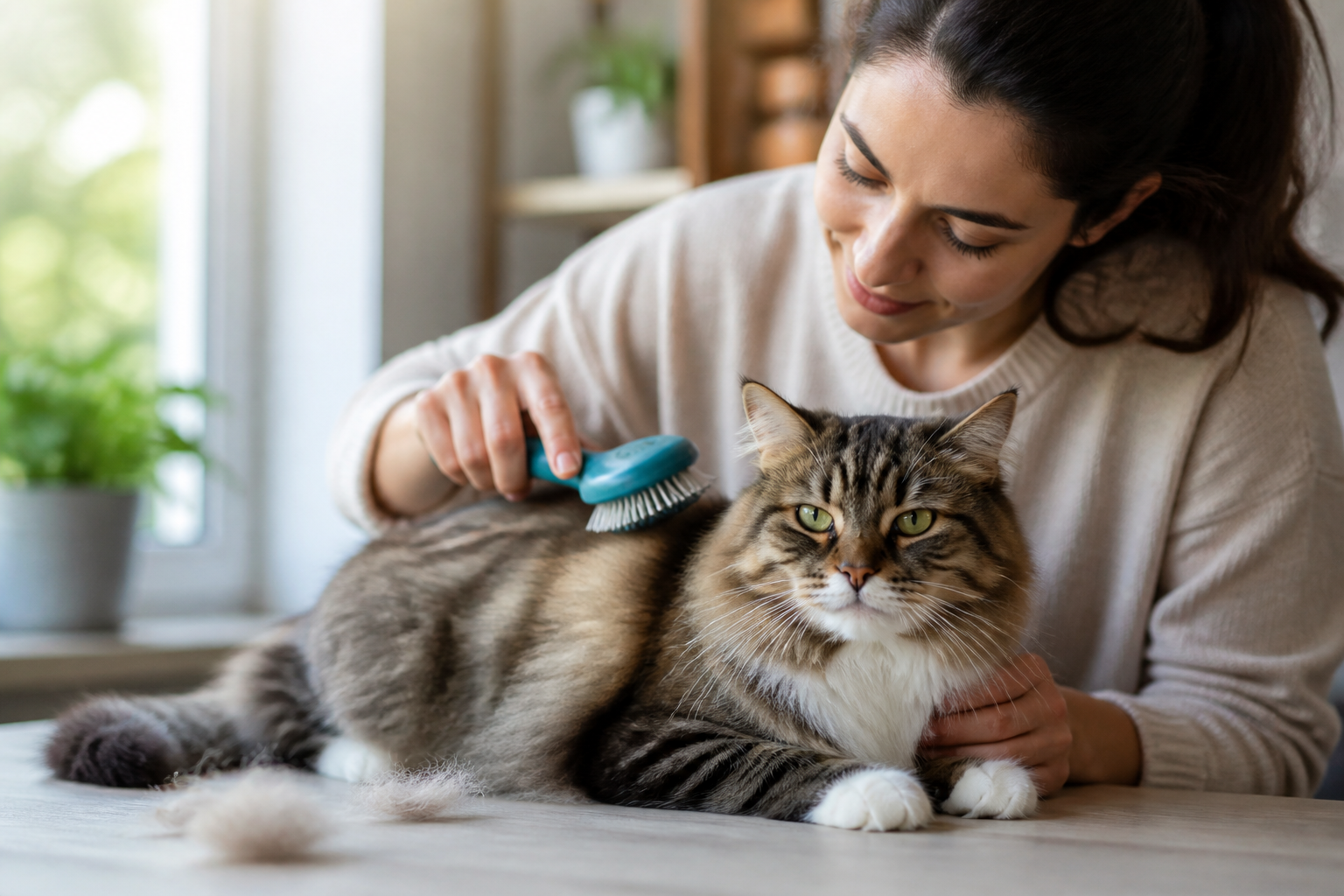
If your cat cannot groom themselves, you must step in. Brushing your cat daily helps distribute natural oils across the skin. It also removes the dead cells before they can clump into dandruff. Use a soft-bristled brush or a grooming glove to make the experience pleasant for your cat. You can find brushes, combs, wipes, and other options in our cat grooming collection.
Humidity Control
If your home feels dry, your cat's skin likely feels dry too. Using a humidifier in the rooms where your cat spends the most time can make a big difference. This is especially helpful during the winter months when the heater is running constantly.
Nutritional Supplements
If your cat's current food is not providing enough skin support, supplements can help. Look for products containing fish oil or other sources of Omega fatty acids. Brands like Zesty Paws or Honest Paws offer options that are easy to mix into food. These supplements work from the inside out to bolster the skin's natural barrier.
Choosing the Right Nutrition
The quality of the food you put in the bowl directly impacts the fur on your cat's back. At BaxterBoo, we carry over 500 trusted brands to ensure every pet owner can find the right match. Explore our cat food selection when comparing options for your cat.
Look for foods that list a specific animal protein as the first ingredient. Avoid foods with excessive fillers that do not provide much nutritional value. Brands like Farmina, Royal Canin, and Stella and Chewy's offer specialized formulas for skin and coat health.
If your vet recommends a prescription diet for a skin allergy or a medical condition, you can find those through our pharmacy. These diets are formulated to be highly digestible and often contain specific ratios of vitamins like Vitamin A and Zinc to promote cell growth.
How to Help Your Cat Regrow Hair
Hair regrowth is a slow process. Once the underlying cause of the dandruff and hair loss is addressed, it can take several weeks or even months to see the fur return.
- Eliminate the irritant. Whether it is fleas, a food allergy, or a dry environment, the trigger must be gone.
- Provide a stress-free environment. Stress can lead to psychogenic alopecia, where a cat licks themselves bare out of anxiety.
- Support the skin barrier. Use feline-specific wipes or foams to keep the area clean and hydrated.
- Maintain a high-protein diet. Ensure your cat has the building blocks they need to grow new fur.
Bottom line: Hair regrowth requires patience and the removal of the original skin irritant.
Managing Fleas and Parasites
Flea prevention is the easiest way to avoid skin-related hair loss. Even indoor cats need protection. Fleas can travel into your home on your clothes or through window screens. We offer a variety of flea and tick preventives in our cat flea and tick collection.
For cats with severe flea allergies, consistency is key. A single gap in their monthly treatment can lead to a flare-up of dandruff and hair loss. Using our Autoship programme can help ensure you never run out of prevention. This also saves you money on your orders and keeps your pet protected year-round.
For more information about prevention options, read our guide to flea and tick prevention products.
Using the BaxterBoo Pharmacy
When home remedies and high-quality food are not enough, medical intervention is necessary. Our pharmacy allows you to access prescription care for your pet's needs. Whether your cat needs a prescription antifungal for ringworm or a medicated shampoo for a bacterial infection, we have you covered.
Using the pharmacy is straightforward. Your vet sends the prescription to us, and we ship the medication directly to your door. This is a great way to handle chronic conditions that require ongoing treatment. It ensures you have access to products prescribed for your cat's care.
Grooming Tips for Sensitive Skin
If your cat is already dealing with dandruff, their skin is sensitive. You should avoid human shampoos. The pH balance of human skin is different from cat skin. Using human products can strip away the remaining oils and make the dandruff worse.
Instead, look for shampoos or waterless foams designed for cats. Ingredients like oatmeal or aloe vera can help soothe inflammation. If your cat hates water, a waterless foam is a great alternative. You simply massage it into their fur and towel it off. This removes the dandruff without the stress of a bath. For more ideas, explore our cat grooming supplies.
Key Takeaway: Always use grooming products specifically formulated for cats to avoid further irritating the skin's pH balance.
The Importance of a Complete Care Plan
Caring for a cat with dandruff and hair loss requires a holistic approach. It is not just about the flakes you see today. It is about the food they eat, the air they breathe, and the medical protection they receive.
We have been helping pet owners since 2006, and we know that every cat is different. Some might just need a better brush and a humidifier. Others might need a total diet change or prescription medication. By paying close attention to your cat's behavior and coat quality, you can catch problems early.
Joining a program like MVP Rewards can also help as you build this care plan. You earn points on every purchase of food, supplements, and grooming tools. This makes it easier to provide the high-quality care your cat deserves while staying within your budget.
Summary of Next Steps
If you are currently looking at a flaky coat, here is a quick checklist to get started:
- Schedule a vet visit to rule out parasites or internal health issues.
- Check your cat's food for high-quality protein and Omega fatty acids.
- Start a daily grooming routine to help your cat manage their coat.
- Add moisture to the air with a humidifier.
- Look into our cat pharmacy for any prescription needs your vet identifies.
Supporting your cat’s skin health is a long-term commitment. With the right tools and a little patience, you can help them return to that soft, glossy coat they are known for.
FAQ
Is cat dandruff contagious to humans or other pets?
Standard dandruff caused by dry skin or diet is not contagious. However, if the dandruff is caused by the Cheyletiella mite or ringworm, it can easily spread to other animals and even humans. You should always have a vet identify the cause of the flakes to ensure your entire household stays safe.
Can I use human dandruff shampoo on my cat?
No, you should never use human dandruff shampoo on a cat. These products often contain ingredients like zinc pyrithione or selenium sulfide, which can be toxic to cats if they lick their fur. Furthermore, human shampoos have a different pH level that can cause further skin irritation and dryness for felines.
Why does my cat have dandruff only at the base of their tail?
This is usually a sign of a mobility or weight issue. The base of the tail and the lower back are the hardest spots for a cat to reach during grooming. If a cat is overweight or has arthritis, they often stop cleaning these areas entirely, leading to a buildup of dead skin and oils.
How long does it take for a cat's hair to grow back after loss?
Hair regrowth generally takes between four to eight weeks once the underlying cause is treated. If the hair loss was caused by a chronic condition like a food allergy, the fur will only stay back if the allergen is permanently removed from their environment or diet. Some senior cats may experience slower regrowth than younger kittens.